China Expands Single-Form Multimodal Customs Model
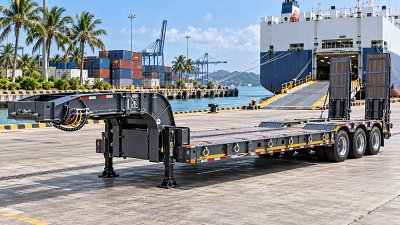
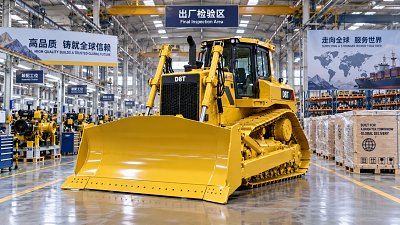
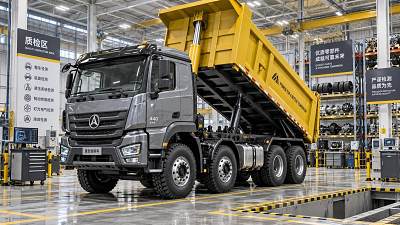
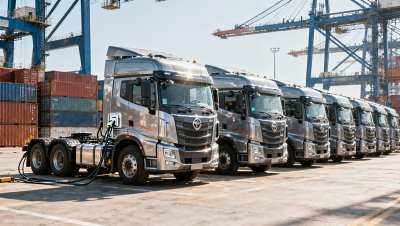
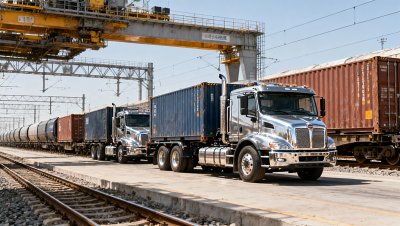
On June 22, 2026, China moved to nationwide implementation of a single-form regulatory model for multimodal transport across 45 pilot cities, allowing exporters to complete customs procedures for combined sea, rail, and road shipments through one application instead of repeated declarations and inspections at intermediate stages. For exporters of complete vehicles and KD parts, including heavy truck chassis, construction vehicles, and special trailers, the change is worth close attention because it directly affects customs handling, document preparation, shipment coordination, and delivery planning.
What the June 22 rollout confirms
The confirmed change is the formal nationwide rollout, effective June 22, of a multimodal transport regulatory model jointly advanced by the General Administration of Customs and 24 other departments in 45 pilot cities.
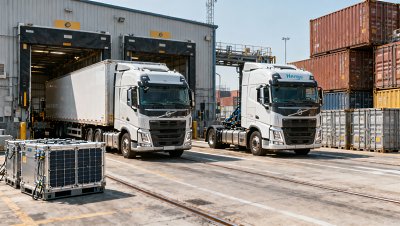
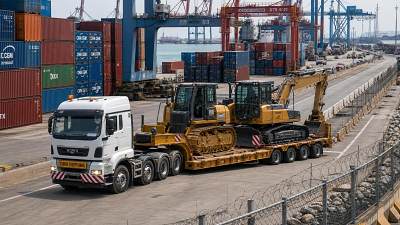
Under this model, a company can use one multimodal transport application form to complete customs clearance across the full transport chain covering sea, rail, and road legs.
The event summary also confirms that repeated declarations and inspections during the journey are removed under this arrangement.
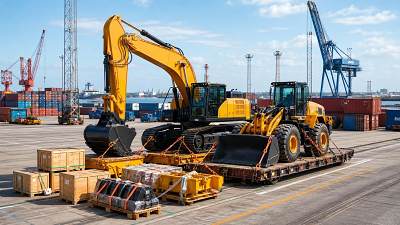
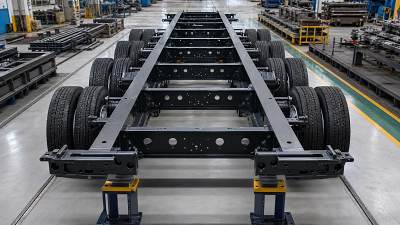
The stated scope covers export scenarios for complete units and KD parts, including heavy truck chassis, construction vehicles, and special trailers.
Where the rule change may be felt first
Exporters managing multi-leg delivery chains
From an industry perspective, exporters are likely to feel the change most directly because the new model is tied to how a shipment is declared and cleared across several transport modes. The practical impact may center on whether internal export documentation, shipment instructions, and handover processes are prepared in a way that supports a single customs application across the full route rather than separate handling at each stage.
Manufacturers shipping complete units and KD parts
Analysis shows that manufacturers of complete vehicles, heavy truck chassis, engineering vehicles, special trailers, and related KD exports may need to pay closer attention to how product files, packing information, and shipment matching are organized. Where the goods move through combined sea, rail, and road transport, document consistency becomes more important because the regulatory logic now follows one through-process rather than repeated midpoint filings.
Logistics and supply chain service providers
Supply chain service providers may also be affected because the model changes the compliance rhythm of multimodal export operations. What deserves closer attention is whether freight coordination, customs filing support, and transfer-stage control procedures are aligned with the new one-form process, especially where multiple carriers or route segments are involved.
Buyers and delivery planners
For procurement teams and buyers relying on exported equipment or KD kits, the immediate issue is less about a new commercial rule and more about execution reliability. Observably, if exporters and logistics partners adapt smoothly to the new customs workflow, delivery scheduling and document exchange may become more predictable; if not, transition-stage coordination could still require close follow-up.
What companies should review now
Check whether document sets can support one end-to-end filing
Analysis shows that companies using multimodal export routes should review whether commercial, logistics, and customs-facing documents are prepared in a consistent way for a single through-application. The event summary confirms the regulatory simplification, but it does not provide detailed filing standards, so firms should avoid assuming that internal document formats can remain unchanged.
Watch for follow-up wording and operating interpretations
What deserves closer attention is the next layer of implementation language. The rollout itself is a confirmed development, but detailed operating interpretations, local execution wording, and practical handling requirements are not included in the input. Companies should therefore continue tracking how the model is described in later official or operational communications.
Focus on product categories named in the rollout
Exporters dealing in heavy truck chassis, construction vehicles, special trailers, complete units, and KD parts should prioritize review because these categories are expressly within scope. In practice, that means checking whether shipment planning, customs coordination, and handover records for these products are ready for a single-form multimodal process.
Coordinate delivery promises with actual execution readiness
From an industry perspective, sales, export operations, and after-sales teams should keep delivery commitments aligned with actual readiness to use the new process. Since the input does not provide evidence of settled execution outcomes, companies should treat operational performance during the rollout stage as something to verify rather than assume.
Why this looks like an execution signal, not the end of the story
Observably, this development is more appropriately understood as a confirmed execution signal in customs and transport regulation rather than a fully closed policy story. The nationwide rollout indicates that the single-form multimodal model has moved beyond a narrow trial logic into broader application, but the market still needs to watch how consistently it is implemented in real export workflows.
Analysis shows that the most important near-term variable is not whether the rule change exists, but how the rule is translated into operational practice across customs handling, route coordination, and document control. That is why subsequent policy detail, execution interpretations, and industry feedback remain relevant.
How this update is best understood at this stage
At this stage, the June 22 rollout points to a tangible regulatory shift in how multimodal export customs procedures can be handled for eligible shipments. For the industry, the immediate significance lies in reduced repetition within the declared process and in the need to realign export documentation and coordination practices accordingly.
It is more appropriate to understand this update as an implemented rule change with practical compliance implications, while still recognizing that the full effect on delivery efficiency, supply chain coordination, and exporter routines depends on continued execution and follow-up clarification.
Basis of this article
This article is generated from the user-provided news title, event date, and event summary. The specific official source link was not provided in the input, so it still requires ongoing verification against source types commonly used for this kind of development, such as official notices, releases from regulatory authorities, customs or trade administration information, industry association updates, standards-related documents, and reporting by authoritative media.
Further observation is still needed on detailed implementation wording, compliance interpretations, possible changes in document requirements, procurement and tender documentation responses, market feedback, and how companies execute the new model in practice.
Trending News
- CATL Unveils Heavy-Truck Battery Range Extension, Signs Deals for 13,000 Vehicles
- CATL Unveils Tianxing II Electric-to-Electric Range-Extended Heavy Truck Solution
- How much torque does a truck engine need for heavy-duty hauling?
- How to assess a crane truck distributor's spare parts support
- Volvo Group Forms Volvo Mining to Integrate Equipment and Autonomous Solutions
Tag
Recommended News
 Truck ExportWhat documents are needed to export a low bed trailer to Southeast Asia?Low bed trailer export to Southeast Asia: discover essential shipping, customs, origin, and technical documents to avoid delays and ensure smooth import clearance.
 Truck ExportHow to verify supplier reliability when sourcing bulldozers overseasBulldozer sourcing made safer: learn how to verify overseas suppliers, inspect quality, confirm specifications, manage export documents, and reduce lifecycle risk.
 Truck ExportWhat paperwork is required for heavy equipment export shipments?Heavy equipment export paperwork explained: invoices, customs filings, bills of lading, origin certificates, technical approvals, and compliance records for smoother global shipments.
 Truck ExportHow to reduce quality risks when sourcing dump trucks overseasDump truck sourcing made safer: learn how to verify suppliers, control specifications, meet compliance rules, and inspect trucks before shipment.
 Truck ExportChina’s Electric Heavy Truck Exports Double in Four Months, With South and Southeast Asia LeadingChina’s electric heavy truck exports doubled in four months, with South and Southeast Asia leading demand. Explore compliance, delivery, and market-entry opportunities now.
 Truck ExportU.S. Final Ruling on Chinese Box Trailers Nears, Exporters Brace for ComplianceChinese box trailer exporters face the U.S. final ruling on anti-dumping duties. Learn how pricing, HS code compliance, contracts, and supply chains may be impacted.
 Truck ExportWhat to check before choosing a dump truck exporterDump truck exporter guide: discover the key checks before buying, from truck specs and compliance to export support, and avoid costly sourcing mistakes.
 Truck ExportBaosteel’s EN 15804+A2 EPD Signals a New Compliance Layer for Heavy Plate ExportsBaosteel’s EN 15804+A2 EPD Signals a New Compliance Layer for Heavy Plate Exports, showing how carbon disclosure and verified documentation may reshape export approval, sourcing, and OEM screening.
 Truck ExportHow to Evaluate a Water Truck Exporter for Build Quality and After-Sales SupportWater truck exporter selection starts with more than price. Learn how to assess build quality, compliance, parts support, and after-sales service before placing an order.
 Truck ExportHow to Evaluate a Semi Trailer Exporter for Compliance, Lead Time, and After-Sales SupportSemi trailer exporter evaluation made practical: learn how to verify compliance, compare real lead times, and assess after-sales support before choosing a reliable supplier.
 Truck ExportConstruction Machinery Exporter Checklist for Overseas Delivery RisksConstruction machinery exporter checklist for overseas delivery risks: learn how to reduce damage, customs delays, document errors, and cost exposure before shipment.
 Truck ExportChina Adds Battery Carbon Footprint Filing for NEV Truck ExportsChina adds battery carbon footprint filing for NEV truck exports, reshaping customs clearance, lead times, and export costs. Learn who is affected and how to prepare now.
 Truck ExportTruck Trailer OEM Checklist: Key Quality Points Before Supplier ApprovalTruck trailer OEM approval starts with the right checklist. Discover key quality, compliance, and audit points to screen suppliers, reduce sourcing risk, and choose with confidence.
 Truck ExportHeavy Equipment Export to Africa: Hidden Cost Risks Beyond Unit PriceHeavy equipment export to Africa involves more than unit price. Discover hidden costs in logistics, customs, parts, and after-sales support to make smarter, lower-risk buying decisions.
 Truck ExportTruck Tipper Exporter Checklist: 7 Risks to Review Before SigningTruck tipper exporter checklist: review 7 critical risks before signing, from compliance and quality control to delivery, warranty, and payment protection.
 Truck ExportChina Customs Rolls Out 2026 Export Truck GuideChina Customs Rolls Out 2026 Export Truck Guide: learn how new battery safety, automated driving data compliance, and GCC certification checks could impact truck exports and shipment readiness.
![]() Truck ExportWhat OEM Services Really Matter in a Commercial Trucks ManufacturerCommercial trucks manufacturer with OEM services: learn which OEM capabilities truly protect uptime, compliance, parts access, and fleet cost before you shortlist suppliers.
Truck ExportWhat OEM Services Really Matter in a Commercial Trucks ManufacturerCommercial trucks manufacturer with OEM services: learn which OEM capabilities truly protect uptime, compliance, parts access, and fleet cost before you shortlist suppliers. Truck ExportCommercial Trucks Manufacturer in China: Export Quality Standards to CheckCommercial trucks manufacturer in China: learn which export quality standards, certifications, factory controls, and compliance checks reduce sourcing risk and protect fleet performance.
 Truck ExportMexico Cuts PROSEC Duty on Truck Chassis, Adds Audit RuleMexico Cuts PROSEC Duty on Truck Chassis to 0% from July 2026, but new audit rules and a 35% localization threshold raise compliance risks. Learn what importers must do to stay eligible.
 Truck ExportAlashankou Opens Priority Clearance for New Energy TrucksAlashankou opens priority clearance for new energy trucks, cutting export customs time by 3.2 days. Learn how UN38.3, GB 38031, and ECE R100.03 compliance can speed rail deliveries.
 Truck ExportDump Truck Supplier in Brazil: Import Costs, Lead Times, and Compliance PointsDump truck supplier in Brazil guide: compare real import costs, lead times, and compliance points to avoid delays, control landed cost, and choose a reliable supplier faster.
 Truck ExportCommercial Trucks Manufacturer in China: How to Compare Factory StrengthCommercial trucks manufacturer in China comparison guide: learn how to assess factory strength, quality control, certifications, and export capability for safer, smarter sourcing.
 Truck ExportTruck Cement Exporter Checklist for Cross-Border Compliance and DeliveryTruck cement exporter checklist for cross-border success: verify compliance, documents, packaging, and delivery planning to reduce risk and choose reliable suppliers with confidence.
 Truck ExportIndia Cuts HS 8701.20 Export Rebate to 9%India Cuts HS 8701.20 Export Rebate to 9%: learn how the DGFT move impacts electric heavy truck chassis pricing, margins, contracts, and India-bound supply chain planning.
 Truck ExportVietnam Halts Non-EVTA Truck Import FilingsVietnam Halts Non-EVTA Truck Import Filings: learn how MOIT’s new rule affects Chinese heavy trucks, EVTA Form EUR.1 compliance, shipment risk, and Vietnam delivery planning.