Truck Cement Delivery Problems: Common Causes and Practical Fixes
Truck Cement Delivery Problems: Common Causes and Practical Fixes
Truck cement delivery issues can disrupt schedules fast. They also increase waste, raise fuel use, and create avoidable site delays.
In daily operations, most truck cement problems are not caused by one major failure. They usually come from several small mistakes happening together.
A blocked discharge line, poor loading balance, route congestion, or worn parts can all reduce delivery performance. The result is slower unloading and higher operating pressure.
The good news is that many truck cement delivery problems are predictable. With the right checks, operators can reduce downtime and keep every trip more stable.
Why Truck Cement Delivery Problems Happen So Often
Truck cement work looks routine, but conditions change constantly. Weather, road vibration, loading quality, and unloading equipment all affect material flow.
Cement is sensitive to moisture and handling. Even a short delay at the wrong time can change how easily the product moves through the system.
This also means truck cement reliability depends on coordination. Drivers, plant staff, site teams, and maintenance crews all influence the final result.
When communication is weak, small issues stay hidden. By the time the truck arrives, the delivery problem is already built into the load.
Common Truck Cement Problems and Their Root Causes
1. Blocked Discharge System
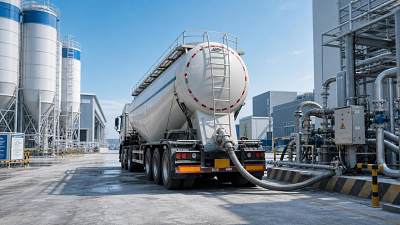
One of the most common truck cement issues is discharge blockage. It slows unloading and can stop the job completely.
Typical causes include moisture contamination, compacted material, dirty pipes, and weak air pressure. In some cases, old seals also let damp air enter.
Practical fixes include:
- Inspect discharge pipes before loading.
- Check air compressor output and pressure stability.
- Replace worn gaskets and leaking valves early.
- Keep storage and loading areas dry.
- Flush or clean the system on a fixed schedule.
2. Uneven Loading and Poor Weight Distribution
Uneven truck cement loading affects both safety and unloading efficiency. The truck may handle poorly, especially on rough roads or sharp turns.
It can also increase stress on suspension components, tires, and the tank body. Over time, this creates faster wear and more maintenance cost.
The most effective corrections are simple:
- Use a consistent loading sequence.
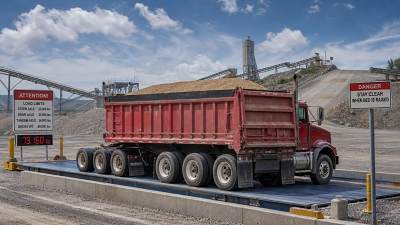
- Verify axle load limits before departure.
- Train loading staff to watch distribution, not only volume.
- Recheck the load after partial filling when needed.
3. Moisture Damage to Cement Quality
Moisture is a serious truck cement risk. Once cement absorbs water, it begins to clump and loses its free-flowing condition.
This often starts with poor hatch sealing, wet hoses, or loading during rain without proper cover. The damage may not be visible until unloading begins.
To prevent this problem:
- Check all covers, seals, and hose connections daily.
- Avoid loading when equipment surfaces are wet.
- Store hoses in clean, dry spaces after use.
- Stop delivery if clumping is suspected.
4. Route Delays and Long Waiting Times
Not every truck cement problem is mechanical. Traffic, restricted routes, gate queues, and site waiting time often damage delivery performance more than equipment faults.
Long waiting periods can increase moisture exposure and tighten delivery windows. They also reduce daily trip numbers and hurt operating margins.
Useful ways to reduce delay include:
- Confirm route restrictions before dispatch.
- Share arrival times with site staff in advance.
- Use traffic-aware scheduling during peak hours.
- Build buffer time for checkpoints and site access.
Equipment Wear That Often Gets Ignored
Many truck cement failures come from parts that were already signaling trouble. The problem is that early symptoms are easy to dismiss.
Watch for reduced air pressure, unusual vibration, slow discharge, leaking valves, and irregular sound from the compressor. These are early warning signs.
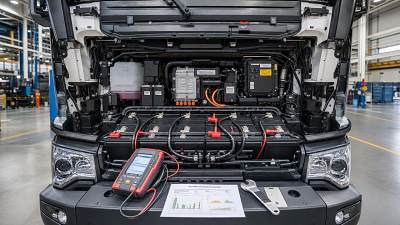
Hoses, seals, pressure gauges, tanker interiors, and pneumatic lines should be checked regularly. A low-cost inspection can prevent a high-cost delivery failure.
In actual operations, preventive maintenance is usually cheaper than emergency repair. It also protects delivery credibility with job sites and contractors.
A Practical Pre-Trip Checklist for Truck Cement Operations
A short pre-trip routine can solve many truck cement issues before the truck leaves the yard.
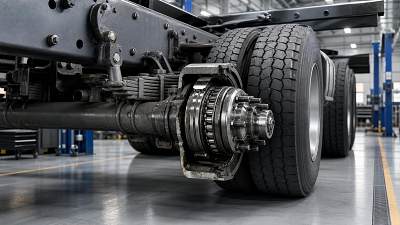
- Check tire condition and axle load balance.
- Inspect discharge pipes, valves, and hose joints.
- Test compressor function and verify pressure readings.
- Confirm hatch sealing and dryness inside key contact areas.
- Review route risks, weather, and site access conditions.
- Confirm unloading readiness with the receiving location.
This process takes only a few minutes. Still, it can significantly improve truck cement consistency and reduce last-minute surprises.
What to Do When a Truck Cement Delivery Goes Wrong On Site
When unloading problems begin, speed alone is not the answer. Rushing often makes blockage, pressure spikes, or material loss worse.
A more effective response is controlled troubleshooting:
- Stop and confirm whether air pressure is stable.
- Inspect visible pipe sections for blockage points.
- Check for moisture-related clumping near outlets.
- Coordinate with site staff before restarting discharge.
- Record the issue for maintenance follow-up later.
Clear reporting matters here. If recurring truck cement failures are documented well, maintenance teams can fix root causes instead of repeating temporary repairs.
How Better Sourcing and Supplier Visibility Support Reliability
Truck cement performance depends on more than driving and unloading. It also depends on reliable equipment, consistent spare parts, and access to the right supplier network.
This is where a specialized industry platform becomes useful. Buyers and fleet operators need a faster way to compare truck bodies, pneumatic systems, valves, hoses, and maintenance-related parts.
The Global Heavy Truck Industry Platform supports that process by connecting manufacturers, distributors, and buyers across the commercial vehicle supply chain.
For truck cement operations, that visibility can shorten sourcing time and improve replacement planning. It also helps identify suitable partners for complete trucks, tank systems, and service components.
When replacement decisions are based on clearer supplier data, operators are less likely to accept mismatched parts that later create discharge or sealing problems.
Key Fixes That Deliver the Fastest Results
Final Takeaway
Most truck cement delivery problems are manageable when teams focus on root causes early. Better checks, better coordination, and better maintenance usually deliver immediate improvement.
In practical terms, the fastest gains usually come from cleaner discharge systems, stronger moisture control, balanced loading, and tighter route planning.
For operations that need more reliable truck cement equipment or replacement parts, stronger supplier visibility can support better long-term decisions.
Start with the daily checks that remove repeat failures first. Once those basics are stable, truck cement delivery becomes safer, faster, and much easier to manage.
Trending News
- DeepWay Enters Malaysia With Electric Heavy Trucks Offering Up to 400 km Range
- XCMG Unveils Cabless L4 Autonomous Electric Yard Truck Concept
- How order size affects wholesale pricing for cement mixer trucks
- Commercial Vehicle Leaders Hold Firm in Q1–Q3 2026 Automotive Influence Index
- How to choose a refrigerated truck for multi-stop urban deliveries
Tag
Recommended News
 FAQWhy does an excavator's hydraulic system lose power when hot?Is your EXCAVATOR with hydraulic system losing power when hot? Discover how to pinpoint oil, cooling, leakage, and control faults before replacing costly parts.
 FAQHow to spot early signs of truck hydraulic system failureTruck hydraulic system issues rarely start with total failure. Learn the early signs—pressure loss, noise, leaks, heat, and jerky movement—to prevent downtime and costly repairs.
 FAQHow to Diagnose Common Truck Steering System Problems Before They Cause DowntimeTruck steering system problems can cause costly downtime. Learn how to spot early warning signs, diagnose faults fast, and keep fleets safe and reliable.
 FAQTruck Air System Problems: Common Failure Points and FixesTruck air system problems can start with slow pressure build, leaks, or moisture. Learn common failure points, practical fixes, and how to improve truck uptime and safety.
 FAQExcavator Parts Failure Signs You Should Not IgnoreExcavator parts warning signs often start small. Learn how to spot wear, hydraulic weakness, overheating, and undercarriage damage early to reduce downtime and avoid costly shutdowns.
 FAQTruck Axle Failure Signs and Maintenance Checks That MatterTruck axle warning signs often start with heat, noise, leaks, or uneven tire wear. Learn the key maintenance checks that prevent costly downtime and unsafe failures.
 FAQTruck Wing Loading Problems and How to Prevent DowntimeTruck wing loading problems often start with small daily errors. Learn practical checks, route-based prevention tips, and smart maintenance steps to cut downtime and keep deliveries moving.
 FAQTruck Cement Delivery Problems: Common Causes and Practical FixesTruck cement delivery problems can cause blockages, delays, and waste. Learn the common causes, practical fixes, and smart checks to improve reliability and reduce downtime.
 FAQTruck Refrigerated Unit Failures That Increase Cargo Loss RiskTruck refrigerated failures can quietly raise cargo loss risk. Learn how route type, heat, airflow, seals, and parts planning affect cold-chain reliability.
 FAQTruck Transmission Problems: Early Signs, Causes, and Fix OptionsTruck transmission issues can start with subtle shifts, slipping, or heat buildup. Learn early signs, key causes, and practical repair or rebuild options for every duty cycle.
 FAQTruck Pump Troubleshooting: Common Pressure Loss Causes and FixesTruck pump troubleshooting guide: discover common pressure loss causes, warning signs, and practical fixes to restore hydraulic performance, reduce downtime, and prevent repeat failures.
 FAQHow to Evaluate a Truck Cement Supplier for Delivery RiskTruck cement supplier evaluation starts with delivery risk. Learn how to assess capacity, logistics control, export readiness, and on-time performance before you place an order.
 FAQExcavator Bucket Sizes Explained for Trenching, Loading, and Rock WorkExcavator bucket size affects trenching accuracy, loading speed, and rock work durability. Learn how to choose the right excavator bucket for better productivity and lower wear.
 FAQTruck Battery Problems: Signs, Causes, and FixesTruck battery problems can lead to breakdowns and costly delays. Learn the key warning signs, main causes, and practical fixes to keep heavy trucks reliable and on the road.
 FAQTipper Trailer Payload Limits and Safety RisksTipper trailer payload limits affect braking, stability, and rollover risk. Learn practical safety checks, load control tips, and ways to reduce costly overload damage.
 FAQHow to Qualify a Truck Tipper Supplier for Safety and Build ConsistencyTruck tipper supplier qualification starts with safety. Learn how to assess build consistency, hydraulic reliability, and factory controls to reduce sourcing risk.
 FAQHow to Read a Water Truck Quotation Without Missing Hidden CostsWater truck quotation guide: learn how to spot hidden costs in specs, freight, compliance, spare parts, and warranty so you can compare offers accurately and buy with confidence.
 FAQDelivery Truck Supplier for School Transportation: Safety ChecklistDelivery truck supplier for school transportation: use this safety checklist to compare compliance, braking, visibility, build quality, and supplier reliability before you buy.
 FAQHow ISO Certification Reduces Sourcing Risk in Truck Chassis SupplyHeavy truck chassis manufacturer with ISO certification: discover how certified suppliers reduce sourcing risk, improve traceability, and support safer global truck chassis procurement.
 FAQWater Sprinkler Truck Uses, Tank Sizes, and Road Safety BasicsWater sprinkler truck uses, tank sizes, and road safety basics explained. Learn how to choose the right capacity, improve dust control efficiency, and compare reliable fleet-ready options.
 FAQDelivery Truck for School Transportation: Safety Points Before OrderingDelivery truck supplier for school transportation: review key safety points before ordering, from braking and visibility to compliance and passenger protection.
 FAQDump Truck Sourcing Mistakes That Delay Construction ProjectsDump truck sourcing mistakes can delay construction projects, raise hidden costs, and disrupt site schedules. Learn the key risks to avoid and source smarter for faster, more reliable project delivery.
 FAQIs a Bulldozer for Construction the Right Fit for Your Site ConditionsBulldozer for construction: learn how terrain, soil, slope, and job size determine the right machine fit. Compare site conditions, avoid costly mismatches, and choose with confidence.
 FAQDump Truck OEM Quality Control Points Before Factory AcceptanceDump truck OEM quality control points before factory acceptance: learn the key checks for welding, hydraulics, brakes, and safety to reduce risk, avoid failures, and choose reliable suppliers.
 FAQTruck Trailer Bulk Order: How to Avoid Spec Drift Across BatchesTruck trailer bulk order quality can fail when specs drift across batches. Learn how to lock standards, align suppliers, and protect safety, compliance, and delivery consistency.