Truck Wing Loading Problems and How to Prevent Downtime
Truck wing loading issues usually start before the cargo moves
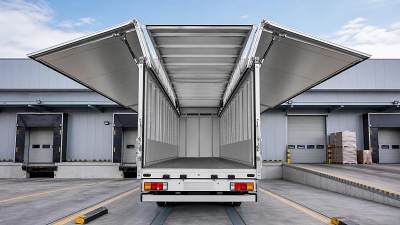
Truck wing loading problems rarely begin at the moment of failure. They usually build up through repeated small mistakes in loading rhythm, hardware checks, and route planning.
When a truck wing system sticks, sags, or closes out of alignment, the result is immediate. Deliveries slow down, cargo handling becomes unsafe, and downtime spreads into the next trip.
In road transport equipment, that matters even more because operating conditions vary sharply. A truck wing used in urban retail distribution faces different stress than one serving construction materials or long-haul pallet freight.
The practical question is not whether a truck wing is useful. The real question is how to keep the wing body loading system reliable under the actual loading pattern, cargo type, and maintenance discipline.
That is also why global sourcing decisions need context. On a specialized industry platform, comparing truck bodies, hinges, hydraulic parts, seals, and spare parts only makes sense when the loading scenario is clearly defined.
Why the same truck wing performs differently across operations
A truck wing loading setup does not fail for one universal reason. The weak point changes with loading frequency, dock conditions, cargo dimensions, and the way operators use side access.
In high-turnover routes, the wing opens and closes many times a day. Wear develops faster in hinges, gas struts, locks, and hydraulic supports. In lower-frequency routes, corrosion and neglected adjustment can become the bigger problem.
Weather also changes the picture. Dust, road salt, standing water, and temperature swings affect seal life, lubrication behavior, and panel alignment. A truck wing that works well in dry regional logistics may struggle in coastal or mining environments.
Another difference comes from loading infrastructure. Forklift access from both sides puts pressure on clearance control. Manual loading from uneven ground creates more accidental impact on side panels and locking points.
A quick comparison of scenario priorities
This kind of comparison helps avoid a common mistake. Similar truck wing bodies can look equivalent on paper while performing very differently in service.
High-frequency delivery routes expose small loading errors fast
In city and regional distribution, the truck wing is opened repeatedly within short intervals. That makes minor loading discipline issues visible much sooner than on occasional-use vehicles.
The usual problem is not extreme overload. It is repeated side loading, rushed pallet entry, and incomplete wing closure after the stop. Over time, hinge points loosen and locking tension becomes uneven.
In this setting, the best prevention method is simple but strict. Check alignment daily, confirm latch engagement on both sides, and inspect whether the truck wing closes evenly without manual forcing.
It also helps to review loading habits. If forklift drivers regularly enter at an angle, side panel damage is only a matter of time. A few centimeters of clearance error can create recurring downtime later.
What deserves attention in fast-turn operations
- Opening and closing cycle count per day, not just annual mileage.
- Lock wear around contact points and handle play.
- Panel edge damage caused by hurried docking or curbside loading.
- Signs that operators are compensating for poor alignment by extra force.
Warehouse loading looks controlled, but impact damage is more common
A warehouse environment appears easier because the ground is level and loading tools are standardized. In practice, truck wing loading problems still appear when throughput pressure is high.
The main risk here is impact rather than weather. Forklifts can strike the lower side frame, scrape inner surfaces, or load cargo too close to the wing path. The first warning often shows up as difficult closing.
Another overlooked point is uneven pallet placement. When cargo presses against one side during transport, the truck wing may open under distorted load conditions. That increases strain on supports and lock assemblies.
For this scenario, prevention depends on repeatable loading rules. Keep side clearance zones marked, define safe forklift approach angles, and inspect inner rub points where contact tends to occur first.
Construction, mining, and municipal work require a tougher judgment standard
In infrastructure or municipal transport, the truck wing is exposed to dirt, vibration, and uneven terrain. A wing body that performs well on paved logistics routes may lose alignment much faster on rough ground.
Dust intrusion is especially damaging because it affects seals, hinges, and sliding contact areas at the same time. Once lubrication mixes with abrasive material, wear accelerates and smooth opening becomes difficult.
This is the type of operation where a visual inspection alone is not enough. Frame twist, support bracket fatigue, and water ingress around seals should be checked on a schedule tied to site conditions.
More durable truck wing hardware may cost more initially, but in these environments the relevant comparison is service interval, replacement frequency, and the time needed to restore loading access.
Long-haul use changes the downtime equation
On long-distance routes, truck wing loading failures are often harder to recover from. The issue may appear far from the original service point, with limited spare parts and no time for detailed repair.
That changes the maintenance priority. Reliability depends less on daily supervision and more on preventive replacement, documented inspection intervals, and access to compatible components across regions.
For cross-border operations, it also helps to verify part standardization before selecting body hardware. A truck wing assembly with uncommon hinges or locking mechanisms can turn a small defect into a long stop.
This is where industry platforms become useful in a practical way. Comparing suppliers, spare parts support, and body component specifications across markets can reduce the risk of poor replacement compatibility later.
Common misjudgments that lead to repeated truck wing downtime
One frequent misjudgment is focusing only on panel size or load access width. Those features matter, but they say little about long-term truck wing reliability under real loading cycles.
Another mistake is treating all side-loading work as the same. Urban parcel distribution, beverage delivery, building materials transport, and municipal service routes create very different stress patterns.
Cost evaluation is often too narrow as well. A lower purchase price can become expensive when the truck wing needs frequent adjustment, replacement seals, or emergency repair during active transport schedules.
There is also a data gap in many operations. Without recording where loading failures happen, whether during opening, support hold, or closure, it becomes difficult to address the true cause.
Useful checks before problems become routine
- Track whether failures happen more often on one route type or loading site.
- Measure closure force changes over time instead of relying only on visual checks.
- Confirm spare part interchangeability before urgent replacement is needed.
- Review operator handling where panel damage repeats in the same position.
Practical ways to prevent truck wing loading problems
Prevention works best when it connects equipment checks with actual operating patterns. A truck wing maintenance routine should reflect how often the body opens, what cargo enters, and where impact is most likely.
A useful starting point is to split checks into daily, weekly, and scheduled service actions. Daily checks catch obvious alignment and latch issues. Weekly checks can cover lubrication, fastener looseness, and seal condition.
Scheduled service should go deeper. Inspect hinge wear, support integrity, hydraulic or assisted lifting behavior, frame deformation, and corrosion around mounting points. These are the areas that usually decide downtime risk.
Where multiple body and spare part options are available, compare them against route profile, climate exposure, loading frequency, and service support. That approach is more reliable than selecting by generic specifications alone.
The next step is to build a scenario-based inspection standard
Truck wing loading problems are manageable when the operating scenario is defined clearly. The same hardware can perform well or poorly depending on cycle count, ground conditions, cargo behavior, and maintenance response time.
A practical next step is to map each route or job type against its real loading conditions. Then set inspection points, replacement intervals, and spare part priorities around those conditions rather than broad assumptions.
For operations reviewing truck bodies, side loading systems, or replacement components across regions, it also helps to compare supplier support and technical data in one place. Better visibility usually leads to fewer compatibility mistakes.
The goal is straightforward: reduce avoidable truck wing downtime, keep loading access dependable, and make each equipment decision fit the route it actually serves.
Trending News
- How to choose an off road truck for steep and unstable job sites
- How to match crane truck lifting capacity to your jobsite loads
- What drives logging truck cost beyond the base purchase price?
- How to match lowbed trailer deck height to your hauling equipment
- What documents are needed to export a low bed trailer to Southeast Asia?
Tag
Recommended News
 FAQHow to spot early signs of truck hydraulic system failureTruck hydraulic system issues rarely start with total failure. Learn the early signs—pressure loss, noise, leaks, heat, and jerky movement—to prevent downtime and costly repairs.
 FAQHow to Diagnose Common Truck Steering System Problems Before They Cause DowntimeTruck steering system problems can cause costly downtime. Learn how to spot early warning signs, diagnose faults fast, and keep fleets safe and reliable.
 FAQTruck Air System Problems: Common Failure Points and FixesTruck air system problems can start with slow pressure build, leaks, or moisture. Learn common failure points, practical fixes, and how to improve truck uptime and safety.
 FAQExcavator Parts Failure Signs You Should Not IgnoreExcavator parts warning signs often start small. Learn how to spot wear, hydraulic weakness, overheating, and undercarriage damage early to reduce downtime and avoid costly shutdowns.
 FAQTruck Axle Failure Signs and Maintenance Checks That MatterTruck axle warning signs often start with heat, noise, leaks, or uneven tire wear. Learn the key maintenance checks that prevent costly downtime and unsafe failures.
 FAQTruck Wing Loading Problems and How to Prevent DowntimeTruck wing loading problems often start with small daily errors. Learn practical checks, route-based prevention tips, and smart maintenance steps to cut downtime and keep deliveries moving.
 FAQTruck Cement Delivery Problems: Common Causes and Practical FixesTruck cement delivery problems can cause blockages, delays, and waste. Learn the common causes, practical fixes, and smart checks to improve reliability and reduce downtime.
 FAQTruck Refrigerated Unit Failures That Increase Cargo Loss RiskTruck refrigerated failures can quietly raise cargo loss risk. Learn how route type, heat, airflow, seals, and parts planning affect cold-chain reliability.
 FAQTruck Transmission Problems: Early Signs, Causes, and Fix OptionsTruck transmission issues can start with subtle shifts, slipping, or heat buildup. Learn early signs, key causes, and practical repair or rebuild options for every duty cycle.
 FAQTruck Pump Troubleshooting: Common Pressure Loss Causes and FixesTruck pump troubleshooting guide: discover common pressure loss causes, warning signs, and practical fixes to restore hydraulic performance, reduce downtime, and prevent repeat failures.
 FAQHow to Evaluate a Truck Cement Supplier for Delivery RiskTruck cement supplier evaluation starts with delivery risk. Learn how to assess capacity, logistics control, export readiness, and on-time performance before you place an order.
 FAQExcavator Bucket Sizes Explained for Trenching, Loading, and Rock WorkExcavator bucket size affects trenching accuracy, loading speed, and rock work durability. Learn how to choose the right excavator bucket for better productivity and lower wear.
 FAQTruck Battery Problems: Signs, Causes, and FixesTruck battery problems can lead to breakdowns and costly delays. Learn the key warning signs, main causes, and practical fixes to keep heavy trucks reliable and on the road.
 FAQTipper Trailer Payload Limits and Safety RisksTipper trailer payload limits affect braking, stability, and rollover risk. Learn practical safety checks, load control tips, and ways to reduce costly overload damage.
 FAQHow to Qualify a Truck Tipper Supplier for Safety and Build ConsistencyTruck tipper supplier qualification starts with safety. Learn how to assess build consistency, hydraulic reliability, and factory controls to reduce sourcing risk.
 FAQHow to Read a Water Truck Quotation Without Missing Hidden CostsWater truck quotation guide: learn how to spot hidden costs in specs, freight, compliance, spare parts, and warranty so you can compare offers accurately and buy with confidence.
 FAQDelivery Truck Supplier for School Transportation: Safety ChecklistDelivery truck supplier for school transportation: use this safety checklist to compare compliance, braking, visibility, build quality, and supplier reliability before you buy.
 FAQHow ISO Certification Reduces Sourcing Risk in Truck Chassis SupplyHeavy truck chassis manufacturer with ISO certification: discover how certified suppliers reduce sourcing risk, improve traceability, and support safer global truck chassis procurement.
 FAQWater Sprinkler Truck Uses, Tank Sizes, and Road Safety BasicsWater sprinkler truck uses, tank sizes, and road safety basics explained. Learn how to choose the right capacity, improve dust control efficiency, and compare reliable fleet-ready options.
 FAQDelivery Truck for School Transportation: Safety Points Before OrderingDelivery truck supplier for school transportation: review key safety points before ordering, from braking and visibility to compliance and passenger protection.
 FAQDump Truck Sourcing Mistakes That Delay Construction ProjectsDump truck sourcing mistakes can delay construction projects, raise hidden costs, and disrupt site schedules. Learn the key risks to avoid and source smarter for faster, more reliable project delivery.
 FAQIs a Bulldozer for Construction the Right Fit for Your Site ConditionsBulldozer for construction: learn how terrain, soil, slope, and job size determine the right machine fit. Compare site conditions, avoid costly mismatches, and choose with confidence.
 FAQDump Truck OEM Quality Control Points Before Factory AcceptanceDump truck OEM quality control points before factory acceptance: learn the key checks for welding, hydraulics, brakes, and safety to reduce risk, avoid failures, and choose reliable suppliers.
 FAQTruck Trailer Bulk Order: How to Avoid Spec Drift Across BatchesTruck trailer bulk order quality can fail when specs drift across batches. Learn how to lock standards, align suppliers, and protect safety, compliance, and delivery consistency.
 FAQWhat a Dump Truck Distributor Should Offer After Vehicle DeliveryDump truck distributor support matters after delivery. Learn what to expect in spare parts, warranty, training, and technical service to reduce downtime and protect your investment.