Truck Pump Troubleshooting: Common Pressure Loss Causes and Fixes
Truck Pump Troubleshooting: Common Pressure Loss Causes and Fixes
When a truck pump starts losing pressure, even a small fault can trigger downtime, weak system response, and expensive follow-up damage.
In heavy-duty transport equipment, pressure stability is not just a performance issue. It directly affects safety, efficiency, and service life.
That is why truck pump troubleshooting should begin as soon as pressure loss appears, even if the symptom looks minor at first.
This guide explains the most common truck pump pressure loss causes, how to confirm them, and what fixes usually solve the problem.
The focus stays on practical checks that can speed up diagnosis and reduce repeat failures in real service conditions.
Why Pressure Loss Happens in a Truck Pump System
A truck pump depends on clean fluid, tight sealing, stable drive input, and correct internal clearances.
If one of those conditions changes, pressure drops quickly. In many cases, several small issues combine into one larger fault.
From recent field patterns, contamination and hidden leakage remain two of the most frequent starting points.
More obvious signs include slow actuation, overheating, noise, vibration, foaming oil, and unstable hydraulic output.
Typical early warning signs
- Pressure builds slowly during startup.
- The truck pump becomes louder than normal.
- Hydraulic functions feel weak under load.
- Oil temperature rises faster than expected.
- Pressure fluctuates instead of staying steady.
Most Common Truck Pump Pressure Loss Causes
Before replacing parts, isolate the real cause. A systematic check usually saves time and avoids unnecessary component changes.
1. Low hydraulic fluid level
Low fluid lets air enter the circuit. Once aeration starts, the truck pump cannot maintain stable output pressure.
Check the reservoir level with the system in the correct service condition. Then inspect for external leakage around hoses, fittings, and seals.
2. Clogged suction filter or blocked line
A restricted inlet starves the truck pump. This often causes cavitation, noise, and a clear drop in pressure under demand.
Inspect the suction strainer, filter condition, hose routing, and any collapsed line sections. Even partial blockage can create major pressure loss.
3. Internal wear inside the truck pump
Worn gears, vanes, pistons, or housings increase internal leakage. The truck pump may still rotate normally, but output pressure falls.
This is common in high-hour fleets, contaminated systems, or applications with frequent overload cycles.
4. Faulty pressure relief valve
If the relief valve sticks open or is set too low, system pressure bleeds off before reaching the required level.
This issue can look like truck pump failure, but the real problem sits in the control side of the hydraulic circuit.
5. Air entering the system
Air leaks often appear on the suction side, where oil may not leak out visibly. Instead, air gets pulled in.
Look for loose clamps, hardened seals, cracked hoses, and foamy fluid. These are strong clues during truck pump troubleshooting.
6. Drive system problems
A truck pump also loses performance when the PTO, coupling, shaft, or mounting alignment is compromised.
If drive speed drops or engagement slips, pressure output may fall even when the hydraulic section remains healthy.
Step-by-Step Truck Pump Troubleshooting Process
A structured process makes truck pump troubleshooting faster and more reliable. It also reduces the risk of missing linked faults.
- Confirm the complaint. Note pressure readings, load condition, oil temperature, and when the problem appears.
- Check fluid level and oil condition. Dark, burnt, or foamy fluid points to deeper system issues.
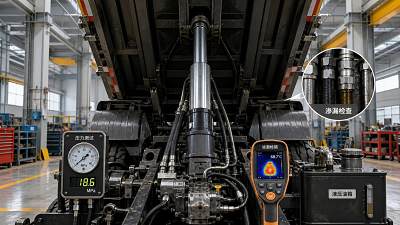
- Inspect external leakage, hose condition, loose fittings, and damaged seals.
- Test suction restrictions by checking filters, strainers, and line integrity.
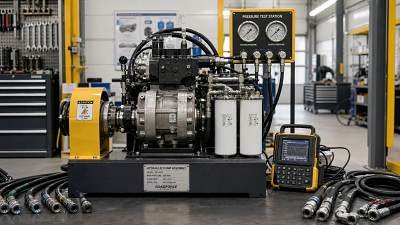
- Measure system pressure against specification at idle and under load.
- Evaluate the relief valve setting and response.
- Check PTO speed, shaft condition, and coupling engagement.
- If pressure remains low, inspect internal truck pump wear or bench-test the unit.
In practice, this order helps separate supply problems, control faults, and true truck pump mechanical failure.
How to Match Symptoms With the Right Fix
Not every pressure drop calls for a full truck pump replacement. Symptom-based diagnosis prevents over-repair.
Repair Tips That Reduce Repeat Truck Pump Failures
A successful repair is not only about restoring pressure today. It should also lower the chance of another failure next month.
- Replace contaminated oil if debris or water is present.
- Change filters after a truck pump failure, not only the pump itself.
- Flush lines when metal particles or seal fragments circulate in the system.
- Verify relief valve settings after any major hydraulic repair.
- Recheck pressure after warm-up, because some truck pump faults appear only at operating temperature.
- Record readings and replaced parts for future trend tracking.
This matters even more in fleets working in mining, construction, municipal service, and long-haul logistics, where duty cycles stay demanding.
When Replacement Is Better Than Repair
Sometimes repair is not the most cost-effective option. A badly worn truck pump may keep failing after temporary fixes.
Replacement makes more sense when housing wear is severe, efficiency is far below specification, or contamination has damaged multiple internal surfaces.
It also makes sense when downtime costs exceed the price difference between repair and a reliable replacement unit.
For sourcing decisions, access to verified suppliers, product comparisons, and application-specific parts data can shorten the selection process considerably.
How Reliable Supply Support Improves Truck Pump Maintenance
Pressure loss problems are easier to solve when technical teams can quickly identify the right truck pump, seal kit, valve, or replacement part.
That is where a specialized B2B industry platform adds practical value. It helps connect buyers with qualified manufacturers and component suppliers.
The Global Heavy Truck Industry Platform supports sourcing across truck chassis and cab systems, complete trucks, construction machinery, trailers, and spare parts.
For truck pump maintenance, this means faster supplier comparison, broader product visibility, and stronger confidence in cross-border purchasing decisions.
It also helps maintenance operations stay aligned with market trends, supplier capabilities, and replacement part availability worldwide.
Final Takeaway
Most truck pump pressure loss issues come back to a short list of causes: low fluid, suction restriction, air ingress, valve faults, drive problems, or internal wear.
The best results come from a clear troubleshooting sequence, accurate pressure testing, and repairs that address the root cause instead of the symptom.
When parts replacement is necessary, reliable sourcing support can reduce delays and improve long-term service outcomes.
Start with the basics, confirm each fault step by step, and every truck pump diagnosis becomes faster, cleaner, and more dependable.
Trending News
- How to load an excavator onto a lowbed trailer without tipping
- China’s New Energy Heavy Truck Sales Share Exceeds 50% in September 2026
- CATL Unveils Heavy-Truck Battery Range Extension, Signs Deals for 13,000 Vehicles
- CATL Unveils Tianxing II Electric-to-Electric Range-Extended Heavy Truck Solution
- How much torque does a truck engine need for heavy-duty hauling?
Tag
Recommended News
 FAQHow to spot early signs of truck hydraulic system failureTruck hydraulic system issues rarely start with total failure. Learn the early signs—pressure loss, noise, leaks, heat, and jerky movement—to prevent downtime and costly repairs.
 FAQHow to Diagnose Common Truck Steering System Problems Before They Cause DowntimeTruck steering system problems can cause costly downtime. Learn how to spot early warning signs, diagnose faults fast, and keep fleets safe and reliable.
 FAQTruck Air System Problems: Common Failure Points and FixesTruck air system problems can start with slow pressure build, leaks, or moisture. Learn common failure points, practical fixes, and how to improve truck uptime and safety.
 FAQExcavator Parts Failure Signs You Should Not IgnoreExcavator parts warning signs often start small. Learn how to spot wear, hydraulic weakness, overheating, and undercarriage damage early to reduce downtime and avoid costly shutdowns.
 FAQTruck Axle Failure Signs and Maintenance Checks That MatterTruck axle warning signs often start with heat, noise, leaks, or uneven tire wear. Learn the key maintenance checks that prevent costly downtime and unsafe failures.
 FAQTruck Wing Loading Problems and How to Prevent DowntimeTruck wing loading problems often start with small daily errors. Learn practical checks, route-based prevention tips, and smart maintenance steps to cut downtime and keep deliveries moving.
 FAQTruck Cement Delivery Problems: Common Causes and Practical FixesTruck cement delivery problems can cause blockages, delays, and waste. Learn the common causes, practical fixes, and smart checks to improve reliability and reduce downtime.
 FAQTruck Refrigerated Unit Failures That Increase Cargo Loss RiskTruck refrigerated failures can quietly raise cargo loss risk. Learn how route type, heat, airflow, seals, and parts planning affect cold-chain reliability.
 FAQTruck Transmission Problems: Early Signs, Causes, and Fix OptionsTruck transmission issues can start with subtle shifts, slipping, or heat buildup. Learn early signs, key causes, and practical repair or rebuild options for every duty cycle.
 FAQTruck Pump Troubleshooting: Common Pressure Loss Causes and FixesTruck pump troubleshooting guide: discover common pressure loss causes, warning signs, and practical fixes to restore hydraulic performance, reduce downtime, and prevent repeat failures.
 FAQHow to Evaluate a Truck Cement Supplier for Delivery RiskTruck cement supplier evaluation starts with delivery risk. Learn how to assess capacity, logistics control, export readiness, and on-time performance before you place an order.
 FAQExcavator Bucket Sizes Explained for Trenching, Loading, and Rock WorkExcavator bucket size affects trenching accuracy, loading speed, and rock work durability. Learn how to choose the right excavator bucket for better productivity and lower wear.
 FAQTruck Battery Problems: Signs, Causes, and FixesTruck battery problems can lead to breakdowns and costly delays. Learn the key warning signs, main causes, and practical fixes to keep heavy trucks reliable and on the road.
 FAQTipper Trailer Payload Limits and Safety RisksTipper trailer payload limits affect braking, stability, and rollover risk. Learn practical safety checks, load control tips, and ways to reduce costly overload damage.
 FAQHow to Qualify a Truck Tipper Supplier for Safety and Build ConsistencyTruck tipper supplier qualification starts with safety. Learn how to assess build consistency, hydraulic reliability, and factory controls to reduce sourcing risk.
 FAQHow to Read a Water Truck Quotation Without Missing Hidden CostsWater truck quotation guide: learn how to spot hidden costs in specs, freight, compliance, spare parts, and warranty so you can compare offers accurately and buy with confidence.
 FAQDelivery Truck Supplier for School Transportation: Safety ChecklistDelivery truck supplier for school transportation: use this safety checklist to compare compliance, braking, visibility, build quality, and supplier reliability before you buy.
 FAQHow ISO Certification Reduces Sourcing Risk in Truck Chassis SupplyHeavy truck chassis manufacturer with ISO certification: discover how certified suppliers reduce sourcing risk, improve traceability, and support safer global truck chassis procurement.
 FAQWater Sprinkler Truck Uses, Tank Sizes, and Road Safety BasicsWater sprinkler truck uses, tank sizes, and road safety basics explained. Learn how to choose the right capacity, improve dust control efficiency, and compare reliable fleet-ready options.
 FAQDelivery Truck for School Transportation: Safety Points Before OrderingDelivery truck supplier for school transportation: review key safety points before ordering, from braking and visibility to compliance and passenger protection.
 FAQDump Truck Sourcing Mistakes That Delay Construction ProjectsDump truck sourcing mistakes can delay construction projects, raise hidden costs, and disrupt site schedules. Learn the key risks to avoid and source smarter for faster, more reliable project delivery.
 FAQIs a Bulldozer for Construction the Right Fit for Your Site ConditionsBulldozer for construction: learn how terrain, soil, slope, and job size determine the right machine fit. Compare site conditions, avoid costly mismatches, and choose with confidence.
 FAQDump Truck OEM Quality Control Points Before Factory AcceptanceDump truck OEM quality control points before factory acceptance: learn the key checks for welding, hydraulics, brakes, and safety to reduce risk, avoid failures, and choose reliable suppliers.
 FAQTruck Trailer Bulk Order: How to Avoid Spec Drift Across BatchesTruck trailer bulk order quality can fail when specs drift across batches. Learn how to lock standards, align suppliers, and protect safety, compliance, and delivery consistency.
 FAQWhat a Dump Truck Distributor Should Offer After Vehicle DeliveryDump truck distributor support matters after delivery. Learn what to expect in spare parts, warranty, training, and technical service to reduce downtime and protect your investment.