Truck Brake System Basics: Components, Failure Risks, and Safety Checks
Why does the truck brake system deserve close attention?
A truck brake system is not just a maintenance item. It is a control system that directly affects stopping distance, vehicle stability, and legal compliance.
In heavy transport, brake performance shapes daily safety more than many visible components. A minor leak or adjustment issue can become a major road risk.
That is why brake basics matter in logistics fleets, construction transport, mining support vehicles, and municipal operations.
In practical terms, understanding the truck brake system helps reduce unplanned downtime, avoid premature parts failure, and support consistent inspection standards.
It also improves communication across the supply chain. When parts, service records, and technical data are easier to compare, brake decisions become more reliable.
This is one reason global industry platforms are becoming more useful. They connect brake component sourcing, supplier evaluation, and technical reference in one place.
What exactly is included in a truck brake system?
Most heavy trucks use an air brake layout. Some applications also combine hydraulic support systems, electronic control, or additional retarder functions.
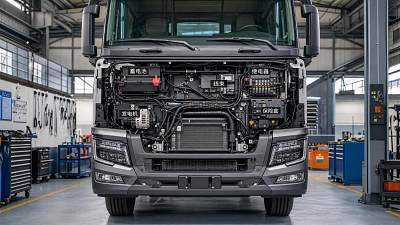
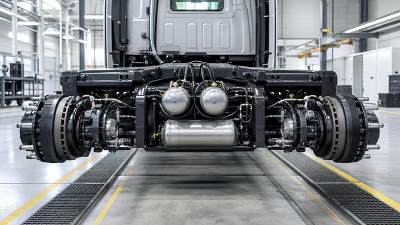
The truck brake system usually includes air generation, air storage, control, actuation, friction components, and monitoring devices.
A simple way to read it is from source to wheel end. Air is compressed, stored, controlled, then converted into braking force.
- Air compressor and governor: create and regulate system pressure.
- Air dryer and reservoirs: remove moisture and store usable compressed air.
- Brake pedal valve and relay valves: send pressure commands quickly.
- Brake chambers, slack adjusters, and cam mechanisms: convert pressure into movement.
- Drums or discs, pads or linings: create friction and slow the vehicle.
- ABS or EBS sensors and controllers: help manage wheel slip and braking balance.
Not every truck brake system has the same specification. Long-haul tractors, dump trucks, mixers, and trailers may use different chamber sizes, axle layouts, and control strategies.
That difference matters when checking compatibility. A part that fits one platform may still be wrong for load profile, brake torque, or electronic integration.
A quick reference table for core brake checks
When reviewing a truck brake system, the first question is often not “Is it new?” but “Is it functioning within a safe range?”
Where do truck brake system failures usually begin?
Brake failures rarely appear without warning. More often, the truck brake system degrades through small, ignored changes in pressure, wear, heat, or contamination.
Air leakage is one of the most common starting points. If the system loses pressure faster than expected, response time and parking brake reliability can suffer.
Moisture is another frequent problem. When the air dryer is overloaded or poorly maintained, water can corrode valves and freeze in cold conditions.
At the wheel end, wear is not always the real issue. Uneven wear is usually the better warning sign because it suggests misadjustment, dragging, or load imbalance.
Heat damage also deserves attention. Repeated downhill braking, overloaded operation, or poor driving habits can glaze linings and reduce friction efficiency.
Electronic faults are becoming more relevant as ABS and EBS systems spread across global fleets. A healthy mechanical brake can still perform poorly if sensor data is unreliable.
- Leaks around fittings, valves, or hoses often point to pressure instability.
- Oil contamination may indicate compressor issues.
- Brake pull to one side often suggests unequal force at axle level.
- Frequent lining replacement can reflect overheating, not just mileage.
In actual fleet review, the better approach is to track patterns, not isolated incidents. Recurring faults usually expose a root cause in maintenance routine or component selection.
How should routine truck brake system checks be organized?
A useful inspection process separates daily checks from periodic technical inspection. Mixing them often leads to missed details.
Daily observation should focus on visible condition and obvious performance changes. Periodic inspection should confirm measurements, adjustment, and wear against service limits.
Daily checks that catch early risks
- Listen for air leaks during pressure build and pedal application.
- Check warning lamps for ABS, EBS, or low air pressure.
- Observe pull, lag, noise, or vibration during braking.
- Review reservoir drain condition for water or oil traces.
Periodic checks that confirm system health
- Measure pushrod stroke and compare left to right.
- Inspect slack adjuster function and mounting security.
- Verify friction material thickness and drum or disc condition.
- Scan electronic faults and confirm sensor installation.
- Check hose routing, chamber corrosion, and valve response.
It is also wise to align inspection frequency with operating environment. Mining haul routes, mountain transport, and stop-start municipal service stress the truck brake system differently.
Where multi-brand fleets are involved, standardized checklists help. They reduce judgment gaps between teams and make supplier quality issues easier to spot.
When comparing parts or suppliers, what should be verified first?
Price is rarely the first brake decision that matters. Brake compatibility, certification, material quality, and traceability should come before cost comparison.
A truck brake system performs as a chain. If one low-grade component enters that chain, the whole system can become less predictable.
The more common mistake is buying by part appearance alone. Similar-looking chambers, valves, or pads may differ in pressure rating, friction behavior, or service life.
This is where structured sourcing helps. On a global heavy truck industry platform, technical catalogs, supplier profiles, and category comparisons make screening more efficient.
That does not replace engineering review, but it shortens the path to qualified options. It is especially useful when managing cross-border sourcing or mixed equipment fleets.
What mistakes cause avoidable brake risk?
One common mistake is treating the truck brake system as a wear-parts issue only. In reality, system balance matters as much as part condition.
Another mistake is replacing friction parts without checking the reason for abnormal wear. That may hide adjustment faults, axle imbalance, or driver braking habits.
Some teams also overlook air quality. Poor moisture control shortens the life of valves and chambers long before visible failure appears.
There is also a data gap problem. If inspections are recorded inconsistently, recurring truck brake system issues can look random when they are actually connected.
A more reliable method is to combine physical inspection with trend records, supplier documentation, and model-specific technical references.
For fleets and equipment managers working across regions, access to trusted industry information can support that process. Market directories, supplier comparisons, and technical buying guides help narrow uncertainty before procurement or replacement decisions.
So what is the practical next step?
A sound truck brake system program starts with clarity. Know the brake layout, define the critical inspection points, and document what normal performance looks like.
Then review where failures usually begin in your operating environment. A highway tractor, concrete mixer, and off-road tipper should not share the same assumptions.
If parts sourcing is involved, confirm fitment, traceability, and technical support before comparing price. Reliable supplier information saves more than emergency replacement does.
A truck brake system is safest when inspection, maintenance, and sourcing decisions support each other. That is the real baseline for safety, uptime, and compliance.
The practical move now is to refine your brake checklist, compare current parts data, and verify whether existing suppliers meet the technical standard your vehicles actually require.
Trending News
- CATL Unveils Tianxing II Electric-to-Electric Range-Extended Heavy Truck Solution
- How much torque does a truck engine need for heavy-duty hauling?
- How to assess a crane truck distributor's spare parts support
- Volvo Group Forms Volvo Mining to Integrate Equipment and Autonomous Solutions
- How to verify spare parts availability with a crane truck supplier
Tag
Recommended News
 Truck TechnologyHow to locate a truck exhaust system leak before replacing partsLocate a truck exhaust system leak before replacing parts. Learn how to spot soot trails, confirm leaks safely, and identify root causes to avoid costly guesswork and repeat repairs.
 Truck TechnologyDoes a cab chassis truck for fire department have enough frame capacity?Cab chassis truck for fire department: assess frame strength, axle loads, tank weight, stability and compliance for a safer, reliable fire apparatus build.
 Truck TechnologyWhen does a truck off road setup need locking differentials?Truck off road setups need locking differentials when uneven, low-grip terrain causes wheelspin. Learn how to choose the right axle locks for safer, reliable mobility.
 Truck TechnologyEPA Remote-Diagnostics Rules Take Effect for Diesel EnginesEPA Remote-Diagnostics Rules take effect for diesel engines sold in the U.S. Learn how OTA updates, real-time NOx reporting, and fault-code retention may impact compliance, OEM projects, and imports.
 Truck TechnologyCab Chassis Truck for Military Use: Key Specs That Affect Mission ReadinessCab chassis truck for military use: explore the key specs that drive mission readiness, off-road mobility, integration flexibility, and lifecycle support for smarter fleet decisions.
 Truck TechnologyBULLDOZER with GPS Tracking: What Improves on Remote Job SitesBULLDOZER with GPS tracking improves remote job sites with better visibility, reduced idle time, stronger fleet coordination, and smarter earthmoving decisions across harsh terrain.
 Truck TechnologyTruck Body Materials Compared: Steel, Aluminum, or Composite?Truck body material comparison made practical: explore steel, aluminum, and composite options for payload, durability, corrosion resistance, and lifecycle cost.
 Truck TechnologyBest Cab Chassis Truck Setups for Municipal Engineering TasksCab chassis truck for municipal engineering: compare the best setups for sanitation, tanker, utility, and dump tasks to improve uptime, safety, and long-term fleet value.
 Truck TechnologyTruck Electrical System Faults: Common Causes and Fast ChecksTruck electrical system faults can cause no-starts, dim lights, and costly downtime. Learn common causes, fast checks, and practical steps to diagnose issues quickly.
 Truck TechnologyASEAN-ICV Opens Mutual Access for Connected Heavy VehiclesASEAN-ICV opens mutual access for connected heavy vehicles, cutting duplicate V2X testing across Thailand, Vietnam, Indonesia, and Malaysia. See what it means for exports, compliance, and fleet delivery.
![]() Truck TechnologyTruck Concrete Mixer Basics: Capacity, Drum Type, and Jobsite FitTruck concrete mixer basics explained: compare capacity, drum type, and jobsite fit to improve pour efficiency, cut delays, and choose the right mixer truck with confidence.
Truck TechnologyTruck Concrete Mixer Basics: Capacity, Drum Type, and Jobsite FitTruck concrete mixer basics explained: compare capacity, drum type, and jobsite fit to improve pour efficiency, cut delays, and choose the right mixer truck with confidence. Truck TechnologyBrazil Requires Dual-Mode Tracking on Imported Heavy TrucksBrazil requires dual-mode tracking on imported heavy trucks. Learn how BeiDou+GPS, SISFROTA, and ABNT NBR 16501:2025 rules affect licensing, compliance, and market access.
 Truck TechnologyWater Truck OEM Options: Tank Size, Pump Output, and Road ConditionsWater truck OEM selection starts with the right match of tank size, pump output, and road conditions. Learn how to compare specs, improve uptime, and choose a fleet-ready solution.
 Truck TechnologyChile Requires Remote Diagnostics on Imported Heavy TrucksChile Requires Remote Diagnostics on Imported Heavy Trucks: learn how NCh3871:2026, OTA, ISO 22161, and VHMP rules will impact truck imports, registration, and fleet planning.
 Truck TechnologyHow to Compare Logging Truck OEM Specs for Drivetrain and Load StabilityLogging truck OEM specs compared the right way: learn how to evaluate drivetrain torque, axle ratios, suspension, and load stability for safer forestry hauling.
 Truck TechnologyIndia Drafts BS-VI Phase II Remote OBD Upload RuleIndia Drafts BS-VI Phase II Remote OBD Upload Rule: learn how India’s new real-time OBD upload proposal could impact truck exporters, T-Box upgrades, certification timelines, and market access.
 Truck TechnologyMilitary Truck Payload vs Mobility: What Matters in Harsh TerrainMilitary truck performance in harsh terrain depends on more than payload. Discover how mobility, traction, axle load, and suspension affect real-world mission success.
 Truck TechnologyLogging Truck OEM Options: Key Specs for Harsh Forestry RoutesLogging truck OEM options for forestry routes: compare axle layouts, frame strength, traction, braking, and service support to choose a durable, high-uptime truck.
 Truck TechnologyVietnam to Require VCA Checks for Imported Heavy TrucksVietnam to Require VCA Checks for Imported Heavy Trucks from August 1, 2026. Learn how VCA testing, CAN, HVIL, and OBD-II rules could impact truck exports, certification, and delivery planning.
 Truck TechnologyMexico Enforces CAN FD Rule for Imported TrucksMexico Enforces CAN FD Rule for Imported Trucks: learn how NOM-042-SEMARNAT-2026 impacts OBD-II+, ANCE verification, ECU strategy, and Mexico-bound truck compliance.
 Truck TechnologyBrazil ANP Rule Requires H₂ Leak Sensors on Imported Gas TractorsBrazil ANP rule requires H₂ leak sensors on imported gas tractors from Oct 1, 2026. Learn the compliance impact, IEC 60079-29-1 standard, and what exporters must do now.
 Truck TechnologyTruck Brake System Basics: Components, Failure Risks, and Safety ChecksTruck brake system basics explained: key components, common failure risks, and practical safety checks to improve fleet uptime, compliance, and road safety.
 Truck TechnologySupply Chain Expo Opens With Focus on Heavy Truck Core SystemsHeavy truck core systems take center stage at the Supply Chain Expo, spotlighting battery systems, electric drive axles, and by-wire technologies shaping export opportunities.
 Truck TechnologyTruck Control Unit Failures: Common Symptoms and Fix StrategiesTruck control unit failures often start with small warning signs. Learn key symptoms, root causes, and smart repair strategies to cut downtime and avoid costly misdiagnosis.
 Truck TechnologyEU V2X Rule Sets 2027 Deadline for New Heavy Truck ApprovalEU V2X Rule Sets 2027 Deadline for New Heavy Truck Approval: learn how ETSI EN 302 637-2 and UN R155 reshape EU truck compliance, certification, sourcing, and export planning.