Best Cab Chassis Truck Setups for Municipal Engineering Tasks
Best Cab Chassis Truck Setups for Municipal Engineering Tasks
Choosing the right cab chassis truck for municipal engineering can shape uptime, safety, and total fleet cost.
In practice, the best setup goes far beyond engine output or rated payload.
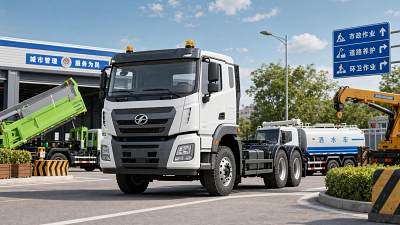
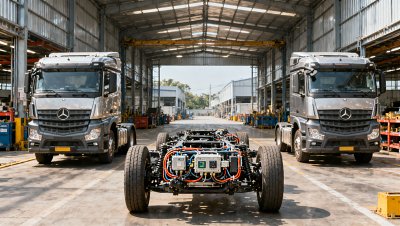
A strong cab chassis truck for municipal engineering must match body equipment, route conditions, seasonal workloads, and maintenance capacity.
That is why technical selection usually starts with the task, not the brochure.
Municipal fleets often cover sanitation, road repair, drainage work, utility service, and public space maintenance.
Each duty cycle asks for a different balance of wheelbase, axle capacity, PTO readiness, turning radius, and frame strength.
This guide reviews practical cab chassis truck for municipal engineering configurations that support reliable daily operation.
What Municipal Engineering Fleets Usually Need First
Before choosing a model, define the core operating profile.
A cab chassis truck for municipal engineering may run short urban cycles, idle often, and stop hundreds of times each shift.
That pattern creates very different stress compared with long-haul transport.
- Tight turning for dense streets and older districts
- Stable low-speed control with mounted equipment
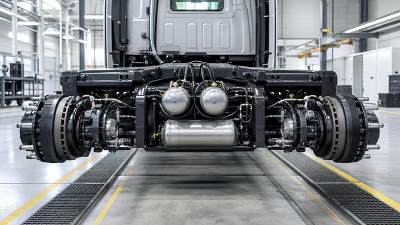
- Durable frame rails for repeated body loading
- Easy PTO integration for pumps, compactors, or cranes
- Simple service access for high-utilization fleets
- Cab comfort for crews entering and exiting all day
More importantly, municipal operations rarely use one universal truck setup.
The most effective procurement plans usually build several fit-for-purpose specifications around one service platform.
Recommended Cab Chassis Truck for Municipal Engineering by Task
1. Sanitation and Refuse Collection
For waste collection, the ideal cab chassis truck for municipal engineering needs excellent maneuverability and strong rear axle support.
A 4x2 or compact 6x4 layout often works well, depending on body volume and route density.
Short to medium wheelbase improves urban access.
Automatic or automated manual transmission can reduce driver fatigue during stop-and-go work.
- Engine range: about 220 to 320 hp
- Transmission: AMT or automatic for dense city cycles
- PTO: mandatory for compactor operation
- Cab: low-entry or frequent-access design if available
- Suspension: rear heavy-duty support for body weight shifts
The key risk here is underestimating body-induced axle loading.
That mistake can shorten tire life, increase brake wear, and push the truck outside legal limits.
2. Water Tanker and Street Cleaning
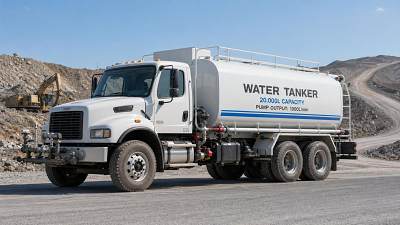
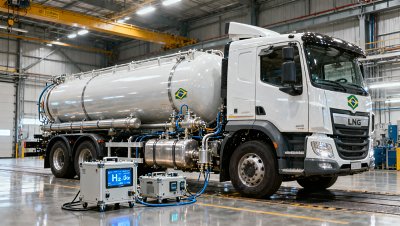
Street washing and dust suppression require a cab chassis truck for municipal engineering with stable tank integration and dependable PTO output.
Water movement changes the handling profile, especially during braking and cornering.
That makes chassis balance and baffle-compatible tank design especially important.
- Preferred layout: 4x2 for compact routes, 6x4 for larger tanks
- Medium wheelbase for balance between volume and agility
- PTO and pump compatibility checked early
- Corrosion protection for wet operating conditions
- ABS and stability features strongly recommended
If the truck also supports winter de-icing, material compatibility becomes another buying point.
Salt exposure can accelerate corrosion across tanks, brackets, wiring, and frame surfaces.
3. Utility Maintenance and Service Crane Work
Utility departments often need a cab chassis truck for municipal engineering that supports cranes, tool cabinets, and crew equipment.
This setup usually favors a medium-duty or heavy-duty platform with reinforced frame sections.
Outrigger loads and uneven roadside positioning create concentrated stress.
- Layout: 4x2 or 6x4 based on crane size
- Cab: regular or crew cab depending on field team size
- Frame: reinforcement ready for crane subframe
- Electrical system: extra capacity for lights and tools
- Ground clearance: enough for mixed road and shoulder conditions
In this segment, body builder coordination should happen before chassis approval.
Otherwise, mounting conflicts can force redesign, delay delivery, or compromise load distribution.
4. Road Repair, Dump, and Material Transport
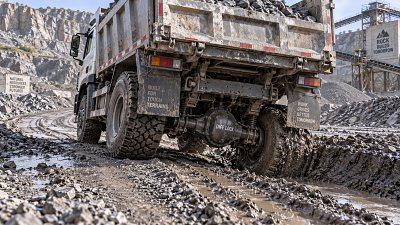
For asphalt patching, debris removal, and aggregate hauling, a cab chassis truck for municipal engineering needs stronger payload endurance.
These applications usually call for a 6x4 configuration with robust suspension and reliable traction.
A steel dump body increases durability for rough loading cycles.
- Engine range: about 280 to 400 hp
- Rear suspension: heavy-duty for repeated load shifts
- Frame thickness: selected around legal payload and body weight
- Tires: suited for mixed pavement and construction surfaces
- Hydraulics: stable tipping performance under daily cycling
Here, fuel economy still matters, but downtime matters more.
A lower-cost chassis can become expensive fast if the frame, clutch, or suspension is underspecified.
How to Compare Key Specifications Without Missing Hidden Costs
When reviewing a cab chassis truck for municipal engineering, look at the complete operating package.
Purchase price alone rarely predicts long-term value.
From a practical standpoint, local service coverage should carry real weight in final scoring.
A capable cab chassis truck for municipal engineering is only as useful as its support network.
Common Procurement Mistakes in Municipal Truck Selection
Several issues appear repeatedly during technical reviews.
- Selecting horsepower first, while ignoring PTO and body integration needs.
- Using generic wheelbase specifications across very different tasks.
- Underestimating corrosion protection in wet, salted, or chemical exposure environments.
- Overlooking cab ergonomics for multi-stop crews.
- Comparing trucks without lifecycle cost, uptime history, or supplier responsiveness.
These gaps can distort the decision, even when the paper specification looks acceptable.
A better method is to match each cab chassis truck for municipal engineering against actual route and equipment data.
A Smarter Selection Approach for Long-Term Fleet Value
The strongest municipal truck decisions usually come from structured comparison, not brand familiarity alone.
Start with the intended body, route density, daily load pattern, and seasonal workload changes.
Then shortlist each cab chassis truck for municipal engineering by these factors:
- Body compatibility and mounting readiness
- Legal payload after final upfit
- Urban maneuverability and driver visibility
- Service interval, parts access, and dealer support
- Corrosion resistance and frame durability
- Total operating cost over the planned lifecycle
For global sourcing teams, supplier transparency also matters.
A reliable industry platform helps buyers compare truck chassis, complete trucks, and supporting components with better speed and clarity.
That is especially useful when one procurement program includes sanitation vehicles, utility units, and construction support trucks.
In the end, the best cab chassis truck for municipal engineering is the one that fits the task, supports the body, and stays productive for years.
A careful, application-led evaluation will usually deliver better fleet performance than chasing the lowest purchase price.
Trending News
- How to verify spare parts availability with a crane truck supplier
- How to verify a truck trailer OEM's claimed payload capacity
- How does operating weight affect the price of a new excavator?
- How to compare concrete mixer truck suppliers by total landed cost
- How axle load limits affect low bed trailer exports to Southeast Asia
Tag
Recommended News
 Truck TechnologyHow to locate a truck exhaust system leak before replacing partsLocate a truck exhaust system leak before replacing parts. Learn how to spot soot trails, confirm leaks safely, and identify root causes to avoid costly guesswork and repeat repairs.
 Truck TechnologyDoes a cab chassis truck for fire department have enough frame capacity?Cab chassis truck for fire department: assess frame strength, axle loads, tank weight, stability and compliance for a safer, reliable fire apparatus build.
 Truck TechnologyWhen does a truck off road setup need locking differentials?Truck off road setups need locking differentials when uneven, low-grip terrain causes wheelspin. Learn how to choose the right axle locks for safer, reliable mobility.
 Truck TechnologyEPA Remote-Diagnostics Rules Take Effect for Diesel EnginesEPA Remote-Diagnostics Rules take effect for diesel engines sold in the U.S. Learn how OTA updates, real-time NOx reporting, and fault-code retention may impact compliance, OEM projects, and imports.
 Truck TechnologyCab Chassis Truck for Military Use: Key Specs That Affect Mission ReadinessCab chassis truck for military use: explore the key specs that drive mission readiness, off-road mobility, integration flexibility, and lifecycle support for smarter fleet decisions.
 Truck TechnologyBULLDOZER with GPS Tracking: What Improves on Remote Job SitesBULLDOZER with GPS tracking improves remote job sites with better visibility, reduced idle time, stronger fleet coordination, and smarter earthmoving decisions across harsh terrain.
 Truck TechnologyTruck Body Materials Compared: Steel, Aluminum, or Composite?Truck body material comparison made practical: explore steel, aluminum, and composite options for payload, durability, corrosion resistance, and lifecycle cost.
 Truck TechnologyBest Cab Chassis Truck Setups for Municipal Engineering TasksCab chassis truck for municipal engineering: compare the best setups for sanitation, tanker, utility, and dump tasks to improve uptime, safety, and long-term fleet value.
 Truck TechnologyTruck Electrical System Faults: Common Causes and Fast ChecksTruck electrical system faults can cause no-starts, dim lights, and costly downtime. Learn common causes, fast checks, and practical steps to diagnose issues quickly.
 Truck TechnologyASEAN-ICV Opens Mutual Access for Connected Heavy VehiclesASEAN-ICV opens mutual access for connected heavy vehicles, cutting duplicate V2X testing across Thailand, Vietnam, Indonesia, and Malaysia. See what it means for exports, compliance, and fleet delivery.
![]() Truck TechnologyTruck Concrete Mixer Basics: Capacity, Drum Type, and Jobsite FitTruck concrete mixer basics explained: compare capacity, drum type, and jobsite fit to improve pour efficiency, cut delays, and choose the right mixer truck with confidence.
Truck TechnologyTruck Concrete Mixer Basics: Capacity, Drum Type, and Jobsite FitTruck concrete mixer basics explained: compare capacity, drum type, and jobsite fit to improve pour efficiency, cut delays, and choose the right mixer truck with confidence. Truck TechnologyBrazil Requires Dual-Mode Tracking on Imported Heavy TrucksBrazil requires dual-mode tracking on imported heavy trucks. Learn how BeiDou+GPS, SISFROTA, and ABNT NBR 16501:2025 rules affect licensing, compliance, and market access.
 Truck TechnologyWater Truck OEM Options: Tank Size, Pump Output, and Road ConditionsWater truck OEM selection starts with the right match of tank size, pump output, and road conditions. Learn how to compare specs, improve uptime, and choose a fleet-ready solution.
 Truck TechnologyChile Requires Remote Diagnostics on Imported Heavy TrucksChile Requires Remote Diagnostics on Imported Heavy Trucks: learn how NCh3871:2026, OTA, ISO 22161, and VHMP rules will impact truck imports, registration, and fleet planning.
 Truck TechnologyHow to Compare Logging Truck OEM Specs for Drivetrain and Load StabilityLogging truck OEM specs compared the right way: learn how to evaluate drivetrain torque, axle ratios, suspension, and load stability for safer forestry hauling.
 Truck TechnologyIndia Drafts BS-VI Phase II Remote OBD Upload RuleIndia Drafts BS-VI Phase II Remote OBD Upload Rule: learn how India’s new real-time OBD upload proposal could impact truck exporters, T-Box upgrades, certification timelines, and market access.
 Truck TechnologyMilitary Truck Payload vs Mobility: What Matters in Harsh TerrainMilitary truck performance in harsh terrain depends on more than payload. Discover how mobility, traction, axle load, and suspension affect real-world mission success.
 Truck TechnologyLogging Truck OEM Options: Key Specs for Harsh Forestry RoutesLogging truck OEM options for forestry routes: compare axle layouts, frame strength, traction, braking, and service support to choose a durable, high-uptime truck.
 Truck TechnologyVietnam to Require VCA Checks for Imported Heavy TrucksVietnam to Require VCA Checks for Imported Heavy Trucks from August 1, 2026. Learn how VCA testing, CAN, HVIL, and OBD-II rules could impact truck exports, certification, and delivery planning.
 Truck TechnologyMexico Enforces CAN FD Rule for Imported TrucksMexico Enforces CAN FD Rule for Imported Trucks: learn how NOM-042-SEMARNAT-2026 impacts OBD-II+, ANCE verification, ECU strategy, and Mexico-bound truck compliance.
 Truck TechnologyBrazil ANP Rule Requires H₂ Leak Sensors on Imported Gas TractorsBrazil ANP rule requires H₂ leak sensors on imported gas tractors from Oct 1, 2026. Learn the compliance impact, IEC 60079-29-1 standard, and what exporters must do now.
 Truck TechnologyTruck Brake System Basics: Components, Failure Risks, and Safety ChecksTruck brake system basics explained: key components, common failure risks, and practical safety checks to improve fleet uptime, compliance, and road safety.
 Truck TechnologySupply Chain Expo Opens With Focus on Heavy Truck Core SystemsHeavy truck core systems take center stage at the Supply Chain Expo, spotlighting battery systems, electric drive axles, and by-wire technologies shaping export opportunities.
 Truck TechnologyTruck Control Unit Failures: Common Symptoms and Fix StrategiesTruck control unit failures often start with small warning signs. Learn key symptoms, root causes, and smart repair strategies to cut downtime and avoid costly misdiagnosis.
 Truck TechnologyEU V2X Rule Sets 2027 Deadline for New Heavy Truck ApprovalEU V2X Rule Sets 2027 Deadline for New Heavy Truck Approval: learn how ETSI EN 302 637-2 and UN R155 reshape EU truck compliance, certification, sourcing, and export planning.