Truck Control Unit Failures: Common Symptoms and Fix Strategies
Truck control unit trouble rarely starts with one big failure
A failing truck control unit usually shows small warning signs before it causes a no-start, limp mode, or repeated downtime.
In heavy truck service, those early signs matter because electronic faults often spread into fuel, transmission, brake, or aftertreatment complaints.
That is why this issue gets so much attention across global logistics, construction transport, and industrial fleet operations.
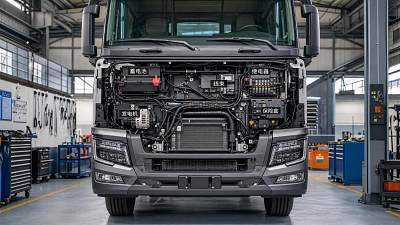
A truck control unit is not just a box with software. It is the decision center that receives signals, compares values, and commands key systems.
When the unit becomes unstable, the truck may still run, but behavior becomes inconsistent and diagnosis takes longer.
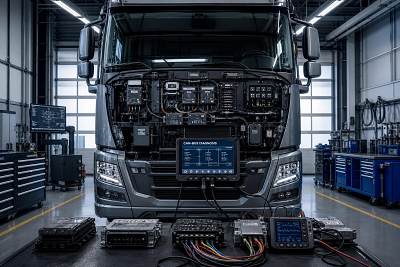
In real workshop conditions, the challenge is separating a bad truck control unit from wiring faults, low voltage, sensor drift, or connector corrosion.
The most practical approach is to read symptoms in context, verify root cause, and avoid replacing expensive parts too early.
What does a failing truck control unit usually look like on the vehicle?
The first clue is often inconsistency. The truck may start normally in the morning, then lose response after warming up.
Another common pattern is multiple unrelated fault codes appearing at the same time.
If the codes affect several systems, the truck control unit or its power supply becomes a serious suspect.
Typical symptoms include rough idling, poor throttle response, intermittent stalling, failed communication with diagnostic tools, and random warning lamps.
On some heavy-duty platforms, shifting quality also changes because networked modules stop sharing stable data.
Needle movement on the cluster can become erratic as well, especially during voltage drops.
- Repeated CAN communication loss without a clear harness break
- Engine derate with no confirmed mechanical restriction
- Aftertreatment faults returning immediately after clearing
- Unstable sensor readings that disappear when back-probed directly
- Hot-soak restart problems that do not match fuel pressure results
A useful rule is this: if symptoms move across systems, do not limit the check to one component.
The truck control unit may be failing internally, or it may be reacting to poor electrical conditions around it.
Is it really the truck control unit, or something around it?
This is where many repairs go wrong. A truck control unit is blamed because the fault pattern looks complex.
More often, the real cause is unstable voltage, bad grounds, water ingress, damaged pins, or harness resistance under load.
Before replacing the module, check the basics under operating conditions, not only with key-on tests.
Voltage supply should stay stable during crank, idle, high electrical load, and vibration.
Ground circuit quality matters just as much as battery voltage.
The table below helps separate common truck control unit failure signs from external causes.
In practice, confirmation usually comes from pattern matching, electrical testing, and a clean review of freeze-frame data.
If evidence points to the module, document every test result before removal.
Which root causes damage a truck control unit most often?
Heat, vibration, moisture, and poor voltage quality are the main drivers.
Heavy trucks operate in harsher environments than many electronic systems were originally designed to tolerate continuously.
In mining routes, municipal work, and long-haul logistics, repeated shock and contamination are common.
A truck control unit mounted near heat sources can develop internal stress over time.
Water intrusion is equally destructive, especially when connector seals have aged or prior repairs were not sealed correctly.
Another overlooked factor is jump-start damage or charging system instability.
Voltage spikes may not kill the module immediately, but they shorten its service life.
- Alternator overcharging that stresses internal circuits
- Battery disconnect events during programming
- Connector contamination from oil, coolant, or road salt
- Poor mounting that transfers excess vibration into the module case
When sourcing replacement parts, it helps to compare environmental protection, supplier traceability, and software support, not just price.
This is where a global industry platform can be useful.
Access to supplier directories, technical resources, and cross-border component options makes it easier to verify compatibility and avoid low-grade substitutions.
What is the smartest repair strategy when symptoms are already affecting uptime?
The fastest repair is not always the best repair. Swapping the truck control unit first can restore operation, but it can also hide the original cause.
A better strategy is to move in stages and protect both time and parts cost.
- Capture fault codes, event history, and live data before disconnecting anything.
- Test battery condition, charging voltage, and loaded grounds.
- Inspect connectors for spread terminals, water marks, or green corrosion.
- Verify network health and reference voltage stability.
- Only then decide whether the truck control unit needs repair, replacement, or reprogramming.
Reprogramming is worth considering when symptoms begin after software updates, battery events, or intermittent memory-related faults.
Physical replacement is more likely when the module loses communication, overheats, or fails repeatedly after power and harness checks pass.
Some units can be bench-tested, but on-vehicle verification remains essential because vibration and heat often trigger the real problem.
Where sourcing speed matters, using a marketplace with verified heavy truck categories, spare parts data, and supplier comparison tools can shorten downtime planning.
What mistakes make truck control unit repairs expensive?
The most expensive mistake is replacing the truck control unit without proving clean power and ground integrity.
If voltage instability remains, the replacement unit may fail again or show the same symptoms immediately.
Another mistake is ignoring software version and calibration match.
Even a correct hardware part can create drivability issues if coding, immobilizer data, or emissions parameters are incomplete.
There is also a common workshop habit of clearing codes too early.
That removes useful evidence and makes a pattern-based diagnosis harder.
- Do not skip harness movement tests on intermittent faults
- Do not judge only by one stored code description
- Do not install used modules without confirming software unlock requirements
- Do not overlook cooling, mounting, and sealing after replacement
A sound repair includes the surrounding conditions that allowed the fault to happen in the first place.
How should you evaluate replacement options and long-term prevention?
Choosing a replacement truck control unit is not only about part number match.
It also involves software support, warranty clarity, connector quality, environmental sealing, and supplier responsiveness.
For fleets and service networks dealing with mixed truck brands, global sourcing visibility is increasingly important.
A specialized heavy truck platform can help compare suppliers, check product categories, and review supporting industry information before ordering.
That matters when the truck must return to logistics service, site transport, or construction duty quickly.
For prevention, focus on routine electrical health and environmental protection.
- Track charging voltage trends during regular service intervals
- Inspect module connectors whenever nearby repairs are performed
- Secure harness routing away from rub points and heat sources
- Keep software records for each truck after programming events
- Use sealing and mounting hardware that matches the original design
These habits reduce repeat failures and make future diagnosis faster.
In short, truck control unit faults should be approached as system faults, not isolated parts failures.
The next smart step is to build a simple check standard for power, network, connectors, software, and sourcing quality.
That gives every repair a clearer path, lowers downtime risk, and improves confidence when selecting the right replacement strategy.
Trending News
- How to verify spare parts availability with a crane truck supplier
- How to verify a truck trailer OEM's claimed payload capacity
- How does operating weight affect the price of a new excavator?
- How to compare concrete mixer truck suppliers by total landed cost
- How axle load limits affect low bed trailer exports to Southeast Asia
Tag
Recommended News
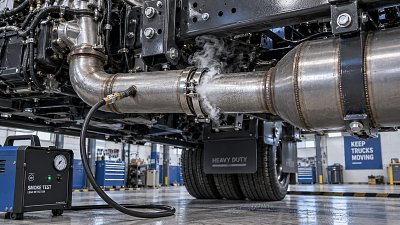
 Truck TechnologyHow to locate a truck exhaust system leak before replacing partsLocate a truck exhaust system leak before replacing parts. Learn how to spot soot trails, confirm leaks safely, and identify root causes to avoid costly guesswork and repeat repairs.
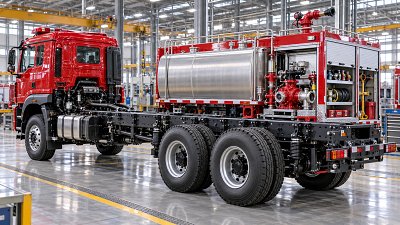
 Truck TechnologyDoes a cab chassis truck for fire department have enough frame capacity?Cab chassis truck for fire department: assess frame strength, axle loads, tank weight, stability and compliance for a safer, reliable fire apparatus build.
 Truck TechnologyWhen does a truck off road setup need locking differentials?Truck off road setups need locking differentials when uneven, low-grip terrain causes wheelspin. Learn how to choose the right axle locks for safer, reliable mobility.
 Truck TechnologyEPA Remote-Diagnostics Rules Take Effect for Diesel EnginesEPA Remote-Diagnostics Rules take effect for diesel engines sold in the U.S. Learn how OTA updates, real-time NOx reporting, and fault-code retention may impact compliance, OEM projects, and imports.
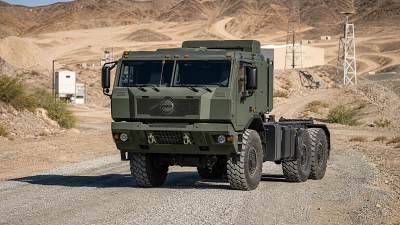
 Truck TechnologyCab Chassis Truck for Military Use: Key Specs That Affect Mission ReadinessCab chassis truck for military use: explore the key specs that drive mission readiness, off-road mobility, integration flexibility, and lifecycle support for smarter fleet decisions.
 Truck TechnologyBULLDOZER with GPS Tracking: What Improves on Remote Job SitesBULLDOZER with GPS tracking improves remote job sites with better visibility, reduced idle time, stronger fleet coordination, and smarter earthmoving decisions across harsh terrain.
 Truck TechnologyTruck Body Materials Compared: Steel, Aluminum, or Composite?Truck body material comparison made practical: explore steel, aluminum, and composite options for payload, durability, corrosion resistance, and lifecycle cost.
 Truck TechnologyBest Cab Chassis Truck Setups for Municipal Engineering TasksCab chassis truck for municipal engineering: compare the best setups for sanitation, tanker, utility, and dump tasks to improve uptime, safety, and long-term fleet value.
 Truck TechnologyTruck Electrical System Faults: Common Causes and Fast ChecksTruck electrical system faults can cause no-starts, dim lights, and costly downtime. Learn common causes, fast checks, and practical steps to diagnose issues quickly.
 Truck TechnologyASEAN-ICV Opens Mutual Access for Connected Heavy VehiclesASEAN-ICV opens mutual access for connected heavy vehicles, cutting duplicate V2X testing across Thailand, Vietnam, Indonesia, and Malaysia. See what it means for exports, compliance, and fleet delivery.
![]() Truck TechnologyTruck Concrete Mixer Basics: Capacity, Drum Type, and Jobsite FitTruck concrete mixer basics explained: compare capacity, drum type, and jobsite fit to improve pour efficiency, cut delays, and choose the right mixer truck with confidence.
Truck TechnologyTruck Concrete Mixer Basics: Capacity, Drum Type, and Jobsite FitTruck concrete mixer basics explained: compare capacity, drum type, and jobsite fit to improve pour efficiency, cut delays, and choose the right mixer truck with confidence. Truck TechnologyBrazil Requires Dual-Mode Tracking on Imported Heavy TrucksBrazil requires dual-mode tracking on imported heavy trucks. Learn how BeiDou+GPS, SISFROTA, and ABNT NBR 16501:2025 rules affect licensing, compliance, and market access.
 Truck TechnologyWater Truck OEM Options: Tank Size, Pump Output, and Road ConditionsWater truck OEM selection starts with the right match of tank size, pump output, and road conditions. Learn how to compare specs, improve uptime, and choose a fleet-ready solution.
 Truck TechnologyChile Requires Remote Diagnostics on Imported Heavy TrucksChile Requires Remote Diagnostics on Imported Heavy Trucks: learn how NCh3871:2026, OTA, ISO 22161, and VHMP rules will impact truck imports, registration, and fleet planning.
 Truck TechnologyHow to Compare Logging Truck OEM Specs for Drivetrain and Load StabilityLogging truck OEM specs compared the right way: learn how to evaluate drivetrain torque, axle ratios, suspension, and load stability for safer forestry hauling.
 Truck TechnologyIndia Drafts BS-VI Phase II Remote OBD Upload RuleIndia Drafts BS-VI Phase II Remote OBD Upload Rule: learn how India’s new real-time OBD upload proposal could impact truck exporters, T-Box upgrades, certification timelines, and market access.
 Truck TechnologyMilitary Truck Payload vs Mobility: What Matters in Harsh TerrainMilitary truck performance in harsh terrain depends on more than payload. Discover how mobility, traction, axle load, and suspension affect real-world mission success.
 Truck TechnologyLogging Truck OEM Options: Key Specs for Harsh Forestry RoutesLogging truck OEM options for forestry routes: compare axle layouts, frame strength, traction, braking, and service support to choose a durable, high-uptime truck.
 Truck TechnologyVietnam to Require VCA Checks for Imported Heavy TrucksVietnam to Require VCA Checks for Imported Heavy Trucks from August 1, 2026. Learn how VCA testing, CAN, HVIL, and OBD-II rules could impact truck exports, certification, and delivery planning.
 Truck TechnologyMexico Enforces CAN FD Rule for Imported TrucksMexico Enforces CAN FD Rule for Imported Trucks: learn how NOM-042-SEMARNAT-2026 impacts OBD-II+, ANCE verification, ECU strategy, and Mexico-bound truck compliance.
 Truck TechnologyBrazil ANP Rule Requires H₂ Leak Sensors on Imported Gas TractorsBrazil ANP rule requires H₂ leak sensors on imported gas tractors from Oct 1, 2026. Learn the compliance impact, IEC 60079-29-1 standard, and what exporters must do now.
 Truck TechnologyTruck Brake System Basics: Components, Failure Risks, and Safety ChecksTruck brake system basics explained: key components, common failure risks, and practical safety checks to improve fleet uptime, compliance, and road safety.
 Truck TechnologySupply Chain Expo Opens With Focus on Heavy Truck Core SystemsHeavy truck core systems take center stage at the Supply Chain Expo, spotlighting battery systems, electric drive axles, and by-wire technologies shaping export opportunities.
 Truck TechnologyTruck Control Unit Failures: Common Symptoms and Fix StrategiesTruck control unit failures often start with small warning signs. Learn key symptoms, root causes, and smart repair strategies to cut downtime and avoid costly misdiagnosis.
 Truck TechnologyEU V2X Rule Sets 2027 Deadline for New Heavy Truck ApprovalEU V2X Rule Sets 2027 Deadline for New Heavy Truck Approval: learn how ETSI EN 302 637-2 and UN R155 reshape EU truck compliance, certification, sourcing, and export planning.