India Drafts BS-VI Phase II Remote OBD Upload Rule
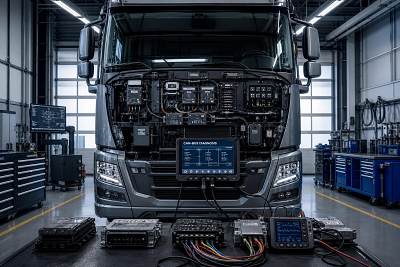
India signaled a new compliance step for commercial vehicle emissions oversight on June 29, 2026, when the Central Pollution Control Board (CPCB) released a draft for Bharat Stage-VI Phase II. The proposal would require all newly registered medium- and heavy-duty trucks from October 1, 2026 to transmit OBD-II remote diagnostic data in real time to the Vahan Parivahan government platform. For vehicle exporters, connected hardware providers, compliance teams, and aftersales operations, the immediate issue is no longer only vehicle certification, but whether onboard T-Box systems, data interfaces, and platform connection approval can be completed before the stated deadline.
What the Draft Requirement Says
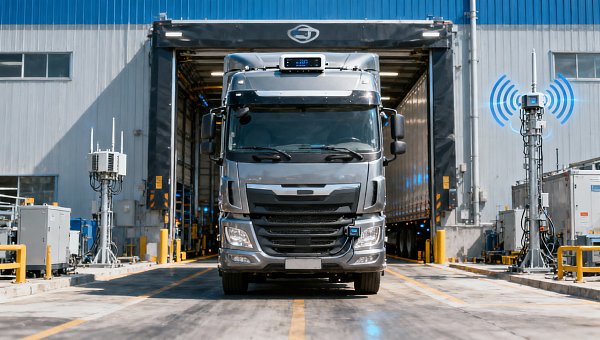
According to the input information provided, CPCB issued the BS-VI Phase II draft on June 29, 2026. The draft proposes that, starting October 1, 2026, all newly registered medium- and heavy-duty trucks in India must upload OBD-II remote diagnostic data to the government platform Vahan Parivahan in real time.
The required upload scope includes fault codes, emissions parameters, and driving behavior data. The same input also states that Chinese vehicle exporters need to complete onboard T-Box software and hardware upgrades, as well as platform integration certification, by the end of August 2026.
Where the Pressure Will Likely Appear First
Export vehicle programs face a tighter delivery gate
From an industry perspective, the most direct impact falls on companies exporting medium- and heavy-duty trucks to India. The reason is straightforward: if remote diagnostic upload becomes a mandatory condition tied to new registration, compliance will affect not only product configuration but also whether vehicles are ready for market entry. What deserves closer attention is the handoff between vehicle completion, T-Box readiness, and certification timing.
Telematics and connected hardware suppliers move closer to the compliance core
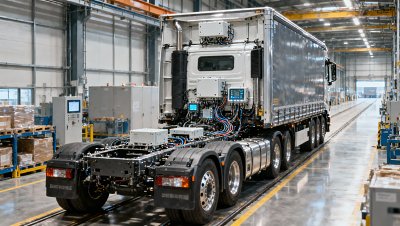
Analysis shows that T-Box-related suppliers and integration service providers may become part of the critical compliance path rather than a peripheral support function. Their work would likely affect software adaptation, hardware compatibility, data transmission capability, and platform connection testing. For these participants, the issue is less about generic connectivity and more about whether the required diagnostic and behavior data can be uploaded in the form and timing expected by the government platform.
Aftersales and compliance teams may need to coordinate earlier
Observably, this draft points to a broader operational requirement for manufacturers and distributors serving the Indian market. Fault codes, emissions parameters, and driving behavior data all sit at the intersection of engineering, compliance, and service. That means internal coordination may need to begin earlier in the sales and homologation cycle, especially where vehicle configuration, data definitions, and registration readiness are handled by different teams.
Practical Priorities for Companies Right Now
Track whether the draft wording changes before implementation
Analysis shows that the current document should still be read as a draft signal rather than a fully closed compliance result. Companies should therefore focus on whether the final wording changes the start date, covered vehicle scope, upload items, or technical connection requirements. Small wording changes in a draft can materially affect implementation workload.
Separate product compliance from platform readiness
What deserves closer attention is the difference between meeting an emissions rule in principle and being ready for live data transmission in practice. A vehicle may be technically compliant on paper, while still facing delays if T-Box software, hardware adaptation, or platform connection certification is incomplete. This distinction matters for sales planning, shipment timing, and customer communication.
Review T-Box upgrade and certification schedules against the August deadline
Based on the provided information, Chinese exporters are expected to complete T-Box software and hardware upgrades and platform integration certification by the end of August 2026. For companies with India-bound programs, this puts schedule pressure on testing, documentation, supplier coordination, and release control. The business risk is not only technical rework, but also compressed delivery and approval timelines.
Prepare customer and channel communication around registration impact
From an operational standpoint, manufacturers, local distributors, and channel partners may need aligned messaging on which vehicle configurations are ready for the proposed rule and when. If registration depends on real-time upload capability, customers will likely focus on delivery certainty and compliance status rather than on specifications alone.
Why This Matters Beyond a Single Draft
Observably, this development is more meaningful as a regulatory direction signal than as a standalone headline. The key change is that emissions oversight, under the draft, would extend into continuous data transmission through a government platform. That suggests a compliance model in which connected diagnostics become part of regulatory execution, not just a service or fleet management feature.
At the same time, it is more appropriate to understand this as a live policy development that still requires continued observation. The provided information confirms the draft release, the proposed start date, the data categories involved, and the stated upgrade timeline for Chinese exporters. It does not, however, establish the final implementation details beyond those points.
How to Read the Current Signal
In practical terms, this update should be read as a near-term compliance trigger for exporters and connected-system suppliers, and as a longer-term signal that market access requirements may increasingly depend on data transmission capability alongside vehicle performance itself. The immediate significance lies in timelines and execution readiness. The broader significance lies in how emissions regulation and onboard connectivity appear to be moving closer together in the commercial vehicle segment.
For now, a neutral reading is the most appropriate one: the draft already creates planning pressure, but the full business impact will depend on final rules, technical implementation details, and how quickly affected companies can complete platform connection and certification work.
Basis of This Article
This article is based on the user-provided news title, event date, and event summary concerning India's proposed BS-VI Phase II requirement for real-time OBD-II remote diagnostic uploads. No additional unverified facts, company examples, market figures, or external links have been added.
For this type of industry update, relevant source categories typically include official notices, company statements, industry association releases, authoritative media reporting, and standards-related documents. The specific official source link was not provided in the input, so continued verification remains necessary. Follow-up attention should focus on any final CPCB wording, the confirmed implementation scope, and any detailed requirements related to platform integration and certification.
Trending News
- What drives logging truck cost beyond the base purchase price?
- How to match lowbed trailer deck height to your hauling equipment
- What documents are needed to export a low bed trailer to Southeast Asia?
- What to verify before choosing a delivery truck supplier for school transportation
- What an excavator manufacturer catalog should show before you compare models
Tag
Recommended News
 Truck TechnologyDoes a cab chassis truck for fire department have enough frame capacity?Cab chassis truck for fire department: assess frame strength, axle loads, tank weight, stability and compliance for a safer, reliable fire apparatus build.
 Truck TechnologyWhen does a truck off road setup need locking differentials?Truck off road setups need locking differentials when uneven, low-grip terrain causes wheelspin. Learn how to choose the right axle locks for safer, reliable mobility.
 Truck TechnologyEPA Remote-Diagnostics Rules Take Effect for Diesel EnginesEPA Remote-Diagnostics Rules take effect for diesel engines sold in the U.S. Learn how OTA updates, real-time NOx reporting, and fault-code retention may impact compliance, OEM projects, and imports.
 Truck TechnologyCab Chassis Truck for Military Use: Key Specs That Affect Mission ReadinessCab chassis truck for military use: explore the key specs that drive mission readiness, off-road mobility, integration flexibility, and lifecycle support for smarter fleet decisions.
 Truck TechnologyBULLDOZER with GPS Tracking: What Improves on Remote Job SitesBULLDOZER with GPS tracking improves remote job sites with better visibility, reduced idle time, stronger fleet coordination, and smarter earthmoving decisions across harsh terrain.
 Truck TechnologyTruck Body Materials Compared: Steel, Aluminum, or Composite?Truck body material comparison made practical: explore steel, aluminum, and composite options for payload, durability, corrosion resistance, and lifecycle cost.
 Truck TechnologyBest Cab Chassis Truck Setups for Municipal Engineering TasksCab chassis truck for municipal engineering: compare the best setups for sanitation, tanker, utility, and dump tasks to improve uptime, safety, and long-term fleet value.
 Truck TechnologyTruck Electrical System Faults: Common Causes and Fast ChecksTruck electrical system faults can cause no-starts, dim lights, and costly downtime. Learn common causes, fast checks, and practical steps to diagnose issues quickly.
 Truck TechnologyASEAN-ICV Opens Mutual Access for Connected Heavy VehiclesASEAN-ICV opens mutual access for connected heavy vehicles, cutting duplicate V2X testing across Thailand, Vietnam, Indonesia, and Malaysia. See what it means for exports, compliance, and fleet delivery.
![]() Truck TechnologyTruck Concrete Mixer Basics: Capacity, Drum Type, and Jobsite FitTruck concrete mixer basics explained: compare capacity, drum type, and jobsite fit to improve pour efficiency, cut delays, and choose the right mixer truck with confidence.
Truck TechnologyTruck Concrete Mixer Basics: Capacity, Drum Type, and Jobsite FitTruck concrete mixer basics explained: compare capacity, drum type, and jobsite fit to improve pour efficiency, cut delays, and choose the right mixer truck with confidence. Truck TechnologyBrazil Requires Dual-Mode Tracking on Imported Heavy TrucksBrazil requires dual-mode tracking on imported heavy trucks. Learn how BeiDou+GPS, SISFROTA, and ABNT NBR 16501:2025 rules affect licensing, compliance, and market access.
 Truck TechnologyWater Truck OEM Options: Tank Size, Pump Output, and Road ConditionsWater truck OEM selection starts with the right match of tank size, pump output, and road conditions. Learn how to compare specs, improve uptime, and choose a fleet-ready solution.
 Truck TechnologyChile Requires Remote Diagnostics on Imported Heavy TrucksChile Requires Remote Diagnostics on Imported Heavy Trucks: learn how NCh3871:2026, OTA, ISO 22161, and VHMP rules will impact truck imports, registration, and fleet planning.
 Truck TechnologyHow to Compare Logging Truck OEM Specs for Drivetrain and Load StabilityLogging truck OEM specs compared the right way: learn how to evaluate drivetrain torque, axle ratios, suspension, and load stability for safer forestry hauling.
 Truck TechnologyIndia Drafts BS-VI Phase II Remote OBD Upload RuleIndia Drafts BS-VI Phase II Remote OBD Upload Rule: learn how India’s new real-time OBD upload proposal could impact truck exporters, T-Box upgrades, certification timelines, and market access.
 Truck TechnologyMilitary Truck Payload vs Mobility: What Matters in Harsh TerrainMilitary truck performance in harsh terrain depends on more than payload. Discover how mobility, traction, axle load, and suspension affect real-world mission success.
 Truck TechnologyLogging Truck OEM Options: Key Specs for Harsh Forestry RoutesLogging truck OEM options for forestry routes: compare axle layouts, frame strength, traction, braking, and service support to choose a durable, high-uptime truck.
 Truck TechnologyVietnam to Require VCA Checks for Imported Heavy TrucksVietnam to Require VCA Checks for Imported Heavy Trucks from August 1, 2026. Learn how VCA testing, CAN, HVIL, and OBD-II rules could impact truck exports, certification, and delivery planning.
 Truck TechnologyMexico Enforces CAN FD Rule for Imported TrucksMexico Enforces CAN FD Rule for Imported Trucks: learn how NOM-042-SEMARNAT-2026 impacts OBD-II+, ANCE verification, ECU strategy, and Mexico-bound truck compliance.
 Truck TechnologyBrazil ANP Rule Requires H₂ Leak Sensors on Imported Gas TractorsBrazil ANP rule requires H₂ leak sensors on imported gas tractors from Oct 1, 2026. Learn the compliance impact, IEC 60079-29-1 standard, and what exporters must do now.
 Truck TechnologyTruck Brake System Basics: Components, Failure Risks, and Safety ChecksTruck brake system basics explained: key components, common failure risks, and practical safety checks to improve fleet uptime, compliance, and road safety.
 Truck TechnologySupply Chain Expo Opens With Focus on Heavy Truck Core SystemsHeavy truck core systems take center stage at the Supply Chain Expo, spotlighting battery systems, electric drive axles, and by-wire technologies shaping export opportunities.
 Truck TechnologyTruck Control Unit Failures: Common Symptoms and Fix StrategiesTruck control unit failures often start with small warning signs. Learn key symptoms, root causes, and smart repair strategies to cut downtime and avoid costly misdiagnosis.
 Truck TechnologyEU V2X Rule Sets 2027 Deadline for New Heavy Truck ApprovalEU V2X Rule Sets 2027 Deadline for New Heavy Truck Approval: learn how ETSI EN 302 637-2 and UN R155 reshape EU truck compliance, certification, sourcing, and export planning.
 Truck TechnologyEU Draft Targets V2X as Standard for New Heavy TrucksV2X is moving toward a standard for new EU heavy trucks. Learn how the draft rule may affect certification, ETSI EN 302 637-2 compliance, open API access, and export planning.