EU Draft Targets V2X as Standard for New Heavy Trucks
On June 17, 2026, the European Commission released a draft implementation roadmap for intelligent connected technology in heavy-duty vehicles, signaling a proposed revision to EU 2019/1242. The draft would require all newly certified heavy trucks in the EU from January 1, 2027 to be equipped with V2X communication modules compliant with ETSI EN 302 637-2 and to provide open APIs for fleet management platform access. For truck exporters, component suppliers, certification-related service providers, and fleet-facing system integrators, the development is worth close attention because it points to a compliance requirement that could directly affect product configuration, technical documentation, certification preparation, and delivery planning.

What the draft roadmap specifically sets out
The confirmed information available at this stage is limited but clear on several points. The European Commission issued the draft on June 17, 2026 under the title of an implementation roadmap for intelligent connected technology in heavy-duty vehicles. The draft proposes revising the current EU 2019/1242 framework. Under the proposal, from January 1, 2027, all heavy trucks newly certified in the EU would need to be pre-equipped with V2X communication modules that meet ETSI EN 302 637-2. The draft also states that the vehicle must provide an open API for access by fleet management platforms. In parallel, leading Chinese heavy truck manufacturers have already started adaptation development, and the first export models designed to align with the draft requirements are expected to be launched in Q3.
Where the compliance pressure may first appear
Export truck manufacturers may need to rework certification preparation
From an industry perspective, the most direct impact is likely to fall on manufacturers seeking new EU certification for heavy trucks. The proposed requirement is not limited to a software feature claim; it concerns pre-installed hardware, technical standard alignment, and platform connectivity capability. This means product specification alignment, certification files, interface definitions, and model configuration planning may all need review before vehicles enter the certification pipeline.
Module and system suppliers may face tighter technical alignment demands
For suppliers of communication modules and connected vehicle systems, the draft points to a more explicit standard-based procurement direction. Analysis shows that OEMs may pay closer attention to whether supplied modules can support ETSI EN 302 637-2 compliance and whether the integration architecture can support open API access for fleet management platforms. The practical effect may appear in sourcing specifications, validation planning, and delivery coordination between vehicle and electronics teams.
Certification and testing service providers may see earlier engagement from exporters
Certification-related companies and testing service institutions may be affected through earlier-stage compliance review requests. Observably, when a draft requirement combines a named technical standard with an access interface obligation, exporters often need to prepare supporting technical materials earlier in the product cycle. What deserves closer attention is not only the module itself, but also how conformity claims, interface descriptions, and supporting reports are organized for certification and customer review.
Fleet platform and aftersales participants may need to watch interface expectations
The open API element could also affect fleet management platform operators, system integrators, and aftersales service participants. The draft does not provide detailed execution rules in the information available here, so no settled implementation model can be assumed. Even so, these market participants may need to watch how API access expectations are later expressed in procurement documents, technical appendices, and service agreements tied to export vehicles entering the EU market.
What companies should review now
Check whether current export models can support the required configuration
Analysis shows that companies with heavy truck exports to the EU should first distinguish between already certified products and models that will seek new certification after the proposed effective date. The immediate practical question is whether vehicle architecture can accommodate a pre-installed V2X module meeting ETSI EN 302 637-2 and whether that requirement changes the standard configuration of export models.
Prepare technical files around interfaces and compliance claims
What deserves closer attention is the documentation burden that may follow a rule framed around both a communication standard and open platform access. Companies may need to review technical descriptions, interface materials, test-related records, and customer-facing specification documents so they remain consistent if certification bodies or procurement parties ask for evidence of alignment.
Monitor how the draft language develops into enforceable wording
Because the information provided refers to a draft roadmap and a proposed revision, it is more appropriate to understand this stage as an important regulatory signal rather than a fully detailed execution regime. Companies should therefore continue to monitor whether the final wording clarifies scope, documentation expectations, API-related parameters, and any certification interpretation that could affect product launch timing.
Align purchasing and delivery planning with adaptation schedules
The note that leading Chinese heavy truck manufacturers have already begun adaptation development, with first draft-aligned export models expected in Q3, suggests that supply chain and delivery planning may begin shifting before formal implementation. Observably, exporters and procurement teams may need to compare project timelines, component readiness, and customer delivery commitments against the proposed 2027 certification threshold.
Why this matters as a regulatory signal
Analysis shows that this development is less about a general connectivity trend and more about the conversion of connectivity capability into a product access condition tied to new certification. That distinction matters for the market because once a requirement is connected to certification, its influence can extend beyond design teams into sourcing, tender response, technical review, and customer acceptance workflows. At the same time, it would be premature to treat every implementation detail as settled, because the available information describes a draft and does not include the full enforcement language or supporting official clarifications.
How the market may best read this stage
At present, this news is best understood as a concrete policy direction with practical compliance implications rather than as a completed and fully interpreted final rule. The proposed requirement for ETSI EN 302 637-2-compliant V2X modules and open API access gives exporters and supply-chain participants a clear indication of where future certification expectations may move. A neutral reading is that companies with EU heavy truck exposure should not wait for last-minute implementation, but they should also continue to validate details before treating all technical and documentary expectations as fixed.
Basis of this article and what still needs verification
This article is generated based on the user-provided news title, event date, and event summary. Source types typically relevant to developments of this kind may include official regulatory announcements, releases from supervisory authorities, trade or customs authority information, industry association updates, standard organization documents, and reporting by established industry media. No specific official source link was provided in the input, so the exact official publication path still requires continued verification. What also remains worth tracking includes the final policy wording, certification enforcement interpretation, changes in tender documents or technical specifications, market feedback, and how affected companies implement adaptation in practice.
Trending News
- How does operating weight affect the price of a new excavator?
- How to compare concrete mixer truck suppliers by total landed cost
- How axle load limits affect low bed trailer exports to Southeast Asia
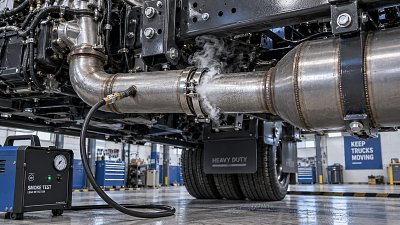
- How to locate a truck exhaust system leak before replacing parts
- When does heavy equipment transport require a lowboy trailer?
Tag
Recommended News
 Truck TechnologyHow to locate a truck exhaust system leak before replacing partsLocate a truck exhaust system leak before replacing parts. Learn how to spot soot trails, confirm leaks safely, and identify root causes to avoid costly guesswork and repeat repairs.
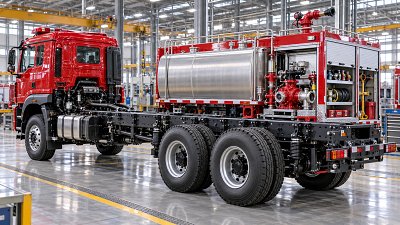
 Truck TechnologyDoes a cab chassis truck for fire department have enough frame capacity?Cab chassis truck for fire department: assess frame strength, axle loads, tank weight, stability and compliance for a safer, reliable fire apparatus build.
 Truck TechnologyWhen does a truck off road setup need locking differentials?Truck off road setups need locking differentials when uneven, low-grip terrain causes wheelspin. Learn how to choose the right axle locks for safer, reliable mobility.
 Truck TechnologyEPA Remote-Diagnostics Rules Take Effect for Diesel EnginesEPA Remote-Diagnostics Rules take effect for diesel engines sold in the U.S. Learn how OTA updates, real-time NOx reporting, and fault-code retention may impact compliance, OEM projects, and imports.
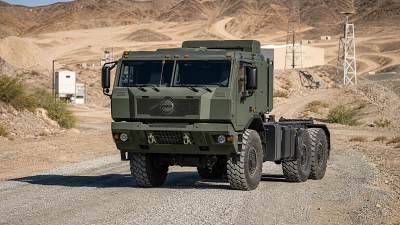
 Truck TechnologyCab Chassis Truck for Military Use: Key Specs That Affect Mission ReadinessCab chassis truck for military use: explore the key specs that drive mission readiness, off-road mobility, integration flexibility, and lifecycle support for smarter fleet decisions.
 Truck TechnologyBULLDOZER with GPS Tracking: What Improves on Remote Job SitesBULLDOZER with GPS tracking improves remote job sites with better visibility, reduced idle time, stronger fleet coordination, and smarter earthmoving decisions across harsh terrain.
 Truck TechnologyTruck Body Materials Compared: Steel, Aluminum, or Composite?Truck body material comparison made practical: explore steel, aluminum, and composite options for payload, durability, corrosion resistance, and lifecycle cost.
 Truck TechnologyBest Cab Chassis Truck Setups for Municipal Engineering TasksCab chassis truck for municipal engineering: compare the best setups for sanitation, tanker, utility, and dump tasks to improve uptime, safety, and long-term fleet value.
 Truck TechnologyTruck Electrical System Faults: Common Causes and Fast ChecksTruck electrical system faults can cause no-starts, dim lights, and costly downtime. Learn common causes, fast checks, and practical steps to diagnose issues quickly.
 Truck TechnologyASEAN-ICV Opens Mutual Access for Connected Heavy VehiclesASEAN-ICV opens mutual access for connected heavy vehicles, cutting duplicate V2X testing across Thailand, Vietnam, Indonesia, and Malaysia. See what it means for exports, compliance, and fleet delivery.
![]() Truck TechnologyTruck Concrete Mixer Basics: Capacity, Drum Type, and Jobsite FitTruck concrete mixer basics explained: compare capacity, drum type, and jobsite fit to improve pour efficiency, cut delays, and choose the right mixer truck with confidence.
Truck TechnologyTruck Concrete Mixer Basics: Capacity, Drum Type, and Jobsite FitTruck concrete mixer basics explained: compare capacity, drum type, and jobsite fit to improve pour efficiency, cut delays, and choose the right mixer truck with confidence. Truck TechnologyBrazil Requires Dual-Mode Tracking on Imported Heavy TrucksBrazil requires dual-mode tracking on imported heavy trucks. Learn how BeiDou+GPS, SISFROTA, and ABNT NBR 16501:2025 rules affect licensing, compliance, and market access.
 Truck TechnologyWater Truck OEM Options: Tank Size, Pump Output, and Road ConditionsWater truck OEM selection starts with the right match of tank size, pump output, and road conditions. Learn how to compare specs, improve uptime, and choose a fleet-ready solution.
 Truck TechnologyChile Requires Remote Diagnostics on Imported Heavy TrucksChile Requires Remote Diagnostics on Imported Heavy Trucks: learn how NCh3871:2026, OTA, ISO 22161, and VHMP rules will impact truck imports, registration, and fleet planning.
 Truck TechnologyHow to Compare Logging Truck OEM Specs for Drivetrain and Load StabilityLogging truck OEM specs compared the right way: learn how to evaluate drivetrain torque, axle ratios, suspension, and load stability for safer forestry hauling.
 Truck TechnologyIndia Drafts BS-VI Phase II Remote OBD Upload RuleIndia Drafts BS-VI Phase II Remote OBD Upload Rule: learn how India’s new real-time OBD upload proposal could impact truck exporters, T-Box upgrades, certification timelines, and market access.
 Truck TechnologyMilitary Truck Payload vs Mobility: What Matters in Harsh TerrainMilitary truck performance in harsh terrain depends on more than payload. Discover how mobility, traction, axle load, and suspension affect real-world mission success.
 Truck TechnologyLogging Truck OEM Options: Key Specs for Harsh Forestry RoutesLogging truck OEM options for forestry routes: compare axle layouts, frame strength, traction, braking, and service support to choose a durable, high-uptime truck.
 Truck TechnologyVietnam to Require VCA Checks for Imported Heavy TrucksVietnam to Require VCA Checks for Imported Heavy Trucks from August 1, 2026. Learn how VCA testing, CAN, HVIL, and OBD-II rules could impact truck exports, certification, and delivery planning.
 Truck TechnologyMexico Enforces CAN FD Rule for Imported TrucksMexico Enforces CAN FD Rule for Imported Trucks: learn how NOM-042-SEMARNAT-2026 impacts OBD-II+, ANCE verification, ECU strategy, and Mexico-bound truck compliance.
 Truck TechnologyBrazil ANP Rule Requires H₂ Leak Sensors on Imported Gas TractorsBrazil ANP rule requires H₂ leak sensors on imported gas tractors from Oct 1, 2026. Learn the compliance impact, IEC 60079-29-1 standard, and what exporters must do now.
 Truck TechnologyTruck Brake System Basics: Components, Failure Risks, and Safety ChecksTruck brake system basics explained: key components, common failure risks, and practical safety checks to improve fleet uptime, compliance, and road safety.
 Truck TechnologySupply Chain Expo Opens With Focus on Heavy Truck Core SystemsHeavy truck core systems take center stage at the Supply Chain Expo, spotlighting battery systems, electric drive axles, and by-wire technologies shaping export opportunities.
 Truck TechnologyTruck Control Unit Failures: Common Symptoms and Fix StrategiesTruck control unit failures often start with small warning signs. Learn key symptoms, root causes, and smart repair strategies to cut downtime and avoid costly misdiagnosis.
 Truck TechnologyEU V2X Rule Sets 2027 Deadline for New Heavy Truck ApprovalEU V2X Rule Sets 2027 Deadline for New Heavy Truck Approval: learn how ETSI EN 302 637-2 and UN R155 reshape EU truck compliance, certification, sourcing, and export planning.