Truck Body Materials Compared: Steel, Aluminum, or Composite?
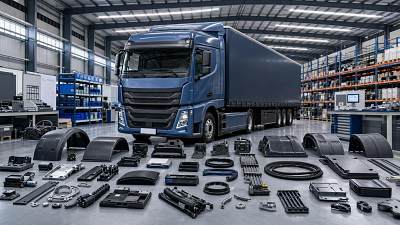
Choosing the right truck body material is not just a spec-sheet exercise. It directly shapes payload, uptime, repair cost, resale value, and how well a vehicle fits its daily work.
When comparing steel, aluminum, and composite options, the best answer depends on route conditions, cargo type, duty cycle, and service expectations. A good truck body choice should work in the field, not only on paper.
In the global commercial vehicle market, this decision also affects sourcing strategy. On the Global Heavy Truck Industry Platform, product comparison, supplier screening, and industry data make it easier to match a truck body to real operational needs.
Start with What the Truck Body Must Do
Before comparing materials, define the job clearly. A truck body for municipal use faces different demands than one used for mining, urban delivery, or cross-border freight.
That sounds obvious, but it is often skipped. Many poor buying decisions happen because material selection starts with price, not with working conditions.
- Map the payload profile first. Average load, peak overload risk, and loading method often reveal whether the truck body needs impact resistance, low weight, or corrosion protection.
- Check route severity early. Rough sites, salt exposure, humidity, and long-distance vibration can change which truck body material holds value over five to eight years.
- Review unloading frequency. High cycle operations wear hinges, floors, and side panels faster, so truck body durability should be assessed beyond base material thickness.
- Estimate repair access locally. A strong truck body is less useful if the local market cannot weld, patch, or replace damaged panels quickly.
- Set a total cost target. Purchase price matters, but the smarter comparison includes fuel impact, maintenance intervals, downtime exposure, and resale performance.
Steel Truck Body: Strong, Familiar, and Usually Cost-Effective
Steel remains a common truck body material because it is tough, widely available, and easy to repair in most regions. For many heavy-duty applications, it is still the default benchmark.
Its biggest strength is structural robustness. Steel handles abrasion, concentrated loads, and jobsite abuse better than many lighter alternatives, especially in dump, construction, and waste applications.
Where steel makes sense
- Choose steel when the truck body faces rocks, scrap, aggregates, or repeated forklift impact. It usually performs well where toughness matters more than tare weight savings.
- Use steel for easier field repair. In many markets, welding skills, spare sections, and fabrication support for a steel truck body are faster to find.
- Favor steel when budget control is critical. The upfront cost is often lower, which helps when multiple units must be sourced within tight capital plans.
Still, steel has trade-offs. It is heavier, which reduces available payload. If corrosion protection is poor, life-cycle cost can rise faster than expected in coastal or winter-salt environments.
Common steel blind spots
A lower purchase price can hide higher operating costs. Extra body weight may reduce revenue payload on every trip, and corrosion can shorten service life if coatings are basic or inconsistent.
Ask for details on steel grade, floor thickness, anti-rust treatment, and weld quality. A steel truck body is not automatically durable just because it looks heavy.
Aluminum Truck Body: Lighter Weight, Better Payload Efficiency
Aluminum is usually selected to reduce body weight. A lighter truck body can increase legal payload, improve fuel economy, and support lower wear on some running components.
This makes aluminum attractive in logistics, beverage distribution, parcel delivery, and other applications where every kilogram matters and impact loads are more controlled.
Where aluminum performs well
- Pick aluminum when payload optimization drives returns. A lighter truck body can increase carrying capacity across frequent trips and improve transport efficiency over time.
- Use aluminum in corrosive environments. It generally resists rust better than untreated steel, which can lower surface deterioration and preserve appearance longer.
- Consider aluminum for premium fleet image. A cleaner finish and lower corrosion risk can support resale value in structured logistics markets.
The caution point is durability under severe abuse. Aluminum can dent more easily, and some repair networks are less equipped for advanced aluminum work than for standard steel fabrication.
Another issue is cost. An aluminum truck body often requires a higher initial investment, so the business case should be supported by route data, fuel savings, or payload gains.
Composite Truck Body: Corrosion Resistance and Purpose-Built Efficiency
Composite truck body designs are gaining attention because they combine low weight with corrosion resistance and design flexibility. They can work especially well in specialized transport segments.
Depending on the construction, composites may include fiberglass-reinforced panels, sandwich structures, or hybrid assemblies with metal reinforcement in high-stress areas.
Where composite deserves a close look
- Review composite for temperature-sensitive or clean cargo. A smooth truck body interior can support hygiene, easier cleaning, and improved insulation performance.
- Choose composite where corrosion is a long-term threat. Chemical exposure, coastal air, and moisture-heavy routes can favor this truck body option.
- Evaluate composite for branding needs. Panel design flexibility can support cleaner surfaces, better finish quality, and customized body configurations.
But composite is not a universal answer. Repair methods can be more specialized, impact behavior varies by panel design, and supplier quality differs widely.
That means specification control is critical. Always verify panel core structure, fastening method, edge sealing, and proven performance in similar road transport applications.
A Practical Truck Body Comparison Table
A quick side-by-side view helps narrow the shortlist. The final decision should still be based on route data, body design, and supplier capability.
Match the Truck Body to Real Operating Scenarios
For construction hauling, steel often stays ahead. Repeated loading of stone, scrap, or demolition waste puts more value on dent resistance and straightforward repairs than on tare weight reduction.
For regional logistics, aluminum can become more attractive. When cargo is volume-based and trip frequency is high, a lighter truck body may create better long-term earnings.
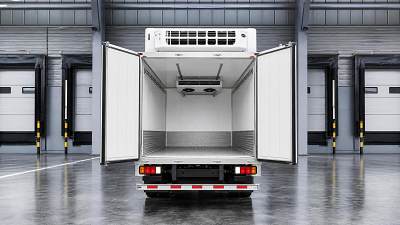
In food, cold-chain, or clean cargo segments, composite truck body designs can offer a stronger fit. Surface finish, thermal efficiency, and corrosion control may matter more than raw impact tolerance.
For municipal service, there is rarely a one-size-fits-all answer. Route mix, wash-down frequency, side-loading systems, and local maintenance support should drive the decision.
What Often Gets Missed During Evaluation
- Do not assess only the material. Truck body design details such as cross-member spacing, floor reinforcement, and joint protection often matter as much as material choice.
- Check supplier documentation depth. A reliable truck body supplier should provide drawings, material specs, coating data, and reference cases from similar duty cycles.
- Review local spare and service readiness. Delays in panel replacement, hinge parts, or repair expertise can turn a small truck body issue into major downtime.
- Ask about compliance and weight legality. A lighter truck body only creates value if axle distribution and body configuration still meet transport regulations.
- Compare resale assumptions carefully. Market preference for steel, aluminum, or composite truck body types can differ by region and application sector.
How to Use Market Data and Supplier Comparison Better
This is where a specialized B2B sourcing environment becomes useful. On the Global Heavy Truck Industry Platform, truck body comparisons can be supported by broader product visibility and supplier benchmarking.
Instead of reviewing one quotation in isolation, it becomes easier to compare material options, body types, supporting components, and supplier positioning across multiple markets.
That matters in heavy truck procurement. A stronger decision usually comes from connecting truck body material analysis with brand reputation, application references, service capability, and supply chain transparency.
A Smarter Way to Narrow the Final Choice
If the truck body will face hard impact, rough loading, and frequent damage risk, steel is usually the safer answer. If payload efficiency drives revenue, aluminum often earns a closer look.
If corrosion resistance, insulation, or specialized cargo protection matters most, composite may deliver better long-term value. The key is to tie the material to measurable operating results.
As a next step, compare at least three truck body offers using the same workload assumptions, service expectations, and repair conditions. That simple discipline usually exposes the strongest option faster.
In a competitive transport equipment market, the best truck body is not the newest material or the cheapest quote. It is the one that performs reliably, fits the job, and keeps total ownership under control.
Trending News
- DeepWay Enters Malaysia With Electric Heavy Trucks Offering Up to 400 km Range
- XCMG Unveils Cabless L4 Autonomous Electric Yard Truck Concept
- How order size affects wholesale pricing for cement mixer trucks
- Commercial Vehicle Leaders Hold Firm in Q1–Q3 2026 Automotive Influence Index
- How to choose a refrigerated truck for multi-stop urban deliveries
Tag
Recommended News
 Truck Parts IndustryWhat causes a truck injector to fail prematurely?Truck injector failure can stem from fuel contamination, water, wiring faults, heat, or incorrect installation. Discover practical diagnostic steps to prevent repeat repairs.
 Truck Parts IndustryEU REACH Rule Takes Effect for Truck Rubber PartsEU REACH Rule takes effect for truck rubber parts exported to the EU. Learn how SCIP reporting, SVHC declarations, and supply chain compliance now impact truck manufacturers and suppliers.
 Truck Parts IndustryHow to Evaluate Commercial Vehicle Parts With Eco-Friendly Materials for Durability and ComplianceCommercial vehicle parts with eco-friendly materials require more than green claims. Learn how to assess durability, compliance, and supplier reliability for smarter sourcing.
 Truck Parts IndustryHow to Evaluate a Truck Parts Supplier Beyond Unit PriceTruck parts supplier selection should go beyond unit price. Learn how to assess quality, traceability, compliance, delivery, and support to reduce fleet risk and total cost.
 Truck Parts IndustryVietnam to Require QR Traceability Labels on Imported Heavy-Truck PartsVietnam to Require QR Traceability Labels on Imported Heavy-Truck Parts from Aug 1, 2026. Learn scope, VNQR-2025 rules, VITRAC links, and how to avoid port refusal and fines.
 Truck Parts IndustryHow to Evaluate a Truck Spare Parts Supplier for Long-Term Cost ControlTruck spare parts supplier selection affects far more than price. Learn how to compare quality, delivery, traceability, and hidden costs to protect fleet uptime and control long-term expenses.
 Truck Parts IndustryFuel Injection Pump Failure Signs and What They Mean for Engine PerformanceFuel injection pump failure signs can quickly reduce truck power, raise fuel use, and trigger hard starts. Learn what each symptom means and when to act before costly downtime.
 Truck Parts IndustryExcavator Attachment Selection for Demolition and Site PrepExcavator attachment selection for demolition and site prep: compare breakers, grapples, crushers, and buckets to boost productivity, safety, and ROI.
 Truck Parts IndustryTruck Engine Overhaul or Replacement: Which Costs Less Long Term?Truck engine overhaul or replacement? Compare long-term cost, downtime, fuel efficiency, and reliability to choose the smarter option for your fleet.
 Truck Parts IndustryHow to Choose Excavator Parts That Last LongerExcavator parts buying guide: learn how to choose excavator parts that last longer by comparing fit, material quality, operating conditions, and supplier reliability.
 Truck Parts IndustryAre Eco-Friendly Commercial Vehicle Parts Durable Enough for Daily Use?Commercial vehicle parts with eco-friendly materials can be durable for daily use—if tested right. Explore where they perform best, key risks, and smarter sourcing insights.
 Truck Parts IndustryTruck Parts OEM vs Aftermarket: Cost, Fit, and Warranty RisksTruck parts OEM vs aftermarket: compare true cost, fit accuracy, and warranty risks to reduce downtime, avoid disputes, and make smarter fleet sourcing decisions.
 Truck Parts IndustryTruck Spare Parts Buying Guide: How to Reduce Downtime and Fitment RiskTruck spare parts buying guide for fleet maintenance teams: learn how to reduce downtime, avoid fitment risk, verify suppliers, and make smarter sourcing decisions.
 Truck Parts IndustryHow to Evaluate a Truck Parts Supplier Beyond PriceTruck parts supplier selection should go beyond price. Learn how to compare quality, delivery, service, and total cost to reduce risk and keep fleets running efficiently.
 Truck Parts IndustryHeavy Truck Parts for Construction: Signs of a Reliable ManufacturerHeavy truck parts manufacturer for construction: learn how to identify reliable suppliers through quality control, traceability, testing, and support to reduce downtime and improve fleet safety.
 Truck Parts IndustryHow to Compare Truck Spare Parts Suppliers on Quality and Lead TimeTruck spare parts supplier comparison starts with quality and lead time. Learn how to assess consistency, delivery reliability, and sourcing fit for smarter purchases.
 Truck Parts IndustryEU REACH Sets PAH Limit for Heavy Truck Rubber PartsEU REACH sets a new PAH limit for heavy truck rubber parts, affecting brake hoses, bushings, and export compliance. Learn what suppliers must prepare now to avoid testing delays and customs risks.
 Truck Parts IndustryWhat to Check in a Truck Chassis Supplier Before Fleet ExpansionTruck chassis supplier selection can make or break fleet expansion. Learn what to check on quality, production, delivery, support, and total cost before requesting a quote.
 Truck Parts IndustryCold Storage Truck Parts That Matter Most for Temperature ControlCommercial vehicle parts for cold storage determine real temperature stability. Discover the key truck components that reduce spoilage, improve efficiency, and protect sensitive cargo.
 Truck Parts IndustryHow to Evaluate a Heavy Truck Parts Manufacturer for Long-Term Supply StabilityHeavy truck parts manufacturer selection starts with supply stability. Learn how to assess quality, capacity, lead times, and risk signals for smarter long-term sourcing.
 Truck Parts IndustryEU EPR Rules Extend to Commercial TrailersEU EPR rules now extend to commercial trailers, bringing new registration, reporting, and fee duties from 2027. See how exporters can prepare early to avoid customs delays.
 Truck Parts IndustryTruck Suspension Problems: Signs, Causes, and Fix OptionsTruck suspension issues can lead to tire wear, poor handling, and costly downtime. Learn the key signs, root causes, and best fix options for different truck applications.
 Truck Parts IndustryHow to Choose a Heavy Truck Parts Manufacturer for Construction FleetsHeavy truck parts manufacturer for construction selection starts with uptime, quality, and delivery. Learn how to compare suppliers, reduce fleet risk, and choose with confidence.
 Truck Parts IndustryUS Sets AEBS Rule for Imported Commercial TrailersUS sets AEBS rule for imported commercial trailers starting Oct. 1, 2026. Learn FMVSS No. 127A, SAE J2929, and key compliance steps to avoid CBP entry denial.
 Truck Parts IndustryHow to Choose Commercial Vehicle Parts That Reduce DowntimeCommercial vehicle parts selection can make or break fleet uptime. Learn how to choose parts that improve fit, quality, supply reliability, and lower total downtime cost.