Water Truck Manufacturer Selection: Key Tank, Pump, and Chassis Checks
Choosing the right water truck manufacturer affects uptime, maintenance cost, regulatory compliance, and long-term fleet value. Before comparing price lists, focus on three essentials: tank quality, pump performance, and chassis compatibility. These checks reveal whether a supplier can deliver a reliable water truck for construction, road service, dust control, or municipal operations.
Why a Checklist Matters When Comparing a Water Truck Manufacturer
A water truck looks simple from the outside, yet failures often begin in hidden details. Thin steel, poor welding, mismatched pumps, and overloaded chassis create leaks, low spray pressure, and early structural fatigue.
A structured checklist makes supplier evaluation faster and more objective. It also helps compare each water truck manufacturer on build quality, serviceability, and real operating suitability rather than brochure claims alone.
For buyers using a global B2B sourcing platform, checklist-based review also reduces cross-border sourcing risk. It becomes easier to compare product specifications, confirm production capability, and shortlist dependable suppliers with confidence.
Core Water Truck Inspection Checklist
- Verify tank material grade, plate thickness, anti-corrosion treatment, and internal baffle design. Ask the water truck manufacturer for drawings, welding standards, and coating specifications.
- Inspect weld seams at tank corners, manholes, mounting brackets, and pipe connections. Look for continuous welding, clean finishing, and no visible undercut, porosity, or deformation.
- Confirm tank capacity matches actual use and legal axle loading. A larger tank is not always better if the selected chassis cannot safely carry full water weight.
- Check pump brand, rated flow, suction lift, working pressure, and seal quality. Match pump output to spray bars, water cannon, flushing system, and refill speed requirements.
- Review the full piping layout, including valve position, pipe diameter, filter access, and drain points. Poor routing increases pressure loss and complicates maintenance in field conditions.
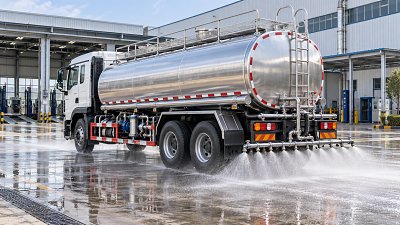
- Test spray functions, including front flush, rear sprinkler, side spray, and top water cannon. Ensure pressure remains stable when multiple discharge points operate together.
- Confirm engine power and PTO configuration can drive the pump efficiently. A weak match between powertrain and auxiliary system reduces pump performance and raises fuel consumption.
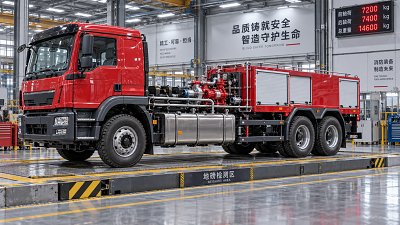
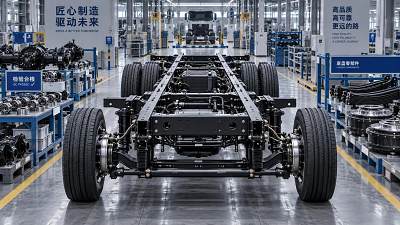
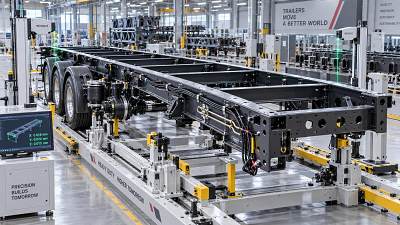
- Examine chassis wheelbase, frame strength, suspension rating, braking system, and tire specification. The best water truck manufacturer always aligns superstructure design with chassis limits.
- Request compliance records for road transport, emission rules, and local equipment standards. This step is essential for imported vehicles and public works tenders.
- Review spare parts availability, technical manuals, and after-sales response time. A dependable water truck manufacturer supports lifecycle service, not only initial delivery.
Tank Checks: The First Sign of Manufacturing Quality
Material, Thickness, and Corrosion Protection
Tank life depends heavily on steel selection and corrosion control. Carbon steel tanks are common, but thickness must match volume, route condition, and expected duty cycle.
If the truck handles reclaimed water, coastal use, or chemical additives, internal coating quality becomes critical. A serious water truck manufacturer should explain coating type, preparation method, and expected service life.
Baffles, Shape, and Structural Stability
Internal baffles reduce surge during braking and cornering. Without proper baffling, water movement can affect handling, increase stopping distance, and stress the tank shell.
Also check tank shape and mounting points. Good design distributes load evenly across the chassis frame and lowers crack risk on rough jobsite roads.
Pump and Spray System Checks: Performance Beyond the Spec Sheet
Flow Rate, Pressure, and Real Output
Pump specifications should reflect actual operating needs, not marketing numbers. Dust suppression needs sustained coverage, while road washing may require stronger front flushing pressure.
Ask the water truck manufacturer for performance data under load. Real output with hoses, filters, and multiple spray modes matters more than unloaded bench figures.
Maintenance Access and Component Reliability
A good pump is only useful if it is easy to service. Check whether strainers, valves, and seals are accessible without removing major assemblies.
Reliable suppliers usually standardize common fittings and parts. That simplifies field repair and lowers downtime when the truck works in remote construction or mining areas.
Chassis Checks: Matching the Water System to the Vehicle
The chassis is not just a carrier. It determines legal payload, ride stability, braking safety, turning radius, and durability across uneven transport routes.
Check gross vehicle weight rating, front and rear axle capacity, frame section strength, and suspension type. Every experienced water truck manufacturer should provide a weight distribution calculation.
Engine power should support both road travel and auxiliary operation. PTO interface, gearbox compatibility, and electrical integration must be confirmed before production begins.
Application-Specific Notes Before Final Selection
Construction and Mining Sites
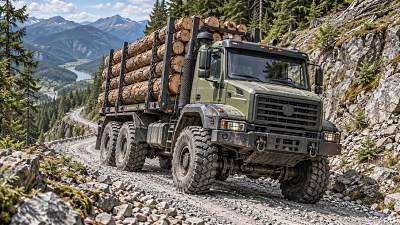
Rough terrain demands stronger frame protection, durable suspension, and reliable low-speed pump performance. Tank mounts must tolerate vibration and repeated off-road stress.
In these environments, a water truck manufacturer with experience in heavy-duty truck equipment usually performs better than a general body builder.
Municipal Cleaning and Road Service
Urban use often requires compact turning, consistent spray pattern, and easier operator control. Noise level, emission standard, and visual safety devices may also influence specification.
For multi-stop routes, quick refill capability and dependable nozzle control can improve daily productivity more than extra tank volume alone.
Long-Distance Transport Support
Where the truck supports logistics corridors or remote infrastructure projects, fuel economy, parts access, and service network coverage become major selection factors.
This is where a globally connected sourcing platform helps compare suppliers, brands, and regional service capabilities across the heavy truck supply chain.
Commonly Overlooked Risks
Ignoring tare weight: Some tanks and spray assemblies are heavier than expected. If tare weight is high, legal payload and operating range can fall below planned performance.
Skipping water quality review: Dirty or corrosive water damages pumps, seals, and internal coatings faster. Filtration and material choice should follow the intended water source.
Accepting incomplete test evidence: Photos alone are not enough. Ask for factory test videos, inspection records, and if possible a third-party check before shipment.
Focusing only on purchase price: A low-cost water truck manufacturer may create higher lifecycle cost through leaks, pump failures, and weak after-sales support.
Practical Execution Tips
- Prepare a specification sheet covering tank size, road class, water source, spray functions, and target duty cycle.
- Send the same checklist to each water truck manufacturer to keep technical comparison fair and traceable.
- Request layout drawings, weight calculations, and component brand lists before confirming production.
- Review warranty scope for tank shell, pump assembly, chassis, and electrical control separately.
- Use trusted B2B sourcing channels to compare product range, supplier history, and export experience efficiently.
Conclusion and Next Step
Selecting the right water truck manufacturer starts with disciplined inspection, not quick quotation comparison. Tank integrity, pump reliability, and chassis matching remain the three checks that most strongly predict field performance.
Use a structured checklist, validate technical data, and compare suppliers through a professional heavy truck industry platform. That process helps identify dependable partners and secure a water truck that performs well over the full service life.
Trending News
- When does a light commercial vehicle for urban delivery save fleet costs?
- How to choose an off road truck for steep and unstable job sites
- How to match crane truck lifting capacity to your jobsite loads
- What drives logging truck cost beyond the base purchase price?
- How to match lowbed trailer deck height to your hauling equipment
Tag
Recommended News
 Buying GuideHow to choose an off road truck for steep and unstable job sitesChoose the right off road truck for steep, unstable job sites. Compare traction, braking, stability, clearance, payload, and route-test essentials.
 Buying GuideHow to match crane truck lifting capacity to your jobsite loadsCrane truck capacity planning made clear: calculate gross load, radius, rigging, outriggers, and ground conditions to select safer, job-ready lifting equipment.
 Buying GuideHow to match lowbed trailer deck height to your hauling equipmentLowbed trailer deck height guide: match equipment clearance, ramp geometry, axle loads, tractor fit, and route limits for safer, more efficient hauling.
 Buying GuideWhat to verify before choosing a delivery truck supplier for school transportationDelivery truck supplier for school transportation: verify route fit, payload, safety, compliance, service support, and total cost before choosing a reliable partner.
 Buying GuideWhat an excavator manufacturer catalog should show before you compare modelsExcavator manufacturer catalog guide: verify supplier identity, configurations, hydraulics, compliance, parts support, and delivery readiness before comparing models.
 Buying GuideWhat to check before appointing a bulldozer distributorBulldozer distributor selection guide: evaluate service, parts availability, warranty, pricing, compliance, and lifecycle value to reduce downtime and protect fleet investment.
 Buying GuideWhat to verify before choosing a truck cement mixer supplierTruck cement mixer supplier checklist: verify chassis fit, drum quality, hydraulics, compliance, spare parts, and after-sales support before you buy.
 Buying GuideHow to verify a truck spare parts supplier before placing a bulk orderTruck spare parts supplier verification made practical: learn how to check part specifications, factory control, test records, samples, pricing, and delivery capability before placing a bulk order.
 Buying GuideWhat size truck container is right for a typical freight load?Truck container sizing made simple: compare payload, volume, pallet layouts, route access, and loading needs to choose the most efficient freight solution.
 Buying GuideWhat drives semi trailer price differences between similar models?Semi trailer price differences come down to frame materials, axles, suspension, coating, and configuration. Compare specifications line by line to choose lasting value.
 Buying GuideHow to compare excavator manufacturer price lists before requesting quotesCompare an excavator manufacturer price list with confidence. Learn to normalize configurations, calculate landed costs, assess options and service, and create stronger RFQs.
 Buying GuideHow to choose a mixer truck drum capacity for your concrete pourMixer truck capacity guide: match drum size to pour rate, legal payload, site access, and delivery cycles for efficient, reliable concrete placement.
 Buying GuideHow to size a bulldozer for construction site grading workBulldozer for construction sizing guide: match weight, blade, traction, grade control, and transport needs to improve grading productivity and costs.
 Buying GuideHow to assess a truck cement manufacturer’s build quality before orderingTruck cement manufacturer build quality: assess tank steel, welding, chassis integration, pneumatic systems, factory QC, and inspection evidence before ordering.
 Buying GuideWhen does a truck trailer OEM make sense for private-label fleets?Truck trailer OEM programs help private-label fleets cut lifecycle costs, standardize operations, and improve uptime. Learn when customization delivers real commercial value.
 Buying GuideWhat to verify before choosing a water truck OEM for your fleetWater truck OEM selection guide: verify chassis compatibility, tank quality, pump performance, compliance, and service support to build a safer, more reliable fleet.
 Buying GuideHow to size a cab chassis truck for a fire department apparatusCab chassis truck for fire department sizing guide: balance GVWR, axle loads, wheelbase, water tank placement, and mission needs for safer apparatus design.
 Buying GuideWhat to verify before choosing a truck chassis supplierChoose the right truck chassis supplier with a practical checklist for application fit, axle ratings, body integration, quality control, delivery reliability, and after-sales support.
 Buying GuideHow to choose a logging truck for steep and rough forest roadsLogging truck selection for steep, rough forest roads: compare traction, braking, gearing, chassis strength, tires, and supplier support for safer, more reliable hauling.
 Buying GuideHow to choose a flatbed trailer deck length for oversized loadsFlatbed trailer deck length guide for oversized loads: balance cargo support, axle weight, securement space, overhang, and route access for safer transport.
 Buying GuideHow to assess a truck chassis supplier for trailer manufacturingTruck chassis supplier for trailer manufacturing: learn how to assess technical fit, quality control, engineering support, and delivery reliability for smarter sourcing.
 Buying GuideIs the SHACMAN H3000 6×4 Cement Mixer suitable for large projects?SHACMAN H3000 6×4 Cement Mixer: assess payload, cycle time, traction, and service support to see if it can keep large concrete projects moving efficiently.
 Buying GuideHow to evaluate heavy duty trucks for sale in Russia before buyingHeavy duty trucks for sale in Russia: learn how to compare specifications, winter readiness, service support, supplier reliability, and total ownership costs before buying.
 Buying GuideWhat to verify before choosing a logging truck producerChoose a logging truck producer with confidence: verify chassis strength, load security, compliance, service support, and delivery control for demanding forestry routes.
 Buying GuideHow to choose a truck excavator for confined construction sitesTruck excavator selection for confined sites: explore access, reach, stability, attachments, and safety factors to choose a productive, space-efficient solution.