How to Vet a Commercial Trucks Manufacturer in China
Choosing the right commercial trucks manufacturer in China is a critical decision for reliable supply, competitive pricing, and long-term fleet value.
China has thousands of suppliers serving logistics, construction, mining, municipal engineering, and infrastructure transportation markets.
A strong vetting process helps compare factories, confirm export readiness, and reduce quality, delivery, documentation, and after-sales risks.
Why a Checklist Matters When Vetting a Commercial Trucks Manufacturer in China
Commercial truck sourcing is not only about price.
Vehicle performance depends on chassis design, drivetrain matching, braking systems, payload structure, production control, and parts availability.
A commercial trucks manufacturer in China may offer attractive pricing, but capability can vary widely between factories.
Some suppliers specialize in tractors, dump trucks, mixers, cargo trucks, or light commercial vehicles.
Others focus on modified trucks, export assembly, or trading distribution.
A checklist keeps evaluation consistent.
It also helps separate real manufacturing strength from attractive brochures, incomplete claims, or short-term sales promises.
Core Checklist for Evaluating a Commercial Trucks Manufacturer in China
Use the following points before requesting quotations, confirming samples, or negotiating bulk orders.
- Verify the business license, registered scope, factory address, and operating history before accepting any commercial trucks manufacturer in China as a qualified source.
- Confirm whether the supplier owns production lines, assembly workshops, testing facilities, or only coordinates products from other truck factories.
- Request product catalogs with chassis specifications, engine models, axle ratings, gearbox options, emission standards, and vehicle application notes.
- Compare declared payload, gross vehicle weight, wheelbase, suspension type, braking system, and frame strength against actual operating conditions.
- Check certifications, homologation support, inspection reports, and export documents required by the destination market before signing contracts.
- Ask for quality control records covering incoming parts inspection, welding checks, paint process control, road testing, and pre-shipment inspection.
- Review export experience by requesting previous shipment records, destination markets, packing photos, bill of lading samples, and client references.
- Evaluate spare parts supply, warranty terms, technical manuals, diagnostic support, and response speed for breakdown or maintenance issues.
- Inspect payment terms, delivery lead time, production milestones, penalty clauses, and responsibilities for delayed documents or failed inspections.
- Arrange video audits, third-party factory inspections, or trial orders before scaling cooperation with a commercial trucks manufacturer in China.
Check Manufacturing Capability, Not Only Product Photos
A serious commercial trucks manufacturer in China should explain its production process clearly.
Ask how frames are assembled, how cabins are installed, and how finished vehicles are tested.
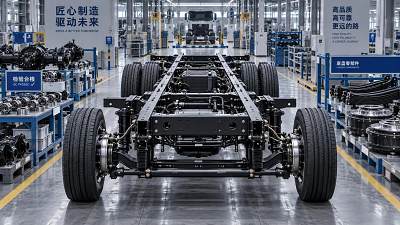
For heavy-duty trucks, focus on chassis strength, axle sourcing, engine compatibility, and braking reliability.
For construction trucks, evaluate dump body design, hydraulic systems, subframe reinforcement, and stability under rough road conditions.
For logistics trucks, review fuel economy, cargo body materials, loading efficiency, and service intervals.
Do not rely only on polished images.
Request production videos, workshop photos with date references, testing records, and detailed component lists.
Key factory capability questions
- Ask which components are made in-house and which parts come from partner suppliers or approved truck component brands.
- Confirm monthly output capacity and whether peak season orders affect welding, painting, assembly, or delivery schedules.
- Check whether the commercial trucks manufacturer in China can customize wheelbase, cabin, cargo body, engine, and emission configuration.
- Request proof of load testing, road testing, water leakage testing, and final inspection before shipment release.
Review Compliance, Certifications, and Export Documentation
Compliance is essential in commercial vehicle imports.
A commercial trucks manufacturer in China should understand emission rules, safety requirements, and documentation procedures for target markets.
Typical documents include commercial invoice, packing list, certificate of origin, inspection certificate, and bill of lading.
Some markets may require conformity documents, local homologation, E-mark components, GCC requirements, or country-specific approval.
Clarify whether the factory has exported similar models to the same region.
Past success in similar markets reduces risk, but it does not replace current document verification.
Evaluate Quality Control Before Placing Bulk Orders
Quality problems in trucks can become expensive after delivery.
Loose fittings, poor paint, mismatched parts, weak hydraulics, and incomplete documentation can delay deployment.
A dependable commercial trucks manufacturer in China should provide a measurable quality control workflow.
The workflow should include component inspection, assembly checkpoints, performance testing, and final vehicle acceptance.
For bulk orders, define an inspection standard before production begins.
Include acceptable tolerances, photo evidence, test drive requirements, and defect correction rules.
Pre-shipment inspection points
- Inspect engine startup, dashboard indicators, braking response, steering operation, lighting, horn, mirrors, and cabin condition.
- Check chassis number, engine number, nameplate data, tire brand, axle rating, and configuration against the purchase contract.
- Test dump body lifting, mixer drum rotation, refrigeration function, crane movement, or other special-purpose equipment functions.
- Review protective measures for sea transport, including battery handling, fuel level, rust prevention, and loose accessory packing.
Scenario Notes for Different Truck Applications
Long-haul logistics and freight transport
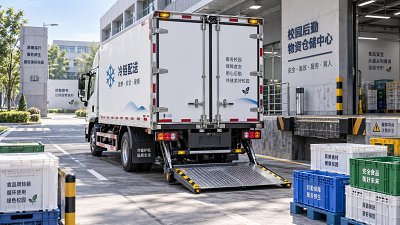
For tractor heads, cargo trucks, and refrigerated trucks, fuel economy and uptime matter most.
Select a commercial trucks manufacturer in China that can match engine power, axle ratio, and transmission to route conditions.
Request maintenance intervals, fuel consumption references, and spare parts lists for high-mileage operations.
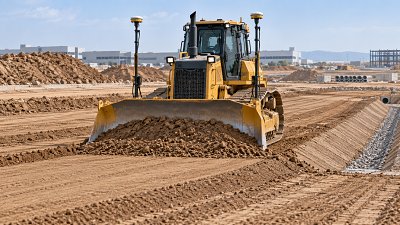
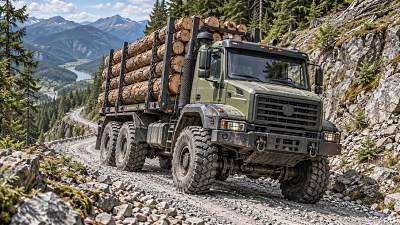
Construction, mining, and infrastructure projects
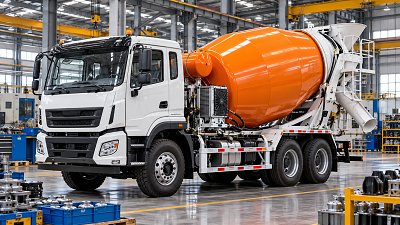
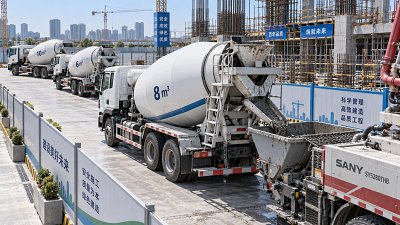
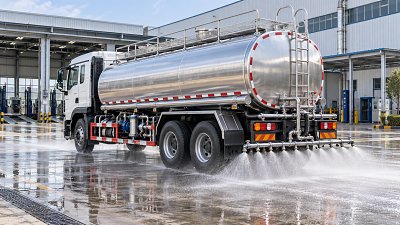
Dump trucks, concrete mixers, and water tankers often work under heavy load and harsh terrain.
The chosen commercial trucks manufacturer in China should prove frame reinforcement, suspension durability, hydraulic reliability, and dust-resistant design.
Ask for cases involving similar road conditions, payload cycles, and project environments.
Municipal and special-purpose vehicles
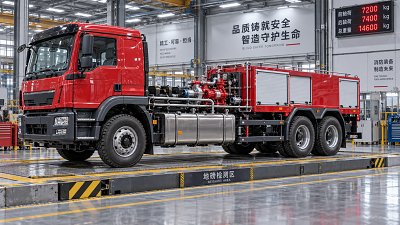
Garbage trucks, sweepers, fire trucks, and aerial work vehicles require specialized upper-body integration.
Choose a commercial trucks manufacturer in China with experience in chassis conversion and hydraulic, electrical, or control system integration.
Confirm training materials, operating manuals, and maintenance instructions before shipment.
Common Overlooked Risks in China Truck Sourcing
Unclear supplier identity: Some sellers market themselves as factories while operating as intermediaries.
This is not always negative, but it affects pricing, accountability, customization control, and after-sales responsibility.
Configuration mismatch: A model may look suitable but fail under local roads, climate, fuel quality, or payload requirements.
Always match technical specifications with real transport tasks rather than relying on generic recommendations.
Weak spare parts planning: A low purchase price can become costly if parts are unavailable after delivery.
Request a recommended parts package, part numbers, replacement cycles, and warranty claim procedures.
Loose contract terms: Vague terms create disputes over delivery dates, inspection standards, payment milestones, and document responsibilities.
Every agreement with a commercial trucks manufacturer in China should include technical attachments and acceptance criteria.
Practical Steps for a Safer Vetting Process
- Shortlist suppliers by product category, export market experience, available certifications, and responsiveness to technical questions.
- Send the same specification sheet to each commercial trucks manufacturer in China for consistent price and capability comparison.
- Request a technical proposal that includes configuration, lead time, warranty, spare parts, inspection process, and shipment method.
- Use video meetings to confirm workshop conditions, vehicle inventory, production status, and communication professionalism.
- Start with a sample vehicle, pilot batch, or third-party inspection before approving a large commercial truck order.
Digital B2B platforms can make this process more efficient.
The Global Heavy Truck Industry Platform supports product discovery, supplier comparison, industry insights, and cross-border trade collaboration.
It connects buyers with truck chassis, complete trucks, light trucks, trailers, construction machinery, and spare parts resources.
Conclusion: Choose a Commercial Trucks Manufacturer in China with Evidence
The best commercial trucks manufacturer in China is not simply the lowest bidder.
The right partner proves capability through documents, production evidence, quality systems, export records, and dependable support.
Before placing bulk orders, build a checklist, compare technical details, verify compliance, and confirm after-sales resources.
A structured process improves sourcing accuracy and protects long-term vehicle operation.
Use trusted industry platforms, request verifiable data, and move from inquiry to order only when every key risk is controlled.
Trending News
- How to verify spare parts availability with a crane truck supplier
- How to verify a truck trailer OEM's claimed payload capacity
- How does operating weight affect the price of a new excavator?
- How to compare concrete mixer truck suppliers by total landed cost
- How axle load limits affect low bed trailer exports to Southeast Asia
Tag
Recommended News
 Buying GuideHow to verify spare parts availability with a crane truck supplierChoosing a crane truck supplier? Learn how to verify spare parts stock, compatibility, delivery times, and support commitments to reduce downtime and buy with confidence.
 Buying GuideHow to verify a truck trailer OEM's claimed payload capacityVerify a truck trailer OEM's payload claim with tare records, load calculations, and structural evidence. Learn key checks to avoid costly mistakes and buy with confidence.
 Buying GuideHow does operating weight affect the price of a new excavator?See how operating weight affects excavator price, transport costs, and productivity. Compare configurations and uncover the best value for your next equipment purchase.
 Buying GuideHow to compare concrete mixer truck suppliers by total landed costCompare truck cement mixer supplier quotes by total landed cost, including freight, duties, and delivery. Uncover hidden charges and choose the best-value truck for your fleet.
 Buying GuideWhen does heavy equipment transport require a lowboy trailer?Does your heavy equipment need a lowboy trailer? Discover how loaded height, weight distribution, loading access, and route limits determine the right choice for safe transport.
 Buying GuideHow to choose an off road truck for steep and unstable job sitesChoose the right off road truck for steep, unstable job sites. Compare traction, braking, stability, clearance, payload, and route-test essentials.
 Buying GuideHow to match crane truck lifting capacity to your jobsite loadsCrane truck capacity planning made clear: calculate gross load, radius, rigging, outriggers, and ground conditions to select safer, job-ready lifting equipment.
 Buying GuideHow to match lowbed trailer deck height to your hauling equipmentLowbed trailer deck height guide: match equipment clearance, ramp geometry, axle loads, tractor fit, and route limits for safer, more efficient hauling.
 Buying GuideWhat to verify before choosing a delivery truck supplier for school transportationDelivery truck supplier for school transportation: verify route fit, payload, safety, compliance, service support, and total cost before choosing a reliable partner.
 Buying GuideWhat an excavator manufacturer catalog should show before you compare modelsExcavator manufacturer catalog guide: verify supplier identity, configurations, hydraulics, compliance, parts support, and delivery readiness before comparing models.
 Buying GuideWhat to check before appointing a bulldozer distributorBulldozer distributor selection guide: evaluate service, parts availability, warranty, pricing, compliance, and lifecycle value to reduce downtime and protect fleet investment.
 Buying GuideWhat to verify before choosing a truck cement mixer supplierTruck cement mixer supplier checklist: verify chassis fit, drum quality, hydraulics, compliance, spare parts, and after-sales support before you buy.
 Buying GuideHow to verify a truck spare parts supplier before placing a bulk orderTruck spare parts supplier verification made practical: learn how to check part specifications, factory control, test records, samples, pricing, and delivery capability before placing a bulk order.
 Buying GuideWhat size truck container is right for a typical freight load?Truck container sizing made simple: compare payload, volume, pallet layouts, route access, and loading needs to choose the most efficient freight solution.
 Buying GuideWhat drives semi trailer price differences between similar models?Semi trailer price differences come down to frame materials, axles, suspension, coating, and configuration. Compare specifications line by line to choose lasting value.
 Buying GuideHow to compare excavator manufacturer price lists before requesting quotesCompare an excavator manufacturer price list with confidence. Learn to normalize configurations, calculate landed costs, assess options and service, and create stronger RFQs.
 Buying GuideHow to choose a mixer truck drum capacity for your concrete pourMixer truck capacity guide: match drum size to pour rate, legal payload, site access, and delivery cycles for efficient, reliable concrete placement.
 Buying GuideHow to size a bulldozer for construction site grading workBulldozer for construction sizing guide: match weight, blade, traction, grade control, and transport needs to improve grading productivity and costs.
 Buying GuideHow to assess a truck cement manufacturer’s build quality before orderingTruck cement manufacturer build quality: assess tank steel, welding, chassis integration, pneumatic systems, factory QC, and inspection evidence before ordering.
 Buying GuideWhen does a truck trailer OEM make sense for private-label fleets?Truck trailer OEM programs help private-label fleets cut lifecycle costs, standardize operations, and improve uptime. Learn when customization delivers real commercial value.
 Buying GuideWhat to verify before choosing a water truck OEM for your fleetWater truck OEM selection guide: verify chassis compatibility, tank quality, pump performance, compliance, and service support to build a safer, more reliable fleet.
 Buying GuideHow to size a cab chassis truck for a fire department apparatusCab chassis truck for fire department sizing guide: balance GVWR, axle loads, wheelbase, water tank placement, and mission needs for safer apparatus design.
 Buying GuideWhat to verify before choosing a truck chassis supplierChoose the right truck chassis supplier with a practical checklist for application fit, axle ratings, body integration, quality control, delivery reliability, and after-sales support.
 Buying GuideHow to choose a logging truck for steep and rough forest roadsLogging truck selection for steep, rough forest roads: compare traction, braking, gearing, chassis strength, tires, and supplier support for safer, more reliable hauling.
 Buying GuideHow to choose a flatbed trailer deck length for oversized loadsFlatbed trailer deck length guide for oversized loads: balance cargo support, axle weight, securement space, overhang, and route access for safer transport.