Construction Machinery for Mining: Cost vs Output
For project managers overseeing mining operations, choosing the right construction machinery for mining is always a balance between upfront cost, long-term operating expense, and real production output. The wrong equipment decision can slow schedules, raise fuel and maintenance costs, and reduce site profitability. This article explores how to evaluate machinery performance, supplier value, and total cost of ownership so mining and infrastructure teams can make smarter procurement decisions in a competitive global equipment market.
Why Cost Alone Is a Risky Way to Buy Construction Machinery for Mining
In mining projects, the purchase price is visible, but lost production is often more expensive. A lower-cost machine may become costly if it cannot match haulage cycles, terrain, payload targets, or maintenance windows.
Construction machinery for mining works under heavy load, abrasive materials, long shifts, and changing site conditions. Project managers need to judge cost against output, uptime, fuel use, operator productivity, and parts availability.
Key equipment categories in mining operations
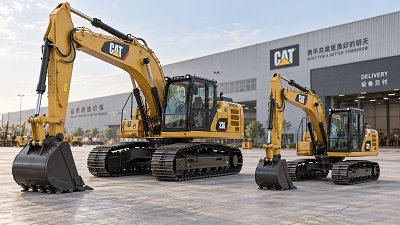
- Excavators and loaders for overburden removal, ore loading, stockpile management, and support work around crushing or screening areas.
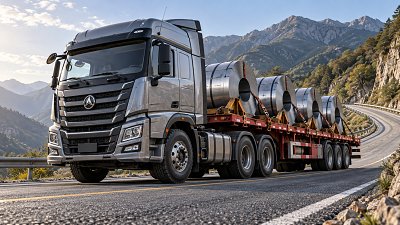
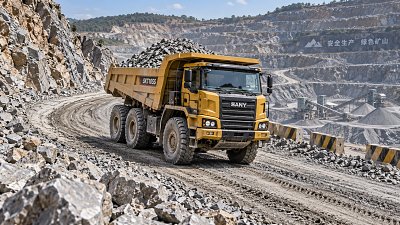
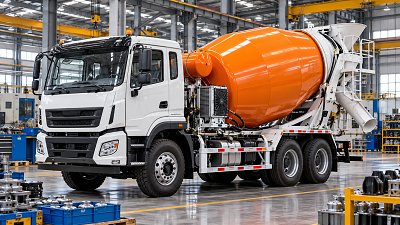
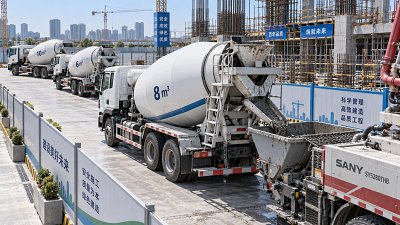
- Rigid dump trucks, articulated dump trucks, and heavy-duty trucks for short-distance haulage between pits, processing points, and waste dumps.
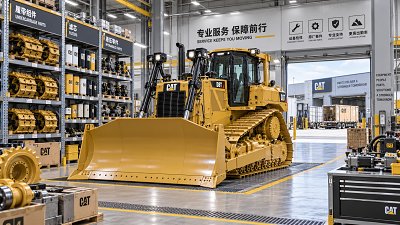
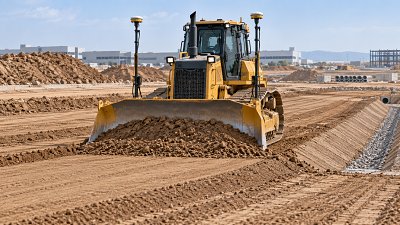
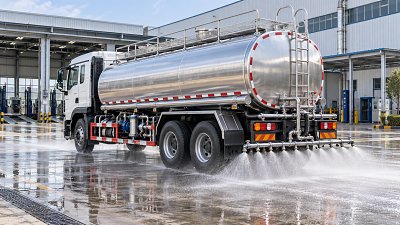
- Graders, bulldozers, compactors, and water trucks for haul road maintenance, dust control, bench preparation, and site safety improvement.
- Drilling rigs, breakers, and auxiliary machines that influence excavation speed, fragmentation quality, and downstream loading efficiency.
The most effective procurement decisions start with the work package, not the machine brochure. Output requirements, haul distance, material density, gradient, climate, and support capability should guide selection.
How to Compare Cost, Output, and Utilization on Site
A practical comparison should convert technical data into project economics. The following table helps managers evaluate construction machinery for mining using measurable operating indicators rather than isolated purchase price.
This comparison shows why a machine with a higher initial price may deliver better cost per ton. The key is to connect machine capability with the mine plan and daily dispatch model.
A useful decision formula
Project teams can compare options by estimating cost per ton or cost per cubic meter. Include purchase cost, financing, fuel, tires or undercarriage, maintenance, operator cost, downtime, transport, and resale value.
When construction machinery for mining is evaluated this way, the discussion becomes less emotional. Suppliers can be compared on facts, and finance teams can see why productivity matters.
Which Machines Fit Different Mining and Infrastructure Scenarios?
Mining sites are not identical. Open-pit coal, quarry aggregate, metal ore, infrastructure borrow pits, and remote road projects require different combinations of construction machinery for mining.
Scenario-based selection guide
The table below summarizes typical choices for common site conditions. It is intended as a procurement starting point, not a replacement for engineering review.
This scenario approach helps project leaders avoid oversizing or undersizing. A balanced fleet often performs better than a single premium machine operating inside a weak support system.
Technical Parameters Project Managers Should Confirm Before Ordering
Technical specifications matter only when they relate to site output. For construction machinery for mining, procurement teams should ask for comparable operating data and not rely only on catalogue ratings.
Parameter checklist for supplier discussions
- Confirm rated capacity, recommended working weight, cycle time assumptions, and whether figures are based on standard or optional attachments.
- Review engine emission level, fuel compatibility, cooling system design, hydraulic pressure, transmission type, and braking configuration.
- Check ground pressure, tire specification, undercarriage design, turning radius, climbing ability, and suitability for muddy or rocky conditions.
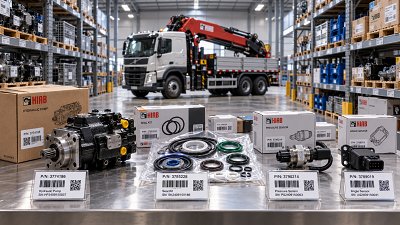
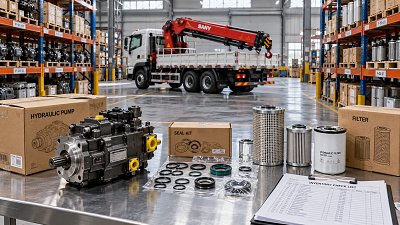
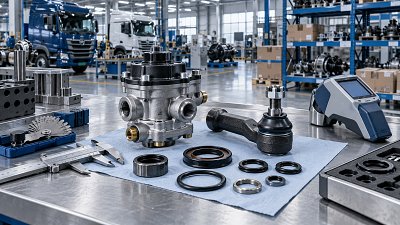
- Ask for maintenance interval guidance, major component service life assumptions, diagnostic tools, and recommended spare parts for the first year.
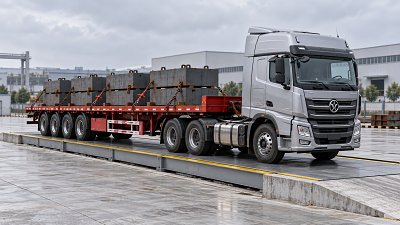
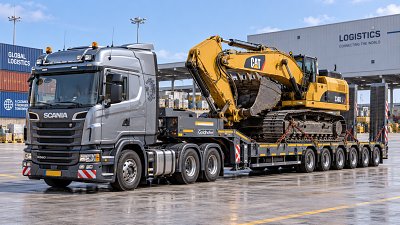
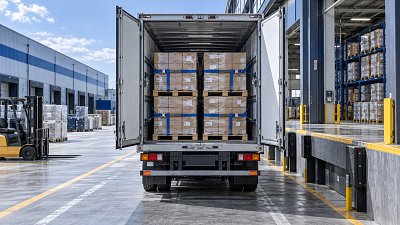
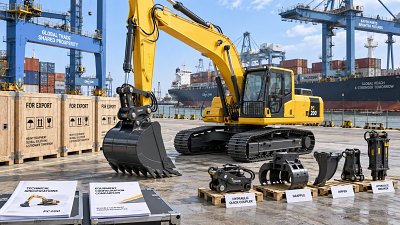
- Clarify shipping dimensions, disassembly requirements, port handling needs, and compatibility with available trailers or site transport vehicles.
Why land transport equipment integration matters
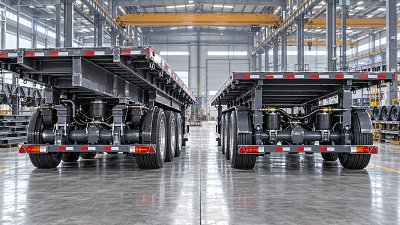
Mining machinery does not work alone. Dump trucks, trailers, service vehicles, fuel trucks, and spare parts logistics strongly influence machine utilization and project continuity.
A loader with excellent bucket capacity may still underperform if the haul truck fleet is too small. A high-output excavator may wait if trailers and spare parts arrive late.
Total Cost of Ownership: What Should Be Included?
Total cost of ownership gives project managers a clearer picture than purchase price. It connects capital spending with operating performance across the expected project period.
Before purchasing construction machinery for mining, teams should estimate major cost items under realistic working hours. The following table outlines typical cost drivers and management actions.
Cost planning should include uncertainty. If the project is remote, spare parts lead time and service response may deserve more weight than a small discount.
Supplier Evaluation: What Separates a Useful Quote from a Risky One?
A useful supplier quote should answer how the machine will perform on your site. A risky quote focuses only on a headline price without configuration, warranty, delivery, or support details.
Questions to ask before shortlisting suppliers
- Can the supplier explain machine suitability for material density, haul distance, altitude, temperature, and working hours?
- Are technical documents, parts catalogues, maintenance schedules, and operator manuals available in a usable language?
- What is included in the quotation, including attachments, tires, filters, tools, diagnostics, warranty, and shipping terms?
- How will after-sales support be handled if the mine is located far from major service centers?
- Can the supplier provide compatible trucks, trailers, spare parts, or related land transport equipment through one coordinated channel?
The Global Heavy Truck Industry Platform supports this evaluation by connecting buyers with manufacturers, suppliers, distributors, and related product resources across the heavy truck and equipment supply chain.
For construction machinery for mining, the platform helps buyers explore equipment categories, compare supplier capabilities, review product information, and identify partners for cross-border procurement.
Compliance, Documentation, and Import Readiness
Mining equipment procurement often crosses borders. Project managers should not leave compliance checks until shipment. Documentation gaps can delay customs clearance, financing, insurance, or site commissioning.
Common documentation points
- Commercial invoice, packing list, bill of lading, certificate of origin, and clearly defined Incoterms for international trade.
- Engine emission documentation where required, such as commonly referenced Stage, Tier, or equivalent regional requirements.
- Operator safety instructions, maintenance manuals, warning labels, and lifting or transport guidance for site acceptance.
- Warranty terms, spare parts lists, recommended consumables, and service contact arrangements before final payment.
Requirements vary by destination market, machine type, and project owner. Early confirmation reduces delivery risk and helps procurement teams avoid expensive rework.
Common Mistakes When Buying Construction Machinery for Mining
Many procurement problems appear after the machine arrives. They often come from unclear specifications, incomplete site data, or pressure to accept the lowest quotation.
Mistakes that reduce output
- Buying equipment without confirming compatibility between excavator bucket size, truck body capacity, and planned loading cycles.
- Ignoring haul road condition, gradient, tire wear, braking demand, and dust control when estimating daily production.
- Treating spare parts as an afterthought instead of planning filters, wear parts, hoses, tires, and critical components before commissioning.
- Comparing suppliers only on unit price while overlooking delivery time, documentation quality, warranty procedure, and communication efficiency.
Avoiding these mistakes requires coordination between engineering, procurement, finance, and site operations. The best decision is rarely the cheapest machine; it is the machine that protects production.
FAQ: Practical Questions from Project Managers
How do I choose construction machinery for mining when the budget is limited?
Start with the production bottleneck. If haulage limits output, prioritize trucks and road maintenance. If loading is the bottleneck, focus on excavator capacity, bucket selection, and cycle efficiency.
Is it better to buy new machinery or consider used equipment?
New machines usually offer clearer warranty and configuration choices. Used machines may reduce capital cost, but inspection, maintenance history, spare parts, and remaining component life require careful review.
What delivery factors should be confirmed before signing a purchase order?
Confirm production availability, shipping schedule, port requirements, disassembly needs, insurance, customs documents, and inland transport. For remote projects, commissioning support should also be discussed early.
Which data should I provide to suppliers for accurate recommendations?
Provide material type, density, haul distance, road gradient, altitude, temperature range, working hours, target output, existing fleet details, fuel availability, and maintenance capability.
Why Choose the Global Heavy Truck Industry Platform
The Global Heavy Truck Industry Platform is built for buyers who need more than product listings. It brings together heavy trucks, construction machinery, trailers, semi-trailers, chassis, cabs, and spare parts resources.
For project managers sourcing construction machinery for mining, the platform supports product discovery, supplier comparison, and informed communication across international markets and multiple equipment categories.
What you can consult before procurement
- Parameter confirmation for excavators, loaders, dump trucks, trailers, and support vehicles used in mining or infrastructure projects.
- Equipment selection based on output target, haul distance, material condition, road quality, operating hours, and site environment.
- Quotation communication covering configuration, delivery cycle, shipping terms, spare parts packages, documentation, and after-sales expectations.
- Supplier comparison for buyers who need reliable options across commercial vehicles, heavy equipment, and supporting land transport equipment.
- Custom solution discussion when a project requires combined machinery, trucks, trailers, spare parts, and staged delivery planning.
If your team is comparing cost against output, use the platform to organize requirements, identify suitable suppliers, and clarify technical and commercial details before committing capital.
A well-matched fleet can improve schedule control, reduce avoidable downtime, and strengthen project profitability. Start by sharing your site conditions, target capacity, delivery window, and compliance needs.
Trending News
- CATL Unveils Tianxing II Electric-to-Electric Range-Extended Heavy Truck Solution
- How much torque does a truck engine need for heavy-duty hauling?
- How to assess a crane truck distributor's spare parts support
- Volvo Group Forms Volvo Mining to Integrate Equipment and Autonomous Solutions
- How to verify spare parts availability with a crane truck supplier
Tag
Recommended News
 Buying GuideHow much torque does a truck engine need for heavy-duty hauling?How much truck engine torque do you need? Explore the 1,250–2,050 lb-ft range and learn how load, gearing, and gradients shape the right choice for heavy-duty hauling.
 Buying GuideHow to assess a crane truck distributor's spare parts supportAssess a crane truck distributor's spare parts support with practical checks for stock, delivery, and technical expertise. Discover how to reduce downtime and buy with confidence.
 Buying GuideHow to verify spare parts availability with a crane truck supplierChoosing a crane truck supplier? Learn how to verify spare parts stock, compatibility, delivery times, and support commitments to reduce downtime and buy with confidence.
 Buying GuideHow to verify a truck trailer OEM's claimed payload capacityVerify a truck trailer OEM's payload claim with tare records, load calculations, and structural evidence. Learn key checks to avoid costly mistakes and buy with confidence.
 Buying GuideHow does operating weight affect the price of a new excavator?See how operating weight affects excavator price, transport costs, and productivity. Compare configurations and uncover the best value for your next equipment purchase.
 Buying GuideHow to compare concrete mixer truck suppliers by total landed costCompare truck cement mixer supplier quotes by total landed cost, including freight, duties, and delivery. Uncover hidden charges and choose the best-value truck for your fleet.
 Buying GuideWhen does heavy equipment transport require a lowboy trailer?Does your heavy equipment need a lowboy trailer? Discover how loaded height, weight distribution, loading access, and route limits determine the right choice for safe transport.
 Buying GuideHow to choose an off road truck for steep and unstable job sitesChoose the right off road truck for steep, unstable job sites. Compare traction, braking, stability, clearance, payload, and route-test essentials.
 Buying GuideHow to match crane truck lifting capacity to your jobsite loadsCrane truck capacity planning made clear: calculate gross load, radius, rigging, outriggers, and ground conditions to select safer, job-ready lifting equipment.
 Buying GuideHow to match lowbed trailer deck height to your hauling equipmentLowbed trailer deck height guide: match equipment clearance, ramp geometry, axle loads, tractor fit, and route limits for safer, more efficient hauling.
 Buying GuideWhat to verify before choosing a delivery truck supplier for school transportationDelivery truck supplier for school transportation: verify route fit, payload, safety, compliance, service support, and total cost before choosing a reliable partner.
 Buying GuideWhat an excavator manufacturer catalog should show before you compare modelsExcavator manufacturer catalog guide: verify supplier identity, configurations, hydraulics, compliance, parts support, and delivery readiness before comparing models.
 Buying GuideWhat to check before appointing a bulldozer distributorBulldozer distributor selection guide: evaluate service, parts availability, warranty, pricing, compliance, and lifecycle value to reduce downtime and protect fleet investment.
 Buying GuideWhat to verify before choosing a truck cement mixer supplierTruck cement mixer supplier checklist: verify chassis fit, drum quality, hydraulics, compliance, spare parts, and after-sales support before you buy.
 Buying GuideHow to verify a truck spare parts supplier before placing a bulk orderTruck spare parts supplier verification made practical: learn how to check part specifications, factory control, test records, samples, pricing, and delivery capability before placing a bulk order.
 Buying GuideWhat size truck container is right for a typical freight load?Truck container sizing made simple: compare payload, volume, pallet layouts, route access, and loading needs to choose the most efficient freight solution.
 Buying GuideWhat drives semi trailer price differences between similar models?Semi trailer price differences come down to frame materials, axles, suspension, coating, and configuration. Compare specifications line by line to choose lasting value.
 Buying GuideHow to compare excavator manufacturer price lists before requesting quotesCompare an excavator manufacturer price list with confidence. Learn to normalize configurations, calculate landed costs, assess options and service, and create stronger RFQs.
 Buying GuideHow to choose a mixer truck drum capacity for your concrete pourMixer truck capacity guide: match drum size to pour rate, legal payload, site access, and delivery cycles for efficient, reliable concrete placement.
 Buying GuideHow to size a bulldozer for construction site grading workBulldozer for construction sizing guide: match weight, blade, traction, grade control, and transport needs to improve grading productivity and costs.
 Buying GuideHow to assess a truck cement manufacturer’s build quality before orderingTruck cement manufacturer build quality: assess tank steel, welding, chassis integration, pneumatic systems, factory QC, and inspection evidence before ordering.
 Buying GuideWhen does a truck trailer OEM make sense for private-label fleets?Truck trailer OEM programs help private-label fleets cut lifecycle costs, standardize operations, and improve uptime. Learn when customization delivers real commercial value.
 Buying GuideWhat to verify before choosing a water truck OEM for your fleetWater truck OEM selection guide: verify chassis compatibility, tank quality, pump performance, compliance, and service support to build a safer, more reliable fleet.
 Buying GuideHow to size a cab chassis truck for a fire department apparatusCab chassis truck for fire department sizing guide: balance GVWR, axle loads, wheelbase, water tank placement, and mission needs for safer apparatus design.
 Buying GuideWhat to verify before choosing a truck chassis supplierChoose the right truck chassis supplier with a practical checklist for application fit, axle ratings, body integration, quality control, delivery reliability, and after-sales support.