Selecting the right concrete pump can determine whether a project stays on schedule, controls costs, and meets placement requirements safely.
For project managers, the decision is not only about maximum output, but also about reach, access, mix design, labor, and coordination.
This guide explains how to evaluate pump capacity, boom or line configuration, and jobsite fit for more confident procurement decisions.
Start With the Real Placement Requirement, Not the Largest Pump
The best concrete pump is not always the highest-output model. It is the pump that matches the project’s actual placement rhythm.
Many delays happen because teams compare rated capacity only, while ignoring how concrete will move through the site each day.
Project managers should first define pour volume, placement sequence, distance, elevation, access restrictions, and the expected discharge rate at the form.
A large boom pump may look efficient, but it can be uneconomical if setup space, permits, or utilization are limited.
Likewise, a small line pump can become expensive when it forces longer pour durations, higher labor hours, or frequent hose relocations.
The right evaluation begins with the project schedule and placement plan, then works backward to equipment output, reach, and configuration.
How Much Output Do You Really Need?
Concrete pump output is usually expressed in cubic meters or cubic yards per hour, but rated output is rarely achieved continuously.
Actual output depends on concrete supply, truck mixer cycle time, pipe layout, mix workability, pumping distance, operator skill, and site interruptions.
For planning, project managers should compare required placement volume with realistic hourly performance, not only manufacturer maximum specifications.
If a slab requires 300 cubic meters in six hours, the operation needs about 50 cubic meters per hour at the placement point.
However, the selected concrete pump should provide a practical margin, because truck delays, testing, finishing coordination, and repositioning reduce effective productivity.
A common mistake is choosing a pump with just enough theoretical output, leaving no buffer for normal construction variability.
For critical pours, such as bridge decks, high-rise cores, or industrial floors, capacity reserve can protect quality and schedule commitments.
Still, oversizing has costs. Larger pumps may require more space, stronger support, higher rental rates, and more experienced operators.
Reach: Horizontal Distance, Vertical Height, and Placement Flexibility
Reach is often more important than output when access is limited, structures are congested, or pours occur above ground level.
Boom pumps provide fast placement over obstacles, making them suitable for commercial buildings, bridges, infrastructure work, and sites with restricted labor movement.
Line pumps use hoses or pipelines and are effective for smaller pours, long horizontal distances, tight access areas, and controlled placement zones.
When evaluating reach, distinguish between manufacturer boom length and actual usable reach after truck position, outrigger footprint, and safety clearance are considered.
A 40-meter boom does not mean every point within 40 meters is reachable under real jobsite conditions.
Vertical pumping also adds pressure demand. High-rise applications require careful assessment of pump pressure, pipeline diameter, bends, and concrete mix stability.
For long-distance pumping, friction losses increase with pipeline length, sharp bends, reducers, and poor pipe condition, reducing practical output significantly.
Project managers should request a pumping layout drawing for complex pours, especially when multiple levels, road closures, or limited setup areas are involved.
Choosing Between Boom Pump, Line Pump, Trailer Pump, and Truck-Mounted Pump
A boom concrete pump is usually preferred when fast placement, high accessibility, and reduced manual hose handling are priorities.
It can shorten pour time and improve labor efficiency, but requires stable ground, sufficient setup area, and safe outrigger deployment.
A line pump is more flexible in confined areas and is often suitable for residential work, foundations, tunnel sections, and small commercial projects.
Its lower mobilization cost can be attractive, but labor demand may rise because hoses must be moved and managed during placement.
Trailer-mounted pumps are useful for longer-term sites where the pump can remain positioned and connected to a planned pipeline system.
Truck-mounted line pumps offer mobility and faster relocation, helping contractors handle multiple small pours or urban jobs with access constraints.
The selection should reflect how often the pump moves, how far concrete travels, and how much labor is available during each pour.
For procurement teams, total project cost matters more than daily rental cost, because slower placement can affect cranes, crews, finishers, and schedules.
Jobsite Fit: Access, Ground Conditions, Safety, and Workflow
Jobsite fit is where many concrete pump selection errors become visible. A suitable pump on paper may fail in actual operation.
Before confirming equipment, evaluate road width, turning radius, entrance height, overhead lines, underground utilities, slope, traffic control, and staging space.
Boom pumps need adequate outrigger space and ground bearing capacity. Soft ground, trenches, basements, and utility covers may require support measures.
Urban projects may also require road permits, night work approval, noise restrictions, and coordination with public traffic or neighboring properties.
The pump location must allow continuous truck mixer access. If mixers cannot queue or reverse safely, output will fall quickly.
On congested sites, a smaller pump with better access may outperform a larger unit that forces complex traffic and setup arrangements.
Safety planning should include exclusion zones, boom clearance, hose whip prevention, emergency stop procedures, communication signals, and trained personnel at discharge points.
For project managers, the practical question is simple: can the pump operate continuously without blocking other critical site activities?
Concrete Mix Design Can Make or Break Pumping Performance
Even a properly sized concrete pump will underperform if the mix is not suitable for pumping through the selected pipeline or boom.
Workability, aggregate size, cementitious content, admixtures, water-cement ratio, temperature, and slump retention all influence pumpability and pressure requirements.
Harsh mixes, oversized aggregate, rapid slump loss, or poor grading can cause blockages, high pressure, segregation, and inconsistent discharge.
Before major pours, project managers should align the concrete supplier, pump operator, site engineer, and quality control team on mix requirements.
For long pipelines or vertical pumping, the mix may need stronger cohesion, optimized fines, and admixtures that maintain flow without segregation.
Do not treat pump selection and mix design as separate decisions. They are connected parts of the same placement system.
A trial pump or pre-pour test is valuable when the project involves unusual materials, extreme distances, high temperatures, or critical structural elements.
Output Planning Must Include Concrete Supply and Crew Coordination
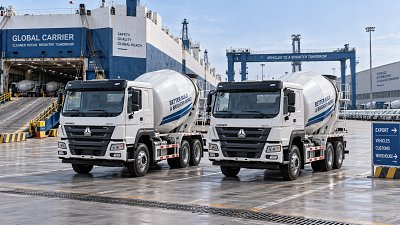
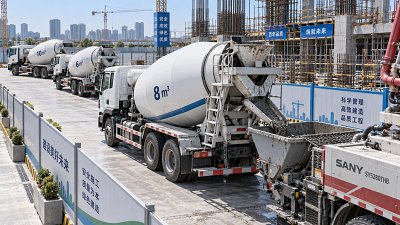
A concrete pump cannot deliver more concrete than the batching plant and truck mixers can supply consistently to the site.
When estimating output, calculate mixer capacity, travel time, loading time, unloading time, testing procedures, site access, and traffic uncertainty.
If supply is inconsistent, a high-capacity pump may sit idle, increasing cost without improving the pour schedule.
The finishing crew must also match the placement rate. Pouring too fast can create surface quality problems or unsafe working conditions.
For slabs and industrial floors, placing speed should support screeding, vibration, finishing windows, joint planning, and temperature-related setting behavior.
For walls, columns, and vertical elements, lift height and placement speed must prevent excessive form pressure and segregation.
Effective pump selection therefore requires coordination among procurement, construction management, concrete supplier, quality control, safety, and subcontractor teams.
Cost Evaluation: Look Beyond the Pump Rental or Purchase Price
The cheapest pump option may not produce the lowest total placement cost. Project managers should evaluate the entire operating impact.
Key cost factors include mobilization, setup time, pump rate, pipeline accessories, labor, standby charges, permits, traffic control, and cleaning requirements.
Schedule risk also has value. A pump that reduces pour duration can lower overtime, crane conflicts, equipment waiting time, and subcontractor disruption.
For contractors considering purchase, utilization rate is critical. Ownership makes sense only when expected workload can absorb financing and maintenance costs.
Maintenance capability, spare parts availability, operator training, and service support should influence equipment decisions as much as technical specifications.
For international buyers sourcing through a B2B platform, supplier reliability, documentation, after-sales support, and parts logistics require careful comparison.
A well-selected concrete pump should improve productivity, but the business case must include downtime risk and lifecycle operating expense.
A Practical Selection Checklist for Project Managers
Before selecting a concrete pump, define the maximum pour volume, required completion window, placement points, and acceptable interruption risk.
Confirm horizontal reach, vertical reach, pipeline length, number of bends, boom working area, and whether repositioning will be required.
Check access conditions, road restrictions, ground bearing capacity, outrigger space, overhead hazards, truck mixer circulation, and emergency access routes.
Review concrete mix design, aggregate size, slump target, admixture plan, temperature conditions, and whether the supplier has relevant pumping experience.
Estimate realistic output based on supply logistics and crew capacity, then choose a pump with an appropriate performance margin.
Compare equipment options by total placement cost, not only quoted pump rate, especially for schedule-sensitive or high-volume projects.
Finally, confirm operator qualifications, maintenance records, inspection documents, spare pipe availability, cleaning plan, and site communication procedures.
Common Selection Mistakes to Avoid
One common mistake is treating maximum output as the main decision criterion, while ignoring access, pipeline pressure, and concrete supply limits.
Another mistake is selecting a boom length without verifying actual setup position, outrigger footprint, and safe clearance from hazards.
Projects also suffer when pump planning happens too late, after site logistics, formwork layout, or delivery routes have already been fixed.
Some teams underestimate hose handling labor for line pumps, causing fatigue, slower placement, and higher safety risk during busy pours.
Others fail to involve the concrete supplier early, leading to mixes that technically meet strength requirements but perform poorly during pumping.
Avoiding these mistakes usually requires early coordination, realistic productivity assumptions, and equipment selection based on the full placement process.
Conclusion: Match the Concrete Pump to the Job, Not the Brochure
Selecting a concrete pump is a project management decision, not just an equipment specification exercise or a price comparison.
The right choice balances output, reach, site access, mix design, labor availability, safety requirements, and overall schedule impact.
For simple pours, a cost-effective line pump may be sufficient. For complex or high-volume work, a boom pump may protect productivity.
For high-rise, infrastructure, or long-distance applications, pressure capability, pipeline design, supplier expertise, and testing become especially important.
Project managers who evaluate the complete placement system can reduce delays, control costs, improve safety, and make stronger procurement decisions.
In practice, the best concrete pump is the one that keeps concrete moving reliably from batch plant to final placement point.