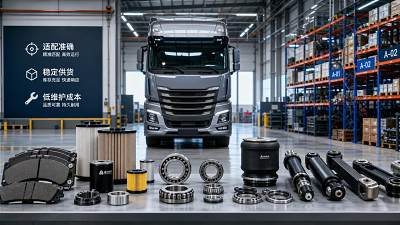
What Makes a Good Truck Parts Manufacturer
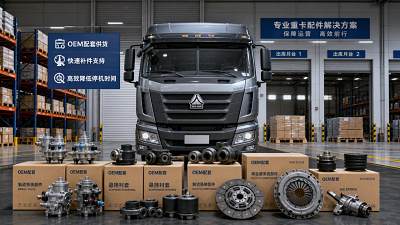
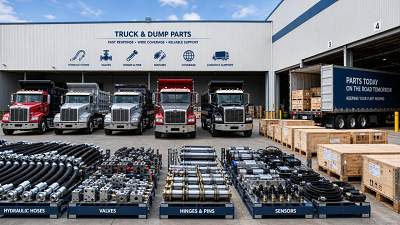
Choosing the right truck parts manufacturer is critical for buyers comparing dump truck for sale options, truck cement mixer components, or excavator parts for demanding operations. A reliable manufacturer offers consistent quality, strong supply capacity, and industry expertise that supports procurement decisions, dealer partnerships, and long-term equipment performance across global commercial vehicle and construction markets.
For information researchers, procurement teams, commercial evaluators, and distributors, the question is not simply who can quote the lowest price. The real issue is which truck parts manufacturer can maintain stable quality across repeated orders, support cross-border delivery, provide technical clarity, and reduce lifecycle risk in high-load transport and construction applications.
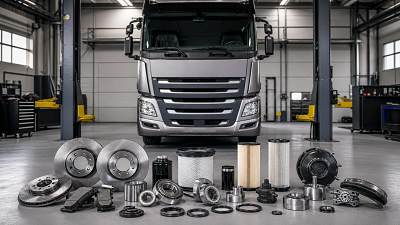
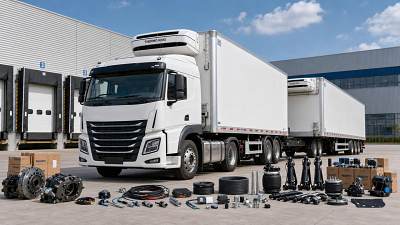
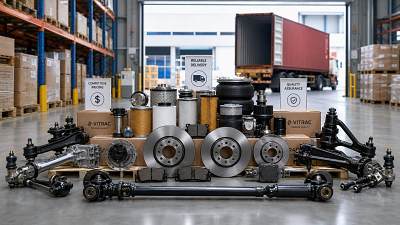
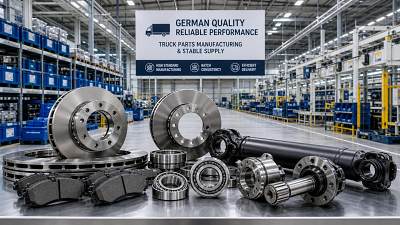
In the road transport equipment sector, parts affect uptime, maintenance intervals, resale value, and fleet safety. Whether the product category includes brake components, suspension systems, cabin parts, drivetrain assemblies, chassis fittings, or wear parts for heavy-duty trucks and trailers, the manufacturer behind those components plays a direct role in operational reliability.
This article explains what makes a good truck parts manufacturer, how buyers should evaluate suppliers, what risks to watch in global sourcing, and how a specialized B2B platform can help buyers compare options more efficiently across the heavy truck supply chain.
Why Manufacturer Quality Matters in Heavy Truck and Construction Markets
A truck parts manufacturer does more than produce components. In heavy transport, the manufacturer influences dimensional consistency, material stability, batch traceability, and delivery reliability. These factors become especially important when trucks operate 8–16 hours per day, carry heavy loads over long distances, or work in mining, municipal engineering, and infrastructure construction environments.
For a distributor or fleet buyer, one low-quality batch can trigger a chain reaction: early wear, repeat replacement, customer complaints, and downtime. If a suspension bushing fails 3 months earlier than expected, or a brake drum shows abnormal wear after 20,000–30,000 km instead of a normal service interval, the apparent savings from a lower unit price disappear quickly.
A good truck parts manufacturer usually shows strength in 4 areas: production control, engineering understanding, supply continuity, and after-sales responsiveness. Buyers evaluating dump truck parts, truck cement mixer parts, or excavator-related transport accessories should look beyond catalog breadth and ask whether the supplier can support demanding duty cycles and repeated procurement.
This is particularly relevant in international B2B sourcing, where buyers may need mixed containers, multi-category purchasing, or regular shipments every 30–60 days. A manufacturer that cannot maintain stable specifications from batch to batch creates risk not only for a single order, but for the entire downstream sales network.
Operational consequences of a poor supplier choice
Poor supplier selection usually appears in practical ways rather than dramatic failures. Common signs include mismatched mounting holes within a tolerance issue of more than ±0.5 mm, inconsistent hardness in wear parts, corrosion problems after short-term storage, delayed lead times of 2–4 weeks beyond schedule, or incomplete packing lists that complicate customs clearance and inventory checks.
For dealers and agents, these issues affect reputation. For procurement managers, they increase inspection costs. For commercial evaluators, they weaken supplier confidence scores and complicate long-term framework agreements.
Key business impacts to measure
- Replacement frequency: parts that fail too early can double annual maintenance volume.
- Inventory pressure: unstable quality often forces buyers to hold 10%–20% more safety stock.
- Warranty exposure: unclear responsibility creates delays in claims and customer settlement.
- Dealer confidence: inconsistent shipments reduce reorder willingness and channel loyalty.
The best truck parts manufacturer is therefore not defined by a single product, but by repeatable performance over time, across multiple SKUs, and through different market conditions.
Core Criteria Buyers Should Use to Evaluate a Truck Parts Manufacturer
A structured evaluation model helps buyers compare manufacturers more accurately. In road transport equipment procurement, assessment should combine technical, commercial, and operational dimensions. A low price may be acceptable for non-critical trim components, but for braking, steering, suspension, drivetrain, and chassis parts, supplier qualification should be much stricter.
One practical approach is to review 6 decision factors: material and process control, fitment consistency, production capacity, lead time stability, documentation quality, and after-sales handling. Buyers sourcing for 50 units, 500 units, or continuous wholesale programs can then score suppliers using the same framework.
A good truck parts manufacturer should also communicate clearly about application range. A supplier that understands heavy-duty trucks, trailers, concrete mixers, and construction support vehicles will usually describe operating load, compatibility range, and maintenance recommendations more accurately than a generic parts trader.
Before placing large orders, many buyers request samples, pilot batches, or pre-shipment verification. In practical terms, testing 3–5 critical SKUs before a container order can reduce commercial risk significantly, especially when entering a new supplier relationship.
A practical supplier evaluation matrix
The following table outlines a practical way to compare truck parts manufacturers across the criteria most relevant to B2B buyers in the heavy truck industry.
The table shows that supplier evaluation must go beyond unit price. In most cases, a manufacturer with better process control and clearer technical support will deliver lower total procurement risk, even if the initial quotation is 5%–12% higher than the cheapest option.
Questions buyers should ask before approving a supplier
- Can the manufacturer explain part compatibility by truck model, axle type, or application scenario?
- What is the normal production lead time for standard orders and urgent replenishment orders?
- How are incoming materials, in-process inspection, and final checks documented?
- Can the supplier support mixed orders covering 10–30 SKUs for distributors?
- What is the process if quality issues appear after installation in the destination market?
When these questions receive clear, specific answers, buyers usually gain a more reliable picture of the manufacturer’s actual capability.
Production Capability, Supply Stability, and Product Range
A good truck parts manufacturer must balance specialization with product coverage. In the heavy truck industry, buyers often prefer suppliers that can support multiple categories within the same vehicle system, such as brake linings, drums, valves, hubs, bearings, and suspension parts. This reduces sourcing fragmentation and simplifies container planning.
At the same time, broad catalogs are not enough. Buyers should verify whether the manufacturer can produce stable volumes for core products. For example, a supplier may list hundreds of truck parts online, but if real output is limited or dependent on subcontracting, delivery schedules may extend from a promised 20 days to 45–60 days during peak periods.
Supply stability is especially important for distributors managing service markets. A dealer cannot effectively promote a part line if reorder quantities face unpredictable delays, changing packaging, or inconsistent specifications. Good manufacturers understand reorder behavior and often prepare standard materials or semi-finished stock for high-turnover items.
For procurement teams handling international orders, supply capacity should also include export readiness. That means product labeling, carton marking, palletization, packing list accuracy, and the ability to consolidate truck parts with related categories such as trailer accessories or construction machinery spares.
How product range should match business model
Different buyer types need different supplier profiles. The table below shows how product range and supply capability should be matched to actual B2B sourcing needs.
The key conclusion is that a strong truck parts manufacturer should match the buyer’s business model, not just the product list. The best supplier for a fleet maintenance program may not be the same supplier best suited for a regional aftermarket distributor.
Signs of healthy supply capability
- Clear MOQ ranges, such as 20–100 pieces for standard parts and higher volumes for customized items.
- Normal lead times defined by category, for example 15–30 days for stocked parts and 30–45 days for production orders.
- Ability to manage mixed packaging, barcode labeling, and shipment consolidation.
- Consistent drawings, part numbers, and packaging marks across repeat orders.
These operational details often separate a dependable manufacturer from a supplier that only performs well during quotation stage.
Quality Control, Technical Support, and Risk Prevention
In heavy truck parts sourcing, quality control must be visible rather than assumed. A good truck parts manufacturer should be able to describe how products are checked before shipment, what dimensions or functions are tested, and how nonconforming items are isolated. Buyers do not need confidential factory secrets, but they do need evidence of structured control.
For many truck parts, the key issue is not whether the part looks correct, but whether it performs consistently in service. A brake component, suspension part, hub assembly, or chassis fitting may install properly but fail early if the material, surface treatment, or machining process varies from batch to batch. That is why pre-shipment inspection, sample verification, and specification confirmation remain essential.
Technical support is also part of quality. Good manufacturers help buyers confirm fitment, identify replacement references, and avoid ordering errors. This can save significant time when sourcing for different truck brands, regional specifications, or mixed fleets with varying model years.
Risk prevention should start before the purchase order is confirmed. Buyers should agree on 3 practical points: product specifications, packing requirements, and claim handling procedures. These basic controls reduce misunderstanding during production and after delivery.
Common sourcing risks and how to reduce them
The following table summarizes common risks in truck parts procurement and the preventive actions buyers should include in supplier evaluation.
The most effective risk control is clarity before production. When specifications, acceptance criteria, and packaging rules are documented early, both buyer and manufacturer can reduce disputes and improve order predictability.
A simple 5-step quality check process for buyers
- Verify part references, dimensions, and truck application data.
- Approve samples or benchmark parts for key SKUs.
- Confirm packaging, labeling, and shipment marks.
- Request pre-shipment photos or inspection summaries for large orders.
- Track field feedback during the first 30–90 days after delivery.
This process is simple enough for distributors and procurement teams, yet strong enough to prevent many common sourcing problems in the heavy truck parts trade.
How a Specialized B2B Platform Helps Buyers Identify Better Manufacturers
In the global heavy truck market, sourcing decisions often involve multiple product categories, international suppliers, and complex comparison work. A specialized B2B platform focused on commercial vehicles and heavy equipment can reduce this workload by connecting buyers with manufacturers, suppliers, distributors, and industry resources in one place.
For buyers searching for truck parts, dump truck for sale support products, truck cement mixer components, trailer accessories, or related construction machinery spares, a vertical platform provides better context than a generic marketplace. Instead of browsing unrelated industrial listings, users can compare suppliers within the same road transport equipment ecosystem.
This matters because evaluation is rarely based on one product alone. Buyers may need to compare a manufacturer’s range in truck chassis and cab parts, complete truck support components, light truck accessories, trailer systems, and spare parts for municipal engineering or mining transport use. A focused platform makes cross-category comparison faster and more transparent.
The Global Heavy Truck Industry Platform is designed around exactly these needs. It supports product discovery, supplier comparison, global trade collaboration, and access to supporting resources such as market insights, buying guides, and truck brand directories. For procurement teams, this shortens research cycles. For manufacturers and distributors, it improves visibility among serious B2B buyers.
What buyers gain from a specialized heavy truck sourcing platform
- Faster supplier screening across multiple truck parts categories and application scenarios.
- Better access to industry-specific product information instead of generic listings.
- Improved comparison of manufacturers for quality, range, and export readiness.
- Useful buying guides and market information that support commercial evaluation.
- Broader visibility into global supply chain options for repeat sourcing and channel expansion.
FAQ: Questions buyers often ask
How do I know if a truck parts manufacturer is suitable for long-term cooperation?
Look for consistency over at least 2–3 orders, not just a good sample. Check whether the supplier maintains stable specifications, responds within 24–72 hours, and can handle routine replenishment without changing lead time unpredictably.
What delivery cycle is common in international truck parts sourcing?
For standard items, 15–30 days is common in many supply arrangements. For customized packaging, mixed orders, or production-based parts, 30–45 days is a more realistic planning range. Buyers should add buffer time for peak seasons and international shipping.
Which parts deserve the strictest supplier review?
Safety-related and high-wear parts should be reviewed most carefully. These often include braking parts, steering components, suspension items, hubs, bearings, and drivetrain-related assemblies. Failure in these categories has a higher operational and commercial impact.
Why is a vertical industry platform useful for distributors and agents?
Because distributors often need more than a single part number. They need supplier comparison, broader product coverage, consistent restocking options, and market visibility. A heavy truck industry platform helps them identify partners that fit real channel needs rather than isolated spot purchases.
A good truck parts manufacturer stands out through repeatable quality, dependable lead times, clear technical communication, and the ability to support real-world heavy truck and construction transport applications. For buyers in road transport equipment markets, the right supplier is one that reduces risk across the full procurement cycle, from supplier screening and sample approval to shipment, installation, and after-sales follow-up.
The Global Heavy Truck Industry Platform helps information researchers, procurement professionals, commercial evaluators, and distributors compare manufacturers more efficiently across truck parts, complete vehicles, trailers, construction machinery, and related spare parts categories. If you are assessing suppliers, expanding product lines, or planning international sourcing, now is the right time to explore better-qualified partners. Contact us today to get tailored sourcing support, compare suitable manufacturers, and learn more solutions for the global heavy truck supply chain.
Trending News
- Are Energy-Saving Excavators Worth It for Long-Term Operations?
- Dump Truck Supplier With Quick Delivery: What to Verify First
- Choosing Commercial Vehicle Parts for Cold Storage Reliability
- How ISO Certification Reduces Supplier Risk in Heavy Truck Chassis
- Cab Chassis Truck for Fire Department: Key Fitment Points
Tag
Recommended News
 Truck Parts IndustryGermany Heavy Truck Parts Manufacturers: Quality and Supply RisksHeavy truck parts manufacturer in Germany selection guide: compare quality systems, traceability, testing, and supply risks to secure reliable truck parts sourcing.
 Truck Parts IndustryIrkeshtam Port’s 24-Hour Freight Clearance Boosts Exports to KyrgyzstanIrkeshtam Port’s 24-hour freight clearance slashes heavy-truck component clearance to <15 mins—boosting road transport equipment exports to Kyrgyzstan.
 Truck Parts IndustryHeavy Truck Parts for Construction: Which Components Fail Most OftenHeavy truck parts manufacturer for construction insights: discover which brake, suspension, filter, and drivetrain components fail most often—and how smarter sourcing cuts downtime and repair costs.
 Truck Parts IndustryBulk Order Discounts on Truck Spare Parts: When Savings Become RiskTruck spare parts supplier with bulk order discounts: learn when lower prices increase downtime, quality, and inventory risk—and how to source smarter for reliable fleet performance.
 Truck Parts IndustryTruck Parts Wholesale: How to Balance Price, Quality, and Stock RiskTruck parts wholesale success depends on balancing price, quality, and inventory risk. Learn practical sourcing checks to protect margins, reduce dead stock, and choose reliable suppliers.
 Truck Parts IndustryHow OEM Services Reduce Downtime in Heavy Truck Parts SupplyHeavy truck parts manufacturer with OEM services helps cut downtime with accurate fit, faster lead times, and stable supply—discover smarter sourcing for fleet maintenance.
 Truck Parts IndustryErenhot-Mongolia 24-Hour Freight Clearance Boosts Trucking EfficiencyErenhot-Mongolia 24-hour freight clearance slashes truck clearance time by 40%—boosting efficiency for auto parts, cold-chain & cross-border trucking.
 Truck Parts IndustryKazakhstan Extends Zero-Tariff for Truck Parts on China-Europe Rail Routes to 2027Kazakhstan extends zero-tariff for truck parts—including ADAS controllers, ECUs & T-BOX units—on China-Europe rail routes until 2027. Boost your logistics & export strategy now!
 Truck Parts IndustryHow Low-Maintenance Truck Spare Parts Reduce Downtime Over TimeTruck spare parts supplier with low maintenance solutions help fleets cut downtime, reduce repair frequency, and improve workshop efficiency. Discover how durable parts boost long-term truck performance.
![]() Truck Parts IndustryHeavy Truck Parts Manufacturer for Construction: How to Judge Product ConsistencyHeavy truck parts manufacturer for construction selection starts with consistency. Learn how to judge batch stability, traceability, and quality control to reduce risk and improve fleet safety.
Truck Parts IndustryHeavy Truck Parts Manufacturer for Construction: How to Judge Product ConsistencyHeavy truck parts manufacturer for construction selection starts with consistency. Learn how to judge batch stability, traceability, and quality control to reduce risk and improve fleet safety.![]() Truck Parts IndustryTruck Parts Price in 2026: What Is Driving Replacement Cost HigherTruck parts price in 2026 is rising fast. Discover the key cost drivers, category risks, and sourcing tips buyers need to reduce replacement costs and make smarter purchasing decisions.
Truck Parts IndustryTruck Parts Price in 2026: What Is Driving Replacement Cost HigherTruck parts price in 2026 is rising fast. Discover the key cost drivers, category risks, and sourcing tips buyers need to reduce replacement costs and make smarter purchasing decisions. Truck Parts IndustryHow to Compare Truck Tipper Distributors by Parts Response TimeTruck tipper distributor comparison starts with parts response time. Learn how to assess stock speed, technical support, and supply reliability to cut downtime and choose the right partner.
 Truck Parts IndustryCommercial Vehicle Parts for Cold Storage: What Improves ReliabilityCommercial vehicle parts for cold storage that boost uptime, temperature stability, and fleet reliability. Learn which components reduce breakdowns and protect cargo in demanding cold-chain transport.
 Truck Parts IndustryTruck Parts Wholesale: How to Balance Price, Lead Time, and QualityTruck parts wholesale guide for distributors: learn how to balance price, lead time, and quality to reduce risk, protect margins, and choose suppliers with confidence.
 Truck Parts IndustryChoosing a Heavy Truck Parts Manufacturer in Germany for Stable SupplyHeavy truck parts manufacturer in Germany: learn how to compare suppliers by scenario, secure stable supply, reduce sourcing risk, and improve fleet uptime with smarter procurement decisions.
 Truck Parts IndustryAre Low-Maintenance Truck Spare Parts Suppliers Worth Switching ToIs a truck spare parts supplier with low maintenance worth the switch? Learn how better fitment, fewer failures, and reliable delivery can cut downtime and lower fleet service costs.
 Truck Parts IndustryTruck Parts Wholesale: How to Balance Price, Stock, and ReliabilityTruck parts wholesale success depends on balancing price, stock, and reliability. Learn how to compare suppliers, reduce risk, protect margins, and make smarter buying decisions.
 Truck Parts IndustryNew Railway Cargo Transport Rules Take Effect May 1, 2026New Railway Cargo Transport Rules (2026): 72-hour certified load-securing plans required for oversized rail freight—key for wind, tunneling & crane transport equipment.
 Truck Parts IndustryYerkeshkan Port 24-Hour Freight: +87.4% Truck Parts Export to KyrgyzstanYerkeshkan Port 24-hour freight boosts truck parts exports to Kyrgyzstan by +87.4% — optimize JIT logistics, customs compliance & aftermarket supply chains now.
 Truck Parts IndustryBulk Order Discounts on Truck Spare Parts: Savings vs Supply RiskTruck spare parts supplier with bulk order discounts: learn how to cut procurement costs without raising supply risk, downtime, or inventory pressure in road transport operations.
 Truck Parts IndustryHow to Assess a Heavy Truck Parts Manufacturer for Construction FleetsHeavy truck parts manufacturer for construction: learn how to assess quality, fitment, supply speed, and technical support to reduce downtime and choose a supplier your fleet can trust.
 Truck Parts IndustryANVISA Brazil: Rubber Seals for Trucks Require REACH SVHC 233 ReportRubber seals for trucks entering Brazil must now comply with ANVISA’s REACH SVHC 233 reporting requirement — learn how to avoid customs delays and ensure seamless import.
 Truck Parts IndustryRCEP Upgrade Takes Effect: Lower Tariffs on China-Made Truck PartsRCEP Upgrade lowers tariffs on China-made truck parts—steering knuckles, axle housings & wheel hubs—for Philippines, Cambodia, Myanmar. Save costs now.
![]() Truck Parts IndustryKazakhstan Extends Zero-Tariff for China-Made Truck Parts to 2027Kazakhstan extends zero-tariff for China-made truck parts until 2027—boosting cost efficiency & clearance speed for brake discs, air suspension, LED headlights.
Truck Parts IndustryKazakhstan Extends Zero-Tariff for China-Made Truck Parts to 2027Kazakhstan extends zero-tariff for China-made truck parts until 2027—boosting cost efficiency & clearance speed for brake discs, air suspension, LED headlights. Truck Parts IndustryHow to Choose a Truck Spare Parts Supplier With Low Maintenance BenefitsTruck spare parts supplier with low maintenance benefits: learn how to compare quality, fit, delivery, and support to cut downtime, reduce repeat repairs, and keep fleets running efficiently.