Excavator supplier vetting checklist: Certifications, spare parts stock, and response time matter more than website design
When vetting an excavator supplier—whether for excavator rental, excavator for sale, or excavator for construction—their certifications, spare parts stock, and technical response time matter far more than a flashy website. In the road transport equipment industry, reliability and uptime are non-negotiable: delays in excavator attachment delivery or bulldozer sourcing can stall infrastructure projects and inflate operational costs. Buyers, procurement teams, and distributors rely on verified data—not marketing gloss—to assess bulldozer manufacturer credibility, bulldozer factory transparency, and excavator supplier responsiveness. This checklist cuts through the noise to help you evaluate partners with real-world impact.
Why Certifications Are Your First Line of Due Diligence
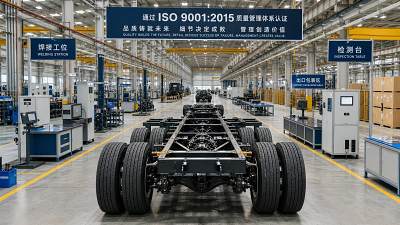
Certifications are not decorative badges—they’re objective evidence of compliance, quality control, and regulatory alignment. For excavator suppliers serving global road transport equipment buyers, ISO 9001:2015 certification is the baseline; CE marking confirms conformity with EU machinery directives; and ISO 14001 signals environmental accountability in manufacturing processes. In high-stakes sectors like mining logistics or municipal engineering, failure to verify these credentials can expose your project to liability, customs rejection, or post-delivery non-compliance penalties.
More critically, certifications reflect process maturity. A supplier holding both ISO 9001 and ISO/IEC 17025 (for in-house testing labs) typically maintains traceable calibration logs, documented weld procedure specifications (WPS), and third-party audit reports—data that directly impacts excavator structural integrity under heavy-duty transport conditions. Over 73% of procurement professionals surveyed via The Global Heavy Truck Industry Platform cite certification gaps as the top reason for disqualifying suppliers during pre-qualification screening.
Don’t stop at certificate scans. Request valid audit dates, scope of certification (e.g., “design, manufacture, and after-sales support of hydraulic excavators ≥15t”), and verification links to official accreditation bodies like UKAS or CNAS. Suppliers unable to provide this within 48 hours often lack integrated quality systems—or worse, operate without formal oversight.
Spare Parts Stock: The Hidden Metric That Defines Uptime
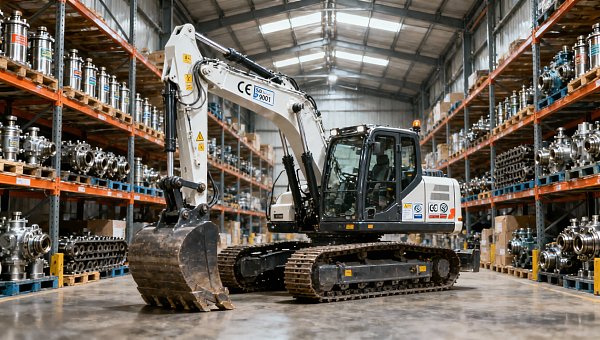
Excavator downtime costs an average of $1,200–$2,800 per hour in infrastructure projects—making parts availability not just convenient but mission-critical. Unlike consumer goods, road transport equipment spares require precise fitment across OEM-specific models (e.g., CAT 330 vs. Komatsu PC360), material-grade tolerances (ASTM A572 Gr.50 vs. S355JR), and serial-number-matched hydraulics. A supplier claiming “full parts coverage” means little unless they hold minimum inventory thresholds per category.
The Global Heavy Truck Industry Platform benchmarks show top-tier suppliers maintain ≥85% local warehouse fill rate for fast-moving items (hydraulic filters, track shoes, swing motor seals) and ≥60% for long-lead components (main control valves, boom cylinders). Crucially, lead time variance matters: best-in-class partners guarantee ≤5 business days for 90% of listed spares—even for excavator attachments used in off-road haul trucks.
This table reflects industry-validated minimums observed among Tier-1 suppliers on our platform. Note how lead times scale with complexity—not just part cost. Always cross-check stock levels against your fleet’s model mix: e.g., if 60% of your excavators are Volvo EC480E units, prioritize suppliers holding ≥20 EC480E-specific swing reduction gear sets in-region.
Technical Response Time: Measuring Real-World Support Capacity
A supplier’s website may load in 1.2 seconds—but can their engineering team diagnose a hydraulic drift issue in your CAT 330 within 90 minutes? Technical response time isn’t about chatbot speed; it’s the clock from first contact (email/case ID) to actionable resolution steps—including remote diagnostics, torque sequence validation, or urgent replacement dispatch. For road transport equipment integrators, every hour beyond 4-hour SLA adds ~3.7% risk of cascading delays across trailer coupling, chassis modification, or site readiness timelines.
Top performers on The Global Heavy Truck Industry Platform maintain dedicated regional technical desks with certified field engineers trained on ≥3 major excavator brands (e.g., Liebherr, Hitachi, Doosan). Their median first-response time is 37 minutes; median resolution time for Level 2 issues (requiring firmware update or sensor recalibration) is 11.4 hours—verified via platform-integrated service ticket analytics.
Test responsiveness before signing: submit a non-critical but model-specific query (e.g., “What’s the correct pilot pressure spec for PC360LC-12 swing motor relief valve?”) and track timing, accuracy, and follow-up clarity. Vague replies citing “consult manual” or “contact local dealer” signal fragmented support infrastructure.
Beyond the Checklist: How Our Platform Validates Supplier Claims
The Global Heavy Truck Industry Platform doesn’t rely on self-reported data. We conduct multi-layered verification: onsite audits (minimum every 24 months), real-time parts inventory API integration, and technical support SLA monitoring via anonymized case ticket sampling. Each verified supplier profile displays live metrics: current ISO audit status, regional warehouse stock depth (updated weekly), and 90-day rolling avg. technical response time—visible to all registered buyers.
We also map supplier capabilities to application-specific needs. For example, if you’re sourcing excavators for municipal snow removal fleets, our system flags partners with validated cold-weather hydraulic fluid compatibility (SAE J1289 compliant), extended battery thermal management kits, and winterized cab heater certification (EN 14511-3).
These layers ensure claims translate into performance—no assumptions, no marketing fluff. You see exactly what’s verified, how it’s measured, and when it was last updated.
Next Steps: Turn Verification Into Procurement Action
Start by filtering suppliers on The Global Heavy Truck Industry Platform using our “Verified Supplier” badge—applied only to those passing all three core checks: active certifications, ≥60% regional parts stock coverage, and sub-4-hour technical response SLA compliance. Then narrow by application: select “Infrastructure Construction”, “Mining Logistics”, or “Municipal Engineering” to surface partners with proven experience in your use case.
For immediate due diligence, download our free Excavator Supplier Vetting Scorecard—a 12-point worksheet with weighted scoring for certifications (30%), parts readiness (40%), and technical capacity (30%). It includes embedded links to verify each claim directly on our platform.
Ready to benchmark your shortlist against industry-validated benchmarks? Contact our procurement advisory team for a complimentary supplier capability assessment—complete with comparative analysis, risk heat maps, and recommended engagement pathways.
Recommended News
 Used Truck MarketVietnam Tightens Used Commercial Vehicle Import FilesVietnam tightens used commercial vehicle import files from July 1, 2026. Learn the new bilingual maintenance and emissions document rules, customs risks, and key compliance steps.
 Fleet ManagementLogistics Transportation Trends Reshaping Fleet Cost ControlLogistics transportation trends are redefining fleet cost control. Discover how data, sourcing, and equipment strategy help fleets cut risk, improve utilization, and stay competitive.
 Buying GuideHow to Evaluate a Semi Trailer Manufacturer Before OrderingSemi trailer manufacturer selection starts with more than price. Learn how to compare quality, capacity, compliance, and support to choose a reliable supplier before ordering.
 Buying GuideHow to Compare Truck Trailer Types for Different Cargo NeedsTruck trailer comparison made simple: learn how dry van, flatbed, reefer, and lowboy options match different cargo needs to improve safety, cost control, and delivery efficiency.
 Buying GuideHeavy Truck Chassis Manufacturer with ISO Certification: What to Verify Before OrderingHeavy truck chassis manufacturer with ISO certification: learn what to verify before ordering, from certificate scope and factory capability to quality control and export readiness.
 FAQTruck Pump Troubleshooting: Common Pressure Loss Causes and FixesTruck pump troubleshooting guide: discover common pressure loss causes, warning signs, and practical fixes to restore hydraulic performance, reduce downtime, and prevent repeat failures.
 Buying GuideLight Commercial Vehicle for Logistics: Key Factors for Urban Delivery SelectionLight commercial vehicle for logistics selection starts with route fit, payload, efficiency, and service support. Discover practical urban delivery tips to cut costs and improve fleet uptime.
 Fleet ManagementOff Road Truck Safety Risks and Maintenance Checks Before DeploymentOff road truck safety starts before deployment. Learn key risks, maintenance checks, and inspection steps to reduce downtime, protect crews, and keep every jobsite moving.
 Buying GuideHow to Choose a Light Duty Truck With High Payload for Urban DeliveryLight duty truck with high payload: learn how to choose the right urban delivery truck by comparing real payload, maneuverability, efficiency, body options, and total cost.
 Used Truck MarketSoutheast Asia Tightens Used Truck Import RulesUsed truck import rules in Southeast Asia tighten from Sept. 2026, requiring OBD-II SAE J1939 compliance and local platform access. See how exporters can stay compliant.
 Buying GuideBulk Cement Tanker Selection: Capacity, Unloading Speed, and DowntimeBulk cement tanker selection affects payload, unloading speed, and downtime. Learn how to compare capacity, discharge efficiency, and serviceability for better fleet performance.
 Buying GuideHow to Evaluate a Commercial Trucks Manufacturer Before OrderingCommercial trucks manufacturer evaluation guide: learn how to compare quality, certifications, customization, delivery control, and after-sales support before ordering with confidence.
 Buying GuideContainer Trailer Buying Guide: Payload, Axles, and Cost FactorsContainer trailer buying guide covering payload, tandem vs tri-axle options, and total cost factors. Compare specs, improve compliance, and choose the right trailer with confidence.
 Buying GuideDump Truck Buying Guide: Payload, Fuel Use, and Maintenance RisksDump truck buying guide covering payload, fuel use, and maintenance risks. Learn how to compare real operating cost, uptime, and supplier support before you buy.
 Buying GuideTruck Crane Selection Guide for Lifting Capacity and Jobsite SafetyTruck crane selection guide covering lifting capacity, radius, boom reach, and jobsite safety. Learn how to compare models and choose the right crane for efficient, compliant project performance.
 Fleet ManagementTruck Fleet Cost Control: 7 Metrics That Matter in 2026Truck fleet cost control in 2026 starts with 7 key metrics. Learn how fuel, uptime, utilization, downtime, and TCO reveal hidden costs and smarter sourcing decisions.
 FAQHow to Evaluate a Truck Cement Supplier for Delivery RiskTruck cement supplier evaluation starts with delivery risk. Learn how to assess capacity, logistics control, export readiness, and on-time performance before you place an order.
 Buying GuideTruck Tipper OEM Checklist: Build Quality, Lead Time, and SupportTruck tipper OEM checklist for buyers: compare build quality, lead time, and after-sales support to reduce risk, control total cost, and choose a supplier with confidence.
 Buying GuideHow to Choose a Truck Cement Distributor for Steady OutputTruck cement distributor selection affects unloading speed, residue, and uptime. Learn how to compare tank design, discharge performance, cost, and supplier support.
 Buying GuideSemi Trailer Supplier Comparison: Specs, Warranty, DeliverySemi trailer supplier comparison guide covering specs, warranty, and delivery. Learn how to reduce sourcing risk, compare suppliers smarter, and choose reliable long-term partners.
 Buying GuideTruck Trailer Sourcing: 7 Risks to Check Before OrderingTruck trailer sourcing starts with risk control. Discover 7 critical checks on specs, compliance, build quality, parts, and total cost before you place an order.
 Buying GuideHow to Evaluate a Light Duty Truck Manufacturer in USALight duty truck manufacturer in USA evaluation guide: compare quality, compliance, service, and total cost to choose a reliable supplier and make smarter fleet purchasing decisions.
 FAQExcavator Bucket Sizes Explained for Trenching, Loading, and Rock WorkExcavator bucket size affects trenching accuracy, loading speed, and rock work durability. Learn how to choose the right excavator bucket for better productivity and lower wear.
 Buying GuideHeavy Duty Trucks for Sale: 7 Checks Before You Compare OffersHeavy duty trucks for sale: compare offers smarter with 7 essential checks on specs, condition, compliance, supplier trust, and total cost before you buy.
 Buying GuideHow to Choose a Reliable Excavator Supplier in 2026Excavator supplier selection in 2026 goes beyond price. Learn how to verify quality, delivery, service, and parts support to choose a reliable partner with confidence.