Truck Fleet Cost Control: 7 Metrics That Matter in 2026
Truck fleet costs in 2026: what changed, and why do metrics matter more now?
A truck fleet can look busy and still leak money every day.
That is the central issue in 2026. Cost control is no longer limited to fuel bills, workshop invoices, or driver payroll.
The stronger approach is to track a small group of operating metrics that reveal where profit is really won or lost.
For any truck fleet involved in logistics, construction support, mining transport, or municipal delivery, those metrics affect uptime, asset use, and replacement timing.
This also changes how equipment is sourced. Buyers are comparing not only truck price, but lifecycle cost, parts access, service coverage, and data visibility.
That is why global sourcing platforms have become more useful. A well-structured heavy truck marketplace helps compare suppliers, truck configurations, spare parts support, and market signals in one place.
So which numbers deserve daily attention, and which ones are often overrated? The answer usually starts with seven practical metrics.
Which seven truck fleet metrics actually drive cost control?
Most operators track dozens of numbers. The problem is that many reports create noise instead of decisions.
A more useful truck fleet dashboard focuses on seven metrics tied directly to cost.
- Fuel cost per kilometer or mile, not just total fuel spend.
- Maintenance cost per vehicle and per operating hour.
- Vehicle uptime percentage across the full truck fleet.
- Utilization rate, measured by payload, route density, or loaded distance.
- Cost of unplanned downtime, including delay penalties and recovery expense.
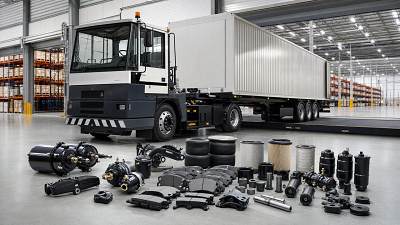
- Parts replacement cycle for high-wear items.
- Total cost of ownership by truck model, supplier, and operating segment.
Each metric answers a different question. Fuel shows efficiency. Uptime shows reliability. Utilization shows whether assets are oversized, undersized, or simply misallocated.
The most valuable metric is often total cost of ownership, but it only works when the six supporting metrics are already clean.
A quick reference table helps separate signal from noise
Why is fuel no longer enough to judge truck fleet efficiency?
Fuel remains important, but it is only one layer of cost.
A truck fleet can post acceptable fuel numbers while losing margin through poor route planning, low payload use, or extended workshop time.
In practical terms, fuel should be read together with utilization and downtime.
For example, a newer heavy truck may consume slightly more fuel on certain routes, yet still reduce total cost because it carries more, runs longer, and needs fewer unscheduled repairs.
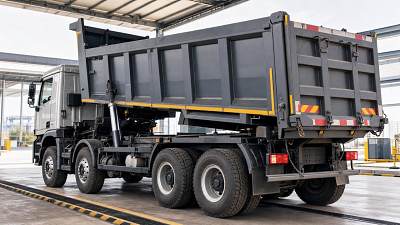
This is especially relevant when comparing long-haul tractors, construction dump trucks, and mixed-duty fleets. The cost structure is not the same.
The better question is not, “Which truck uses less fuel?” It is, “Which truck fleet setup delivers the lowest cost per productive movement?”
That shift leads to better sourcing decisions, especially when evaluating chassis, engine options, axle configurations, and aftermarket support.
How do uptime and utilization affect purchasing decisions?
These two metrics are often where hidden cost becomes visible.
Uptime measures whether a truck fleet is available for work. Utilization shows whether available trucks are being used well.
A low-price truck may look attractive during procurement. Yet if spare parts are slow, service networks are weak, or diagnostic support is limited, uptime falls quickly.
Utilization is different. It often exposes planning issues rather than equipment defects.
Common signs include too many trucks on light routes, excessive empty returns, and body specifications that do not match the cargo profile.
Before adding units to a truck fleet, it helps to ask three things.
- Are current trucks unavailable because of failures, or simply assigned poorly?
- Do body type and payload capacity match the route and cargo pattern?
- Can the supplier support service, parts, and technical data in the target market?
This is where international B2B truck platforms add value. Beyond product listings, they help compare supplier depth, parts categories, brand presence, and regional support.
What mistakes cause truck fleet costs to look lower than they really are?
The most common mistake is measuring direct cost without measuring interruption cost.
A repair invoice may seem manageable. The real loss may come from missed contracts, substitute rentals, or delayed site operations.
Another mistake is mixing different duty cycles into one average.
A truck fleet serving urban delivery, cross-border haulage, and construction hauling should not be judged by one blended cost line.
There is also a sourcing mistake: choosing based on factory price while ignoring parts lead time and local service capability.
In actual operations, these gaps usually show up after purchase, when changing suppliers becomes expensive.
A short checklist can prevent distorted decisions
- Separate truck fleet data by route type, load pattern, and operating environment.
- Track planned versus unplanned maintenance, not only total workshop spend.
- Include downtime penalties, rental substitution, and dispatch disruption in cost reviews.
- Compare suppliers on parts availability, warranty response, and technical documentation.
- Review cost trends by model year, not just by brand name.
When does total cost of ownership become the deciding metric?
Usually when replacement, expansion, or cross-border sourcing is under review.
Total cost of ownership matters because it connects purchase price with operating reality.
For a truck fleet, that means acquisition cost, financing, fuel, tires, service, downtime, parts consumption, residual value, and expected service life.
A lower-priced unit is not automatically cheaper over five years. Sometimes a higher initial cost produces stronger uptime and better resale performance.
This is especially true in heavy-duty applications where chassis strength, drivetrain matching, and component quality shape maintenance frequency.
The more complex the sourcing decision, the more useful external market intelligence becomes.
A specialized heavy truck industry platform can support this process by bringing together supplier comparisons, product categories, brand directories, and buying guides.
That does not replace internal analysis. It simply makes supplier screening faster and more transparent.
How should a truck fleet team act on these metrics without overcomplicating the process?
Start small, but make the numbers decision-ready.
A practical first step is to build one monthly review covering the seven metrics by vehicle group.
Then link each metric to an action rule.
- If fuel cost rises on stable routes, review driving behavior, load planning, and engine matching.
- If maintenance cost climbs with age, compare overhaul against replacement timing.
- If uptime falls, audit parts access, workshop response, and supplier support terms.
- If utilization remains low, reassign trucks before purchasing additional units.
- If TCO differs sharply by model, use that data in the next sourcing round.
In 2026, the strongest truck fleet strategies are not always the biggest or most complex. They are the ones built on comparable data and disciplined sourcing logic.
If the next step is procurement, review the seven metrics against actual duty cycles, then compare truck models, parts ecosystems, and supplier credibility side by side.
That approach reduces guesswork and makes every future truck fleet investment easier to defend.
Trending News
- How does operating weight affect the price of a new excavator?
- How to compare concrete mixer truck suppliers by total landed cost
- How axle load limits affect low bed trailer exports to Southeast Asia
- How to locate a truck exhaust system leak before replacing parts
- When does heavy equipment transport require a lowboy trailer?
Tag
Recommended News
 Fleet ManagementWhen does a light commercial vehicle for urban delivery save fleet costs?Light commercial vehicle for urban delivery: learn when route density, payload utilization, access, and driver productivity can reduce fleet cost per successful stop.
 Fleet ManagementHeavy Truck Specs That Matter Most for Long-Term Fleet PlanningHeavy truck specs that truly shape long-term fleet success: compare payload, torque, axle setup, fuel efficiency, and parts support to cut downtime and plan smarter.
 Fleet ManagementTruck Parts Supplier Risks That Affect Long-Term Fleet CostsTruck parts supplier risks can quietly increase long-term fleet costs through downtime, poor fitment, and supply delays. Learn how to choose smarter and protect uptime.
 Fleet ManagementSemi Trailer Distributor Red Flags That Can Delay Fleet ExpansionSemi trailer distributor warning signs can stall fleet expansion fast. Learn the key red flags in inventory, delivery, support, and compliance before you buy.
 Fleet ManagementLogistics Transportation Trends Reshaping Fleet Cost ControlLogistics transportation trends are redefining fleet cost control. Discover how data, sourcing, and equipment strategy help fleets cut risk, improve utilization, and stay competitive.
 Fleet ManagementOff Road Truck Safety Risks and Maintenance Checks Before DeploymentOff road truck safety starts before deployment. Learn key risks, maintenance checks, and inspection steps to reduce downtime, protect crews, and keep every jobsite moving.
 Fleet ManagementTruck Fleet Cost Control: 7 Metrics That Matter in 2026Truck fleet cost control in 2026 starts with 7 key metrics. Learn how fuel, uptime, utilization, downtime, and TCO reveal hidden costs and smarter sourcing decisions.
 Fleet ManagementHeavy Truck Fuel Efficiency: What Impacts Operating CostsHeavy truck fuel efficiency directly impacts operating costs. Learn how design, payload, maintenance, and driver behavior affect fuel use and smarter truck buying decisions.
 Fleet ManagementTruck Fleet Planning Tips for Lower DowntimeTruck fleet planning tips to cut downtime, improve uptime, optimize maintenance, manage spare parts, and build a more reliable, cost-efficient transport operation.
 Fleet ManagementTruck Tipper Safety Checks Before Daily OperationTruck tipper daily safety checks made simple: inspect hydraulics, brakes, tires, lights, loads, and tipping stability to reduce downtime and operate with confidence.
 Fleet ManagementDump Truck Supplier Risks in Mining ProjectsFind out how to choose a reliable dump truck supplier for mining industry projects, reduce sourcing risks, secure parts support, and improve uptime in harsh mining operations.
 Fleet ManagementBest Commercial Vehicle Parts for Warehouse Fleets with High Stop-Start UseCommercial vehicle parts for warehouse fleets should handle heavy stop-start use with fewer failures. Discover proven brake, battery, suspension, and steering choices that cut downtime.
 Fleet ManagementDelivery Truck Supplier in USA: What Matters Most for Fleet ExpansionDelivery truck supplier in USA selection impacts uptime, cost, and fleet growth. Learn how to compare suppliers by route needs, service support, and long-term scalability.
 Fleet ManagementHow to Choose Commercial Vehicle Parts for Warehouse Fleet UptimeCommercial vehicle parts for warehouse fleets directly impact uptime. Learn how to choose durable, accurate-fit parts and reliable suppliers to reduce downtime and control maintenance costs.
 Fleet ManagementWhy a Light Duty Truck Manufacturer in USA Still Matters for Fleet ReliabilityLight duty truck manufacturer in USA choices still shape fleet uptime, parts access, and lifecycle value. See what buyers should compare for more reliable operations.
 Fleet ManagementHow to Plan a Dump Truck Bulk Order for Multi-Site ProjectsDump truck bulk order planning for multi-site projects made simple. Learn how to balance specs, delivery, support, and total cost for smarter fleet decisions.
 Fleet ManagementWhat Makes a Delivery Truck Supplier Cost-Effective in Real OperationsDelivery truck supplier with cost-effective solutions: learn how to cut fuel, maintenance, and downtime costs with a practical checklist for smarter fleet purchasing.
 Fleet ManagementHow Low-Maintenance Truck Spare Parts Suppliers Help Cut DowntimeTruck spare parts supplier with low maintenance benefits help fleets cut downtime, speed repairs, and lower service costs. Discover how smarter sourcing boosts uptime.
 Fleet ManagementHow Commercial Vehicle Parts for Warehouse Improve Daily UptimeCommercial vehicle parts for warehouse operations help reduce downtime, improve safety, and keep trucks and trailers moving efficiently. Discover how the right parts boost daily uptime.
 Fleet ManagementCommercial Vehicle Parts for Cold Storage: Reducing Failure in Daily UseCommercial vehicle parts for cold storage help reduce daily failures, protect cargo quality, and improve fleet uptime. Discover scenario-based maintenance insights for refrigerated transport.
 Fleet ManagementDelivery Truck Supplier in USA: What to Compare Before Expanding a FleetDelivery truck supplier in USA comparison guide for fleet expansion. Learn how to evaluate quality, service, parts support, and lifecycle cost before you invest.
 Fleet ManagementBest Commercial Vehicle Parts for Warehouse OperationsCommercial vehicle parts for warehouse operations should boost safety, uptime, and load control. Explore the best brake, tire, steering, and lighting solutions for efficient fleet performance.
 Fleet ManagementTruck Cement Mixer Supplier: What to Check Before Fleet ExpansionTruck cement mixer supplier selection can make or break fleet expansion. Learn the key checks on quality, compliance, parts support, and total cost before you buy.
 Fleet ManagementTruck Trailer Supplier Checklist for Long-Haul Fleet ExpansionTruck trailer supplier checklist for long-haul fleet expansion: compare compliance, lifecycle cost, delivery, and support to reduce sourcing risk and scale with confidence.
 Fleet ManagementIs a Lightweight Semi Trailer Manufacturer the Right Fit for High-Frequency RoutesFind out if a semi trailer manufacturer with lightweight design is the smart choice for high-frequency routes, balancing payload, durability, compliance, and long-term fleet savings.