How to Choose Commercial Vehicle Parts for Warehouse Fleet Uptime
Keeping warehouse fleets moving starts with selecting the right commercial vehicle parts for warehouse operations. For aftermarket maintenance teams, the right parts directly affect uptime, repair speed, safety, and total operating cost. This guide explains how to evaluate durability, fit, supplier reliability, and replacement cycles so you can make smarter sourcing decisions and reduce unplanned vehicle downtime.
In warehouse transport environments, even a small failure can interrupt loading windows, inbound schedules, and last-mile dispatch. A damaged brake chamber, worn suspension bushing, leaking hose, or poor-quality filter can take a truck, yard tractor, or delivery vehicle out of service for 4 hours or 4 days depending on parts availability. For aftermarket maintenance personnel, choosing commercial vehicle parts for warehouse use is not only a purchasing task; it is a fleet uptime strategy.
Unlike long-haul fleets, warehouse vehicles often face high stop-start frequency, short cycling, repeated docking, low-speed impact risk, and intensive daily utilization across 1 to 3 shifts. That operating profile changes how parts should be selected, stocked, and replaced. The most effective sourcing approach balances fitment accuracy, service life, lead time, and supplier consistency across multiple categories of truck and trailer components.
Why Warehouse Fleet Parts Selection Requires a Different Approach
Warehouse fleets usually operate under tighter turnaround expectations than standard transport fleets. In many facilities, a vehicle delay of 30 to 60 minutes can affect dock productivity, labor scheduling, and outbound KPI performance. That is why commercial vehicle parts for warehouse operations must be evaluated against operating conditions rather than ordered only by price or catalog description.
Typical duty cycles inside warehouse and yard logistics
Common warehouse vehicles include rigid trucks, light commercial trucks, terminal tractors, trailers, and support equipment used for cross-dock movement. Many units run less than 200 km per day, but can still experience 80 to 150 brake applications, frequent reversing, and prolonged idling. These conditions accelerate wear in braking systems, steering joints, electrical connectors, clutches, and cooling components.
- High-frequency stop and go increases brake and driveline wear.
- Repeated loading and unloading changes axle and suspension stress.
- Dust, pallet debris, and moisture affect filters, seals, and sensors.
- Multi-shift operation reduces available maintenance windows to 2 to 6 hours.
The real cost of choosing the wrong part
A low-cost part that fails early may look acceptable on a purchase order but expensive in operation. If a wheel-end bearing fails 3 months earlier than expected, the total impact includes technician labor, repeat downtime, possible hub damage, and service schedule disruption. In many warehouse fleets, one unplanned immobilization can cost more than the initial difference between standard-grade and higher-durability parts.
Maintenance teams should therefore compare total service value over a 6-month, 12-month, or 24-month cycle. This is especially important when evaluating commercial vehicle parts for warehouse fleets that rely on predictable dispatch availability rather than occasional route flexibility.
Parts categories with the highest uptime impact
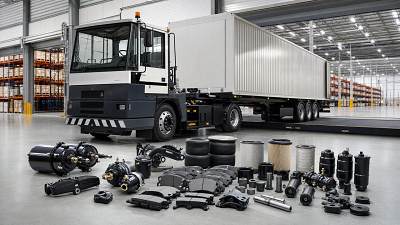
Not all components have the same operational risk. Prioritize the categories most likely to create immediate vehicle-off-road events or safety restrictions. The table below highlights common warehouse fleet parts with direct impact on uptime and service response planning.
The key takeaway is that the best commercial vehicle parts for warehouse fleets are the ones matched to repetitive, high-touch operational stress. Maintenance teams gain the most by focusing first on parts that stop the vehicle from moving, create inspection failures, or trigger repeat repairs within 90 to 180 days.
How to Evaluate Commercial Vehicle Parts for Warehouse Uptime
A practical evaluation method should combine technical fit, material quality, replacement interval, and supply support. For warehouse operations, a part is only suitable if it fits correctly, performs consistently, and can be replenished fast enough to support your maintenance schedule.
1. Confirm exact fitment before comparing price
Many fleets run mixed brands, multiple model years, and regional specifications. Fitment errors are one of the most common causes of installation delay. Before issuing a purchase order, verify OEM number, axle configuration, brake type, voltage, mounting points, and hose or connector dimensions. A mismatch as small as a 5 mm offset or the wrong pin layout can turn a 45-minute repair into a full-day parts chase.
For spare parts buyers using an international B2B sourcing platform, it is useful to request photos, technical drawings, cross-reference numbers, and compatible application lists. This step reduces return risk and is especially important when sourcing commercial vehicle parts for warehouse fleets across different truck chassis and trailer combinations.
2. Match material durability to daily operating conditions
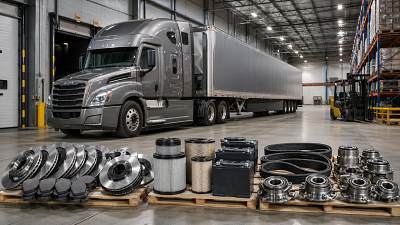
A part that performs well on highway cycles may not last in an intensive yard environment. Maintenance teams should ask what material and design features support repeated starts, vibration, dust exposure, and load transfer. Examples include heat-resistant brake friction material, reinforced rubber formulations, corrosion-protected connectors, and heavy-duty bearing seals.
- Check whether the part is intended for light-duty, standard commercial, or heavy-duty use.
- Ask for expected inspection intervals, such as every 250 hours or every 10,000 km.
- Compare wear-life ranges under stop-start service, not only highway mileage.
- Review packaging and storage requirements if the part will remain in warehouse inventory for 6 to 12 months.
3. Evaluate replacement cycle and stock planning together
Part selection and inventory strategy should be connected. Fast-moving maintenance items such as filters, brake linings, lamps, belts, and air system components often justify local stock. Lower-frequency, higher-value items such as turbochargers, steering gears, or axle parts may be better sourced through scheduled replenishment, depending on lead times of 7 to 21 days.
The table below can help maintenance planners classify which commercial vehicle parts for warehouse support need safety stock and which can be managed through supplier agreements.
This approach helps avoid overstocking slow-moving items while protecting uptime for the parts most likely to cause short-notice failures. The right warehouse parts program is built around both failure probability and supplier response time.
4. Check installation efficiency and technician compatibility
Aftermarket maintenance personnel often measure part quality by what happens in the workshop, not on the catalog page. If installation requires rework, modification, or repeated adjustment, the hidden labor cost rises quickly. Ask whether the part is supplied with seals, hardware, installation notes, torque guidance, or calibration instructions where needed.
Even a 20-minute labor increase per job becomes significant across 30 or 50 similar service events per quarter. For warehouse fleets with narrow service windows, technician-friendly parts can improve bay throughput and reduce vehicle queue time.
How to Assess Supplier Reliability in B2B Parts Sourcing
Choosing commercial vehicle parts for warehouse uptime is not only about the product itself. Supplier capability matters just as much. If the supplier cannot maintain quality consistency, provide documentation, or support repeat ordering, fleet maintenance performance becomes unstable.
Use a 4-point supplier screening process
A structured supplier review helps maintenance teams reduce procurement risk, especially when sourcing across borders. International B2B platforms can simplify comparison by bringing together manufacturers, distributors, and specialist parts suppliers in one sourcing environment.
- Verify product scope: confirm whether the supplier focuses on braking, suspension, engine parts, electrical systems, or mixed catalogs.
- Request technical support data: cross-reference sheets, material details, application lists, and inspection guidance.
- Assess supply stability: ask about normal lead time, MOQ, packaging standards, and emergency order handling.
- Review communication speed: for maintenance operations, response within 24 hours is often more valuable than broad but vague product claims.
Questions worth asking before first order
Before placing an initial order, maintenance buyers should clarify several practical points. Can the supplier support mixed-SKU orders for a multi-brand fleet? Are there replacement recommendations for older truck models? What is the packaging protection level for seals, electronic parts, or painted components? Can batch labels be matched to receiving records for traceability?
Reliable answers to these questions are often a better indicator of supplier strength than simple price quotations. In warehouse maintenance, consistent replenishment over 12 months matters more than short-term savings on one shipment.
Why digital sourcing platforms add value
For aftermarket teams in the heavy truck and road transport equipment sector, a specialized industry platform can reduce search time and improve supplier comparison. The Global Heavy Truck Industry Platform supports this process by connecting buyers with manufacturers and suppliers across categories such as Truck Chassis & Cab, Complete Trucks, Light Trucks, Construction Machinery, Trailers & Semi-Trailers, and Spare Parts.
That matters when warehouse fleets need access to more than one component family at the same time. A maintenance buyer may need brake valves, cab electrical parts, trailer lighting, and suspension items in one sourcing cycle. A focused B2B marketplace with industry directories, product discovery tools, and supplier comparison can shorten evaluation from several weeks to a more manageable procurement window.
Common Mistakes Maintenance Teams Should Avoid
Even experienced workshops can lose uptime when purchasing habits are driven by urgency alone. Avoiding a few common mistakes can significantly improve the performance of commercial vehicle parts for warehouse fleets.
Mistake 1: Buying only on unit price
A lower unit cost may hide shorter life, slower installation, or inconsistent repeat quality. Compare landed cost, replacement frequency, and labor hours over at least 2 service cycles. If one part costs 12% more but lasts 30% longer, it may be the better maintenance decision.
Mistake 2: Using one specification for all duty conditions
A warehouse shuttle truck, regional delivery truck, and loaded trailer may share some parts, but they rarely experience identical operating stress. Review parts performance by route type, load factor, brake frequency, and shift pattern. This often leads to a tiered parts strategy rather than a single standard SKU for the whole fleet.
Mistake 3: Ignoring reorder timing
A suitable part ordered too late still causes downtime. If a supplier lead time is 14 days and average monthly usage is 18 units, a reorder point based on only 5 units is too low. Maintenance teams should set reorder triggers using usage history, service interval, and a practical safety buffer for urgent repairs.
Mistake 4: Failing to document field performance
Without workshop feedback, sourcing decisions stay reactive. Record failure mode, service life, install time, and fitment issues by SKU. After 3 to 6 months, this data reveals which suppliers and parts support better uptime and which ones create repeat work.
A Practical Selection Workflow for Aftermarket Maintenance Teams
To improve uptime consistently, maintenance departments need a repeatable selection workflow. The goal is to shorten decision time, improve technical accuracy, and align parts sourcing with warehouse fleet operating patterns.
Recommended 5-step workflow
- Identify the critical vehicle group by uptime impact, such as dock shuttles or high-frequency dispatch trucks.
- List the top 15 to 30 recurring maintenance SKUs by monthly usage and downtime risk.
- Validate technical fitment and compare 2 to 3 supplier options per SKU.
- Run a 60- to 90-day performance review using service life, install efficiency, and defect rate.
- Set approved supplier and stocking rules for routine, urgent, and long-lead items.
This workflow works especially well for fleets that rely on multiple vehicle types and need predictable maintenance planning. It turns parts sourcing from emergency buying into a controlled uptime program.
What success looks like
In practical terms, better commercial vehicle parts for warehouse operations should lead to fewer repeat repairs, faster service completion, and more stable parts availability. Maintenance managers should monitor indicators such as average repair turnaround, repeated failures within 90 days, stockout frequency, and technician feedback on fit and installation.
When sourcing is aligned with operational duty cycle and supplier reliability, fleets gain a measurable advantage: fewer avoidable stoppages, better workshop productivity, and a lower total maintenance burden over time.
Selecting the right commercial vehicle parts for warehouse fleets means looking beyond price tags and focusing on fitment accuracy, durability under stop-start duty, practical replacement cycles, and dependable B2B supply. For aftermarket maintenance teams, the strongest results usually come from structured evaluation, prioritized stocking, and close comparison of suppliers across key truck and trailer component categories.
If you are sourcing parts for heavy trucks, trailers, light commercial vehicles, or related road transport equipment, the Global Heavy Truck Industry Platform can help you compare suppliers, explore product categories, and make more informed purchasing decisions. Contact us today to discuss your parts requirements, get a tailored sourcing solution, and learn more about reliable commercial vehicle parts for warehouse uptime.
Trending News
- Off Road Truck Safety Risks and Maintenance Checks Before Deployment
- Truck Dozer vs Wheel Dozer: Which Fits Tough Jobsite Conditions
- Heavy Equipment Transport: Key Cost Factors and Route Planning Tips
- Truck Suspension Problems: Signs, Causes, and Fix Options
- How to Choose a Light Duty Truck With High Payload for Urban Delivery
Tag
Recommended News
 Fleet ManagementOff Road Truck Safety Risks and Maintenance Checks Before DeploymentOff road truck safety starts before deployment. Learn key risks, maintenance checks, and inspection steps to reduce downtime, protect crews, and keep every jobsite moving.
 Fleet ManagementTruck Fleet Cost Control: 7 Metrics That Matter in 2026Truck fleet cost control in 2026 starts with 7 key metrics. Learn how fuel, uptime, utilization, downtime, and TCO reveal hidden costs and smarter sourcing decisions.
 Fleet ManagementHeavy Truck Fuel Efficiency: What Impacts Operating CostsHeavy truck fuel efficiency directly impacts operating costs. Learn how design, payload, maintenance, and driver behavior affect fuel use and smarter truck buying decisions.
 Fleet ManagementTruck Fleet Planning Tips for Lower DowntimeTruck fleet planning tips to cut downtime, improve uptime, optimize maintenance, manage spare parts, and build a more reliable, cost-efficient transport operation.
 Fleet ManagementTruck Tipper Safety Checks Before Daily OperationTruck tipper daily safety checks made simple: inspect hydraulics, brakes, tires, lights, loads, and tipping stability to reduce downtime and operate with confidence.
 Fleet ManagementDump Truck Supplier Risks in Mining ProjectsFind out how to choose a reliable dump truck supplier for mining industry projects, reduce sourcing risks, secure parts support, and improve uptime in harsh mining operations.
 Fleet ManagementBest Commercial Vehicle Parts for Warehouse Fleets with High Stop-Start UseCommercial vehicle parts for warehouse fleets should handle heavy stop-start use with fewer failures. Discover proven brake, battery, suspension, and steering choices that cut downtime.
 Fleet ManagementDelivery Truck Supplier in USA: What Matters Most for Fleet ExpansionDelivery truck supplier in USA selection impacts uptime, cost, and fleet growth. Learn how to compare suppliers by route needs, service support, and long-term scalability.
 Fleet ManagementHow to Choose Commercial Vehicle Parts for Warehouse Fleet UptimeCommercial vehicle parts for warehouse fleets directly impact uptime. Learn how to choose durable, accurate-fit parts and reliable suppliers to reduce downtime and control maintenance costs.
 Fleet ManagementWhy a Light Duty Truck Manufacturer in USA Still Matters for Fleet ReliabilityLight duty truck manufacturer in USA choices still shape fleet uptime, parts access, and lifecycle value. See what buyers should compare for more reliable operations.
 Fleet ManagementHow to Plan a Dump Truck Bulk Order for Multi-Site ProjectsDump truck bulk order planning for multi-site projects made simple. Learn how to balance specs, delivery, support, and total cost for smarter fleet decisions.
 Fleet ManagementWhat Makes a Delivery Truck Supplier Cost-Effective in Real OperationsDelivery truck supplier with cost-effective solutions: learn how to cut fuel, maintenance, and downtime costs with a practical checklist for smarter fleet purchasing.
 Fleet ManagementHow Low-Maintenance Truck Spare Parts Suppliers Help Cut DowntimeTruck spare parts supplier with low maintenance benefits help fleets cut downtime, speed repairs, and lower service costs. Discover how smarter sourcing boosts uptime.
 Fleet ManagementHow Commercial Vehicle Parts for Warehouse Improve Daily UptimeCommercial vehicle parts for warehouse operations help reduce downtime, improve safety, and keep trucks and trailers moving efficiently. Discover how the right parts boost daily uptime.
 Fleet ManagementCommercial Vehicle Parts for Cold Storage: Reducing Failure in Daily UseCommercial vehicle parts for cold storage help reduce daily failures, protect cargo quality, and improve fleet uptime. Discover scenario-based maintenance insights for refrigerated transport.
 Fleet ManagementDelivery Truck Supplier in USA: What to Compare Before Expanding a FleetDelivery truck supplier in USA comparison guide for fleet expansion. Learn how to evaluate quality, service, parts support, and lifecycle cost before you invest.
 Fleet ManagementBest Commercial Vehicle Parts for Warehouse OperationsCommercial vehicle parts for warehouse operations should boost safety, uptime, and load control. Explore the best brake, tire, steering, and lighting solutions for efficient fleet performance.
 Fleet ManagementTruck Cement Mixer Supplier: What to Check Before Fleet ExpansionTruck cement mixer supplier selection can make or break fleet expansion. Learn the key checks on quality, compliance, parts support, and total cost before you buy.
 Fleet ManagementTruck Trailer Supplier Checklist for Long-Haul Fleet ExpansionTruck trailer supplier checklist for long-haul fleet expansion: compare compliance, lifecycle cost, delivery, and support to reduce sourcing risk and scale with confidence.
 Fleet ManagementIs a Lightweight Semi Trailer Manufacturer the Right Fit for High-Frequency RoutesFind out if a semi trailer manufacturer with lightweight design is the smart choice for high-frequency routes, balancing payload, durability, compliance, and long-term fleet savings.
 Fleet ManagementDump Truck Wholesale for Growing Fleets: What to Watch FirstDump truck wholesale buyers: learn what to check first for growing fleets, from specs and compliance to supplier reliability, to cut risk, control costs, and buy with confidence.
 Fleet ManagementDump Truck Bulk Order Timing: How to Avoid Capacity BottlenecksDump truck bulk order timing can make or break delivery schedules. Learn when to order, spot supplier bottlenecks early, and secure reliable capacity for faster project execution.
 Fleet ManagementHow to Plan a Semi Trailer Bulk Order Without Stock PressureSemi trailer bulk order planning made simple: learn how to balance demand, product mix, supplier control, and phased delivery to reduce stock pressure and improve trailer sales.
 Fleet ManagementChoosing Commercial Vehicle Parts for Cold Storage Without DowntimeCommercial vehicle parts for cold storage: learn how to choose reliable batteries, seals, hoses, and brake parts to reduce downtime, protect cargo, and improve fleet uptime.
 Fleet ManagementBest Commercial Vehicle Parts for Warehouse Fleet UptimeCommercial vehicle parts for warehouse fleets: discover the best brake, electrical, suspension, and service parts to reduce downtime, speed repairs, and keep operations moving.