Dump Truck Supplier Risks in Mining Projects
Choosing a dump truck supplier for mining industry projects is not just a procurement decision—it directly affects uptime, safety, cost control, and project delivery. Supplier risks can emerge from equipment quality gaps, weak after-sales support, unclear compliance, delayed parts supply, or limited experience in harsh mining environments. Understanding these risks early helps teams compare suppliers more objectively, avoid costly disruptions, and secure reliable heavy-duty transport solutions for demanding mining operations.
Why Supplier Risk Checks Matter in Mining Transport
Mining transport works under heavy payloads, steep gradients, abrasive dust, and long operating hours. A weak dump truck supplier for mining industry use can quickly become a production bottleneck.
A checklist-based review reduces subjective decisions. It turns supplier claims into verifiable evidence, from chassis durability to parts availability and warranty response.
It also supports fair comparison across truck chassis, complete trucks, construction machinery, trailers, and spare parts used in mining logistics.
Core Checklist for Evaluating a Dump Truck Supplier for Mining Industry Projects
Use the following checklist before shortlisting any dump truck supplier for mining industry applications. Each item should be supported by documents, test records, or reference projects.
- Verify rated payload, engine output, axle capacity, braking system, and frame strength against actual mine road conditions, not only catalog specifications.
- Request operating references from similar mining projects, including terrain type, average payload, shift length, failure rate, and maintenance cycle data.
- Check whether the dump truck supplier for mining industry work offers models designed for dust, vibration, heat, mud, and continuous hauling.
- Review compliance documents, including emissions standards, safety certificates, export documents, and local road or site operation requirements.
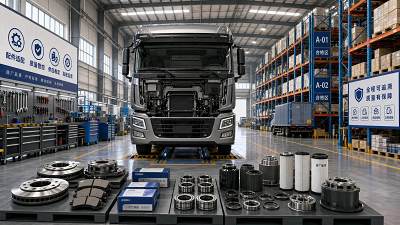
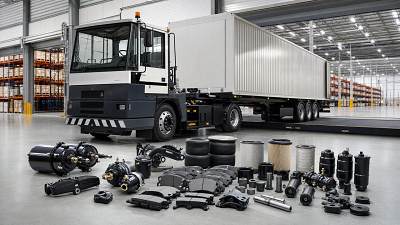
- Confirm parts inventory strategy, including fast-moving components, hydraulic parts, brake parts, filters, tires, and delivery lead times.
- Assess after-sales coverage, including field service availability, remote diagnostics, technician training, and emergency breakdown response procedures.
- Compare total cost of ownership, including fuel consumption, tire wear, maintenance labor, parts pricing, downtime, and resale potential.
- Inspect production capability, quality control flow, welding standards, assembly testing, and final inspection records before shipment.
- Clarify warranty scope, exclusion clauses, claim process, response time, and whether mining-duty operation affects coverage limits.
- Evaluate communication reliability, quotation accuracy, technical documentation quality, and the supplier’s ability to support cross-border trade.
Quality Risks Hidden Behind Low Initial Prices
A low purchase price can conceal higher operating costs. For mining haulage, frame fatigue, weak suspension, overheating, and brake instability can stop production.
When evaluating a dump truck supplier for mining industry use, compare structural design and component brands. Pay attention to axles, transmissions, hydraulic cylinders, and cooling systems.
Ask for test reports under loaded conditions. Empty-road demonstrations rarely reveal weaknesses that appear on steep ramps or unpaved haul roads.
Practical quality checks before ordering
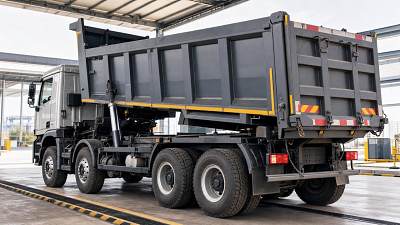
- Inspect weld seams, reinforcement plates, dump body material, hydraulic lifting speed, and safety locking devices during a physical or video inspection.
- Request maintenance records from existing units to identify recurring failures in brakes, suspension, electrical systems, or hydraulic tipping mechanisms.
- Compare supplier specifications with independent component datasheets to ensure rated capacities are not overstated for marketing purposes.
After-Sales Support and Parts Supply Risks
Mining trucks lose value when they wait for parts. A dump truck supplier for mining industry projects must prove spare parts continuity before delivery.
Key parts should be identified by part number, replacement cycle, stock level, and expected delivery time. Vague promises create operational exposure.
Remote mines need stronger support planning. Filters, brake linings, hydraulic hoses, sensors, tires, and electrical components should be stocked near the site.
- Build a two-year critical spare parts list based on shift hours, road conditions, payload intensity, and preventive maintenance schedules.
- Require service manuals, wiring diagrams, diagnostic tools, maintenance videos, and training materials before the first truck enters operation.
- Define service response responsibilities in writing, especially for breakdown reporting, warranty inspection, parts replacement, and technician dispatch.
Compliance, Safety, and Documentation Risks
A dump truck supplier for mining industry procurement must meet both destination-market rules and site-specific safety requirements. Missing documents can delay customs clearance.
Safety risk is not limited to braking performance. Visibility, alarm systems, cabin protection, lighting, rollover protection, and fire prevention should be checked.
Emission rules also matter. Some projects require specific engine standards, fuel compatibility, noise control, or environmental documentation for mining permits.
Scenario Guidance for Different Mining Applications
Open-pit mining haul roads
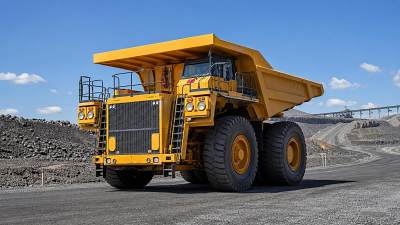
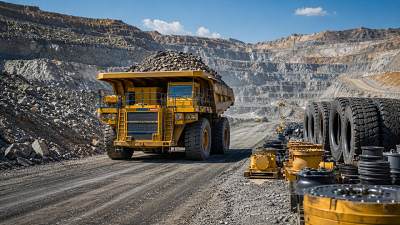
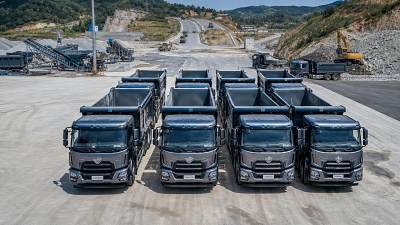
Open-pit sites require strong climbing ability, stable braking, reinforced frames, and durable tires. Road gradients and turning radius should shape model selection.
A dump truck supplier for mining industry open-pit use should provide payload matching and cycle-time calculations, not only general truck recommendations.
Quarry and aggregate transport
Quarries often involve short cycles, sharp stones, heavy dust, and frequent tipping. Dump body wear resistance becomes a major cost factor.
Check liner options, tailgate design, suspension stiffness, and filtration systems. The right dump truck supplier for mining industry quarry work should address these details.
Remote mining logistics
Remote sites magnify every weakness in supply chains. A small sensor failure can become expensive if the replacement is unavailable locally.
Choose suppliers with export experience, multilingual documentation, and stable logistics partners. Cross-border delivery planning should be part of the supplier review.
Commonly Overlooked Supplier Risks
Unclear model adaptation. A road-use dump truck may not survive mining payload cycles. Confirm whether the model is mining-duty or only visually similar.
Weak data transparency. If a supplier cannot provide fuel data, failure rates, or maintenance intervals, lifecycle cost estimates become unreliable.
Overdependence on one component source. Single-source engines, axles, or electronics can create long downtime when market shortages occur.
Incomplete pre-delivery inspection. Hydraulic leaks, loose wiring, software errors, and missing accessories should be found before shipment, not after arrival.
Unverified production capacity. A dump truck supplier for mining industry tenders may accept orders beyond capacity, causing delivery delays and inconsistent quality.
Practical Execution Steps Before Final Selection
- Define site requirements first, including payload, haul distance, road gradient, climate, working hours, fuel quality, and maintenance resources.
- Create a scoring sheet covering equipment performance, supplier history, parts support, compliance readiness, warranty terms, and delivery reliability.
- Request comparable quotations with the same technical basis, including spare parts packages, training, freight, taxes, and optional equipment.
- Conduct remote or on-site factory checks to verify assembly process, testing procedures, quality control, and shipment preparation.
- Negotiate acceptance standards, payment milestones, inspection points, warranty response time, and penalties for late delivery or missing documents.
Digital B2B platforms can support this process by centralizing supplier comparison, product discovery, brand information, and industry buying guides.
They also help identify alternative sources for trucks, construction machinery, trailers, chassis, cabins, and spare parts across the global heavy truck supply chain.
Summary and Action Guide
Selecting a dump truck supplier for mining industry projects requires more than comparing prices. The real decision depends on uptime, safety, compliance, and lifecycle cost.
A structured checklist exposes risks early. It helps verify equipment strength, after-sales capability, documentation quality, and suitability for harsh mining environments.
Before confirming any order, compare suppliers with the same technical conditions, request proof, and lock service responsibilities into the contract.
For a safer sourcing process, start with site requirements, shortlist qualified suppliers, inspect critical evidence, and build a spare parts plan before delivery.
Trending News
- How to verify a truck trailer OEM's claimed payload capacity
- How does operating weight affect the price of a new excavator?
- How to compare concrete mixer truck suppliers by total landed cost
- How axle load limits affect low bed trailer exports to Southeast Asia
- How to locate a truck exhaust system leak before replacing parts
Tag
Recommended News
 Fleet ManagementWhen does a light commercial vehicle for urban delivery save fleet costs?Light commercial vehicle for urban delivery: learn when route density, payload utilization, access, and driver productivity can reduce fleet cost per successful stop.
 Fleet ManagementHeavy Truck Specs That Matter Most for Long-Term Fleet PlanningHeavy truck specs that truly shape long-term fleet success: compare payload, torque, axle setup, fuel efficiency, and parts support to cut downtime and plan smarter.
 Fleet ManagementTruck Parts Supplier Risks That Affect Long-Term Fleet CostsTruck parts supplier risks can quietly increase long-term fleet costs through downtime, poor fitment, and supply delays. Learn how to choose smarter and protect uptime.
 Fleet ManagementSemi Trailer Distributor Red Flags That Can Delay Fleet ExpansionSemi trailer distributor warning signs can stall fleet expansion fast. Learn the key red flags in inventory, delivery, support, and compliance before you buy.
 Fleet ManagementLogistics Transportation Trends Reshaping Fleet Cost ControlLogistics transportation trends are redefining fleet cost control. Discover how data, sourcing, and equipment strategy help fleets cut risk, improve utilization, and stay competitive.
 Fleet ManagementOff Road Truck Safety Risks and Maintenance Checks Before DeploymentOff road truck safety starts before deployment. Learn key risks, maintenance checks, and inspection steps to reduce downtime, protect crews, and keep every jobsite moving.
 Fleet ManagementTruck Fleet Cost Control: 7 Metrics That Matter in 2026Truck fleet cost control in 2026 starts with 7 key metrics. Learn how fuel, uptime, utilization, downtime, and TCO reveal hidden costs and smarter sourcing decisions.
 Fleet ManagementHeavy Truck Fuel Efficiency: What Impacts Operating CostsHeavy truck fuel efficiency directly impacts operating costs. Learn how design, payload, maintenance, and driver behavior affect fuel use and smarter truck buying decisions.
 Fleet ManagementTruck Fleet Planning Tips for Lower DowntimeTruck fleet planning tips to cut downtime, improve uptime, optimize maintenance, manage spare parts, and build a more reliable, cost-efficient transport operation.
 Fleet ManagementTruck Tipper Safety Checks Before Daily OperationTruck tipper daily safety checks made simple: inspect hydraulics, brakes, tires, lights, loads, and tipping stability to reduce downtime and operate with confidence.
 Fleet ManagementDump Truck Supplier Risks in Mining ProjectsFind out how to choose a reliable dump truck supplier for mining industry projects, reduce sourcing risks, secure parts support, and improve uptime in harsh mining operations.
 Fleet ManagementBest Commercial Vehicle Parts for Warehouse Fleets with High Stop-Start UseCommercial vehicle parts for warehouse fleets should handle heavy stop-start use with fewer failures. Discover proven brake, battery, suspension, and steering choices that cut downtime.
 Fleet ManagementDelivery Truck Supplier in USA: What Matters Most for Fleet ExpansionDelivery truck supplier in USA selection impacts uptime, cost, and fleet growth. Learn how to compare suppliers by route needs, service support, and long-term scalability.
 Fleet ManagementHow to Choose Commercial Vehicle Parts for Warehouse Fleet UptimeCommercial vehicle parts for warehouse fleets directly impact uptime. Learn how to choose durable, accurate-fit parts and reliable suppliers to reduce downtime and control maintenance costs.
 Fleet ManagementWhy a Light Duty Truck Manufacturer in USA Still Matters for Fleet ReliabilityLight duty truck manufacturer in USA choices still shape fleet uptime, parts access, and lifecycle value. See what buyers should compare for more reliable operations.
 Fleet ManagementHow to Plan a Dump Truck Bulk Order for Multi-Site ProjectsDump truck bulk order planning for multi-site projects made simple. Learn how to balance specs, delivery, support, and total cost for smarter fleet decisions.
 Fleet ManagementWhat Makes a Delivery Truck Supplier Cost-Effective in Real OperationsDelivery truck supplier with cost-effective solutions: learn how to cut fuel, maintenance, and downtime costs with a practical checklist for smarter fleet purchasing.
 Fleet ManagementHow Low-Maintenance Truck Spare Parts Suppliers Help Cut DowntimeTruck spare parts supplier with low maintenance benefits help fleets cut downtime, speed repairs, and lower service costs. Discover how smarter sourcing boosts uptime.
 Fleet ManagementHow Commercial Vehicle Parts for Warehouse Improve Daily UptimeCommercial vehicle parts for warehouse operations help reduce downtime, improve safety, and keep trucks and trailers moving efficiently. Discover how the right parts boost daily uptime.
 Fleet ManagementCommercial Vehicle Parts for Cold Storage: Reducing Failure in Daily UseCommercial vehicle parts for cold storage help reduce daily failures, protect cargo quality, and improve fleet uptime. Discover scenario-based maintenance insights for refrigerated transport.
 Fleet ManagementDelivery Truck Supplier in USA: What to Compare Before Expanding a FleetDelivery truck supplier in USA comparison guide for fleet expansion. Learn how to evaluate quality, service, parts support, and lifecycle cost before you invest.
 Fleet ManagementBest Commercial Vehicle Parts for Warehouse OperationsCommercial vehicle parts for warehouse operations should boost safety, uptime, and load control. Explore the best brake, tire, steering, and lighting solutions for efficient fleet performance.
 Fleet ManagementTruck Cement Mixer Supplier: What to Check Before Fleet ExpansionTruck cement mixer supplier selection can make or break fleet expansion. Learn the key checks on quality, compliance, parts support, and total cost before you buy.
 Fleet ManagementTruck Trailer Supplier Checklist for Long-Haul Fleet ExpansionTruck trailer supplier checklist for long-haul fleet expansion: compare compliance, lifecycle cost, delivery, and support to reduce sourcing risk and scale with confidence.
 Fleet ManagementIs a Lightweight Semi Trailer Manufacturer the Right Fit for High-Frequency RoutesFind out if a semi trailer manufacturer with lightweight design is the smart choice for high-frequency routes, balancing payload, durability, compliance, and long-term fleet savings.