What a Durable Engine Really Means in a Light Duty Truck
For drivers and operators, choosing a light duty truck with durable engine means more than just getting from one job to the next. It affects daily uptime, fuel efficiency, maintenance costs, and long-term reliability under real working conditions. Understanding what engine durability really means can help you select a truck that performs consistently and supports your transport tasks with confidence.
Why durability matters differently across real operating scenes
A durable engine is not judged by advertising language alone. In practice, the value of a light duty truck with durable engine depends on how, where, and how often the truck works. A truck used for city parcel delivery faces frequent stops, idling, and short trips. A truck moving building materials to suburban sites deals with heavy loads, rough roads, and long idle periods while loading. A municipal service vehicle may start early, run daily, and operate under strict reliability demands because downtime affects public work schedules.
That is why operators should never ask only, “Is the engine durable?” The better question is, “Is this engine durable for my route, my load, my climate, and my maintenance routine?” In the road transportation equipment sector, durability is always linked to application conditions. The same engine may feel excellent in one task and average in another.
For users, this scene-based view helps reduce costly mistakes. It prevents buying too much truck for a light job, or too little truck for demanding duty cycles. It also supports smarter sourcing decisions on a B2B platform, where comparing products, suppliers, and vehicle specifications requires a clear understanding of operating needs rather than just reading headline performance figures.
What a durable engine really means in a light duty truck
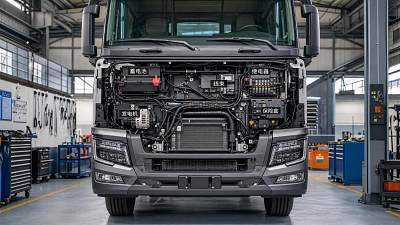
In practical terms, a durable engine is one that keeps stable performance over time under intended use. It should start reliably, manage heat well, tolerate repeated load cycles, and maintain efficiency without excessive wear. For a light duty truck with durable engine, this usually includes a strong cooling system, dependable lubrication, well-matched torque output, clean combustion, and components designed for long service intervals.
Durability is not only about peak power or engine displacement. Operators should look at whether the engine remains consistent after months of stop-and-go driving, seasonal temperature changes, mixed road quality, and varying cargo weight. A truly durable engine also supports lower total cost of ownership by reducing unexpected repairs, limiting unplanned downtime, and protecting nearby systems such as the transmission and aftertreatment components.
Another important point is serviceability. An engine can only deliver long-term value when filters, belts, sensors, and common wear parts are easy to inspect and replace. In many transport businesses, the best light duty truck with durable engine is not the one with the most complex design, but the one that operators can keep running efficiently with available parts and predictable maintenance.
Typical application scenes where engine durability becomes a key buying factor
Urban delivery and retail distribution
In urban logistics, trucks often work through congestion, traffic lights, curbside stops, and short-distance trips. Here, engine durability is closely linked to frequent restarting, idling, and thermal cycling. Operators in this scene should focus on cold-start stability, fuel efficiency at low speed, and resistance to wear caused by repeated stop-start operation. A light duty truck with durable engine in city delivery should also be easy to service because even small breakdowns quickly disrupt route planning.
Construction material transport
Construction-related transport places very different demands on the engine. The truck may run partially loaded on one trip and fully loaded on the next. Roads may be uneven, dusty, or muddy. Low-speed climbing and repeated acceleration under load are common. In this setting, durability means strong low-end torque, effective cooling, dust resistance, and stable operation even when daily conditions are inconsistent. Operators should be cautious about choosing an engine optimized only for light urban routes if the truck will regularly visit construction sites.
Agricultural and rural supply routes
Rural transport often combines paved roads, gravel sections, slopes, and long distances between service points. A durable engine here must handle vibration, changing load levels, and limited maintenance access. For this application, reliability and mechanical simplicity may matter more than advanced features alone. A light duty truck with durable engine for rural work should offer dependable torque delivery and easy access to maintenance parts, especially when field schedules depend on transport timing.
Municipal and utility operations
Municipal fleets, utility support units, and service contractors often need predictable daily readiness. These trucks may not always carry the heaviest loads, but they cannot afford missed starts or irregular engine behavior. In this case, durability means consistency, emission system stability, and reduced downtime across many routine cycles. Buyers in this segment should pay close attention to long-term operating records, maintenance intervals, and fleet support availability.
Scene comparison: what operators should evaluate first
The same phrase, light duty truck with durable engine, can describe different priorities depending on the route and workload. The table below shows how evaluation points shift by application scene.
How durability requirements change with load, road, and schedule
A major mistake is to treat all operating pressure as “heavy use.” In reality, durability pressure comes from several different sources. Load intensity affects internal engine stress, but road surface affects vibration and shock. Traffic conditions affect idling time and fuel burn pattern. Work schedule affects whether the engine has time to cool properly between shifts. The right truck choice depends on which of these pressures dominates your operation.
For example, a lightly loaded truck running 12 hours a day in dense traffic may need just as much engine durability as a heavier truck on shorter routes. Likewise, a truck that only works seasonally may still require strong durability if it sits idle for long periods and then returns suddenly to full work. Operators should therefore review not only payload, but also route frequency, average trip length, idle ratio, terrain, weather, and local maintenance access.
This is where careful supplier comparison becomes valuable. On an international B2B platform serving the commercial vehicle supply chain, buyers can compare trucks by engine configuration, application type, service support, and spare parts availability. That process is most useful when users already understand their scene-specific durability needs.
Practical signs that a light duty truck with durable engine fits your scene
Operators can use a simple scene-based checklist before making a purchase decision. A truck is more likely to be a good fit when the engine characteristics align with real operating demands instead of only brochure claims.
- The torque curve supports your normal load range, especially at the speeds you actually drive.
- Cooling and filtration systems match dusty, hot, cold, or stop-start conditions in your area.
- The maintenance schedule is realistic for your team, route plan, and service network.
- Common replacement parts are available without long delays.
- The engine has a performance record in similar transport applications, not only in ideal test conditions.
If these points are unclear, buyers should ask suppliers for operating examples, maintenance guidance, and recommended use cases. For fleet operators or independent drivers alike, these details are often more useful than generic promises about engine life.
Common scene-based misjudgments when choosing engine durability
One common misjudgment is assuming that higher horsepower automatically means a more durable truck. In many light transport tasks, engine longevity depends more on proper matching than on extra output. An oversized engine may increase fuel consumption and operating cost if the route does not require it.
Another mistake is ignoring the relationship between engine durability and maintenance discipline. Even a well-built light duty truck with durable engine can lose reliability quickly if oil quality, filter replacement, and cooling inspections are neglected. For operators working in remote or fast-paced environments, easy maintenance access can be a decisive advantage.
Buyers also sometimes focus only on the engine and forget the system around it. Poor transmission matching, overloaded suspension, or unsuitable tires can force the engine to work under inefficient conditions, creating premature wear. Durability is strongest when the whole truck is configured for the intended job.
Application-based buying suggestions for operators and small fleets
For independent drivers, the best option is often a practical truck that combines stable engine performance with easy parts access. For small fleets, standardization matters more, because consistent maintenance and driver familiarity improve uptime. For contractors, the correct choice may be a more robust setup that accepts higher daily stress without sacrificing reliability.
How to confirm suitability before placing an order
Before buying a light duty truck with durable engine, prepare a short operational profile. Include your average payload, route length, road type, daily run hours, idle percentage, climate conditions, and service access. This makes supplier discussions far more productive and helps avoid mismatched recommendations.
Then compare at least three areas: engine durability under similar applications, maintenance support in your region, and spare parts continuity. Platforms focused on global commercial vehicles and heavy equipment are especially useful here because they connect buyers with manufacturers and suppliers across trucks, chassis, parts, and service resources. Instead of evaluating a vehicle in isolation, users can review the broader support ecosystem that keeps the truck productive after purchase.
FAQ: scene-specific questions operators often ask
Is a light duty truck with durable engine only important for heavy cargo?
No. Stop-start delivery, long idle periods, rough roads, and strict uptime targets can all create durability demands even when cargo is not very heavy.
What matters more in urban use: power or durability?
For most city applications, durability, fuel efficiency, and service convenience matter more than maximum power. The engine should match repeated low-speed operation and frequent restarts.
Can a durable engine reduce total operating cost?
Yes. Better durability usually supports fewer breakdowns, more stable fuel performance, longer service intervals, and less disruption to transport schedules.
Final takeaway for selecting the right truck for your work
A light duty truck with durable engine is not defined by one number or one marketing phrase. It is defined by fit. The right engine is the one that matches your delivery pattern, road condition, load behavior, service access, and uptime expectations. When you evaluate trucks by application scene instead of only by specification sheet, you make a more reliable buying decision.
If you are comparing options for logistics delivery, project transport, rural supply, or municipal operations, start by mapping your daily operating reality. Then use trusted commercial vehicle sourcing channels to compare suppliers, verify technical details, and confirm after-sales support. That approach will help you choose a truck that works harder, lasts longer, and supports your business with confidence.
Trending News
- How to compare concrete mixer truck suppliers by total landed cost
- How axle load limits affect low bed trailer exports to Southeast Asia
- How to locate a truck exhaust system leak before replacing parts
- When does heavy equipment transport require a lowboy trailer?
- When does a light commercial vehicle for urban delivery save fleet costs?
Tag
Recommended News
 Truck TechnologyHow to locate a truck exhaust system leak before replacing partsLocate a truck exhaust system leak before replacing parts. Learn how to spot soot trails, confirm leaks safely, and identify root causes to avoid costly guesswork and repeat repairs.
 Truck TechnologyDoes a cab chassis truck for fire department have enough frame capacity?Cab chassis truck for fire department: assess frame strength, axle loads, tank weight, stability and compliance for a safer, reliable fire apparatus build.
 Truck TechnologyWhen does a truck off road setup need locking differentials?Truck off road setups need locking differentials when uneven, low-grip terrain causes wheelspin. Learn how to choose the right axle locks for safer, reliable mobility.
 Truck TechnologyEPA Remote-Diagnostics Rules Take Effect for Diesel EnginesEPA Remote-Diagnostics Rules take effect for diesel engines sold in the U.S. Learn how OTA updates, real-time NOx reporting, and fault-code retention may impact compliance, OEM projects, and imports.
 Truck TechnologyCab Chassis Truck for Military Use: Key Specs That Affect Mission ReadinessCab chassis truck for military use: explore the key specs that drive mission readiness, off-road mobility, integration flexibility, and lifecycle support for smarter fleet decisions.
 Truck TechnologyBULLDOZER with GPS Tracking: What Improves on Remote Job SitesBULLDOZER with GPS tracking improves remote job sites with better visibility, reduced idle time, stronger fleet coordination, and smarter earthmoving decisions across harsh terrain.
 Truck TechnologyTruck Body Materials Compared: Steel, Aluminum, or Composite?Truck body material comparison made practical: explore steel, aluminum, and composite options for payload, durability, corrosion resistance, and lifecycle cost.
 Truck TechnologyBest Cab Chassis Truck Setups for Municipal Engineering TasksCab chassis truck for municipal engineering: compare the best setups for sanitation, tanker, utility, and dump tasks to improve uptime, safety, and long-term fleet value.
 Truck TechnologyTruck Electrical System Faults: Common Causes and Fast ChecksTruck electrical system faults can cause no-starts, dim lights, and costly downtime. Learn common causes, fast checks, and practical steps to diagnose issues quickly.
 Truck TechnologyASEAN-ICV Opens Mutual Access for Connected Heavy VehiclesASEAN-ICV opens mutual access for connected heavy vehicles, cutting duplicate V2X testing across Thailand, Vietnam, Indonesia, and Malaysia. See what it means for exports, compliance, and fleet delivery.
![]() Truck TechnologyTruck Concrete Mixer Basics: Capacity, Drum Type, and Jobsite FitTruck concrete mixer basics explained: compare capacity, drum type, and jobsite fit to improve pour efficiency, cut delays, and choose the right mixer truck with confidence.
Truck TechnologyTruck Concrete Mixer Basics: Capacity, Drum Type, and Jobsite FitTruck concrete mixer basics explained: compare capacity, drum type, and jobsite fit to improve pour efficiency, cut delays, and choose the right mixer truck with confidence. Truck TechnologyBrazil Requires Dual-Mode Tracking on Imported Heavy TrucksBrazil requires dual-mode tracking on imported heavy trucks. Learn how BeiDou+GPS, SISFROTA, and ABNT NBR 16501:2025 rules affect licensing, compliance, and market access.
 Truck TechnologyWater Truck OEM Options: Tank Size, Pump Output, and Road ConditionsWater truck OEM selection starts with the right match of tank size, pump output, and road conditions. Learn how to compare specs, improve uptime, and choose a fleet-ready solution.
 Truck TechnologyChile Requires Remote Diagnostics on Imported Heavy TrucksChile Requires Remote Diagnostics on Imported Heavy Trucks: learn how NCh3871:2026, OTA, ISO 22161, and VHMP rules will impact truck imports, registration, and fleet planning.
 Truck TechnologyHow to Compare Logging Truck OEM Specs for Drivetrain and Load StabilityLogging truck OEM specs compared the right way: learn how to evaluate drivetrain torque, axle ratios, suspension, and load stability for safer forestry hauling.
 Truck TechnologyIndia Drafts BS-VI Phase II Remote OBD Upload RuleIndia Drafts BS-VI Phase II Remote OBD Upload Rule: learn how India’s new real-time OBD upload proposal could impact truck exporters, T-Box upgrades, certification timelines, and market access.
 Truck TechnologyMilitary Truck Payload vs Mobility: What Matters in Harsh TerrainMilitary truck performance in harsh terrain depends on more than payload. Discover how mobility, traction, axle load, and suspension affect real-world mission success.
 Truck TechnologyLogging Truck OEM Options: Key Specs for Harsh Forestry RoutesLogging truck OEM options for forestry routes: compare axle layouts, frame strength, traction, braking, and service support to choose a durable, high-uptime truck.
 Truck TechnologyVietnam to Require VCA Checks for Imported Heavy TrucksVietnam to Require VCA Checks for Imported Heavy Trucks from August 1, 2026. Learn how VCA testing, CAN, HVIL, and OBD-II rules could impact truck exports, certification, and delivery planning.
 Truck TechnologyMexico Enforces CAN FD Rule for Imported TrucksMexico Enforces CAN FD Rule for Imported Trucks: learn how NOM-042-SEMARNAT-2026 impacts OBD-II+, ANCE verification, ECU strategy, and Mexico-bound truck compliance.
 Truck TechnologyBrazil ANP Rule Requires H₂ Leak Sensors on Imported Gas TractorsBrazil ANP rule requires H₂ leak sensors on imported gas tractors from Oct 1, 2026. Learn the compliance impact, IEC 60079-29-1 standard, and what exporters must do now.
 Truck TechnologyTruck Brake System Basics: Components, Failure Risks, and Safety ChecksTruck brake system basics explained: key components, common failure risks, and practical safety checks to improve fleet uptime, compliance, and road safety.
 Truck TechnologySupply Chain Expo Opens With Focus on Heavy Truck Core SystemsHeavy truck core systems take center stage at the Supply Chain Expo, spotlighting battery systems, electric drive axles, and by-wire technologies shaping export opportunities.
 Truck TechnologyTruck Control Unit Failures: Common Symptoms and Fix StrategiesTruck control unit failures often start with small warning signs. Learn key symptoms, root causes, and smart repair strategies to cut downtime and avoid costly misdiagnosis.
 Truck TechnologyEU V2X Rule Sets 2027 Deadline for New Heavy Truck ApprovalEU V2X Rule Sets 2027 Deadline for New Heavy Truck Approval: learn how ETSI EN 302 637-2 and UN R155 reshape EU truck compliance, certification, sourcing, and export planning.