What Makes One Truck Trailer Easier to Maintain Than Another
Choosing the right truck trailer is not only about payload and durability, but also about long-term maintenance efficiency. For buyers comparing truck tipper, truck van, off road truck, and trailer options, understanding what reduces downtime and service costs is essential. From axle design to hydraulic pump access and parts compatibility, easier maintenance can directly improve fleet performance and purchasing value.
Why maintenance ease matters more than many trailer buyers expect
In road transport equipment procurement, the purchase price is only the first number on the spreadsheet. Over a service life of 5–10 years, maintenance accessibility, spare parts availability, inspection frequency, and repair downtime often shape the real operating cost of a truck trailer more than the initial invoice does. This is especially true for fleets running regional logistics, construction delivery, municipal work, and mining support.
A trailer that is easier to maintain usually shares several practical traits: standard components, visible service points, simpler wiring, less obstructed hydraulic layouts, and fast-wear parts that can be replaced without removing major assemblies. For procurement teams, this means fewer workshop hours. For distributors and dealers, it means fewer after-sales disputes. For business evaluators, it means a more predictable total cost of ownership.
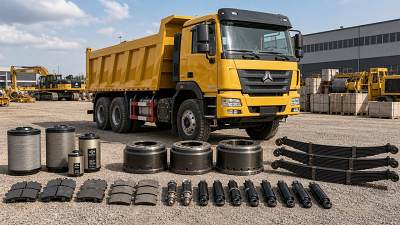
Different trailer categories create different maintenance burdens. A truck tipper may require closer attention to hydraulic cylinders, hinges, and subframe stress points. A truck van may be easier structurally but can become costly if door hardware, floor panels, and sealing systems are poorly designed. An off road truck or severe-duty trailer faces heavier vibration loads, mud contamination, and shorter service intervals under harsh cycles.
For international B2B buyers, maintenance is also a supply chain issue. If one trailer uses proprietary brake chambers, uncommon suspension parts, or region-specific electrical connectors, cross-border replacement time can stretch from 7–15 days to several weeks. The better choice is often the trailer that balances payload and durability with service simplicity across multiple markets.
What “easy to maintain” usually means in practical terms
- Inspection points are visible during daily or weekly checks, including brake lines, suspension mounts, electrical plugs, tires, hinges, and hydraulic hoses.
- Common wear parts can be sourced through multiple channels rather than only one factory or one domestic distributor.
- Routine service tasks can be completed in 1–3 workshop stages without cutting, welding, or disassembling unrelated parts.
- The trailer structure allows technicians to access axles, landing gear, suspension, and cable routing with ordinary commercial workshop tools.
Which trailer design features reduce downtime and workshop labor?
Maintenance-friendly trailer design is not about one single component. It is the result of how the chassis, suspension, braking system, body structure, and service layout work together. Buyers comparing trailer options should ask not only how strong a trailer is, but how quickly a technician can inspect it every month, how easily a damaged part can be replaced, and how often heavy intervention is likely to be required.
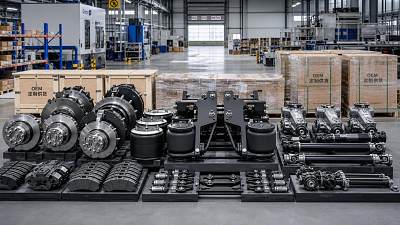
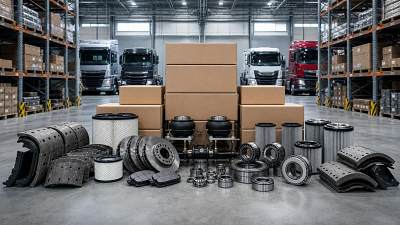
Axle and suspension layout is one of the clearest examples. A common axle specification with widely used bearings, seals, brake linings, and hubs simplifies inventory planning. Leaf spring systems are often easier to understand and repair in many developing markets, while air suspension can improve ride performance but may add valves, lines, and leak points that require more diagnostic discipline.
Hydraulic design matters strongly for tippers and certain special trailers. If the hydraulic pump, reservoir, hoses, and cylinder mounts are difficult to access, even minor repairs can become long workshop jobs. In contrast, cleaner hose routing, protected fittings, and straightforward cylinder pin access can reduce service time and lower the risk of contamination or accidental damage during field repair.
Electrical reliability is another overlooked factor. Sealed connectors, protected harness routing, and logical junction locations reduce intermittent faults. In many fleets, electrical troubleshooting consumes more labor than expected, especially after 12–24 months of vibration, water ingress, and rough loading cycles. A well-routed harness saves time every time a lamp, ABS line, or power circuit needs testing.
Key design points buyers should inspect before ordering
The table below compares common trailer design features and their likely effect on maintenance efficiency. It can help procurement teams identify which specifications are likely to reduce workshop hours and which may create hidden after-sales cost.
For most buyers, the most maintainable truck trailer is not necessarily the one with the highest specification on paper. It is usually the one with the fewest service obstacles. If a trailer performs routine inspection in 20–40 minutes rather than requiring partial dismantling, the operational benefit repeats every week across the fleet.
Three technical areas that deserve extra attention
- Brake serviceability: confirm shoe, pad, chamber, hose, and slack adjuster accessibility, especially on multi-axle trailer configurations.
- Structural repair practicality: inspect whether cross-members, side rails, and wear plates can be repaired section by section rather than through large cut-and-replace jobs.
- Greasing and inspection frequency: ask how many lubrication points exist and whether they can be reached during weekly checks without lifting unrelated components.
How do tipper, van, and off-road trailers compare in maintenance workload?
Buyers often compare payload capacity and body style but do not compare maintenance burden by application. Yet this is one of the most important procurement steps. A trailer that works well in highway logistics may become expensive in quarry routes. A body optimized for municipal material hauling may be unsuitable for long, rough, high-dust duty cycles.
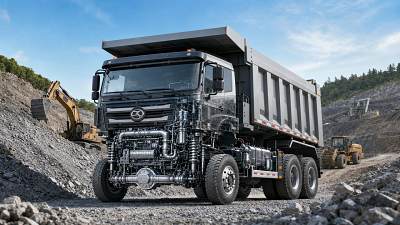
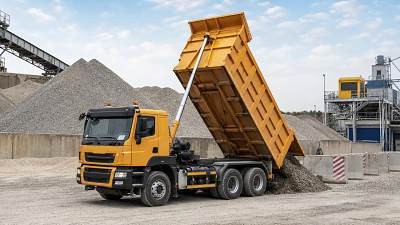
Truck tipper and tipper trailer configurations usually face concentrated stress around the hydraulic system, hinge area, rear door mechanism, and body floor. They can be maintenance-friendly if the grease points, cylinder mounts, and underbody access are well arranged. They become difficult when hose routing is exposed, hinge pins are hard to remove, or body reinforcement traps debris and corrosion.
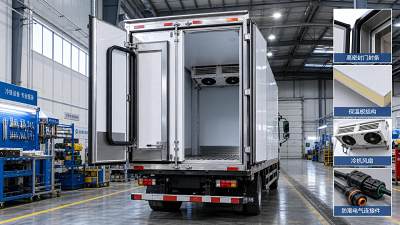
Truck van and enclosed trailers often look simpler, but their service profile is different rather than lighter. Door hardware, lock systems, floor wear, sealing strips, and panel repair quality matter. In urban and regional freight, frequent loading cycles can create repeated wear points. If door alignment drifts or floor replacement requires major panel removal, workshop time can increase quickly over 12–36 months.
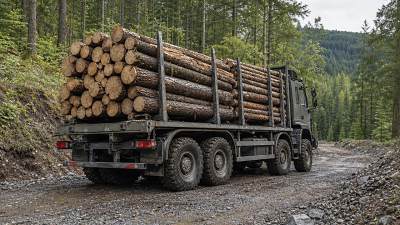
Off road truck support trailers and severe-duty trailer equipment usually require the most robust maintenance planning. Mud, overload risk, side impacts, and vibration accelerate fastener loosening, hose wear, bushing fatigue, and lamp damage. In these settings, simple and rugged systems often outperform more complex assemblies because field maintenance is harder and spare supply may be slower.
Comparison by operating environment and service complexity
The following comparison table helps distributors, fleet buyers, and sourcing teams match trailer type with likely maintenance intensity and inspection focus.
This comparison shows that easier maintenance depends on application fit. A tipper trailer can be easier to maintain than a van trailer in a bulk material fleet if the hydraulic system is well designed and the maintenance team already stocks seals, hoses, and pins. The wrong trailer for the job always becomes the harder trailer to maintain.
A practical rule for buyer evaluation
Match the trailer not only to payload, but to service environment, technician capability, and spare supply. If your operation runs 6 days per week in rough conditions, choose simpler repair paths over optional complexity. If your distribution network needs repeatable after-sales support across several countries, standardization is often more valuable than niche design features.
What should procurement teams check before selecting a low-maintenance truck trailer?
A good purchasing decision starts with a structured review, not a brochure comparison. Procurement teams, distributors, and commercial evaluators should score trailers across at least 5 key dimensions: component standardization, inspection accessibility, repair complexity, spare parts lead time, and supplier technical support. This process helps avoid buying a trailer that looks attractive at delivery but becomes expensive after the first year of use.
Ask suppliers how the trailer is serviced in practice. Which parts are considered fast-wear items during the first 12 months, 24 months, and 36 months? Which components are market-standard and which are custom? How many maintenance points require lifting, special fixtures, or trained hydraulic technicians? These questions are often more useful than asking only about steel thickness or payload rating.
Documentation quality also matters. Buyers should confirm whether service manuals, exploded drawings, spare parts lists, and maintenance schedules are available in usable form. In cross-border sourcing, weak documentation can delay repair decisions even when the part itself is available. For dealers and agents, better documentation lowers onboarding time for local workshops and improves after-sales consistency.
On a global B2B platform, the advantage is comparison visibility. Buyers can review multiple trailer and semi-trailer suppliers, assess component ecosystems, compare product categories such as Truck Chassis & Cab, Complete Trucks, Trailers & Semi-Trailers, and Spare Parts, and identify which vendors can support not only supply but also long-term maintenance planning.
Pre-purchase checklist for easier maintenance
- Confirm whether axle, brake, suspension, and electrical parts are standard market references or unique factory items.
- Check if routine inspection can be completed daily, weekly, and monthly without dismantling side guards, body panels, or hydraulic supports.
- Review spare parts lead times for critical items such as hoses, seals, brake chambers, bushings, and lamps. A difference between 3–7 days and 3–5 weeks changes fleet risk significantly.
- Ask for service documentation, parts diagrams, and recommended preventive maintenance intervals before issuing the purchase order.
- Verify whether the supplier can coordinate with dealers, regional service partners, or local maintenance teams after delivery.
A simple evaluation matrix for sourcing teams
The table below can be used during supplier comparison meetings to score maintenance-related purchase risk in a more disciplined way.
This type of matrix is especially useful when more than one supplier offers similar payload and price. In many cases, the decisive factor should be whether the trailer can stay in service with normal workshop resources rather than requiring repeated factory-level intervention.
What mistakes make a trailer harder to maintain after delivery?
Many maintenance problems are created at the purchasing stage. One common mistake is choosing a trailer based only on body strength or appearance while ignoring the service path. Hidden hose routing, non-standard lamps, inaccessible grease points, and uncommon suspension parts may not affect delivery inspection, but they often create repeated downtime during the first operating cycles.
Another mistake is underestimating the local service environment. A fleet operating in remote construction or mining areas may not have advanced hydraulic diagnostics, welding fixtures, or stocked electronic modules. In those cases, a simpler and more conventional trailer may outperform a higher-spec alternative because it can be repaired with available labor and standard parts.
Buyers also sometimes ignore corrosion and contamination exposure. Water, dust, salt, mud, and impact loading can accelerate service needs. If cable routing, valve placement, and fastener protection are not suited to the environment, service frequency may increase from quarterly checks to monthly corrective intervention. That pattern quickly changes lifecycle cost.
Finally, poor maintenance planning after delivery can make even a good truck trailer perform badly. Preventive schedules, lubrication discipline, torque checks, and early replacement of wear items are essential. Easier maintenance does not mean no maintenance. It means the trailer supports timely, efficient service before small problems become structural repairs.
FAQ: common buyer questions about maintenance-friendly trailers
How do I know if a trailer uses too many non-standard parts?
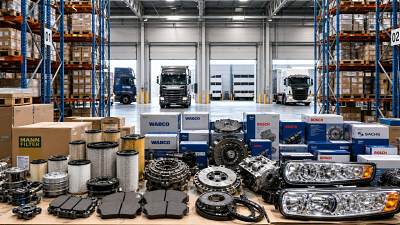
Request a spare parts list before ordering and identify which items are shared with common market systems. Focus on axles, brake parts, seals, bushings, electrical connectors, lamps, and hydraulic fittings. If too many fast-wear items are supplier-exclusive, future lead times may be less predictable in international sourcing.
Is air suspension always harder to maintain than leaf spring suspension?
Not always. Air suspension can perform well with disciplined inspection and parts support, especially on highway operations. But in rough environments or regions with limited diagnostics, leaf spring systems are often easier to repair quickly. The right choice depends on route condition, service capability, and the acceptable balance between ride performance and repair simplicity.
How often should a heavy-duty trailer be inspected?
Actual intervals depend on use intensity, cargo type, road conditions, and local regulation. In practice, many fleets separate checks into daily walk-around inspection, weekly functional checks, monthly service review, and deeper quarterly maintenance. Severe-duty work may require shorter intervals for hoses, suspension points, tires, and structural fasteners.
Does a heavier trailer automatically mean lower maintenance?
No. Heavier construction may improve durability in some cases, but poor access, unnecessary complexity, or non-standard components can still increase maintenance cost. The better question is whether the trailer structure is appropriate for the load cycle and whether service tasks can be completed efficiently throughout the operating life.
Why choose our platform when evaluating truck trailer maintenance and sourcing options?
For buyers in the commercial vehicle and heavy equipment industry, trailer selection is no longer only a product search. It is a sourcing, lifecycle, and risk management decision. The Global Heavy Truck Industry Platform supports this process by connecting buyers, manufacturers, suppliers, distributors, and agents across the heavy truck supply chain in one professional international B2B environment.
Instead of comparing trailer listings in isolation, users can evaluate products alongside related categories such as Truck Chassis & Cab, Complete Trucks, Trailers & Semi-Trailers, Construction Machinery, and Spare Parts. This matters when maintenance planning depends on parts compatibility, vehicle matching, and service support across several equipment lines rather than one trailer model alone.
The platform is especially useful for information researchers, procurement managers, business assessment teams, and distributors who need clearer supplier visibility. It helps users compare suppliers, review industry resources, understand market direction, and shorten the path from initial inquiry to practical shortlist. In a market where delivery cycles may range from 2–4 weeks for standard configurations to longer for custom builds, better early comparison saves time later.
If you are evaluating what makes one truck trailer easier to maintain than another, you can contact us for focused support on parameter confirmation, trailer type selection, hydraulic and axle configuration comparison, spare parts planning, estimated delivery cycle, customization scope, certification-related questions, sample support where applicable, and quotation communication. This gives your team a more structured basis for choosing trailer solutions that are easier to service and more reliable to operate over time.
Trending News
- Cab Chassis Truck for Fire Department: Key Specs Before Ordering
- When to Use an Excavator With Long Reach Boom on Site
- Choosing a Water Truck Factory for Municipal and Mining Projects
- Truck Parts Wholesale: How to Balance Price, Quality, and Lead Time
- Crane Truck Price in 2026: What Drives Total Ownership Cost
Tag
Recommended News
 Truck Parts IndustryTruck Parts Wholesale: How to Balance Price, Quality, and Lead TimeTruck parts wholesale made smarter: learn how to balance price, quality, and lead time by application to cut downtime, reduce hidden costs, and source with more confidence.
 Truck ReviewsLight Duty Truck With Durable Engine: What Matters MostLight duty truck with durable engine: discover the key checks for uptime, lower fuel costs, smarter maintenance, and reliable performance before you buy.
 Truck Parts IndustryTruck Spare Parts Supplier with Bulk Order Discounts: Savings vs Stock RiskTruck spare parts supplier with bulk order discounts: learn when bulk buying cuts fleet costs and when stock risk hurts cash flow, uptime, and sourcing efficiency.
 Truck Parts IndustryTruck Spare Parts Supplier in Europe: Compliance Checks Before OrderingTruck spare parts supplier in Europe selection starts with compliance. Learn the key checks for safety, fitment, traceability, and import documents before you order.
 Truck Parts IndustryChoosing a Heavy Truck Parts Manufacturer with OEM Services for Stable SupplyHeavy truck parts manufacturer with OEM services: learn how to secure stable supply, consistent quality, and lower sourcing risk with practical buyer evaluation tips.
 Truck Parts IndustryHeavy Truck Parts for Construction: Durability vs Replacement CostHeavy truck parts manufacturer for construction insights: learn how to balance durability, replacement cost, and uptime across rough ground, urban projects, and severe-duty fleets.
 Truck Parts IndustryCold Storage Vehicle Parts That Reduce Failure RatesCommercial vehicle parts for cold storage that cut failure rates: explore seals, insulation, cooling, and electrical upgrades to protect cargo, reduce downtime, and improve fleet uptime.
 Truck Parts IndustryGermany Heavy Truck Parts Manufacturers: Quality and Supply RisksHeavy truck parts manufacturer in Germany: learn how to assess quality, certifications, and supply risks to secure safer sourcing, stable deliveries, and long-term fleet performance.
 Truck Parts IndustryVietnam to Enforce New Used Truck Import Rules from Q4 2026Vietnam's new used truck import rules (Q4 2026) require OEM remanufacturing certification & traceability—key for Chinese exporters, assemblers & logistics providers.
 Truck ReviewsWhat Makes a Truck Tipper for Construction Perform Better On-Site?Truck tipper for construction performance depends on site conditions, body strength, hydraulics, and traction. Learn how to choose the right model for safer, faster, more efficient jobs.
 Truck Parts IndustryChoosing a Truck Parts Exporter: Lead Time, Compliance, and Quality RisksTruck parts exporter selection affects uptime, compliance, and cost. Learn how to compare lead time, certification, and quality control to avoid delays, claims, and fleet-wide failures.
 New Truck ReleasesKunming Launches Jacaranda-Themed EV Bus; Inspires Latin American Design FeedbackKunming's jacaranda-themed EV bus sets new standard for cultural adaptation in Latin American陆路运输设备 exports — blending aesthetics, UI localization & sustainable mobility.
 Truck Parts IndustryGermany Heavy Truck Parts Manufacturers: Quality and Supply RisksHeavy truck parts manufacturer in Germany selection guide: compare quality systems, traceability, testing, and supply risks to secure reliable truck parts sourcing.
 Truck Parts IndustryIrkeshtam Port’s 24-Hour Freight Clearance Boosts Exports to KyrgyzstanIrkeshtam Port’s 24-hour freight clearance slashes heavy-truck component clearance to <15 mins—boosting road transport equipment exports to Kyrgyzstan.
 Truck Parts IndustryHeavy Truck Parts for Construction: Which Components Fail Most OftenHeavy truck parts manufacturer for construction insights: discover which brake, suspension, filter, and drivetrain components fail most often—and how smarter sourcing cuts downtime and repair costs.
 Truck ReviewsLogging Truck Producer Comparison: Durability Issues That Affect UptimeLogging truck producer comparison guide: discover the durability issues that impact uptime, repair costs, and safety, and learn how to choose a truck built for harsh forestry transport.
 Truck Parts IndustryBulk Order Discounts on Truck Spare Parts: When Savings Become RiskTruck spare parts supplier with bulk order discounts: learn when lower prices increase downtime, quality, and inventory risk—and how to source smarter for reliable fleet performance.
 Truck Parts IndustryTruck Parts Wholesale: How to Balance Price, Quality, and Stock RiskTruck parts wholesale success depends on balancing price, quality, and inventory risk. Learn practical sourcing checks to protect margins, reduce dead stock, and choose reliable suppliers.
 Truck Parts IndustryHow OEM Services Reduce Downtime in Heavy Truck Parts SupplyHeavy truck parts manufacturer with OEM services helps cut downtime with accurate fit, faster lead times, and stable supply—discover smarter sourcing for fleet maintenance.
 Truck ReviewsTruck Tipper for Construction: When Payload Matters More Than PriceTruck tipper for construction buying guide: learn why payload, durability, and cycle efficiency matter more than price to cut costs, boost uptime, and improve site productivity.
 Truck Parts IndustryErenhot-Mongolia 24-Hour Freight Clearance Boosts Trucking EfficiencyErenhot-Mongolia 24-hour freight clearance slashes truck clearance time by 40%—boosting efficiency for auto parts, cold-chain & cross-border trucking.
 Truck Parts IndustryKazakhstan Extends Zero-Tariff for Truck Parts on China-Europe Rail Routes to 2027Kazakhstan extends zero-tariff for truck parts—including ADAS controllers, ECUs & T-BOX units—on China-Europe rail routes until 2027. Boost your logistics & export strategy now!
 Truck Parts IndustryHow Low-Maintenance Truck Spare Parts Reduce Downtime Over TimeTruck spare parts supplier with low maintenance solutions help fleets cut downtime, reduce repair frequency, and improve workshop efficiency. Discover how durable parts boost long-term truck performance.
 Truck ReviewsCrane Truck Manufacturer Comparison for Urban Lifting and Narrow SitesCrane truck manufacturer comparison for urban lifting: discover how to choose compact, safe, high-efficiency models for narrow sites, faster setup, and reliable support.
![]() Truck Parts IndustryHeavy Truck Parts Manufacturer for Construction: How to Judge Product ConsistencyHeavy truck parts manufacturer for construction selection starts with consistency. Learn how to judge batch stability, traceability, and quality control to reduce risk and improve fleet safety.
Truck Parts IndustryHeavy Truck Parts Manufacturer for Construction: How to Judge Product ConsistencyHeavy truck parts manufacturer for construction selection starts with consistency. Learn how to judge batch stability, traceability, and quality control to reduce risk and improve fleet safety.