Truck Cement Mixing Capacity: Bigger Is Not Always Better
When choosing a truck cement mixer, bigger capacity does not always mean better performance or higher profit. From truck concrete delivery efficiency to chassis stability, hydraulic pump performance, and compatibility with truck trailer or truck tipper applications, every detail affects operating cost and jobsite productivity. This article helps buyers, distributors, and evaluators understand how to match mixing capacity with real transport needs in today’s heavy-duty market.
For most buyers, the real question is not “What is the biggest truck cement mixing capacity available?” but “What capacity gives the best balance of payload, stability, legal compliance, route flexibility, fuel cost, discharge efficiency, and return on investment?” In practice, an oversized concrete mixer truck can reduce efficiency just as easily as it can increase nominal output. The right choice depends on road conditions, project type, local weight limits, concrete supply rhythm, and the capability of the truck chassis, drum, hydraulic system, and support network.
What Buyers Are Really Trying to Decide
Users searching for truck cement mixing capacity are usually comparing options before procurement, dealership listing, or supplier evaluation. Their intent is highly practical: they want to know which mixer size is most suitable for actual operating conditions, not just which model looks stronger on paper.
For procurement teams and business evaluators, the key concerns are usually these:
- Whether a larger drum truly improves delivery productivity
- How capacity affects truck stability, maneuverability, and axle load compliance
- Whether fuel consumption, tire wear, and maintenance costs rise too quickly with larger models
- How to match mixer truck size with urban, municipal, infrastructure, or remote jobsite needs
- Whether the truck chassis and hydraulic pump system can support the intended mixing volume reliably
- How to compare total operating value rather than headline capacity alone
This means the most useful content is not a general definition of mixer trucks. What decision-makers need is a framework for choosing capacity based on transport economics, site efficiency, and equipment suitability.
Why Bigger Capacity Is Not Automatically Better
A bigger truck cement mixer may carry more concrete per trip, but that advantage only matters if the full system can use that capacity efficiently. If the route includes narrow roads, urban congestion, steep grades, soft ground, or bridge weight restrictions, a larger unit may create delivery delays or even prevent site access.
There are several reasons oversized capacity can become a disadvantage:
- Lower route flexibility: Larger mixers are harder to maneuver in dense cities, residential developments, and small construction zones.
- Higher gross vehicle weight: More payload increases axle pressure and may conflict with local transport regulations.
- Higher operating cost: Fuel consumption, tire wear, brake wear, and suspension stress usually increase with heavier operation.
- Longer cycle inefficiencies: If plant loading, unloading space, or site pouring speed is limited, extra drum volume may not translate into more daily deliveries.
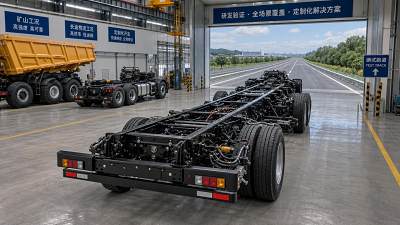
- Greater chassis demand: A larger drum requires a properly matched heavy-duty truck chassis, stronger frame design, reliable PTO, and durable hydraulic components.
In short, capacity must be evaluated as part of the whole truck concrete delivery system. A model that is too large for the operating environment can lower daily utilization and increase hidden costs.
How Capacity Affects Real Delivery Efficiency
Many buyers assume that more cubic meters always means fewer trips and better profit. That can be true, but only when dispatch rhythm, site reception capacity, and road conditions are aligned.
Real delivery efficiency depends on the full cycle time:
- Batching plant waiting and loading time
- Travel time to the project site
- On-site waiting time
- Concrete discharge speed
- Cleaning and return time
If a larger mixer truck spends more time waiting to enter the site, struggles to turn in tight access roads, or cannot discharge at the site’s pouring pace, then its theoretical capacity advantage becomes less meaningful. In some cases, two medium-capacity mixer trucks can outperform one larger unit by improving dispatch flexibility and reducing schedule bottlenecks.
This is especially relevant in municipal engineering, commercial building work, and mixed urban projects where jobsite conditions change quickly and access is limited.
The Role of Chassis Stability and Weight Distribution
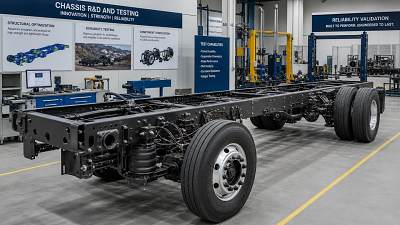
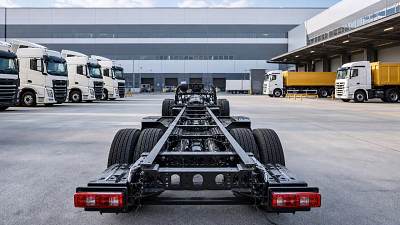
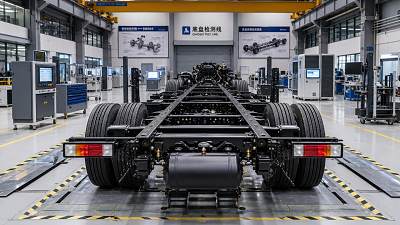
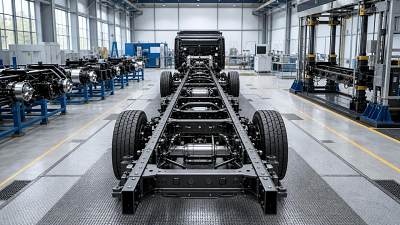
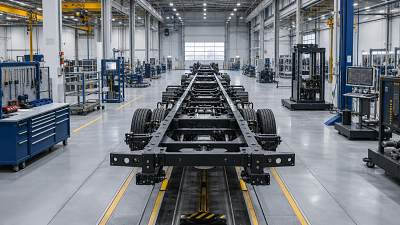
One of the most underestimated purchasing factors is chassis matching. Truck cement mixing capacity cannot be judged independently from the truck chassis and axle configuration. A drum with greater volume changes the center of gravity, especially when loaded with wet concrete, which is both heavy and dynamic during transport.
Buyers should pay close attention to:
- Chassis frame strength and torsional resistance
- Axle load distribution under full payload
- Wheelbase suitability for drum size
- Suspension durability on rough roads
- Braking performance under repeated stop-and-go operation
- Stability during cornering and uneven terrain access
If the chassis is not correctly matched, a bigger mixer can increase rollover risk, accelerate structural fatigue, and shorten service life. This is why reputable suppliers do not market mixer capacity as an isolated figure. They evaluate the entire truck package, including engine output, transmission matching, axle ratio, and frame design.
For distributors and sourcing professionals, this is also a major supplier screening point. A supplier offering large-capacity mixer bodies without clear chassis compatibility data should be evaluated carefully.
Hydraulic Pump and Drum System Performance Matter More Than Advertised Volume
Capacity is only useful if the drum rotates consistently and the hydraulic system performs reliably. In truck concrete transport, poor hydraulic performance can lead to incomplete mixing, discharge inefficiency, concrete segregation risk, and higher maintenance downtime.
When assessing a mixer truck, buyers should review:
- Hydraulic pump brand and performance stability
- Motor and reducer matching
- Drum material strength and wear resistance
- Blade design for mixing and discharge efficiency
- Charging and discharging speed
- Ease of maintenance and spare parts availability
A slightly smaller but better-engineered mixer truck often provides stronger long-term value than a larger model with weak hydraulic reliability. For B2B buyers, downtime can erase any profit advantage from nominal extra capacity.
Which Capacity Fits Which Use Case?
The best truck cement mixing capacity depends heavily on project type and transport environment. Instead of asking for the maximum available size, buyers should ask which range fits their business model.
Smaller and medium-capacity mixer trucks are often better for:
- Urban construction and municipal engineering
- Narrow road networks and older city districts
- Frequent short-distance delivery cycles
- Projects with limited unloading space
- Operators seeking easier fleet flexibility
Larger-capacity mixer trucks are more suitable for:
- Large infrastructure projects
- Longer hauling routes with stable road conditions
- High-volume concrete supply contracts
- Sites with sufficient access and unloading support
- Operations where legal payload and axle limits permit heavier configurations
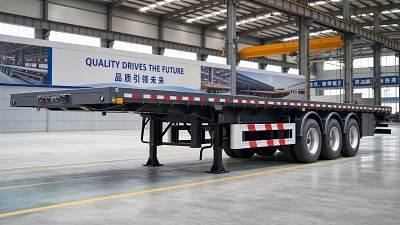
For some buyers, it is also important to consider fleet coordination with other transport assets, such as truck trailer and truck tipper operations. Companies handling mixed logistics or construction support often gain more from standardized, versatile vehicle specifications than from maximizing one truck’s drum size.
What Procurement Teams Should Compare Beyond Capacity
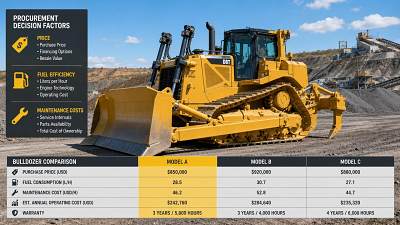
For professional purchasing and commercial evaluation, capacity should be one line in a broader comparison table. A sound procurement decision should include both technical and economic criteria.
Key comparison points include:
- Rated mixing volume versus legal transport payload
- Chassis brand reputation and regional service support
- Engine power, torque, and fuel economy
- Hydraulic system reliability and parts sourcing
- Drum material quality and anti-wear performance
- Turning radius and site accessibility
- Lifecycle maintenance cost
- Delivery lead time and export support
- Supplier documentation, certifications, and after-sales capability
This matters especially on international B2B platforms, where buyers may compare suppliers from different countries. A larger drum size may seem attractive in listings, but procurement professionals should verify if the full configuration is practical in their target market.
Common Mistakes When Choosing a Concrete Mixer Truck
Many buying mistakes come from focusing too heavily on headline specifications. The most common errors include:
- Choosing the largest available drum without checking local road and weight rules
- Ignoring the jobsite’s real unloading and access limitations
- Underestimating hydraulic system quality
- Comparing price per unit instead of cost per delivered cubic meter over time
- Failing to consider service parts availability in the destination market
- Assuming larger capacity automatically means stronger productivity
For dealers, distributors, and agents, these mistakes can also create resale problems. Equipment that is oversized for the local market is often harder to market, finance, and support.
A Practical Way to Match Capacity With Business Needs
If you are evaluating truck cement mixing capacity for sourcing or channel development, use a simple decision path:
- Define average delivery distance and road conditions.
- Check legal payload and axle restrictions in the operating market.
- Estimate site access limitations and discharge conditions.
- Review batching plant loading rhythm and target daily trip count.
- Match drum capacity with a suitable heavy-duty truck chassis.
- Verify hydraulic system quality, maintenance support, and spare parts access.
- Calculate total operating cost, not just purchase price.
This approach gives buyers a much more realistic basis for comparing suppliers and equipment classes. It also supports better long-term ROI decisions than choosing by drum size alone.
Final Takeaway
In the truck concrete transport business, bigger capacity is not always better. The most profitable and reliable truck cement mixer is the one that fits the route, the chassis, the jobsite, the legal payload environment, and the operator’s cost structure. For buyers, distributors, and evaluators, the smartest decision is to assess capacity as part of a complete performance and business-value equation.
When comparing mixer trucks on a global B2B platform, focus on practical compatibility: chassis strength, hydraulic reliability, operating efficiency, market suitability, and supplier support. A well-matched medium or large mixer truck will usually outperform an oversized one that looks impressive in specifications but struggles in real-world delivery.
In procurement terms, the best capacity is not the biggest number. It is the one that delivers the highest usable productivity with the lowest avoidable risk.
Trending News
- Cab Chassis Truck for Fire Department: Key Specs Before Ordering
- When to Use an Excavator With Long Reach Boom on Site
- Choosing a Water Truck Factory for Municipal and Mining Projects
- Truck Parts Wholesale: How to Balance Price, Quality, and Lead Time
- Crane Truck Price in 2026: What Drives Total Ownership Cost
Tag
Recommended News
 Buying GuideCab Chassis Truck for Fire Department: Key Specs Before OrderingCab chassis truck for fire department buyers: compare GVWR, axle ratings, PTO, braking, electrical capacity, and body-fit specs before ordering to reduce risk and improve fleet reliability.
 Buying GuideChoosing a Water Truck Factory for Municipal and Mining ProjectsWater truck factory selection impacts uptime, cost, and reliability. Learn how to compare suppliers for municipal and mining projects with practical buying criteria.
 Buying GuideLogging Truck Producer Comparison: Payload, Durability, and ServiceLogging truck producer comparison for buyers focused on payload, durability, and after-sales service. Learn how to compare suppliers, reduce downtime, and source with confidence.
 Buying GuideHow to Evaluate a Heavy Truck Chassis Manufacturer With R&D CapabilityHeavy truck chassis manufacturer with R&D capability: learn how to assess engineering depth, testing, customization, and compliance to choose a reliable supplier with lower lifecycle risk.
 FAQDelivery Truck Supplier for School Transportation: Safety ChecklistDelivery truck supplier for school transportation: use this safety checklist to compare compliance, braking, visibility, build quality, and supplier reliability before you buy.
 Buying GuideChoosing a Truck Chassis Supplier for Trailer Manufacturing NeedsTruck chassis supplier for trailer manufacturing: learn how to compare quality, compliance, lead times, and total cost to choose reliable partners and improve sourcing results.
 FAQHow ISO Certification Reduces Sourcing Risk in Truck Chassis SupplyHeavy truck chassis manufacturer with ISO certification: discover how certified suppliers reduce sourcing risk, improve traceability, and support safer global truck chassis procurement.
 Buying GuideBest Light Commercial Vehicle Options for Last Mile DeliveryLight commercial vehicle for last mile delivery: compare vans, light trucks, and chassis-cab options to reduce costs, improve uptime, and choose the best fit for urban logistics.
 Buying GuideTop Factors in Choosing a Truck Chassis Supplier in EuropeTruck chassis supplier in Europe selection starts with quality, compliance, customization, and lead time. Learn how to compare suppliers and reduce sourcing risk.
 Buying GuideHow to Evaluate a Heavy Truck Chassis Manufacturer With R&D CapabilityHeavy truck chassis manufacturer with R&D capability: learn how to assess engineering strength, validation, compliance, and support to choose durable, market-ready chassis solutions.
 Buying GuideWhat to Compare in a Light Duty Truck Manufacturer in USALight duty truck manufacturer in USA: compare build quality, compliance, lead time, customization, and service support to reduce sourcing risk and improve fleet value.
 Buying GuideChoosing a Dump Truck Supplier with Quick Delivery for Tight Project TimelinesFind a dump truck supplier with quick delivery that fits tight project timelines. Compare fast lead times, reliable quality, parts support, and export-ready service.
 Buying GuideHow to Evaluate a Heavy Truck Chassis Manufacturer with R&D CapabilityHeavy truck chassis manufacturer with R&D capability: learn how to assess testing, customization, compliance, and scenario fit to choose a reliable supplier with confidence.
 Buying GuideConstruction Machinery Supplier for Municipal Engineering: What to Compare FirstConstruction machinery supplier for municipal engineering: compare integrated equipment range, spare parts support, delivery reliability, and lifecycle value before price to reduce downtime and keep urban projects on schedule.
 Fleet ManagementBest Commercial Vehicle Parts for Warehouse Fleets with High Stop-Start UseCommercial vehicle parts for warehouse fleets should handle heavy stop-start use with fewer failures. Discover proven brake, battery, suspension, and steering choices that cut downtime.
 Buying GuideHow to Evaluate a Heavy Truck Chassis Manufacturer with R&D CapabilityHeavy truck chassis manufacturer with R&D capability: learn how to assess engineering strength, customization, testing, and lifecycle support to choose a reliable supplier.
 Buying GuideFlatbed Trailer Supplier with High Strength: What to Check FirstFlatbed trailer supplier with high strength: learn what to check first, from payload and steel grade to welding, components, and after-sales support for safer, lower-cost transport.
 Buying GuideHow to Evaluate a Heavy Truck Chassis Manufacturer with R&D CapabilityHeavy truck chassis manufacturer with R&D capability: learn how to compare engineering strength, testing, customization, and supplier fit for long-haul, mining, construction, and municipal use.
 Used Truck MarketVietnam to Enforce Used Truck Import Rules from Q4 2026Used truck import rules in Vietnam: OEM-certified remanufactured trucks required from Q4 2026 — key implications for Chinese exporters & logistics providers.
 Buying GuideBulldozer Price vs Operating Cost: What Matters Before PurchaseBulldozer price is only the starting point. Compare fuel, maintenance, uptime, parts support, and resale value to choose a dozer that delivers lower total ownership cost.
 FAQWater Sprinkler Truck Uses, Tank Sizes, and Road Safety BasicsWater sprinkler truck uses, tank sizes, and road safety basics explained. Learn how to choose the right capacity, improve dust control efficiency, and compare reliable fleet-ready options.
 Buying GuideTruck Cement Mixer Supplier Comparison: Price, Lead Time, and ServiceTruck cement mixer supplier comparison guide covering price, lead time, service, and technical fit. Compare smarter, reduce sourcing risk, and choose a supplier that supports long-term fleet value.
 Buying GuideChoosing a Truck Cement Mixer Manufacturer for Long-Term ReliabilityTruck cement mixer manufacturer selection affects uptime, maintenance costs, and delivery reliability. Compare key specs, service support, and sourcing tips for smarter long-term procurement.
 Buying GuideTruck Cement Mixer Price: What Drives Total Cost in 2026Truck cement mixer price in 2026 depends on more than the quote. Compare chassis, drum capacity, maintenance, delivery, and supplier risk to make smarter, lower-cost buying decisions.
 Buying GuideCrane Truck for Sale: 7 Checks Before You Choose a ModelCrane truck for sale: discover 7 essential checks to compare models, reduce procurement risk, control total cost, and choose the right truck for safer, more efficient operations.