Truck Bearing Failure Signs and Maintenance Basics
Truck Bearing Failure Signs and Maintenance Basics
Truck bearing problems can escalate faster than many wheel-end issues. A small noise today can become heat, vibration, and hub damage during the next long haul.
That is why early inspection matters. When a truck bearing begins to fail, the warning signs usually appear before complete breakdown.
In practical service work, the goal is not only replacing bad parts. The real goal is preventing repeat failure and keeping fleet uptime stable.
This guide explains common truck bearing failure signs, basic inspection routines, lubrication points, and replacement decisions that support safer and more reliable operation.
Why truck bearing condition matters
A truck bearing supports rotation under heavy load. It must handle weight, speed, shock, road contamination, and long duty cycles at the same time.
When the truck bearing loses lubrication or internal clearance changes, friction increases. Heat rises quickly, and the wheel-end assembly becomes vulnerable.
If ignored, damage can spread beyond the bearing itself. Seals, hubs, spindles, brake components, and tires may also be affected.
For transport equipment operators, that means more downtime, higher repair cost, and greater safety risk. In short, truck bearing health is not a small maintenance item.
Common truck bearing failure signs
The first warning is often unusual sound. A humming, grinding, rumbling, or metal-to-metal tone from the wheel-end should never be dismissed.
The sound may change with speed or load. It can become more obvious during turns, braking, or after the axle reaches operating temperature.
Another clear sign is vibration. A failing truck bearing can create steering feedback, pedal vibration, or a rough feel through the chassis.
Heat is another important clue. If one hub runs hotter than the others, friction, over-preload, contamination, or poor lubrication may be present.
Grease leakage or oil staining near the hub also deserves attention. A damaged seal often allows lubricant loss and dirt entry at the same time.
In more advanced cases, wheel play becomes noticeable. Excessive looseness usually points to wear, incorrect adjustment, or internal component damage.
Uneven tire wear and reduced braking consistency can also be linked to truck bearing issues. These symptoms are indirect, but they often appear in real service conditions.
Quick symptom checklist
- Grinding, humming, or rumbling from one wheel-end
- Hub temperature higher than similar positions
- Grease leakage, oil marks, or damaged seals
- Wheel-end looseness during inspection
- Vibration during driving, braking, or turning
- Irregular tire wear with no obvious alignment cause
What usually causes truck bearing failure
Lubrication failure remains one of the biggest causes. Too little grease, wrong lubricant type, or degraded oil film can damage a truck bearing quickly.
Contamination is another major factor. Water, dust, metal particles, and road chemicals can enter through failed seals and destroy internal surfaces.
Incorrect installation also creates trouble. If a truck bearing is pressed unevenly or adjusted with improper preload, service life drops sharply.
Overloading and repeated impact loads matter as well. Heavy-duty transport, construction roads, and poor surface conditions put extra stress on rolling elements.
Heat from nearby brake issues can also shorten bearing life. If brakes drag, the added temperature can break down lubricant and weaken seals.
From a maintenance perspective, most failures are not random. They usually develop from poor lubrication control, contamination, incorrect assembly, or delayed inspection.
How to inspect a truck bearing step by step
A consistent routine helps catch problems early. Inspection should combine visual checks, temperature comparison, manual movement, and sound evaluation.
- Check the hub area for grease leaks, seal damage, or burnt lubricant traces.
- Compare wheel-end temperature after operation. One hotter hub deserves immediate follow-up.
- Raise the wheel safely and check for radial or axial play.
- Rotate the wheel slowly and listen for roughness, grinding, or uneven resistance.
- Inspect brake components around the same wheel-end for drag or heat transfer.
- If needed, remove the hub and inspect bearing rollers, races, grease condition, and wear patterns.
This process is simple, but the details matter. A clean inspection environment helps avoid introducing contamination during diagnosis.
It is also wise to compare both sides of the axle. Differences between left and right often reveal a developing truck bearing problem faster than a single reading.
Truck bearing lubrication basics
Good lubrication does more than reduce friction. It also controls heat, protects surfaces, and helps block contamination inside the truck bearing assembly.
Use the lubricant grade and quantity recommended for the axle and wheel-end design. Mixing incompatible products can reduce protection.
Over-greasing is not harmless. Too much grease can churn, create heat, and push material past the seals.
Under-greasing is equally risky. Without enough lubricant film, metal contact increases and the truck bearing wears much faster.
When servicing, always inspect the old lubricant. Dark color, burnt smell, water presence, or metal debris can reveal the root cause.
In demanding transport applications, shorter lubrication intervals may be necessary. High load, wet roads, dust, and frequent braking all affect truck bearing life.
Lubrication reminders
- Use the correct lubricant specification
- Keep tools and work surfaces clean
- Replace damaged seals during service
- Avoid overfilling the hub cavity
- Review service intervals for harsh duty cycles
When to replace instead of reservice
Not every truck bearing can be saved by cleaning and relubrication. Once surface damage appears, replacement is usually the safer and more economical option.
Look for pitting, scoring, discoloration, cage damage, spalling, or visible wear on rollers and races. These defects indicate structural damage.
If a truck bearing has overheated, metal hardness may already be affected. In that case, reuse creates unnecessary risk.
Repeated seal failure is another warning. If contamination keeps returning, replacing the bearing and related sealing parts together often makes more sense.
A good rule is simple. If the truck bearing shows mechanical damage, heat distress, or persistent looseness, replacement should take priority over temporary repair.
Practical habits that extend truck bearing life
Small routine habits often create the biggest reliability gains. In real workshop practice, consistency usually beats complicated maintenance programs.
- Standardize wheel-end inspection during preventive maintenance visits
- Record hub temperature differences across similar axle positions
- Investigate seal leaks before lubricant loss becomes severe
- Confirm torque, adjustment, and assembly procedures every time
- Check brake drag when a truck bearing runs hot
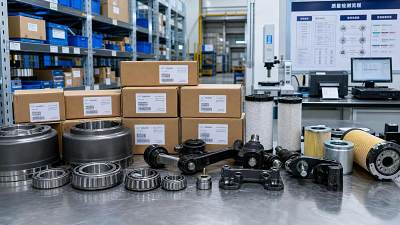
- Use reliable supply sources for bearings, seals, and wheel-end parts
For buyers managing parts supply, product quality and supplier reliability matter just as much as service technique. Poor component consistency often leads to repeated failures.
This is where a professional industry platform can help. Comparing qualified suppliers, truck bearing products, and related spare parts supports better maintenance decisions across fleets.
Final takeaway
A failing truck bearing rarely stays a minor issue for long. Noise, heat, leakage, and wheel play are signals that deserve fast action.
The basics remain straightforward. Inspect regularly, control lubrication, protect against contamination, and replace damaged parts before wheel-end damage spreads.
For heavy transport operations, these simple practices improve safety, reduce downtime, and protect the full axle system. That makes truck bearing maintenance a high-value routine, not just a repair task.
If you are reviewing wheel-end parts, suppliers, or aftermarket sourcing options, use a trusted heavy truck industry platform to compare products and support smarter maintenance planning.
Trending News
- How to choose an off road truck for steep and unstable job sites
- How to match crane truck lifting capacity to your jobsite loads
- What drives logging truck cost beyond the base purchase price?
- How to match lowbed trailer deck height to your hauling equipment
- What documents are needed to export a low bed trailer to Southeast Asia?
Tag
Recommended News
 Truck Parts IndustryWhat causes a truck injector to fail prematurely?Truck injector failure can stem from fuel contamination, water, wiring faults, heat, or incorrect installation. Discover practical diagnostic steps to prevent repeat repairs.
 Truck Parts IndustryEU REACH Rule Takes Effect for Truck Rubber PartsEU REACH Rule takes effect for truck rubber parts exported to the EU. Learn how SCIP reporting, SVHC declarations, and supply chain compliance now impact truck manufacturers and suppliers.
 Truck Parts IndustryHow to Evaluate Commercial Vehicle Parts With Eco-Friendly Materials for Durability and ComplianceCommercial vehicle parts with eco-friendly materials require more than green claims. Learn how to assess durability, compliance, and supplier reliability for smarter sourcing.
 Truck Parts IndustryHow to Evaluate a Truck Parts Supplier Beyond Unit PriceTruck parts supplier selection should go beyond unit price. Learn how to assess quality, traceability, compliance, delivery, and support to reduce fleet risk and total cost.
 Truck Parts IndustryVietnam to Require QR Traceability Labels on Imported Heavy-Truck PartsVietnam to Require QR Traceability Labels on Imported Heavy-Truck Parts from Aug 1, 2026. Learn scope, VNQR-2025 rules, VITRAC links, and how to avoid port refusal and fines.
 Truck Parts IndustryHow to Evaluate a Truck Spare Parts Supplier for Long-Term Cost ControlTruck spare parts supplier selection affects far more than price. Learn how to compare quality, delivery, traceability, and hidden costs to protect fleet uptime and control long-term expenses.
 Truck Parts IndustryFuel Injection Pump Failure Signs and What They Mean for Engine PerformanceFuel injection pump failure signs can quickly reduce truck power, raise fuel use, and trigger hard starts. Learn what each symptom means and when to act before costly downtime.
 Truck Parts IndustryExcavator Attachment Selection for Demolition and Site PrepExcavator attachment selection for demolition and site prep: compare breakers, grapples, crushers, and buckets to boost productivity, safety, and ROI.
 Truck Parts IndustryTruck Engine Overhaul or Replacement: Which Costs Less Long Term?Truck engine overhaul or replacement? Compare long-term cost, downtime, fuel efficiency, and reliability to choose the smarter option for your fleet.
 Truck Parts IndustryHow to Choose Excavator Parts That Last LongerExcavator parts buying guide: learn how to choose excavator parts that last longer by comparing fit, material quality, operating conditions, and supplier reliability.
 Truck Parts IndustryAre Eco-Friendly Commercial Vehicle Parts Durable Enough for Daily Use?Commercial vehicle parts with eco-friendly materials can be durable for daily use—if tested right. Explore where they perform best, key risks, and smarter sourcing insights.
 Truck Parts IndustryTruck Parts OEM vs Aftermarket: Cost, Fit, and Warranty RisksTruck parts OEM vs aftermarket: compare true cost, fit accuracy, and warranty risks to reduce downtime, avoid disputes, and make smarter fleet sourcing decisions.
 Truck Parts IndustryTruck Spare Parts Buying Guide: How to Reduce Downtime and Fitment RiskTruck spare parts buying guide for fleet maintenance teams: learn how to reduce downtime, avoid fitment risk, verify suppliers, and make smarter sourcing decisions.
 Truck Parts IndustryHow to Evaluate a Truck Parts Supplier Beyond PriceTruck parts supplier selection should go beyond price. Learn how to compare quality, delivery, service, and total cost to reduce risk and keep fleets running efficiently.
 Truck Parts IndustryHeavy Truck Parts for Construction: Signs of a Reliable ManufacturerHeavy truck parts manufacturer for construction: learn how to identify reliable suppliers through quality control, traceability, testing, and support to reduce downtime and improve fleet safety.
 Truck Parts IndustryHow to Compare Truck Spare Parts Suppliers on Quality and Lead TimeTruck spare parts supplier comparison starts with quality and lead time. Learn how to assess consistency, delivery reliability, and sourcing fit for smarter purchases.
 Truck Parts IndustryEU REACH Sets PAH Limit for Heavy Truck Rubber PartsEU REACH sets a new PAH limit for heavy truck rubber parts, affecting brake hoses, bushings, and export compliance. Learn what suppliers must prepare now to avoid testing delays and customs risks.
 Truck Parts IndustryWhat to Check in a Truck Chassis Supplier Before Fleet ExpansionTruck chassis supplier selection can make or break fleet expansion. Learn what to check on quality, production, delivery, support, and total cost before requesting a quote.
 Truck Parts IndustryCold Storage Truck Parts That Matter Most for Temperature ControlCommercial vehicle parts for cold storage determine real temperature stability. Discover the key truck components that reduce spoilage, improve efficiency, and protect sensitive cargo.
 Truck Parts IndustryHow to Evaluate a Heavy Truck Parts Manufacturer for Long-Term Supply StabilityHeavy truck parts manufacturer selection starts with supply stability. Learn how to assess quality, capacity, lead times, and risk signals for smarter long-term sourcing.
 Truck Parts IndustryEU EPR Rules Extend to Commercial TrailersEU EPR rules now extend to commercial trailers, bringing new registration, reporting, and fee duties from 2027. See how exporters can prepare early to avoid customs delays.
 Truck Parts IndustryTruck Suspension Problems: Signs, Causes, and Fix OptionsTruck suspension issues can lead to tire wear, poor handling, and costly downtime. Learn the key signs, root causes, and best fix options for different truck applications.
 Truck Parts IndustryHow to Choose a Heavy Truck Parts Manufacturer for Construction FleetsHeavy truck parts manufacturer for construction selection starts with uptime, quality, and delivery. Learn how to compare suppliers, reduce fleet risk, and choose with confidence.
 Truck Parts IndustryUS Sets AEBS Rule for Imported Commercial TrailersUS sets AEBS rule for imported commercial trailers starting Oct. 1, 2026. Learn FMVSS No. 127A, SAE J2929, and key compliance steps to avoid CBP entry denial.
 Truck Parts IndustryHow to Choose Commercial Vehicle Parts That Reduce DowntimeCommercial vehicle parts selection can make or break fleet uptime. Learn how to choose parts that improve fit, quality, supply reliability, and lower total downtime cost.