Which Refrigerated Truck Setup Works Best for Food Delivery
Choosing the right refrigerated truck setup is critical for safe, efficient food delivery and long-term operating value. For buyers comparing a refrigerated truck with options such as a truck van, construction truck, lowbed trailer, mixer truck, or fuel tank truck, understanding insulation, cooling performance, payload, and route demands helps identify the most practical solution for cold-chain transport.
For information researchers, procurement teams, business evaluators, and distributors, the decision is rarely about the cooling box alone. It involves chassis suitability, body structure, refrigeration unit capacity, operating temperature range, delivery frequency, maintenance access, and the cost impact of downtime. In food delivery, a mismatch between truck specification and route profile can lead to temperature loss, cargo claims, excess fuel use, and poor fleet utilization.
In the road transport equipment sector, refrigerated vehicles serve very different food chains, from urban fresh produce delivery and frozen meat distribution to dairy, seafood, and quick-service restaurant supply. A 3.5-ton urban refrigerated van may perform well on 30-stop city routes, while a medium-duty insulated box truck is often better for regional distribution over 200-500 km. Buyers need a framework that links vehicle setup to cargo type, daily route design, and total operating value.
This guide explains how to evaluate refrigerated truck configurations for food delivery, what technical factors matter most, where buyers often make mistakes, and how a B2B sourcing platform can help compare suppliers, truck bodies, refrigeration systems, and spare parts across international markets.
Why Refrigerated Trucks Are Different from Other Road Transport Equipment

A refrigerated truck is a purpose-built cold-chain vehicle, not simply a standard truck van with added cooling. Its performance depends on the interaction of four systems: chassis, insulated body, refrigeration unit, and door sealing. If one element is underspecified, product quality can be affected even when the engine and payload rating look acceptable on paper.
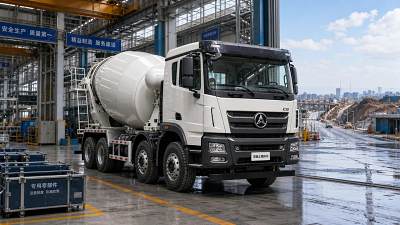
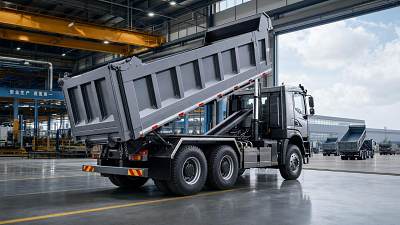
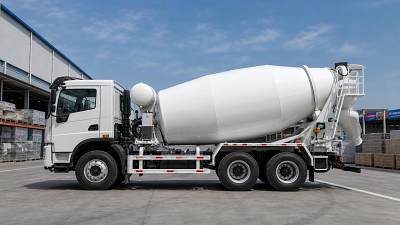
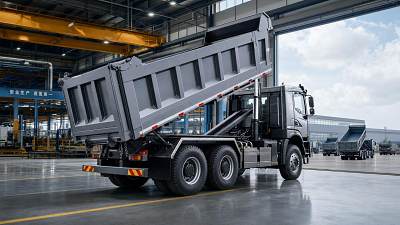
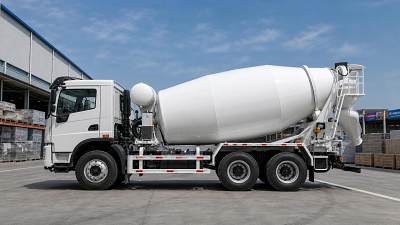
This is why a refrigerated truck should not be evaluated in the same way as a construction truck, mixer truck, lowbed trailer, or fuel tank truck. Those vehicles are optimized for bulk material movement, machinery transport, concrete delivery, or liquid transfer. Food delivery requires strict temperature control, frequent door openings, easier washdown, and lower contamination risk across daily operations that may include 10-50 delivery points.
In practical terms, food distribution often demands temperature stability within a narrow target band. Chilled cargo may need to remain between 0°C and 4°C, frozen food often requires -18°C or below, and some bakery or produce deliveries are handled in a controlled 5°C-12°C range. A truck setup that cannot recover temperature quickly after each stop creates operational risk.
Body insulation also plays a major role in operating economics. Better panel thickness and tighter door seals reduce compressor workload and shorten pull-down time. Over a 3-5 year fleet cycle, this can lower fuel use, reduce wear on the refrigeration unit, and improve route consistency during high ambient temperatures above 35°C.
How different truck types compare for food-related logistics
The table below helps buyers distinguish where refrigerated trucks fit within the wider road transport equipment market. This is especially useful for distributors and sourcing teams reviewing mixed product categories on a heavy truck industry platform.
The key takeaway is straightforward: once food safety, temperature stability, and route reliability become procurement priorities, refrigerated truck setup moves from optional to essential. The real buying question is not whether to choose refrigeration, but which configuration best matches the delivery model.
Which Refrigerated Truck Setup Fits Different Food Delivery Scenarios
The best refrigerated truck setup depends on three operating variables: cargo temperature class, route distance, and stop frequency. A small vehicle serving dense city routes behaves very differently from a medium-duty truck running fixed intercity lanes. Buyers should map daily operations before comparing quotations, because a lower purchase price can quickly be offset by poor cooling recovery or inefficient payload use.
For urban last-mile food delivery, compact refrigerated vans and light-duty box trucks are often the most practical. These vehicles usually operate in the 1.5-4 ton payload range and can complete 20-40 drops per day. Their strengths are maneuverability, lower loading height, and better access to restaurants, retail stores, and supermarkets in congested areas.
For regional distribution centers supplying wholesale markets, hotel chains, or supermarket branches, a medium-duty refrigerated truck with a larger insulated body is typically more efficient. These trucks may support 5-12 tons of payload and are better suited for 150-500 km routes. In this profile, body volume, compressor capacity, and fuel efficiency have more influence on total cost than turning radius.
Multi-temperature operations require additional attention. If a buyer needs frozen and chilled products on one route, a partitioned body or dual-evaporator system may be justified. However, these setups increase cost, reduce usable internal volume, and add service complexity. They are usually worthwhile only when route consolidation reduces the number of vehicles required per day.
Typical setup by food category and route model
The following comparison can help procurement teams shortlist the right body size and refrigeration approach before contacting suppliers or requesting detailed specifications.
In most B2B procurement cases, the best choice is the setup that matches route reality, not the truck with the largest body or strongest cooling label. Overbuying capacity can reduce utilization, while underbuying can cause cargo spoilage or force extra trips.
Scenario-based selection checklist
- If daily mileage is under 120 km and delivery points exceed 20, prioritize door durability, rapid temperature recovery, and compact chassis size.
- If cargo is mainly frozen, choose stronger insulation and verify low-temperature performance at full load, not only empty-box test conditions.
- If operations involve mixed cargo, compare partition systems carefully and account for a potential 10%-20% reduction in usable space.
- If routes cross borders or remote regions, check spare parts access, service intervals, and local support for the refrigeration unit brand.
Core Technical Factors That Determine Refrigerated Truck Performance
When comparing refrigerated truck suppliers, buyers should focus on measurable technical factors rather than general claims. Four areas matter most: insulation structure, refrigeration capacity, payload-to-volume balance, and route-specific durability. These directly influence food safety, operating cost, and service reliability over 12-36 months of fleet use.
Insulation thickness is one of the first items to check. For chilled distribution, many operators consider insulated panel thickness in the 60-80 mm range, while frozen transport often requires 80-120 mm depending on ambient climate and route duration. Thicker panels improve thermal retention but also add weight, which can reduce legal payload if the chassis is already close to gross vehicle limits.
Refrigeration unit sizing must be matched to body volume and door-opening frequency. A truck making 25 urban stops needs stronger cooling recovery than a line-haul truck with 3 stops, even if both carry the same cargo. Buyers should ask suppliers for performance guidance based on ambient temperatures such as 30°C, 35°C, or 40°C, because cooling claims can look very different under real working conditions.
Floor design and internal airflow are also often underestimated. Food pallets, hanging meat rails, or crate stacking patterns can block circulation and create temperature variation across the load. Air chute design, evaporator placement, and floor channel structure all contribute to more stable cargo conditions, especially in boxes above 18 m³.
Technical specifications buyers should verify
Before requesting final quotations, procurement teams should confirm a technical checklist that links body construction to route performance and maintenance needs.
- Temperature class: chilled, frozen, or multi-temperature, with required setpoint and acceptable fluctuation range.
- Body size and effective volume: verify internal cubic capacity after partitions, wheel arches, and evaporator intrusion.
- Insulation and door seals: request panel material details and sealing method for side doors and rear doors.
- Refrigeration system: engine-driven or independent unit, pull-down time, and service interval requirements.
- Chassis compatibility: engine power, axle rating, suspension choice, and legal gross vehicle weight in target market.
- Data and monitoring: temperature recorder, door-open alerts, GPS integration, and maintenance logs where required.
Common technical mistakes in food delivery fleets
One common mistake is selecting the largest possible box without considering power reserve and route density. A high-volume body on an underpowered chassis may struggle in hot climates, especially with repeated idling and stop-start operation. Another mistake is treating frozen and chilled food as interchangeable transport loads. The difference between 4°C delivery and -18°C delivery is operationally significant, from insulation demand to compressor duty cycle.
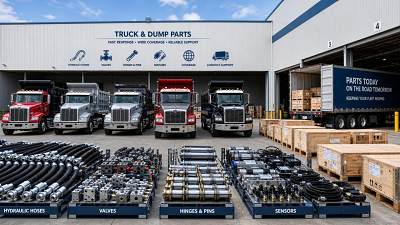
Buyers should also avoid evaluating refrigeration only by initial pull-down speed. Service access, spare part availability, and compressor reliability can have a bigger impact on long-term uptime. A lower-priced unit becomes expensive if downtime stretches from 24 hours to 7 days because replacement parts are not stocked locally.
Procurement Criteria: How Buyers Can Compare Suppliers and Configurations
For B2B buyers, selecting a refrigerated truck is both a technical and commercial decision. The most effective procurement process compares not just ex-factory price, but total delivered value across specification clarity, lead time, parts support, and post-sale responsiveness. This is particularly important in international sourcing, where freight, customs timing, and component compatibility can affect delivery plans.
A practical approach is to evaluate suppliers across 4 core dimensions: product fit, supplier capability, service support, and transaction transparency. Product fit covers box size, temperature class, and chassis match. Supplier capability includes production consistency and documentation quality. Service support includes spare parts response, warranty handling, and technical communication. Transaction transparency covers quotation breakdown, packaging, lead time, and export readiness.
Lead times in this segment can vary widely. Standard body builds may move in 2-6 weeks depending on chassis stock, while customized multi-temperature units or export-specific builds can take 6-12 weeks. Buyers should confirm whether the truck is sold as a complete unit, body-only build, or chassis-plus-body integration service, because each model changes inspection and delivery responsibilities.
For distributors and agents, another important consideration is product repeatability. If the same refrigerated truck setup will be resold across multiple customers, consistency in dimensions, refrigeration components, and spare parts interchangeability matters more than a one-time price advantage.
Example procurement comparison framework
The table below gives a structured way to compare refrigerated truck offers on a B2B sourcing platform without relying on vague sales language.
This comparison method helps buyers move from product browsing to informed decision-making. On a global heavy truck industry platform, it also supports cross-border supplier screening by making technical and commercial requirements easier to standardize.
Recommended sourcing workflow
- Step 1: Define route type, daily stops, ambient climate, and temperature class.
- Step 2: Shortlist 3-5 suppliers with matching refrigerated truck categories.
- Step 3: Request detailed specification sheets, body drawings, and component lists.
- Step 4: Compare lead time, service terms, spare parts access, and delivery method.
- Step 5: Confirm inspection points before shipment or final acceptance.
Implementation, Maintenance, and Operational Risk Control
Even the right refrigerated truck setup can underperform if commissioning and maintenance are weak. Buyers should plan for implementation in three stages: specification confirmation, delivery inspection, and operating routine setup. This lowers the chance of early failure and helps keep food delivery performance consistent during the first 90 days of use.
At delivery, inspection should include door sealing, temperature pull-down testing, drainage function, body finish quality, and refrigeration system response under load simulation if possible. For fleets operating frozen food, it is helpful to observe whether the unit can reach target temperature in a realistic time window rather than relying only on factory claims.
Maintenance intervals vary by system design and route intensity, but many operators review refrigeration components every 250-500 operating hours or according to the manufacturer’s service schedule. Door seals, hinges, evaporator cleanliness, and condenser airflow should be checked frequently, especially in dusty or high-humidity environments where efficiency can fall quickly.
Operational discipline also matters. Frequent unnecessary door opening, overloading beyond rated capacity, and blocking internal airflow with poor pallet arrangement can all reduce temperature control. In high-frequency urban delivery, a well-trained driver and loader team may improve cold-chain performance as much as a hardware upgrade.
Risk control priorities for fleet users and distributors
- Check temperature recorder accuracy at regular intervals and keep route logs for cargo-sensitive accounts.
- Inspect door gaskets weekly on high-stop routes, because seal wear is one of the fastest ways to lose cooling efficiency.
- Clean condenser and evaporator areas on schedule to prevent airflow reduction and compressor overload.
- Train operators on load spacing and airflow lanes, especially when carrying cartons, crates, or mixed pallet heights.
- Stock fast-moving spare parts where fleet utilization is high or service access is limited.
FAQ for food delivery buyers
Below are common questions that appear during refrigerated truck sourcing and operational evaluation.
How do I choose between a refrigerated van and a larger box truck?
Use route density and payload as the starting point. If daily operation is under 4 tons with 20 or more city stops, a refrigerated van or light-duty truck is often more efficient. If routes are longer and loads exceed 5 tons regularly, a medium-duty box truck usually provides better cost per delivered unit.
Is a multi-temperature truck always better for mixed food delivery?
No. Multi-temperature trucks are valuable when one route can replace two separate vehicles or when customer stop density is moderate. For very high-stop routes or highly imbalanced cargo volumes, separate chilled and frozen vehicles may be simpler and more efficient.
What delivery lead time should buyers expect?
Typical lead times may range from 2-6 weeks for relatively standard configurations and 6-12 weeks for custom builds, export orders, or special body layouts. Timing depends on chassis availability, refrigeration unit stock, and local compliance requirements.
Which indicators matter most during supplier comparison?
Focus on at least 6 checkpoints: temperature range, insulation thickness, effective payload, refrigeration support network, spare part lead time, and documentation quality. For repeat buyers or distributors, consistency across multiple units should be added as a seventh factor.
How a Global Heavy Truck B2B Platform Supports Better Refrigerated Truck Sourcing
For international buyers and channel partners, the main challenge is not a lack of products but a lack of structured comparison. A specialized heavy truck industry platform helps solve this by bringing together truck manufacturers, body builders, component suppliers, distributors, and buyers in one professional sourcing environment. This is especially useful when refrigerated trucks must be assessed alongside chassis, trailers, spare parts, and other commercial vehicle categories.
A strong B2B platform supports better decision-making in three ways. First, it improves product discovery by making it easier to compare refrigerated truck categories, body types, and related transport equipment. Second, it improves supplier screening by allowing buyers to review product scope, export capability, and technical information before entering negotiations. Third, it improves purchasing efficiency by connecting sourcing activity with industry insights, market updates, and buying guides.
For procurement managers and business evaluators, this means less time spent filtering unqualified offers and more time focused on commercial fit. For dealers, distributors, and agents, it supports portfolio expansion by identifying suppliers that can provide not only refrigerated trucks, but also complementary products such as truck chassis, complete trucks, trailers, and spare parts for after-sales support.
Because food delivery fleets often operate under time pressure, the ability to compare specifications, shortlist reliable suppliers, and clarify service capability early in the process can reduce sourcing risk significantly. It also supports long-term collaboration when buyers need repeat orders, regional distribution partnerships, or broader access to commercial vehicle solutions.
The best refrigerated truck setup for food delivery is the one that aligns temperature requirement, route pattern, payload target, and maintenance reality. Buyers who evaluate insulation, refrigeration recovery, body design, and supplier support together are more likely to achieve safer cold-chain performance and stronger lifecycle value. If you are comparing refrigerated trucks, truck bodies, chassis options, or cold-chain transport suppliers, contact us to get a tailored sourcing plan, review product details, and explore more road transport equipment solutions through the Global Heavy Truck Industry Platform.
Trending News
- Manzhouli Highway Port Launches 24-Hour Freight Clearance
- Irkeshtam Port’s 24-Hour Freight Clearance Boosts Exports to Kyrgyzstan by 66%
- Erenhot-Mongolia 24-Hour Freight Clearance Marks One-Year Milestone
- MOF & MOT Launch New Freight Hub Resilience Initiative
- Six New Iran-Pakistan Land Crossings Opened, Land Clearance Cut to 6 Hours
Tag
Recommended News
 Truck Parts IndustryIrkeshtam Port’s 24-Hour Freight Clearance Boosts Exports to KyrgyzstanIrkeshtam Port’s 24-hour freight clearance slashes heavy-truck component clearance to <15 mins—boosting road transport equipment exports to Kyrgyzstan.
 Truck Parts IndustryHeavy Truck Parts for Construction: Which Components Fail Most OftenHeavy truck parts manufacturer for construction insights: discover which brake, suspension, filter, and drivetrain components fail most often—and how smarter sourcing cuts downtime and repair costs.
 Truck ReviewsLogging Truck Producer Comparison: Durability Issues That Affect UptimeLogging truck producer comparison guide: discover the durability issues that impact uptime, repair costs, and safety, and learn how to choose a truck built for harsh forestry transport.
 Truck Parts IndustryBulk Order Discounts on Truck Spare Parts: When Savings Become RiskTruck spare parts supplier with bulk order discounts: learn when lower prices increase downtime, quality, and inventory risk—and how to source smarter for reliable fleet performance.
 Truck Parts IndustryTruck Parts Wholesale: How to Balance Price, Quality, and Stock RiskTruck parts wholesale success depends on balancing price, quality, and inventory risk. Learn practical sourcing checks to protect margins, reduce dead stock, and choose reliable suppliers.
 Truck Parts IndustryHow OEM Services Reduce Downtime in Heavy Truck Parts SupplyHeavy truck parts manufacturer with OEM services helps cut downtime with accurate fit, faster lead times, and stable supply—discover smarter sourcing for fleet maintenance.
 Truck ReviewsTruck Tipper for Construction: When Payload Matters More Than PriceTruck tipper for construction buying guide: learn why payload, durability, and cycle efficiency matter more than price to cut costs, boost uptime, and improve site productivity.
 Truck Parts IndustryErenhot-Mongolia 24-Hour Freight Clearance Boosts Trucking EfficiencyErenhot-Mongolia 24-hour freight clearance slashes truck clearance time by 40%—boosting efficiency for auto parts, cold-chain & cross-border trucking.
 Truck Parts IndustryKazakhstan Extends Zero-Tariff for Truck Parts on China-Europe Rail Routes to 2027Kazakhstan extends zero-tariff for truck parts—including ADAS controllers, ECUs & T-BOX units—on China-Europe rail routes until 2027. Boost your logistics & export strategy now!
 Truck Parts IndustryHow Low-Maintenance Truck Spare Parts Reduce Downtime Over TimeTruck spare parts supplier with low maintenance solutions help fleets cut downtime, reduce repair frequency, and improve workshop efficiency. Discover how durable parts boost long-term truck performance.
 Truck ReviewsCrane Truck Manufacturer Comparison for Urban Lifting and Narrow SitesCrane truck manufacturer comparison for urban lifting: discover how to choose compact, safe, high-efficiency models for narrow sites, faster setup, and reliable support.
![]() Truck Parts IndustryHeavy Truck Parts Manufacturer for Construction: How to Judge Product ConsistencyHeavy truck parts manufacturer for construction selection starts with consistency. Learn how to judge batch stability, traceability, and quality control to reduce risk and improve fleet safety.
Truck Parts IndustryHeavy Truck Parts Manufacturer for Construction: How to Judge Product ConsistencyHeavy truck parts manufacturer for construction selection starts with consistency. Learn how to judge batch stability, traceability, and quality control to reduce risk and improve fleet safety. Truck ReviewsTruck Cement Mixer Manufacturer Comparison: Drum Design, Output, and ServiceTruck cement mixer manufacturer comparison guide covering drum design, real output, and after-sales service. Help your team compare suppliers, reduce sourcing risk, and choose with confidence.
 Truck ReviewsTruck Tipper Manufacturer Comparison: Build Quality Points That MatterTruck tipper manufacturer comparison guide: discover the build quality points that truly affect durability, payload stability, maintenance, and long-term operating cost.
 Truck ReviewsTruck Cement for Sale: How to Judge Value From Photos and Spec SheetsTruck cement for sale buyers can learn to judge true value from photos and spec sheets. Spot wear, compare capacity, and avoid costly mistakes before you contact sellers.
![]() Truck Parts IndustryTruck Parts Price in 2026: What Is Driving Replacement Cost HigherTruck parts price in 2026 is rising fast. Discover the key cost drivers, category risks, and sourcing tips buyers need to reduce replacement costs and make smarter purchasing decisions.
Truck Parts IndustryTruck Parts Price in 2026: What Is Driving Replacement Cost HigherTruck parts price in 2026 is rising fast. Discover the key cost drivers, category risks, and sourcing tips buyers need to reduce replacement costs and make smarter purchasing decisions. Truck Parts IndustryHow to Compare Truck Tipper Distributors by Parts Response TimeTruck tipper distributor comparison starts with parts response time. Learn how to assess stock speed, technical support, and supply reliability to cut downtime and choose the right partner.
 Truck ReviewsTruck Tipper Manufacturer Comparison: Build Quality Points That MatterTruck tipper manufacturer comparison guide: discover the build quality points that truly affect durability, payload stability, maintenance, and long-term operating cost.
 Truck ReviewsTruck Cement for Sale: How to Judge Value From Photos and Spec SheetsTruck cement for sale buyers can learn to judge true value from photos and spec sheets. Spot wear, compare capacity, and avoid costly mistakes before you contact sellers.
![]() Truck Parts IndustryTruck Parts Price in 2026: What Is Driving Replacement Cost HigherTruck parts price in 2026 is rising fast. Discover the key cost drivers, category risks, and sourcing tips buyers need to reduce replacement costs and make smarter purchasing decisions.
Truck Parts IndustryTruck Parts Price in 2026: What Is Driving Replacement Cost HigherTruck parts price in 2026 is rising fast. Discover the key cost drivers, category risks, and sourcing tips buyers need to reduce replacement costs and make smarter purchasing decisions. Truck Parts IndustryHow to Compare Truck Tipper Distributors by Parts Response TimeTruck tipper distributor comparison starts with parts response time. Learn how to assess stock speed, technical support, and supply reliability to cut downtime and choose the right partner.
 Truck ReviewsTruck Tipper Manufacturer Comparison: Build Quality Points That MatterTruck tipper manufacturer comparison guide: discover the build quality points that truly affect durability, payload stability, maintenance, and long-term operating cost.
 Truck ReviewsTruck Cement for Sale: How to Judge Value From Photos and Spec SheetsTruck cement for sale buyers can learn to judge true value from photos and spec sheets. Spot wear, compare capacity, and avoid costly mistakes before you contact sellers.
![]() Truck Parts IndustryTruck Parts Price in 2026: What Is Driving Replacement Cost HigherTruck parts price in 2026 is rising fast. Discover the key cost drivers, category risks, and sourcing tips buyers need to reduce replacement costs and make smarter purchasing decisions.
Truck Parts IndustryTruck Parts Price in 2026: What Is Driving Replacement Cost HigherTruck parts price in 2026 is rising fast. Discover the key cost drivers, category risks, and sourcing tips buyers need to reduce replacement costs and make smarter purchasing decisions. Truck Parts IndustryHow to Compare Truck Tipper Distributors by Parts Response TimeTruck tipper distributor comparison starts with parts response time. Learn how to assess stock speed, technical support, and supply reliability to cut downtime and choose the right partner.