Truck Lighting System Upgrades That Improve Night Route Safety
Upgrading a truck lighting system is one of the most effective ways to improve night route safety, reduce driver fatigue, and enhance fleet visibility. For buyers comparing heavy-duty solutions—from truck dumper and truck logging vehicles to truck excavator, truck wing, and truck spreader applications—understanding lighting performance is essential. This guide also connects lighting choices with related components such as truck injector, truck steel, truck skeleton, and truck air system for smarter sourcing decisions.
In heavy transport operations, lighting is not a cosmetic accessory. It is a working safety system that affects stopping distance recognition, roadside visibility, cargo handling accuracy, and compliance during cross-border or multi-region operations. For procurement teams, distributors, and business evaluators, the right upgrade is not simply “brighter.” It must match route type, vehicle duty cycle, body configuration, electrical load, and maintenance capability.
On a global B2B sourcing platform, buyers often compare complete trucks, chassis cabs, trailers, and spare parts at the same time. That makes truck lighting system upgrades a strategic purchasing topic. A well-specified headlamp, work lamp, side marker, and rear signal package can improve operational safety in 3 key areas: forward visibility, vehicle conspicuity, and service reliability over 12–36 months of fleet use.
Why Truck Lighting Upgrades Matter on Night Routes
Night route safety depends on how quickly a driver can identify road edges, obstacles, pedestrians, animals, work zones, and the movement of nearby vehicles. On heavy-duty trucks, the challenge is greater because braking distances are longer, blind spots are larger, and payload variations change vehicle behavior. A lighting system upgrade helps reduce perception delay in the first 2–4 seconds after a hazard enters the driver’s field of view.
In practical fleet operations, the factory lighting package may be sufficient for standard highway use, but not for mining roads, rural freight lanes, timber routes, or municipal service vehicles. Truck logging vehicles, dump trucks, and construction-related transport often operate in dust, mud, rain, and low ambient light. In these conditions, lens sealing, beam control, and vibration resistance are often more important than peak brightness alone.
For buyers, the cost of underperforming lighting appears in multiple ways: slower average night speed, higher driver fatigue, more minor collision exposure, and more frequent lamp replacement. Even a 10–15% reduction in unplanned maintenance stops can improve route consistency across fleets operating 5, 20, or 100 vehicles. That is why lighting is increasingly evaluated as part of the full truck operating package rather than as a small spare part line item.
The impact is also commercial. Dealers and distributors serving logistics, municipal engineering, and infrastructure fleets need specifications that are easy to explain and support. Business evaluators often compare lighting with other cost drivers such as truck air system load, alternator capacity, wiring harness quality, and body structure durability. A lighting upgrade must deliver measurable field value without overcomplicating service support.
Main safety functions buyers should review
- Forward illumination for low beam and high beam use on highways, industrial roads, and mixed urban-rural routes.
- Peripheral visibility through side markers, clearance lamps, and reflective integration, especially for trailers and long-wheelbase vehicles.
- Task lighting for loading, unloading, reversing, spreading, tipping, or roadside maintenance operations.
- Signal clarity for brake, turn, reverse, and hazard indication in rain, fog, and dust-heavy conditions.
Typical performance gaps in standard systems
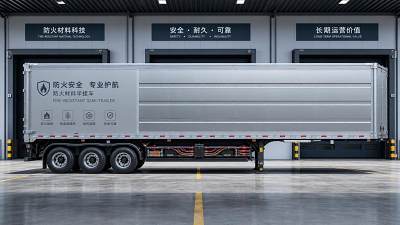
Many standard systems show similar weaknesses after 6–18 months: moisture ingress, unstable connectors, weak side visibility, inconsistent beam alignment, and insufficient work-light coverage near the rear body or side service area. These issues become more serious on trucks with specialized bodies such as wing body trucks, spreader trucks, or excavator transport carriers where equipment shape creates extra shadow zones.
The table below outlines common night route risks and the lighting improvements that address them most effectively.
The key takeaway is that safer night transport comes from system design, not one isolated lamp change. Buyers should assess headlamps, markers, work lamps, harnesses, and mounting points together. That system view is especially useful when sourcing through a platform that connects complete trucks, trailers, and spare parts suppliers in one decision process.
Which Lighting Components Deliver the Best Upgrade Value
Not every truck needs the same lighting package. A long-haul tractor on expressways, a truck dumper in a quarry, and a truck spreader used in municipal operations all face different night exposure. Buyers should therefore prioritize components by function: road visibility, body visibility, task visibility, and signal reliability. In many cases, 4 upgrade points account for most of the operational benefit.
First are the primary headlamps. These influence low-beam road definition and high-beam distance. Second are side and rear marker systems, which matter most on trailers, semi-trailers, and extended truck wing bodies. Third are work lamps for loading zones, rear service areas, or body-specific operations. Fourth are connectors, brackets, and harness protection, because a powerful lamp with weak electrical integration usually fails early.
For sourcing teams, LED solutions are often preferred because they typically offer longer service life, lower power draw, and faster response for signaling. However, the best choice still depends on operating voltage, heat management, lens quality, and service parts availability. A truck running 8–12 hours per night on mixed routes may justify a higher-grade lamp than a vehicle used only 2–3 nights per week for local delivery.
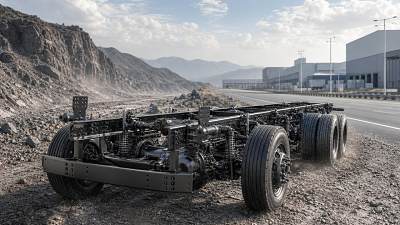
It is also important to match lighting with vehicle structure. On specialized heavy transport bodies, the truck skeleton, steel frame geometry, and accessory mounting zones directly affect beam angle and vibration exposure. Poor mount positioning can create glare, dead zones, or repeated bracket cracking even when the lamp itself is well made.
Priority components for heavy-duty fleets
1. Headlamp modules
A good upgrade should provide stable beam pattern, not only higher lumen output. Buyers should ask whether the lamp offers a balanced low beam, minimal scatter, and reliable housing seals. For fleets operating between 40 km/h and 90 km/h at night, clean beam control often improves safety more than simply adding extra intensity.
2. Side markers and clearance lamps
These are critical for long trailers, semi-trailers, and equipment carriers. Well-spaced markers improve recognition during lane changes, turns, docking, and roadside stops. On vehicles longer than 9 meters, consistent side visibility becomes a core safety requirement rather than a minor accessory choice.
3. Work lamps and reverse lighting
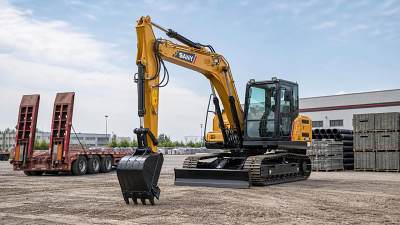
Rear and side work lamps are especially valuable on truck excavator support vehicles, dumpers, and spreader trucks. They support driver awareness during backing, body operation, and maintenance checks. Typical buyers look for wide flood patterns, durable mounts, and service-friendly replacement parts.
The comparison below helps buyers identify where different lighting upgrades create the most value across common truck applications.
For most fleet buyers, the best value comes from a package rather than a single item. A practical specification might combine improved headlamps, 6–10 marker positions depending on vehicle length, and 2 rear work lamps. This is often more effective than buying a premium headlamp alone while leaving the rest of the system unchanged.
How to Match Lighting Specifications With Truck Type and Operating Conditions
A lighting system should always be selected in context. The same lamp may perform well on a highway tractor but poorly on a rigid truck operating off-road. Procurement teams should evaluate 5 practical variables: route environment, average night speed, vehicle body shape, electrical capacity, and maintenance conditions. Missing even one of these can lead to overspending or poor field results.
Route environment comes first. Highway use requires stable long-range forward visibility and minimal glare. Mining or logging roads need stronger vibration resistance and better dust sealing. Municipal or infrastructure vehicles usually need more work-area lighting than long-distance beam distance. If the truck regularly runs in fog, rain, or snow, buyers should also consider lens contamination and contrast performance, not only raw output.
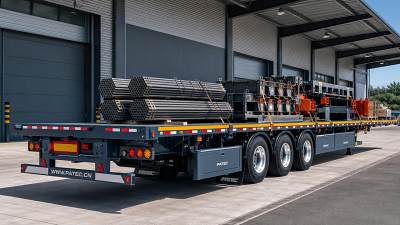
Vehicle body shape also matters. Truck wing bodies, tippers, and machinery carriers often create shadow zones around side openings, hydraulic structures, or cargo edges. In these cases, side work lamps or carefully positioned marker lamps may be required. For skeletal trailer formats or equipment transport platforms, lighting brackets must be protected from flex and impact at multiple points along the frame.
Electrical matching is equally important. Buyers should confirm whether the vehicle uses 12V or 24V architecture, the available alternator headroom, and whether other power-consuming systems are installed. On trucks already carrying refrigeration units, additional pumps, or a high-demand truck air system, the lighting upgrade should be planned to avoid voltage drop or connector overheating.
A practical evaluation checklist for buyers
- Define route mix: highway, port, quarry, rural, municipal, or mixed-use operations over the next 12 months.
- Review vehicle layout: cab height, bumper position, body overhang, trailer length, and rear equipment interference.
- Check electrical basics: voltage, fuse capacity, connector type, and likely duty hours per night.
- Assess service environment: washdown frequency, mud exposure, vibration level, and replacement part access.
- Set acceptance criteria: visibility improvement, maintenance interval, installation time, and spare parts lead time.
Linking lighting with related truck components
Lighting performance is influenced by adjacent systems. For example, poor truck steel bracket quality can lead to misalignment. Weak skeleton frame protection can increase cable wear. In high-duty diesel vehicles, injector-related maintenance and engine vibration patterns may indirectly affect lamp mount durability over time. These are not reasons to avoid upgrading, but they are reasons to source components with the full vehicle context in mind.
Buyers using a global heavy truck marketplace gain an advantage here. They can compare not only lamps, but also chassis and cab suppliers, trailer manufacturers, and spare part providers. That supports better compatibility planning, especially when sourcing multiple units or assembling a distribution-ready product line for different regional markets.
Procurement Criteria, Delivery Planning, and Common Sourcing Risks
For procurement personnel and commercial evaluators, a truck lighting system upgrade should be reviewed like any other mission-critical heavy truck component. Price matters, but so do fitment accuracy, warranty clarity, packaging quality, delivery consistency, and after-sales support. In international B2B sourcing, small specification gaps can create 2–6 weeks of avoidable delay, especially if connectors, mounting points, or voltage assumptions are not confirmed before order placement.
A disciplined purchasing process usually starts with technical alignment. Buyers should request installation drawings, connector photos, mounting dimensions, and basic electrical data before placing sample or bulk orders. This is especially important when the lighting package is intended for resale through dealers or distributors, where return risk increases if the product does not fit the target truck series or trailer structure.
Delivery planning is another major issue. Sample orders may move in 7–15 days, while volume orders often require 3–6 weeks depending on production queue, harness customization, and export preparation. If the order includes complete trucks or body modifications in addition to lamps, procurement teams should coordinate lighting lead time with vehicle assembly milestones to avoid installation bottlenecks.
One common mistake is over-specifying brightness while under-specifying reliability. Another is choosing a lamp based only on catalog images without checking seal design, mount thickness, and spare parts continuity. For fleets planning 20, 50, or more units, these details directly affect warranty workload and service inventory planning.
Key procurement factors to compare
The table below summarizes the purchasing criteria most relevant to truck lighting system sourcing in B2B heavy equipment channels.
A strong sourcing decision usually balances three dimensions: safety gain, installation simplicity, and service predictability. Buyers who document these dimensions early can compare suppliers more efficiently and reduce downstream disputes over fitment, delivery, or warranty responsibilities.
Common sourcing risks to avoid
- Ordering mixed lamp specifications across the fleet, which increases service complexity and spare part confusion.
- Ignoring bracket and harness quality while focusing only on lamp output or unit price.
- Failing to verify regional compliance needs for marker placement, signal color, or trailer visibility requirements.
- Not planning spare stock for high-use fleets, especially when routes involve 6-night-per-week operation.
Installation, Maintenance, and Long-Term Fleet Performance
The value of a truck lighting system upgrade depends on installation quality as much as product selection. Misaligned beams, unsecured cables, and poorly protected connectors can reduce the benefit of even premium components. For fleet managers and distributors, a repeatable installation method is essential if the upgrade will be applied to multiple trucks, trailers, or body variants over time.
A practical installation process usually has 4 stages: pre-fit inspection, electrical confirmation, mechanical mounting, and beam or coverage check. Each stage should be documented. On heavy trucks, small issues such as cable rubbing against steel edges or brackets mounted too close to high-vibration zones can lead to failure in a matter of weeks rather than years.
Maintenance also deserves attention. Lamps should be checked at defined intervals based on operating severity. For road-haul fleets, a visual inspection every 4–6 weeks may be enough. For quarry, logging, or municipal fleets exposed to mud, salt, or vibration, 2–4 week inspection cycles are often more realistic. The inspection should include lens condition, condensation, mount tightness, wire protection, and signal operation.
Over the longer term, consistent lighting performance supports driver confidence and operational discipline. Better visibility reduces the tendency to overuse high beams, improves reversing accuracy, and helps vehicles remain visible during loading or roadside service. For distributors, this also creates a better value story when offering trucks, trailers, and spare parts as a complete operating solution rather than isolated products.
Recommended maintenance routine
- Inspect headlamp alignment and lens cleanliness every 4–6 weeks on standard freight fleets.
- Check connector sealing and cable abrasion every 2–4 weeks on harsh-duty vehicles.
- Retighten external lamp mounts after the first 2–3 weeks following installation on high-vibration applications.
- Keep 1 replacement unit per key lamp type for every 10–20 vehicles to reduce downtime risk.
FAQ for buyers and distributors
How do I know if a lighting upgrade is suitable for my fleet?
Start with route profile and duty hours. If trucks operate at night more than 3 times per week, run on rural or industrial roads, or have frequent reversing and loading tasks, an upgrade is usually justified. Review body type, voltage, and maintenance conditions before choosing the configuration.
What should dealers prioritize when building a resale-ready package?
Focus on fitment simplicity, connector consistency, and spare parts continuity. A dealer-friendly package often includes 1 headlamp specification, 1 side marker family, and 1 rear work lamp option that can serve multiple truck or trailer formats with limited variation.
How long does a typical project take from inquiry to bulk delivery?
For standard products, sample confirmation may take 7–15 days, while bulk supply commonly takes 3–6 weeks. If the order requires customized harnesses, bracket changes, or synchronized delivery with complete trucks or trailers, the schedule may extend further and should be planned in advance.
What is the most common mistake in truck lighting procurement?
The most common mistake is treating lighting as a stand-alone item. In reality, beam performance, mount stability, truck air system electrical load, steel bracket quality, and service access all affect final results. The best sourcing decision comes from evaluating the entire operating environment.
Truck lighting system upgrades create the most value when they are matched to route conditions, truck structure, and fleet service realities. Buyers who compare headlamps, marker lamps, work lights, wiring protection, and mounting design together can improve night route safety, reduce maintenance interruptions, and support better driver performance across demanding heavy-duty applications.
For information researchers, procurement teams, business evaluators, and distributors, the most effective approach is to source lighting as part of a broader heavy truck solution. The Global Heavy Truck Industry Platform helps connect these decisions across complete trucks, trailers, chassis systems, and spare parts, making supplier comparison and technical matching more efficient.
If you are planning a fleet upgrade, evaluating truck lighting suppliers, or building a resale-ready heavy vehicle product portfolio, now is a good time to review your requirements in detail. Contact us to get a tailored sourcing plan, discuss product specifications, and explore more heavy truck lighting and vehicle solutions for safer night operations.
Trending News
- Low Bed Trailer Export to Southeast Asia: Specs That Avoid Clearance Delays
- Flatbed Trailer Supplier with Modular Design: Flexibility vs Maintenance Cost
- Construction Machinery Supplier for Municipal Engineering: What to Compare First
- Best Commercial Vehicle Parts for Warehouse Fleets with High Stop-Start Use
- What Fireproof Materials Mean for Semi Trailer Safety and Lifecycle Cost
Tag
Recommended News
 Truck TechnologyWhat Fireproof Materials Mean for Semi Trailer Safety and Lifecycle CostSemi trailer manufacturer with fireproof materials solutions help cut downtime, reduce repair risk, and improve resale value. Learn how smarter trailer specs lower total lifecycle cost.
 Truck TechnologyQuick Installation Excavators: Downtime vs PerformanceExcavator manufacturer with quick installation solutions help cut downtime, speed site startup, and protect performance. Compare smarter options for faster, more reliable project delivery.
 Truck TechnologyChina-Mongolia-Russia E-Waybill Mutual Recognition UpgradedChina-Mongolia-Russia E-Waybill mutual recognition upgraded: Real-time cold-chain temperature compliance now mandatory for all cross-border road transport vehicles under GB/T 39920–2021.
 Truck TechnologyMulti-Dept Initiative Adds V2X & BeiDou Modules to Cross-Border Trucking Subsidy ListV2X & BeiDou modules now subsidy-eligible for cross-border trucks—boosting smart logistics, safety, and BRI corridor compliance. Act now to align.
 Truck TechnologyL4 Autonomous Truck Chassis Emerges as Tech Export VehicleL4 Autonomous Truck Chassis: Now licensable globally for port drayage & mine transport—modular, multi-powertrain, backed by DP World & Chilean ports.
 Truck TechnologyMulti-Dept Action Adds V2X & BeiDou HD Positioning to Cross-Border Freight Subsidy ListV2X & BeiDou HD positioning now subsidized for cross-border freight trucks—key opportunity for intelligent transport equipment suppliers and OEMs.
 Truck TechnologyChina-Mongolia-Russia Corridor Upgrades to E-CMR with Real-Time Cold Chain MonitoringChina-Mongolia-Russia Corridor now mandates e-CMR + real-time cold chain monitoring for all refrigerated trailers — ensure compliance to avoid border delays and win tenders.
 Truck TechnologyBulldozer for Construction: Key Specs That Affect Earthmoving EfficiencyBulldozer for construction buying guide: compare weight, blade capacity, torque, and undercarriage specs to improve earthmoving efficiency and choose the right machine for your jobsite.
 Truck TechnologyL4 Autonomous Container Trucks Enter Trial on Tianjin-Xiongan RouteL4 autonomous container trucks begin trial on Tianjin-Xiongan route—pioneering China’s smart land transport revolution with dual-energy, licensable chassis platform.
 Truck TechnologyMulti-Dept Initiative to Upgrade Freight Hubs with V2X & BeiDouV2X & BeiDou: China’s 7-dept initiative offers up to 30% subsidies for intelligent retrofitting of cross-border road transport equipment—key for freight hubs, smart chassis, and trailer manufacturers.
 Truck TechnologyMulti-Dept Launch Freight Hub Upgrading InitiativeMulti-Dept Launch Freight Hub Upgrading Initiative boosts intelligent land transport equipment—smart loading, battery-swap stations & ETC-V2X modules for seamless, low-carbon cross-border logistics.
 Truck TechnologyWhat Advanced Technology Means in Heavy Truck Chassis PerformanceHeavy truck chassis manufacturer with advanced technology: discover how smarter frame design, suspension tuning, and braking integration improve stability, uptime, and long-term operating value.
 Truck TechnologyHigh-Strength Flatbed Trailers: Where Stronger Steel Pays OffFlatbed trailer supplier with high strength expertise helps fleets cut tare weight, improve durability, and lower lifecycle cost. See what specs matter most before you buy.
 Truck TechnologyBulldozer for Construction: Matching Blade Type to Ground ConditionsBulldozer for construction guide: learn how to match S, U, and SU blades to soil, clay, rock, and mixed ground for better productivity, lower fuel use, and smarter equipment selection.
 Truck TechnologyWhen Fireproof Materials Add Real Value in Semi Trailer ManufacturingSemi trailer manufacturer with fireproof materials: discover how fire-resistant designs improve cargo safety, reduce risk, and support smarter sourcing decisions.
 Truck TechnologyWhat a Durable Engine Really Means in a Light Duty TruckLight duty truck with durable engine: learn how real engine durability improves uptime, fuel savings, and lower maintenance across delivery, construction, rural, and municipal work.
 Truck TechnologySemi Trailer Manufacturer With Lightweight Design: Pros, Trade-Offs, and Use CasesSemi trailer manufacturer with lightweight design: explore key benefits, trade-offs, and best-fit use cases to improve payload efficiency, durability, and lifecycle ROI.
 Truck TechnologyTruck Tipper for Construction: Key Specs That Affect Daily ProductivityTruck tipper for construction buying guide: learn which specs most affect payload, fuel use, unloading speed, and uptime to choose a safer, more productive model.
 Truck TechnologyWhy Logging Truck Manufacturer Design Matters in Tough TerrainLogging truck manufacturer design shapes safety, traction, and uptime in tough terrain. Learn what features matter most for forestry hauling and choose trucks built for real-world performance.
 Truck TechnologyAre Fireproof Materials Worth It in a Semi Trailer ManufacturerSemi trailer manufacturer with fireproof materials: discover if the added cost delivers real safety, lower risk, and better cargo protection with a practical supplier evaluation checklist.
 Truck TechnologyWhy High-Strength Design Matters in a Flatbed Trailer SupplierFlatbed trailer supplier with high strength: learn why structural design, material quality, and fatigue resistance matter for safer transport, longer service life, and lower operating costs.
 Truck TechnologyAdvanced Technology in Heavy Truck Chassis Manufacturing: What to Look ForHeavy truck chassis manufacturer with advanced technology: learn how to assess welding, materials, precision, and validation for long-haul, construction, mining, and special-purpose fleets.
 Truck TechnologyCan Fireproof Materials Improve Semi Trailer Safety in Logisticssemi trailer manufacturer with fireproof materials solutions can reduce cargo loss, improve fleet safety, and support reliable logistics. Discover how to choose the right fire-resistant trailer design.
 Truck TechnologyWhy Advanced Technology Matters in Heavy Truck Chassis ManufacturingHeavy truck chassis manufacturer with advanced technology: learn how digital design, precision welding, and rigorous testing improve durability, safety, and sourcing confidence.
 Truck TechnologyKazakhstan Extends Zero-Tariff List for China-Europe Rail Truck Parts to 2027Kazakhstan extends zero-tariff status for China-Europe rail truck parts to 2027—boosting ADAS, CAN-FD, and EBS component exports. Act now to optimize logistics & compliance.