New Truck Lighting System Rules to Watch in 2026
As 2026 approaches, new truck lighting system rules are becoming a key focus for fleets, buyers, and distributors across the road transport equipment sector. From compliance and visibility to integration with truck air system, truck steel structures, and specialized vehicles such as truck dumper and truck excavator models, understanding these changes early can reduce sourcing risks and support smarter global purchasing decisions.
Why are 2026 truck lighting system rules becoming a procurement issue now?
For many buyers in road transport equipment, truck lighting is no longer a low-priority accessory. It now affects road safety, homologation, maintenance planning, cross-border distribution, and resale value. In the heavy truck segment, even a small change in lamp layout, signal visibility, or electrical compatibility can influence whether a chassis, tipper body, trailer, or construction vehicle can enter a target market smoothly.
The 2026 discussion matters because regulatory enforcement often starts before full market transition. In practice, procurement teams usually need a 6–12 month preparation window to verify supplier drawings, update bill of materials, and confirm whether lamps, harnesses, brackets, and control modules are aligned with destination requirements. Waiting until late 2025 may create avoidable delivery delays, especially for mixed export programs.
Another issue is system integration. Modern truck lighting system rules are not only about headlamps or tail lamps. They increasingly relate to marker lamps, daytime running light logic, reflective visibility, warning functions, side signal performance, and fault detection. On heavy-duty platforms, lighting may need to work together with truck air system layouts, truck steel structures, PTO-driven bodies, and vibration-heavy applications.
For information researchers, the main challenge is separating likely regulatory trends from supplier marketing claims. For procurement managers, the concern is whether current stock will remain sellable through 2026. For distributors and agents, the risk is even broader: mismatched truck lighting configurations can increase after-sales claims, create customs complications, and weaken confidence among fleet customers.
What is changing in practical terms?
Although exact implementation details vary by market, buyers should expect stronger attention in 3 core areas: visibility performance, installation consistency, and electronic control compatibility. In many truck programs, the shift from simple lamp replacement to full lighting system validation is already underway. This means sourcing teams must evaluate not only the lamp unit, but also the mounting position, beam logic, protection level, and communication interface.
- Visibility rules may tighten around side marking, rear recognition, and conspicuity for longer vehicles, trailers, and high-mounted bodies.
- Electrical checks may become stricter where LED modules, fault monitoring, and control units interact with the truck’s wider electrical architecture.
- Special-purpose vehicles such as truck dumper and truck excavator carrier platforms may face more attention because body modifications often block or relocate standard lights.
This is why 2026 truck lighting system rules should be reviewed as a supply-chain topic, not just a technical note. A compliant lamp on paper may still fail in application if body builders, trailer integrators, or regional distributors do not verify final installation conditions.
Which truck lighting system points should buyers check first?
When evaluating heavy truck lighting for 2026, buyers should begin with the complete use case rather than the lamp catalog. A highway tractor, municipal tipper, mining support truck, and semi-trailer platform may all need different lighting priorities. In most sourcing projects, 5 key checks are more useful than comparing only unit price: lamp function, mounting location, environmental protection, electrical compatibility, and target-market compliance documentation.
For heavy-duty road equipment, lamp durability is closely tied to vibration, dust, moisture, and structural movement. A truck steel structure with body flex, a dump body with repeated lifting cycles, or an excavator transport truck with uneven load distribution can all affect beam direction and connector life. As a result, protection ratings, connector sealing, bracket strength, and anti-corrosion treatment should be reviewed during technical evaluation, not after purchase.
Electrical matching is another frequent blind spot. LED lighting systems usually reduce power draw, but they can also introduce issues with flasher logic, dashboard fault display, CAN-related diagnostics, or mixed-voltage accessories. On export vehicles, confirming whether the truck lighting system supports standard 12V or 24V configurations, and whether adapters are required, can prevent installation rework during the final 7–15 days before dispatch.
Buyers should also ask whether replacement parts will remain available for 3–5 years. For fleets and distributors, sourcing a low-cost lamp from an uncertain vendor may look attractive at order stage, but inconsistent lens shape, connector type, or mounting hole pattern can create high service costs later.
Quick evaluation matrix for 2026 truck lighting sourcing
The table below helps procurement teams compare truck lighting system options across the factors that most often influence compliance and field reliability in road transport equipment.
This matrix shows why procurement should move beyond catalog pictures. In many cases, the best decision is not the most advanced lamp, but the one that fits the vehicle platform, target market, and after-sales service model with the least integration risk.
A practical 4-step review process
- Confirm the target country or region and the intended vehicle use, such as long-haul freight, municipal work, mining support, or infrastructure transport.
- Check whether the body or equipment installation changes lamp position, visibility, or cable routing.
- Review harness drawings, voltage, connectors, and replacement part availability before placing the purchase order.
- Request pre-shipment verification of lamp configuration, especially for mixed orders, CKD units, or distributor stock programs.
How do lighting rules affect different truck and trailer applications?
Truck lighting system compliance is rarely the same across all vehicle categories. The same supplier may offer suitable lamps for a road tractor but an unsuitable configuration for a truck dumper, trailer chassis, or municipal engineering vehicle. The differences usually come from body height, rear overhang, side exposure, worksite conditions, and the way additional equipment blocks standard lighting angles.
For long-haul trucks and logistics tractors, consistency and visibility are usually the first priorities. Operators care about stable beam performance, clear rear signaling, and easy replacement during high-mileage use. For dump trucks and construction machinery carriers, impact resistance and dust protection often become equally important, because lamp housings face repeated contamination and shock load.
Specialized platforms create additional complexity. A truck excavator transport unit may use reinforced ramps, side guards, and wider rear structures. These elements can partially obstruct side markers or rear combination lamps if the layout is not reviewed early. In these cases, the cost of repositioning lights after fabrication is usually higher than validating the design during the quotation stage.
Distributors should also note that local users often judge product quality by visible components. Lighting failure within the first 3–6 months can damage market confidence quickly, even when the core chassis and drivetrain perform well. This is one reason why lighting specification should be part of commercial negotiation, not treated as a minor spare-part topic.
Application-based comparison
The following table summarizes how truck lighting priorities vary across common road transport equipment applications.
This comparison makes one point clear: there is no universal truck lighting package suitable for every heavy-duty application. Selection should reflect body type, route condition, maintenance capability, and destination regulation from the start.
Where integration often fails
- Rear lamp assemblies are placed too low or too exposed on dump bodies, increasing damage during unloading and reversing.
- Side markers are added late, after truck steel structures or toolboxes reduce required visibility angles.
- Truck air system pipes or brackets interfere with cable routing, causing abrasion over time.
- Imported lamp units fit electrically but not mechanically, leading to adapter plates and inconsistent assembly quality.
What compliance and certification questions should commercial buyers ask?
In cross-border truck sourcing, compliance questions should be asked before price negotiation is finalized. Buyers do not always need a long list of certifications, but they do need clarity on which standards apply to the target market, which documents support the lighting components, and whether the final assembled vehicle still meets installation requirements after body modification.
For many commercial vehicle programs, the relevant discussion includes lamp performance standards, installation rules, reflective devices, electromagnetic compatibility, and market-specific vehicle approval procedures. The exact standard names and documentation route vary by country, so a practical approach is to define 3 layers of review: component compliance, installation compliance, and shipment-document consistency.
Distributors and agents should be especially careful with mixed inventory. A lamp that is acceptable in one region may not be suitable for another if beam pattern, marking, color requirement, or signal function differs. If one 40-unit shipment is intended for 2 or 3 destinations, incorrect lighting configuration can complicate customs release, dealer registration, or end-user delivery schedules.
Commercial teams should therefore request visual drawings, function lists, wiring information, and any available conformity references from suppliers early. This is more effective than asking only whether a truck lighting system is “approved,” because approval without application context may not solve the actual compliance risk.
Compliance checklist for purchasing teams
The checklist below can be used during supplier review, sample confirmation, and pre-shipment inspection for heavy truck lighting system procurement.
A checklist like this helps business evaluators translate technical compliance into purchasing decisions. It also makes internal approval easier, because engineering, quality, and commercial departments can review the same decision points in a structured way.
A common misunderstanding
One frequent mistake is assuming that a compliant lamp component automatically guarantees a compliant truck lighting system. In reality, installation height, spacing, body obstruction, wiring adaptation, and accessory integration often determine the final result. This is particularly true for trailers, custom tippers, and engineering transport vehicles.
How can buyers reduce cost, lead-time, and after-sales risk?
Cost control in truck lighting procurement should focus on total operating impact, not only on initial lamp price. A lower-cost unit may save money at order stage, but if it requires bracket changes, new connectors, extra inventory, or frequent field replacement, total cost rises quickly. In heavy truck distribution, these hidden costs often appear within the first 1–2 service cycles.
Lead time is another practical factor. Standard lamp assemblies may be available in 2–4 weeks, while customized layouts, private-label packaging, or integrated harness sets may need 4–8 weeks depending on production planning and export preparation. For projects involving complete trucks, semi-trailers, and body-upfitted vehicles, lighting confirmation should be locked before final production scheduling.
One effective strategy is to classify demand into 3 levels: standard stock programs, market-adapted configurations, and project-based custom solutions. Standard programs support fast-moving distributor orders. Market-adapted configurations suit repeat export routes with known compliance needs. Project-based custom solutions are better for truck dumper fleets, municipal tenders, and specialized machinery carriers with non-standard body geometry.
The Global Heavy Truck Industry Platform is valuable in this process because buyers can compare suppliers, review related categories such as truck chassis and cab, trailers, spare parts, and construction machinery, and build a broader sourcing picture instead of evaluating lighting parts in isolation. This matters when the final decision depends on how lamps match the complete vehicle architecture.
Risk-reduction actions before purchase order release
- Request installation drawings or real photos showing lamp position on the final vehicle, not only product close-ups from the supplier catalog.
- Confirm whether the lighting harness is included, optional, or locally sourced, because cable mismatch is a common cause of delay.
- Ask for spare-part coding and replacement references to support dealer service and fleet maintenance planning.
- For mixed orders, separate standard and customized lamp configurations clearly on the purchase documents and packing plan.
- Plan a final verification step 5–7 days before shipment to check lamp functions, labeling, and packaging consistency.
When an alternative solution makes sense
In some cases, buyers do not need a fully redesigned truck lighting system. A practical alternative may be upgrading only high-failure points, such as rear lamp protection, side marker visibility, or harness sealing. This approach is often useful for distributors balancing budget constraints with faster regulatory adaptation in 2026.
FAQ for 2026 truck lighting system sourcing
How early should buyers review truck lighting system rules for 2026?
A practical window is 6–12 months before planned delivery, especially for export trucks, trailers, and body-modified vehicles. This allows time for supplier comparison, sample checks, document confirmation, and any changes to brackets, harnesses, or body layout. If orders involve multiple destinations, an earlier review is safer.
Are LED truck lighting systems always the best choice?
Not always. LED solutions often offer lower power draw, longer service life, and faster response, but they must match the truck’s voltage, control logic, and service environment. In rough-duty or cost-sensitive applications, the best choice is the one that balances compliance, durability, replacement availability, and electrical compatibility.
What should distributors check when sourcing for different countries?
Distributors should verify 4 things first: target-market lighting requirements, final vehicle installation layout, spare-parts continuity, and document consistency. It is also helpful to separate inventory by region if regulations differ. Mixing near-identical lamp configurations without clear coding can create warehouse and after-sales confusion later.
Do specialized vehicles need extra lighting review?
Yes. Truck dumper units, truck excavator carriers, municipal engineering trucks, and semi-trailers often require extra review because body equipment can change visibility angles or expose lamps to impact and contamination. In these cases, installation review is just as important as component selection.
Why choose us for heavy truck lighting and sourcing support?
For buyers navigating 2026 truck lighting system changes, the main challenge is not finding more product listings. It is finding reliable, comparable, and decision-ready information across complete trucks, chassis, trailers, construction machinery, and spare parts. The Global Heavy Truck Industry Platform is built for exactly this B2B sourcing environment, helping commercial users connect product research with supplier evaluation and trade execution.
Because the platform covers the global heavy truck supply chain, buyers can assess lighting decisions in context. This includes compatibility with truck chassis and cab structures, body applications, trailer systems, and replacement-part strategy. That broader view is especially useful when lighting changes affect not only compliance, but also assembly planning, dealer service, and cross-border procurement efficiency.
If you are preparing for 2026, you can contact us for specific support on parameter confirmation, product selection, supplier comparison, delivery cycle review, customization feasibility, market-oriented compliance checks, sample coordination, and quotation communication. For distributors and project buyers, we can also help structure sourcing inquiries so that technical, commercial, and after-sales requirements are aligned from the start.
Whether you are comparing lamp configurations for heavy trucks, checking how truck air system and truck steel structures affect installation, or evaluating lighting solutions for truck dumper, truck excavator, trailer, or municipal platforms, a more structured sourcing process can reduce risk before orders are placed. Reach out with your target market, vehicle type, required functions, and expected delivery timeline, and we can help you narrow the right options faster.
Trending News
- Low Bed Trailer Export to Southeast Asia: Specs That Avoid Clearance Delays
- Flatbed Trailer Supplier with Modular Design: Flexibility vs Maintenance Cost
- Construction Machinery Supplier for Municipal Engineering: What to Compare First
- Best Commercial Vehicle Parts for Warehouse Fleets with High Stop-Start Use
- What Fireproof Materials Mean for Semi Trailer Safety and Lifecycle Cost
Tag
Recommended News
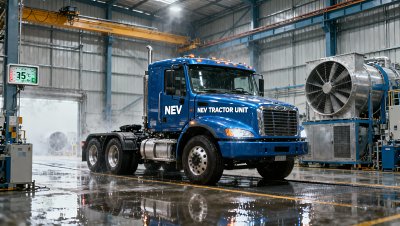
 Policy & RegulationsIndonesia Mandates Local Durability Testing for Imported Chinese NEV Heavy TrucksIndonesia mandates local durability testing for imported Chinese NEV heavy trucks—90-day high-heat/humidity validation required from Aug 1, 2026. Stay compliant & competitive.
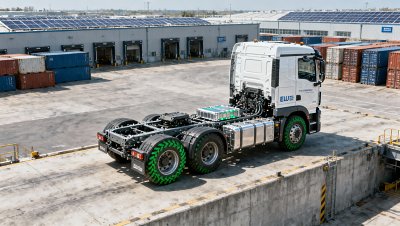
 Policy & RegulationsEU Launches Carbon Footprint Pilot for Heavy-Duty Trucks from ChinaEU's carbon footprint pilot for heavy-duty trucks from China starts May 2026 — discover how tractor units & chassis exporters can prepare, comply, and gain competitive advantage.
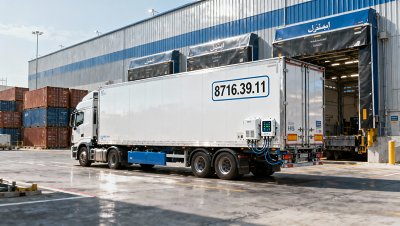
 Policy & RegulationsIran Launches 2026 HS Code System: Trailer Export Classification AdjustedIran’s 2026 HS code update introduces new trailer export classification 8716.39.11—boosting clearance speed & cutting returns for intelligent temperature-controlled trailers.
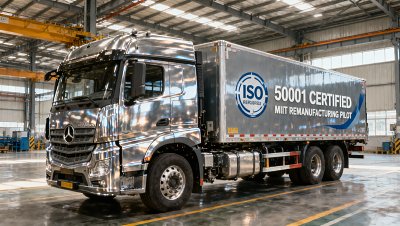
 Policy & RegulationsVietnam to Enforce Used Truck Import Rules from Q3 2026Vietnam’s new used truck import rules (effective Q3 2026) require MIIT-certified refurbishment & ISO 50001 certification—key for exporters, certifiers & logistics providers.
 Policy & RegulationsKazakhstan Enforces GLONASS+BeiDou Module Requirement for Imported Chinese Tractor UnitsGLONASS+BeiDou module required for imported Chinese tractor units in Kazakhstan — comply now to avoid registration delays & customs hold-ups.
 Policy & RegulationsEU Launches Consultation on Smart-Connected HCV准入 RulesSmart-connected HCV准入新规启动!EU mandates UN R155/R156 for ADAS Level 2+ heavy commercial vehicles by Q1 2027—act now to secure EU market access.
 Policy & RegulationsVietnam to Require Chinese Remanufacturing Cert for Used Truck ImportsVietnam to require Chinese remanufacturing cert for used truck imports—key compliance update for exporters, OEMs & logistics providers ahead of Oct 2026 enforcement.
 Policy & RegulationsEU Launches Consultation on Smart-Connected HCV Type Approval RulesSmart-connected HCV type approval rules: EU consultation on R155/R156 compliance for heavy commercial vehicles — act now to secure China–EU market access.
 Policy & RegulationsSouth China Pioneer Studio Wins Youth May 4th Award for Heavy-Duty Truck CertificationHeavy-duty truck certification breakthrough: South China Pioneer Studio wins Youth May 4th Award for global intelligent truck compliance—accelerating EU, US & GCC market access.
 Policy & RegulationsMOT Strengthens Oil Price-Freight Rate Linkage for Cross-Border Road TransportMOT mandates oil price–freight rate linkage for cross-border road transport—real-time, auditable diesel-based pricing at Manzhouli, Erenhot & rail intermodal hubs. Boost transparency, cut risk.
 Policy & RegulationsMulti-Dept Launches New Freight Hub Resilience ActionMulti-Dept Freight Hub Resilience Action boosts land transport equipment intelligence—AI loading systems, cloud diagnostics & multilingual e-clearance now drive efficiency, compliance, and export readiness.
 Policy & RegulationsMOT Issues Oil-Price-Freight Coordination Mechanism NoticeMOT's Oil-Price-Freight Coordination Mechanism transforms cross-border road freight pricing—real-time diesel-linked rates at key land ports like Erenhot & Manzhouli. Learn impacts & compliance steps.
 Policy & RegulationsMOF & MOT Launch New Freight Hub Resilience InitiativeMOF & MOT launch Freight Hub Resilience Initiative—boosting multimodal connectivity, smart trailers, and cross-border rail freight for land transport equipment exporters and operators.
 Policy & RegulationsVietnam to Enforce China's Tier 6B Emission Standard for Imported Medium/Heavy Trucks from Q3 2026Vietnam to enforce China's Tier 6B emission standard for imported medium/heavy trucks from Q3 2026 — critical for exporters, certifiers & distributors. Act now.
 Policy & RegulationsEU Draft Rules Mandate V2X for Imported Commercial Trucks from 2027V2X for imported commercial trucks becomes mandatory in the EU from 2027—learn how EU draft rules impact exporters, OEMs & certification providers.
 Policy & RegulationsHow ISO Certification Reduces Risk When Choosing a Heavy Truck Chassis ManufacturerChoose a heavy truck chassis manufacturer with ISO certification to reduce compliance, quality, and safety risks. Learn how certified processes improve traceability and supplier reliability.
 Policy & RegulationsKazakhstan Extends Zero Tariff on China-Europe Express Truck Parts to 2027Kazakhstan extends zero tariff on China-Europe Express truck parts to 2027—now covering 12 intelligent control components. Boost your export edge in陆路运输设备.
 Policy & RegulationsNew Railway Freight Rules Effective May 1, 2026: 72-Hour Pre-Submission for Oversize CargoNew railway freight rules (effective May 1, 2026) require 72-hour pre-submission for oversize cargo — critical for land transport equipment shippers, EPC contractors & heavy-lift logistics providers.
 Policy & RegulationsKazakhstan Extends Zero Tariff on China’s Rail Truck Parts to 2027Kazakhstan extends zero tariff on China’s rail truck parts to 2027 — now covering 12 intelligent control system components. Boost your Central Asia market access & pricing edge.
 Policy & RegulationsTruck Chassis Supplier in Europe: Key Compliance Points Before OrderingTruck chassis supplier in Europe: learn the key compliance checks before ordering, from documents and axle loads to body integration and safety, to reduce risk and source with confidence.
 Policy & RegulationsNew Railway Cargo Rules Effective May 1, 2026: 72-Hour Pre-Submission for Oversized LoadsNew railway cargo rules (2026) require 72-hour pre-submission for oversized land transport equipment—critical for exporters, manufacturers & freight forwarders on China-Europe/Asia rail corridors.
 Policy & RegulationsLow Bed Trailer Export to Southeast Asia: Key Compliance Points to KnowLow bed trailer export to Southeast Asia requires more than pricing. Discover key compliance points on axle loads, certifications, road standards, and supplier evaluation for safer, faster sourcing.
 Policy & RegulationsEU Mandates ISO 27145-2 Compliance for Heavy-Duty Trucks from May 2026EU mandates ISO 27145-2 compliance for heavy-duty trucks from May 2026 — ensure your exports meet remote diagnostics, type approval & after-sales requirements.
 Policy & RegulationsNew China Railway Freight Rules Take Effect May 1, 2026New China railway freight rules (2026) mandate transparent pricing & service standards for land transport equipment — boosting predictability for China-Europe rail shippers.
 Policy & RegulationsHow to Evaluate a Truck Chassis Supplier in Europe for Compliance and StabilityTruck chassis supplier in Europe selection starts with compliance and stability. Discover a practical checklist to compare suppliers, reduce sourcing risk, and choose reliable long-term partners.