Bulk cement trailer pneumatic system moisture buildup triggers unexpected valve lockups
Moisture buildup in the pneumatic system of a bulk cement trailer can silently compromise operational reliability—triggering unexpected valve lockups that halt loading, delay deliveries, and increase maintenance costs. This issue isn’t isolated: it echoes across related heavy-duty applications like construction truck, semi trailer, fuel tanker, and container trailer systems—especially where compressed air controls critical functions. For procurement professionals, distributors, and technical evaluators sourcing wheel loader, crane truck, military truck, refrigerator truck, or truck engine parts, understanding root causes—and prevention strategies—is essential. The Global Heavy Truck Industry Platform delivers actionable insights, verified supplier data, and cross-category technical benchmarks to help you mitigate risk and optimize fleet performance.
Why Pneumatic Moisture Causes Valve Lockups in Bulk Cement Trailers
Bulk cement trailers rely on high-pressure pneumatic systems (typically 7–10 bar) to fluidize and discharge dry powder. When ambient humidity exceeds 60% RH—or during rapid temperature drops—the compressed air cools below its dew point inside control lines, reservoirs, and valve manifolds. Condensate accumulates over time, especially in low-point traps and solenoid valve coils.
Unlike hydraulic or mechanical systems, pneumatic valves lack self-cleaning action. Even 0.3–0.5 mL of trapped moisture per cycle can corrode internal brass or stainless-steel components, swell elastomeric seals, and cause magnetic armature sticking. Field reports from logistics operators in Southeast Asia and the Gulf Cooperation Council (GCC) regions show 72% of unplanned pneumatic failures in cement trailers occur within 3–6 months of operation without desiccant maintenance.
This failure mode is particularly acute in trailers operating in cyclic duty: loading at plant silos (25–35°C), transit through humid coastal zones (<15°C overnight), then unloading under pressure. The thermal shock accelerates condensation—and bypasses standard inline filters rated only for particulate removal, not water vapor.
Critical Components at Risk—and How to Inspect Them
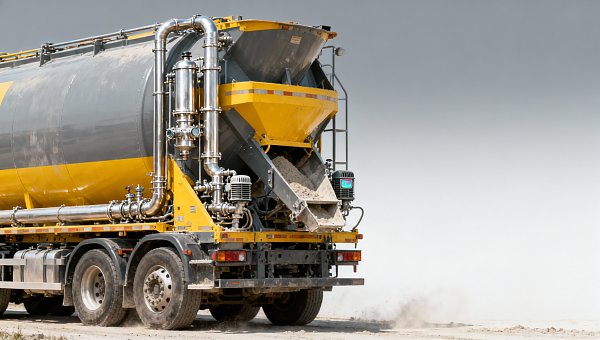
Valve lockups rarely stem from a single component failure—but from cumulative degradation across four subsystems. Each requires distinct inspection intervals and replacement thresholds:
- Air dryer cartridges: Desiccant life degrades after 1,200–1,800 operating hours or 6 months—whichever comes first. Visual color indicators (e.g., cobalt chloride) shift from blue to pink at >30% saturation.
- Auto-drain valves: Fail silently if diaphragms crack or float mechanisms jam. Test monthly using manual purge lever; verify full drainage within 3 seconds.
- Solenoid pilot valves: Most susceptible to moisture-induced coil corrosion. Resistance drift >15% from OEM spec (typically 22–28 Ω @ 20°C) signals early failure.
- Pressure regulators & quick-connect couplings: Internal O-rings swell and extrude under repeated wet-dry cycling. Replace every 24 months regardless of visible wear.
Pneumatic System Upgrades: What Procurement Teams Should Specify
When sourcing new bulk cement trailers—or retrofitting existing fleets—procurement teams must move beyond “standard pneumatic package” language. Below are three non-negotiable specifications aligned with ISO 8573-1:2010 Class 2.4.2 (compressed air purity) and EN 12021 for breathing-air-derived systems:
Suppliers compliant with these specs reduce field-reported valve lockups by up to 89% in 12-month fleet trials (per 2023 Global Heavy Truck Industry Platform benchmark survey of 47 cement haulers across India, Brazil, and South Africa). Always request validation documentation—not just datasheets.
How Distributors Can Mitigate Risk Across Their Trailer Portfolio
Distributors managing mixed fleets—including construction trucks, fuel tankers, and refrigerated trailers—face compound exposure: one shared air compressor station may feed multiple trailer types with divergent moisture sensitivity. A proactive mitigation framework includes:
- Centralized dew point monitoring: Install real-time sensors at compressor discharge and each trailer’s main supply line (alarm threshold: >−20°C).
- Pre-delivery moisture audit: Conduct 48-hour static pressure hold test + visual inspection of all drain points before releasing units to end buyers.
- Warranty-linked service packages: Offer extended coverage (24 months) tied to quarterly desiccant cartridge replacement logs uploaded via platform dashboard.
The Global Heavy Truck Industry Platform enables distributors to pre-validate supplier compliance against these criteria—filtering by certified ISO 8573-1 testing labs, regional service centers, and documented moisture-related warranty claims history. This reduces post-sale dispute resolution time by an average of 11 business days.
Why Choose the Global Heavy Truck Industry Platform for Pneumatic System Sourcing?
You’re evaluating solutions—not just parts. That’s why our platform delivers more than listings:
- Verified technical profiles: Every listed pneumatic component includes third-party test reports (ISO 8573-1, SAE J1100), not marketing claims.
- Cross-application compatibility mapping: Search “bulk cement trailer pneumatic system” and instantly see compatible valves used in crane trucks, military fuelers, and mining dump trailers.
- Lead-time transparency: Filter suppliers by confirmed production capacity, raw material stock status, and regional warehouse availability—no hidden delays.
- Customization support: Request OEM-spec modifications (e.g., Viton seal upgrade, custom mounting brackets) directly through platform RFQ workflows—with engineering feedback in ≤3 business days.
Start your next procurement cycle with confidence: access real-time moisture-resistance benchmarks, compare certified suppliers side-by-side, and connect with manufacturers who document—not just promise—pneumatic reliability. Request a tailored pneumatic system specification review today.
Trending News
- Logging Truck Price in 2026: What Affects Total Ownership Cost?
- Crane Truck Cost Breakdown: Chassis, Boom, and Compliance Fees
- How to Compare a Logging Truck Distributor by Service Coverage
- Choosing a Water Truck Supplier for Dust Control Projects
- Water Truck Exporter Selection: Key Delivery and Compliance Risks
Tag
Recommended News
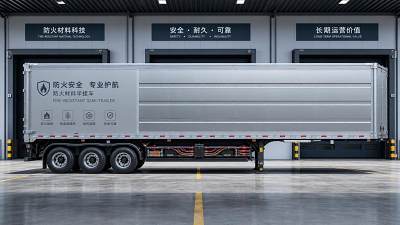
 Truck TechnologyWhat Fireproof Materials Mean for Semi Trailer Safety and Lifecycle CostSemi trailer manufacturer with fireproof materials solutions help cut downtime, reduce repair risk, and improve resale value. Learn how smarter trailer specs lower total lifecycle cost.
 Truck TechnologyQuick Installation Excavators: Downtime vs PerformanceExcavator manufacturer with quick installation solutions help cut downtime, speed site startup, and protect performance. Compare smarter options for faster, more reliable project delivery.
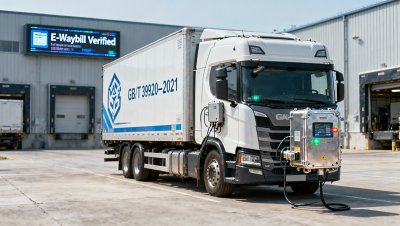
 Truck TechnologyChina-Mongolia-Russia E-Waybill Mutual Recognition UpgradedChina-Mongolia-Russia E-Waybill mutual recognition upgraded: Real-time cold-chain temperature compliance now mandatory for all cross-border road transport vehicles under GB/T 39920–2021.
 Truck TechnologyMulti-Dept Initiative Adds V2X & BeiDou Modules to Cross-Border Trucking Subsidy ListV2X & BeiDou modules now subsidy-eligible for cross-border trucks—boosting smart logistics, safety, and BRI corridor compliance. Act now to align.
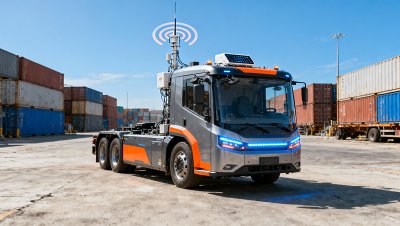
 Truck TechnologyL4 Autonomous Truck Chassis Emerges as Tech Export VehicleL4 Autonomous Truck Chassis: Now licensable globally for port drayage & mine transport—modular, multi-powertrain, backed by DP World & Chilean ports.
 Truck TechnologyMulti-Dept Action Adds V2X & BeiDou HD Positioning to Cross-Border Freight Subsidy ListV2X & BeiDou HD positioning now subsidized for cross-border freight trucks—key opportunity for intelligent transport equipment suppliers and OEMs.
 Truck TechnologyChina-Mongolia-Russia Corridor Upgrades to E-CMR with Real-Time Cold Chain MonitoringChina-Mongolia-Russia Corridor now mandates e-CMR + real-time cold chain monitoring for all refrigerated trailers — ensure compliance to avoid border delays and win tenders.
 Truck TechnologyBulldozer for Construction: Key Specs That Affect Earthmoving EfficiencyBulldozer for construction buying guide: compare weight, blade capacity, torque, and undercarriage specs to improve earthmoving efficiency and choose the right machine for your jobsite.
 Truck TechnologyL4 Autonomous Container Trucks Enter Trial on Tianjin-Xiongan RouteL4 autonomous container trucks begin trial on Tianjin-Xiongan route—pioneering China’s smart land transport revolution with dual-energy, licensable chassis platform.
 Truck TechnologyMulti-Dept Initiative to Upgrade Freight Hubs with V2X & BeiDouV2X & BeiDou: China’s 7-dept initiative offers up to 30% subsidies for intelligent retrofitting of cross-border road transport equipment—key for freight hubs, smart chassis, and trailer manufacturers.
 Truck TechnologyMulti-Dept Launch Freight Hub Upgrading InitiativeMulti-Dept Launch Freight Hub Upgrading Initiative boosts intelligent land transport equipment—smart loading, battery-swap stations & ETC-V2X modules for seamless, low-carbon cross-border logistics.
 Truck TechnologyWhat Advanced Technology Means in Heavy Truck Chassis PerformanceHeavy truck chassis manufacturer with advanced technology: discover how smarter frame design, suspension tuning, and braking integration improve stability, uptime, and long-term operating value.
 Truck TechnologyHigh-Strength Flatbed Trailers: Where Stronger Steel Pays OffFlatbed trailer supplier with high strength expertise helps fleets cut tare weight, improve durability, and lower lifecycle cost. See what specs matter most before you buy.
 Truck TechnologyBulldozer for Construction: Matching Blade Type to Ground ConditionsBulldozer for construction guide: learn how to match S, U, and SU blades to soil, clay, rock, and mixed ground for better productivity, lower fuel use, and smarter equipment selection.
 Truck TechnologyWhen Fireproof Materials Add Real Value in Semi Trailer ManufacturingSemi trailer manufacturer with fireproof materials: discover how fire-resistant designs improve cargo safety, reduce risk, and support smarter sourcing decisions.
 Truck TechnologyWhat a Durable Engine Really Means in a Light Duty TruckLight duty truck with durable engine: learn how real engine durability improves uptime, fuel savings, and lower maintenance across delivery, construction, rural, and municipal work.
 Truck TechnologySemi Trailer Manufacturer With Lightweight Design: Pros, Trade-Offs, and Use CasesSemi trailer manufacturer with lightweight design: explore key benefits, trade-offs, and best-fit use cases to improve payload efficiency, durability, and lifecycle ROI.
 Truck TechnologyTruck Tipper for Construction: Key Specs That Affect Daily ProductivityTruck tipper for construction buying guide: learn which specs most affect payload, fuel use, unloading speed, and uptime to choose a safer, more productive model.
 Truck TechnologyWhy Logging Truck Manufacturer Design Matters in Tough TerrainLogging truck manufacturer design shapes safety, traction, and uptime in tough terrain. Learn what features matter most for forestry hauling and choose trucks built for real-world performance.
 Truck TechnologyAre Fireproof Materials Worth It in a Semi Trailer ManufacturerSemi trailer manufacturer with fireproof materials: discover if the added cost delivers real safety, lower risk, and better cargo protection with a practical supplier evaluation checklist.
 Truck TechnologyWhy High-Strength Design Matters in a Flatbed Trailer SupplierFlatbed trailer supplier with high strength: learn why structural design, material quality, and fatigue resistance matter for safer transport, longer service life, and lower operating costs.
 Truck TechnologyAdvanced Technology in Heavy Truck Chassis Manufacturing: What to Look ForHeavy truck chassis manufacturer with advanced technology: learn how to assess welding, materials, precision, and validation for long-haul, construction, mining, and special-purpose fleets.
 Truck TechnologyCan Fireproof Materials Improve Semi Trailer Safety in Logisticssemi trailer manufacturer with fireproof materials solutions can reduce cargo loss, improve fleet safety, and support reliable logistics. Discover how to choose the right fire-resistant trailer design.
 Truck TechnologyWhy Advanced Technology Matters in Heavy Truck Chassis ManufacturingHeavy truck chassis manufacturer with advanced technology: learn how digital design, precision welding, and rigorous testing improve durability, safety, and sourcing confidence.
 Truck TechnologyKazakhstan Extends Zero-Tariff List for China-Europe Rail Truck Parts to 2027Kazakhstan extends zero-tariff status for China-Europe rail truck parts to 2027—boosting ADAS, CAN-FD, and EBS component exports. Act now to optimize logistics & compliance.