How Modular Design Changes the Value of a Flatbed Trailer Supplier
For enterprise buyers in road transport equipment, choosing a flatbed trailer supplier with modular design is no longer just about product availability—it directly affects lifecycle cost, fleet flexibility, and long-term ROI. As logistics and infrastructure demands grow, modular trailer solutions help businesses adapt faster, simplify maintenance, and scale operations with greater confidence.
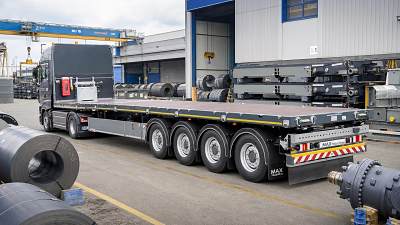
That matters because flatbed trailer demand no longer comes from one uniform use case. A company moving steel coils across industrial corridors evaluates suppliers differently from a contractor transporting excavators to remote infrastructure projects. A distributor with mixed regional customers needs different trailer configurations than a mining operator with harsh-duty routes. In each case, the value of a flatbed trailer supplier with modular design comes from how well the supplier supports real operating conditions, not just how many units it can deliver.
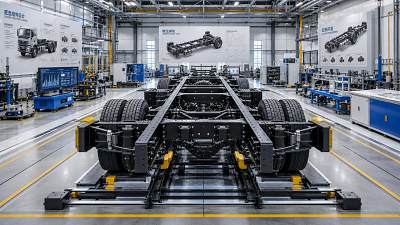
For decision-makers, this shifts procurement from a product comparison exercise to a scenario-based selection process. The right supplier should help align axle layout, deck structure, suspension, side protection, attachment systems, spare parts, and maintenance planning with the intended workload. Modular design becomes commercially meaningful when it reduces downtime, shortens reconfiguration cycles, and enables one trailer platform to support multiple transport missions.
Why scenario differences matter when evaluating a modular supplier
In the road transport equipment industry, many trailer purchases fail to deliver expected value because buyers select by price, tare weight, or basic dimensions alone. Those indicators are important, but they do not reveal whether a supplier can support future route changes, payload variation, or regional compliance needs. A flatbed trailer supplier with modular design should offer configurable building blocks that can be adapted across use cases without forcing buyers to replace entire assets prematurely.
This is especially relevant on global B2B platforms, where buyers compare manufacturers from different countries and supply chains. A supplier may appear competitive on headline specifications yet lack modular compatibility across parts, limited after-sales support, or the engineering ability to adjust trailer architecture for local market rules. Enterprise buyers benefit when they assess modularity through applications: what can be changed, how quickly it can be changed, and what operational value that change creates.
Typical business scenarios where modular flatbed trailers create higher value
1. Regional logistics fleets with changing cargo profiles
Regional fleets often transport palletized goods one week, machinery components the next, and oversized industrial materials after that. In this environment, a flatbed trailer supplier with modular design creates value by making side structures, lashing systems, deck accessories, and axle configurations easier to adapt. Buyers should focus on how quickly trailers can be reconfigured between assignments, whether spare modules are standardized, and how maintenance teams can manage parts without excessive inventory.
This scenario favors suppliers that understand utilization rates. If one trailer can cover three cargo types with limited downtime, fleet efficiency improves. The modular approach helps reduce idle units dedicated to narrow tasks, which is a strong ROI driver for transport enterprises trying to control capital expenditure.
2. Infrastructure and construction project transport
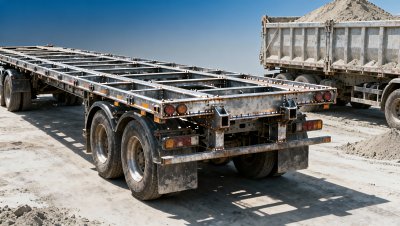
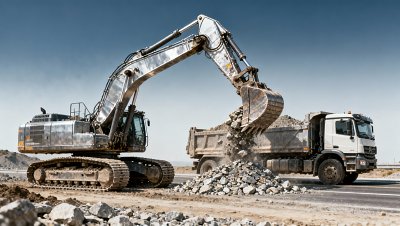
Construction projects involve moving equipment, steel frames, precast materials, and temporary site assets across varied roads and project phases. Here, a flatbed trailer supplier with modular design should support heavy-duty durability, flexible load securing, and practical serviceability. The key issue is not only carrying capacity, but also whether the trailer can adapt from long steel sections to compact machinery without compromising safety or loading speed.
Project-based buyers should assess whether the supplier can provide reinforced sections, detachable fittings, modular ramps where needed, and service parts compatible with rough use. In construction, trailer damage often comes from repeated loading impacts and uneven terrain. A modular structure can reduce repair complexity if damaged sections are easier to replace than fully welded assemblies.
3. Mining and industrial operations with harsh-duty environments
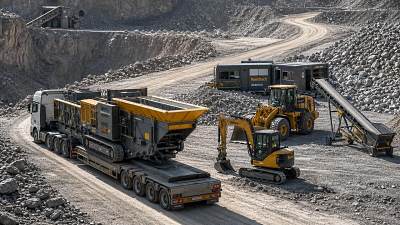
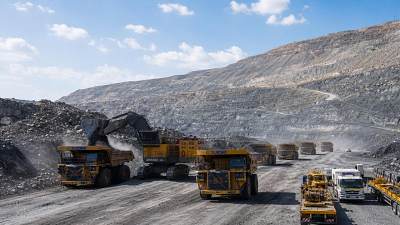
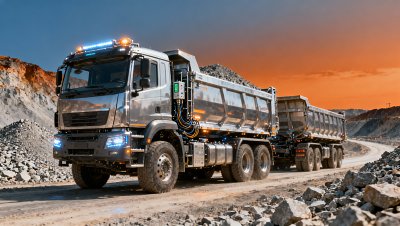
Mining and heavy industry place extreme pressure on trailer frames, suspensions, tires, and braking systems. In this setting, a flatbed trailer supplier with modular design must demonstrate engineering discipline rather than marketing language. Buyers should ask whether structural modules are designed for high-cycle stress, whether wear-prone components can be replaced quickly, and whether the supplier supports predictable maintenance planning in remote areas.
For industrial buyers, modularity adds value when service windows are short and downtime is expensive. A supplier that can provide standardized replacement assemblies, documented maintenance procedures, and technical support for heavy-load operations contributes more value than a low-cost supplier offering minimal post-sale support.
4. Cross-border trade and export distribution networks
Distributors and exporters often serve multiple markets with different regulations, road conditions, and customer expectations. In this scenario, a flatbed trailer supplier with modular design can help reduce SKU complexity by offering a common base platform with localized adaptations. That may include different lighting systems, suspension options, braking packages, side guards, or deck fittings for specific regions.
This scenario is highly relevant for digital B2B sourcing. A supplier that understands export documentation, component traceability, and modular adaptation for destination markets enables smoother market entry. Enterprise buyers should verify whether the supplier can scale this capability consistently, not only for sample orders but for ongoing international distribution.
Scenario comparison: what different buyers should prioritize
The same modular concept produces different value depending on operating context. The table below helps procurement leaders compare priorities before engaging a flatbed trailer supplier with modular design.
How modular design changes supplier value beyond the product itself
A flatbed trailer supplier with modular design is more valuable because it contributes to strategic flexibility. Instead of locking a fleet into fixed specifications, the supplier becomes a long-term operational partner. This affects four business areas.
Lifecycle cost control
Modular platforms can reduce repair costs, simplify spare parts planning, and extend asset usefulness as transport tasks evolve. Buyers should ask for service part maps, replacement logic, and expected maintenance intervals under target operating conditions.
Fleet standardization
For growing fleets, standardization reduces training complexity and workshop inefficiency. Suppliers with modular engineering can help enterprises maintain a consistent fleet architecture while still allowing route- or customer-specific adaptation.
Business scalability
If a company expands into new cargo categories or geographies, modular trailers create a practical bridge between current operations and future demand. This is especially valuable for companies using international sourcing platforms to compare new supplier options as they grow.
Risk reduction
A supplier with sound modular design can reduce procurement risk by making upgrades and replacements less disruptive. This matters in volatile freight markets where asset flexibility protects against underutilization.
Scenario-specific questions to ask before selecting a supplier
To identify the right flatbed trailer supplier with modular design, enterprise buyers should move beyond generic brochures and ask scenario-driven questions:
- Which trailer modules can be changed without major structural rework?
- How does the design perform under my actual payload mix and road conditions?
- What spare parts are common across configurations?
- Can the supplier support compliance differences across regions or export destinations?
- What is the lead time for replacement modules and service components?
- How does the supplier document maintenance procedures and lifecycle expectations?
These questions reveal whether modularity is engineered into the product ecosystem or simply used as a sales term. For B2B decision-makers, that distinction is critical.
Common misjudgments in application-based procurement
One frequent mistake is assuming that all modular trailers deliver the same operational value. In reality, some suppliers offer only cosmetic options, while others build true platform-based systems with parts commonality and upgrade logic. Another mistake is evaluating a flatbed trailer supplier with modular design only by initial quotation. If modularity lowers downtime, cuts repair scope, or supports market expansion, the total business value may be far higher than the purchase price suggests.
Buyers also underestimate the importance of after-sales capability. Modular design has little value if replacement sections, compatible components, or technical documentation are difficult to obtain. Finally, some enterprises overbuy complexity. If operations are stable and highly standardized, the best solution may be a focused modular range rather than unlimited configuration freedom. Fit matters more than feature volume.
How different enterprise profiles should judge fit
FAQ for enterprise buyers
Is a flatbed trailer supplier with modular design always the better choice?
Not always. It is usually the better choice when cargo types vary, routes change, maintenance efficiency matters, or expansion into new applications is likely. For highly fixed transport tasks, a simpler specification may be enough.
What is the biggest ROI signal of modular design?
The strongest signal is whether modularity reduces operational friction: fewer idle assets, faster repairs, lower spare parts complexity, and easier adaptation to new contracts or customer needs.
How can global sourcing platforms help with supplier selection?
A professional B2B platform for heavy truck and trailer sourcing helps buyers compare suppliers, product ranges, industry insights, and application fit more efficiently. It also improves access to manufacturers that can support international trade, technical comparison, and long-term supply collaboration.
Final decision guidance for buyers
The real value of a flatbed trailer supplier with modular design becomes clear only when viewed through business scenarios. For mixed logistics fleets, modularity improves utilization. For construction projects, it strengthens flexibility and repair practicality. For industrial and mining operations, it supports reliability and maintenance planning. For export-oriented businesses, it enables adaptation across markets without rebuilding the product strategy from zero.
Before making a procurement decision, map your top three operating scenarios, define the likely changes in payload or route conditions over the next three to five years, and compare suppliers based on how their modular systems support those realities. The best supplier is not simply the one offering the most options, but the one whose modular design aligns with your fleet strategy, service model, and growth plan. That is where long-term value is created in road transport equipment sourcing.
Trending News
- Huanggang Port Freight Operations Cease, Shenzhen-Hong Kong Cross-Border Logistics Shifts to 'East-In-East-Out, West-In-West-Out'
- Erenhot-Mongolia 24-Hour Freight Clearance Boosts Trucking Efficiency
- All 27 Cross-River Bridges of the Pinglu Canal Completed
- Nanning IRP Launches Smart EV Freight Charging & Swapping Station
- Vietnam to Enforce China's Tier 6B Emission Standard for Imported Medium/Heavy Trucks from Q3 2026
Tag
Recommended News
![]() Technology & InnovationWhy Quick Installation Matters When Choosing an Excavator ManufacturerExcavator manufacturer with quick installation: discover how faster setup cuts downtime, simplifies maintenance, improves reliability, and keeps heavy equipment projects on schedule.
Technology & InnovationWhy Quick Installation Matters When Choosing an Excavator ManufacturerExcavator manufacturer with quick installation: discover how faster setup cuts downtime, simplifies maintenance, improves reliability, and keeps heavy equipment projects on schedule. Technology & InnovationHow Modular Design Changes the Value of a Flatbed Trailer SupplierFlatbed trailer supplier with modular design: discover how modular platforms cut lifecycle costs, boost fleet flexibility, and improve ROI for logistics, construction, and industrial buyers.
 Technology & InnovationHow Portable Construction Machinery for Mining Helps Remote Projects Move FasterConstruction machinery for mining helps remote projects move faster with easier transport, quick setup, and flexible deployment. Learn how to cut delays and improve site efficiency.
 Technology & InnovationTruck Tipper OEM: How Custom Body Design Changes Worksite PerformanceTruck tipper OEM solutions with custom body design can boost unloading efficiency, durability, and site safety. Learn how to compare suppliers and choose the right fit for demanding jobs.
 Technology & InnovationTruck Tipper OEM: How Custom Body Design Changes Worksite PerformanceTruck tipper OEM solutions with custom body design can boost unloading efficiency, durability, and site safety. Learn how to compare suppliers and choose the right fit for demanding jobs.
 Technology & InnovationHow Energy-Saving Features Change Excavator Value Over TimeDiscover how an excavator manufacturer with energy-saving features can lower fuel costs, improve uptime, and boost resale value with a smart long-term buying checklist.
 Technology & InnovationDo Energy-Saving Features Really Matter in an Excavator ManufacturerExcavator manufacturer with energy-saving features: learn how to verify fuel savings, uptime, service support, and ROI before choosing the right supplier.
 Technology & InnovationKunming Blue Jacaranda-Themed Buses Launch with Domestic V2X & LMPF BatteryKunming's blue jacaranda buses feature domestic V2X & LMPF battery tech — a proven, export-ready blueprint for urban transit and airport GSE suppliers targeting Middle East & LATAM markets.
 Technology & InnovationPortable Construction Machinery: Where Flexible Equipment Delivers More ValueConstruction machinery supplier with portable options: use this practical checklist to compare mobility, setup, service, and lifecycle value for faster, smarter project decisions.
 Technology & InnovationHow Construction Machinery for Mining Is Shifting Toward Higher UptimeConstruction machinery for mining is shifting from raw power to higher uptime. Learn how smarter maintenance, diagnostics, and parts support help cut risk, control costs, and improve project performance.
 Technology & InnovationHow a Truck Cement Manufacturer Controls Tank and Discharge QualityTruck cement manufacturer insights: learn how leading factories control tank strength, weld quality, pressure testing, and discharge performance to improve safety, uptime, and sourcing confidence.
 Technology & InnovationWhen Portable Construction Machinery Makes More Sense for Remote ProjectsConstruction machinery supplier with portable options: learn when compact, mobile equipment is the smarter choice for remote projects, cutting transport costs, delays, and setup time.
 Technology & InnovationWhy R&D Capability Matters in a Heavy Truck Chassis ManufacturerDiscover why a heavy truck chassis manufacturer with R&D capability delivers better reliability, customization, and long-term value. Use this guide to evaluate suppliers with confidence.
 Technology & InnovationWhy R&D Capability Matters in a Heavy Truck Chassis ManufacturerHeavy truck chassis manufacturer with R&D capability: discover how stronger engineering improves durability, customization, compliance, and fleet uptime for global B2B sourcing.
 Technology & InnovationPortable Construction Machinery for Infrastructure Projects: What Works BestConstruction machinery supplier for infrastructure buyers: discover the best portable machines for roads, utilities, and municipal projects to boost mobility, uptime, and cost control.
 Technology & InnovationWhen a BULLDOZER for Road Construction Delivers Better Site EfficiencyBULLDOZER for road construction buying guide: learn how the right machine improves grading accuracy, reduces downtime, and boosts site efficiency for faster project delivery.
 Technology & InnovationExcavator Attachment Choices That Can Slow a Job Instead of HelpingExcavator attachment mistakes can delay truck loading and raise costs. Learn how excavator bucket choice, excavator rental, excavator for sale, and excavator parts affect productivity.
 Technology & InnovationTC521 Advances Smart Heavy-Duty Truck Remote Diagnostics StandardTC521 advances smart heavy-duty truck remote diagnostics: ISO 27145-2 compliance, EU/UAE/GCC type approval readiness — act now to avoid certification delays.
 Technology & InnovationTruck control unit faults that look mechanical at firstTruck control unit faults often mimic truck steering system, truck fuel system, and truck cooling system failures. Learn how to avoid wrong truck pump parts orders and cut downtime.
 Technology & InnovationTC521 Launches Pre-Research on Remote Diagnostics Interface Standard for Smart Heavy-Duty TrucksRemote diagnostics interface standard pre-research launched for smart heavy-duty trucks — align with ACEA R19-2025 & ISO 27145 now to secure EU market access.
 Technology & InnovationMilitary truck battery systems now require dual-voltage support — legacy chargers can’t keep upHydraulic pump, fuel injection pump & truck military systems now demand dual-voltage battery support—legacy chargers fail. Upgrade for truck off road, logistics truck, and truck lowbed reliability.
 Technology & InnovationWhy Truck Steel Grades Matter in Trailer BuildsTruck steel drives trailer strength, payload, and cost. Explore bulk cement trailer and flatbed trailer supplier insights plus commercial vehicle parts tips for smarter sourcing.
 Technology & InnovationTruck Aluminum Body Panels and Corrosion: What Changes in Coastal UseTruck aluminum panels in coastal use face faster corrosion. Compare truck wing, truck hydraulic, truck tanker, truck pump and gasket solutions with tips from a semi trailer manufacturer guide.
 Technology & Innovation2026 Construction Truck Trends Point to Smarter Load MonitoringConstruction truck trends for 2026 highlight smarter load monitoring, off road truck uptime, truck battery efficiency, truck lighting upgrades, mining truck and tipper trailer sourcing insights.
 Technology & InnovationHow Excavator Bucket Choice Affects OutputExcavator bucket selection directly impacts output, fuel use, and wear. Compare excavator for sale, excavator rental, and excavator parts to boost construction efficiency.