Heavy Truck Parts Manufacturer: Quality Risks to Avoid
Heavy Truck Parts Manufacturer: Quality Risks to Avoid
Choosing the right heavy truck parts manufacturer is critical for quality control, fleet safety, and long-term operating stability.
In heavy-duty transportation, a small component defect can cause downtime, compliance exposure, recalls, or severe road safety risks.
This article explains major quality risks, supplier evaluation points, and practical sourcing steps for the land transportation equipment sector.
Basic View of a Heavy Truck Parts Manufacturer
A heavy truck parts manufacturer produces components used in tractors, dump trucks, trailers, construction vehicles, and special-purpose commercial vehicles.
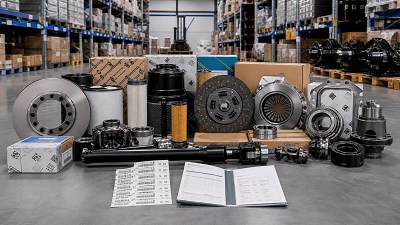
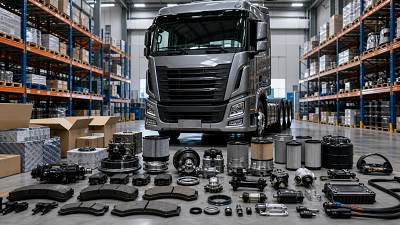
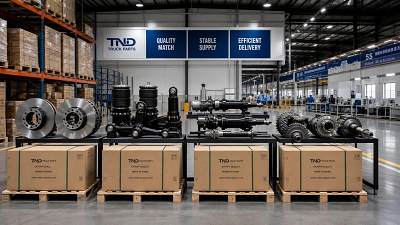
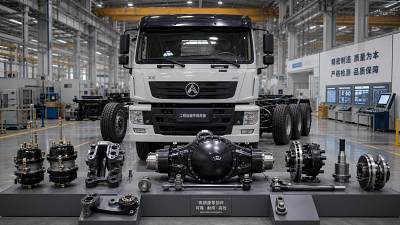
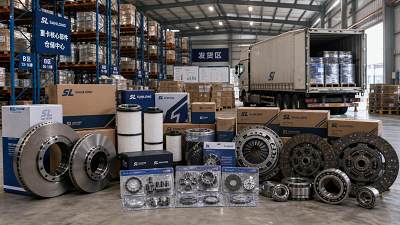
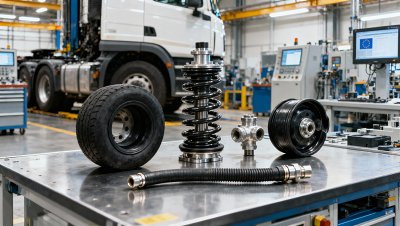
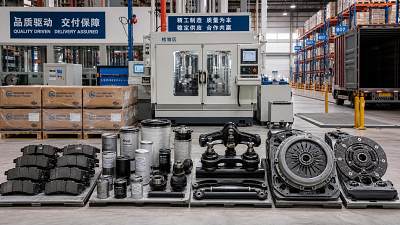
Typical products include braking parts, suspension components, drivetrain parts, steering systems, filters, body parts, electrical assemblies, and chassis accessories.
Unlike light vehicle components, heavy truck parts operate under higher loads, longer mileage, harsher roads, and more demanding maintenance cycles.
A reliable heavy truck parts manufacturer must control material selection, machining accuracy, heat treatment, assembly consistency, and final inspection.
The manufacturer also needs strong documentation, traceability, and export experience when serving global commercial vehicle markets.
Quality is not limited to visible appearance. It depends on engineering discipline, process stability, testing data, and continuous corrective action.
Industry Background and Current Quality Signals
Global logistics, infrastructure projects, mining, and municipal operations continue to increase demand for durable heavy-duty truck components.
At the same time, longer supply chains create more pressure on supplier verification and part consistency.
A heavy truck parts manufacturer may serve multiple brands, markets, and application conditions, which increases quality management complexity.
These signals make supplier quality assessment more important than simple catalog comparison or price negotiation.
Material Inconsistency and Structural Weakness
Material inconsistency is one of the most serious risks when selecting a heavy truck parts manufacturer.
Heavy truck components often rely on steel grades, rubber compounds, friction materials, castings, forgings, and precision alloys.
If material specifications change without control, fatigue life, load resistance, corrosion protection, and heat stability may decline.
This risk is common in brake drums, axle components, kingpins, leaf springs, hubs, clutch parts, and suspension brackets.
- Request material certificates linked to actual production batches.
- Check chemical composition, hardness, tensile strength, and coating thickness.
- Confirm whether incoming materials receive independent inspection.
- Review how nonconforming materials are isolated and reported.
A dependable heavy truck parts manufacturer should explain material control with evidence, not only promises.
Weak Process Control and Dimensional Variation
Dimensional variation can reduce fit, cause vibration, increase wear, and create installation failures during truck maintenance.
For land transportation equipment, small tolerance errors may become serious under heavy payload and high mileage.
A heavy truck parts manufacturer should have stable process control for casting, machining, stamping, welding, rubber molding, and assembly.
Important evidence includes process flow charts, control plans, inspection records, tooling maintenance logs, and statistical process data.
Special attention should be paid to parts requiring alignment, sealing, torque retention, and precise mounting interfaces.
When process control is weak, inspection alone cannot guarantee stable product performance.
Insufficient Testing and Validation
Testing confirms whether a part can survive real operating conditions, not only meet drawings.
A qualified heavy truck parts manufacturer should test products according to application requirements, load levels, and relevant standards.
Testing may include fatigue, pressure, leakage, salt spray, impact, vibration, temperature cycling, electrical endurance, and braking performance.
For critical safety parts, relying only on visual inspection or random dimensional checks is a major warning sign.
- Ask whether tests are performed in-house, outsourced, or both.
- Check if test equipment is calibrated and properly maintained.
- Review sample size, test frequency, and failure analysis records.
- Compare testing scope with actual road and climate conditions.
A heavy truck parts manufacturer with mature validation capability can reduce hidden risks before shipment.
Poor Traceability and Documentation Gaps
Traceability allows a defective batch to be identified quickly, isolated, and corrected.
Without traceability, one failure can become a broad uncertainty across warehouses, fleets, workshops, and distributors.
A professional heavy truck parts manufacturer should connect each shipment to production dates, material batches, inspection records, and operator processes.
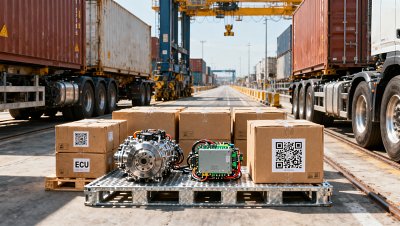
Clear labeling, barcode systems, serial numbers, and packaging marks improve recall efficiency and after-sales response.
Documentation should also include drawings, specifications, certificates, installation guidance, warranty terms, and packing lists.
For international sourcing, missing documents may cause customs delays, compliance disputes, or warranty rejection.
Quality Risks by Typical Part Category
Different truck parts carry different failure modes, inspection priorities, and operational consequences.
The following overview helps compare risk areas when evaluating a heavy truck parts manufacturer.
This category-based approach makes technical review more focused and easier to document.
Compliance, Certification, and Market Compatibility
Compliance expectations vary by destination market, truck brand, road regulation, and product type.
A heavy truck parts manufacturer should understand applicable quality systems and market requirements before accepting export orders.
Common references may include ISO 9001, IATF 16949 principles, E-mark requirements, SAE standards, and customer-specific specifications.
Certification alone is not enough. The certificate scope, validity, issuing body, and factory coverage should be verified.
Market compatibility also includes model matching, installation dimensions, packaging rules, language documents, and replacement part identification.
Incorrect compatibility may lead to returns, workshop delays, and damaged brand trust in the aftermarket channel.
After-Sales Support and Corrective Action Capability
Quality problems cannot be fully eliminated, but response capability separates a strong supplier from a risky one.
A responsible heavy truck parts manufacturer should provide structured warranty handling, failure analysis, and corrective action reports.
Strong support includes clear response timing, claim evidence requirements, replacement procedures, and root cause investigation.
Weak support often appears as delayed replies, unclear responsibility, repeated failures, or no improvement after complaints.
- Confirm warranty scope before the first shipment.
- Define acceptable evidence for claims and field failures.
- Request 8D reports for serious or repeated defects.
- Track whether corrective actions prevent recurrence.
After-sales discipline protects operating continuity and reduces dispute costs across the supply chain.
Practical Supplier Evaluation Checklist
A structured checklist improves comparison between suppliers and reduces reliance on price-based decisions.
Before selecting a heavy truck parts manufacturer, review technical, operational, and commercial evidence together.
- Verify factory capability, production equipment, and core product experience.
- Review quality system documents and recent audit findings.
- Compare samples against drawings, specifications, and vehicle application needs.
- Request batch records, test reports, and material certificates.
- Check packaging strength for long-distance land and sea transportation.
- Assess communication speed, technical clarity, and claim response discipline.
- Start with controlled trial orders before scaling purchase volume.
This process helps identify whether a heavy truck parts manufacturer can support stable, repeatable, and compliant supply.
Role of Digital B2B Platforms in Risk Reduction
Digital sourcing platforms can improve supplier discovery, comparison, and early-stage verification in the heavy truck industry.
The Global Heavy Truck Industry Platform connects global commercial vehicle participants across trucks, trailers, construction machinery, and spare parts.
It helps organize product information, supplier profiles, market insights, brand directories, and professional buying resources in one digital environment.
When comparing a heavy truck parts manufacturer, such platforms support broader visibility and more efficient preliminary screening.
However, digital information should be combined with sample validation, document review, and supplier communication before final selection.
Key Takeaway and Next Step
Selecting a heavy truck parts manufacturer is a quality decision, not only a sourcing transaction.
The main risks include inconsistent materials, unstable processes, weak testing, poor traceability, compliance gaps, and limited after-sales support.
A careful evaluation should connect technical evidence with real operating conditions in logistics, construction, mining, and municipal transportation.
Use structured comparisons, trial orders, and documented quality reviews before committing to long-term supply.
To begin, shortlist a heavy truck parts manufacturer by product category, request essential quality documents, and validate samples before volume purchasing.
Trending News
- How to assess a crane truck distributor's spare parts support
- Volvo Group Forms Volvo Mining to Integrate Equipment and Autonomous Solutions
- How to verify spare parts availability with a crane truck supplier
- How to verify a truck trailer OEM's claimed payload capacity
- How does operating weight affect the price of a new excavator?
Tag
Recommended News
 Truck Parts IndustryWhat causes a truck injector to fail prematurely?Truck injector failure can stem from fuel contamination, water, wiring faults, heat, or incorrect installation. Discover practical diagnostic steps to prevent repeat repairs.
 Truck Parts IndustryEU REACH Rule Takes Effect for Truck Rubber PartsEU REACH Rule takes effect for truck rubber parts exported to the EU. Learn how SCIP reporting, SVHC declarations, and supply chain compliance now impact truck manufacturers and suppliers.
 Truck Parts IndustryHow to Evaluate Commercial Vehicle Parts With Eco-Friendly Materials for Durability and ComplianceCommercial vehicle parts with eco-friendly materials require more than green claims. Learn how to assess durability, compliance, and supplier reliability for smarter sourcing.
 Truck Parts IndustryHow to Evaluate a Truck Parts Supplier Beyond Unit PriceTruck parts supplier selection should go beyond unit price. Learn how to assess quality, traceability, compliance, delivery, and support to reduce fleet risk and total cost.
 Truck Parts IndustryVietnam to Require QR Traceability Labels on Imported Heavy-Truck PartsVietnam to Require QR Traceability Labels on Imported Heavy-Truck Parts from Aug 1, 2026. Learn scope, VNQR-2025 rules, VITRAC links, and how to avoid port refusal and fines.
 Truck Parts IndustryHow to Evaluate a Truck Spare Parts Supplier for Long-Term Cost ControlTruck spare parts supplier selection affects far more than price. Learn how to compare quality, delivery, traceability, and hidden costs to protect fleet uptime and control long-term expenses.
 Truck Parts IndustryFuel Injection Pump Failure Signs and What They Mean for Engine PerformanceFuel injection pump failure signs can quickly reduce truck power, raise fuel use, and trigger hard starts. Learn what each symptom means and when to act before costly downtime.
 Truck Parts IndustryExcavator Attachment Selection for Demolition and Site PrepExcavator attachment selection for demolition and site prep: compare breakers, grapples, crushers, and buckets to boost productivity, safety, and ROI.
 Truck Parts IndustryTruck Engine Overhaul or Replacement: Which Costs Less Long Term?Truck engine overhaul or replacement? Compare long-term cost, downtime, fuel efficiency, and reliability to choose the smarter option for your fleet.
 Truck Parts IndustryHow to Choose Excavator Parts That Last LongerExcavator parts buying guide: learn how to choose excavator parts that last longer by comparing fit, material quality, operating conditions, and supplier reliability.
 Truck Parts IndustryAre Eco-Friendly Commercial Vehicle Parts Durable Enough for Daily Use?Commercial vehicle parts with eco-friendly materials can be durable for daily use—if tested right. Explore where they perform best, key risks, and smarter sourcing insights.
 Truck Parts IndustryTruck Parts OEM vs Aftermarket: Cost, Fit, and Warranty RisksTruck parts OEM vs aftermarket: compare true cost, fit accuracy, and warranty risks to reduce downtime, avoid disputes, and make smarter fleet sourcing decisions.
 Truck Parts IndustryTruck Spare Parts Buying Guide: How to Reduce Downtime and Fitment RiskTruck spare parts buying guide for fleet maintenance teams: learn how to reduce downtime, avoid fitment risk, verify suppliers, and make smarter sourcing decisions.
 Truck Parts IndustryHow to Evaluate a Truck Parts Supplier Beyond PriceTruck parts supplier selection should go beyond price. Learn how to compare quality, delivery, service, and total cost to reduce risk and keep fleets running efficiently.
 Truck Parts IndustryHeavy Truck Parts for Construction: Signs of a Reliable ManufacturerHeavy truck parts manufacturer for construction: learn how to identify reliable suppliers through quality control, traceability, testing, and support to reduce downtime and improve fleet safety.
 Truck Parts IndustryHow to Compare Truck Spare Parts Suppliers on Quality and Lead TimeTruck spare parts supplier comparison starts with quality and lead time. Learn how to assess consistency, delivery reliability, and sourcing fit for smarter purchases.
 Truck Parts IndustryEU REACH Sets PAH Limit for Heavy Truck Rubber PartsEU REACH sets a new PAH limit for heavy truck rubber parts, affecting brake hoses, bushings, and export compliance. Learn what suppliers must prepare now to avoid testing delays and customs risks.
 Truck Parts IndustryWhat to Check in a Truck Chassis Supplier Before Fleet ExpansionTruck chassis supplier selection can make or break fleet expansion. Learn what to check on quality, production, delivery, support, and total cost before requesting a quote.
 Truck Parts IndustryCold Storage Truck Parts That Matter Most for Temperature ControlCommercial vehicle parts for cold storage determine real temperature stability. Discover the key truck components that reduce spoilage, improve efficiency, and protect sensitive cargo.
 Truck Parts IndustryHow to Evaluate a Heavy Truck Parts Manufacturer for Long-Term Supply StabilityHeavy truck parts manufacturer selection starts with supply stability. Learn how to assess quality, capacity, lead times, and risk signals for smarter long-term sourcing.
 Truck Parts IndustryEU EPR Rules Extend to Commercial TrailersEU EPR rules now extend to commercial trailers, bringing new registration, reporting, and fee duties from 2027. See how exporters can prepare early to avoid customs delays.
 Truck Parts IndustryTruck Suspension Problems: Signs, Causes, and Fix OptionsTruck suspension issues can lead to tire wear, poor handling, and costly downtime. Learn the key signs, root causes, and best fix options for different truck applications.
 Truck Parts IndustryHow to Choose a Heavy Truck Parts Manufacturer for Construction FleetsHeavy truck parts manufacturer for construction selection starts with uptime, quality, and delivery. Learn how to compare suppliers, reduce fleet risk, and choose with confidence.
 Truck Parts IndustryUS Sets AEBS Rule for Imported Commercial TrailersUS sets AEBS rule for imported commercial trailers starting Oct. 1, 2026. Learn FMVSS No. 127A, SAE J2929, and key compliance steps to avoid CBP entry denial.
 Truck Parts IndustryHow to Choose Commercial Vehicle Parts That Reduce DowntimeCommercial vehicle parts selection can make or break fleet uptime. Learn how to choose parts that improve fit, quality, supply reliability, and lower total downtime cost.