Military Truck Selection: Terrain and Payload Risks
Military Truck Selection: Terrain and Payload Risks
Selecting the right military truck is a technical decision shaped by terrain, payload, mission profile, and long-term operating risk.
A capable military truck must remain mobile under mud, sand, slopes, temperature extremes, and heavy cargo stress.
Engine output, axle layout, chassis strength, and suspension design matter only when matched with actual operating conditions.
This guide explains practical evaluation points for reliability, mobility, safety, payload control, and lifecycle cost in land transport equipment.
Basic Definition and Selection Scope
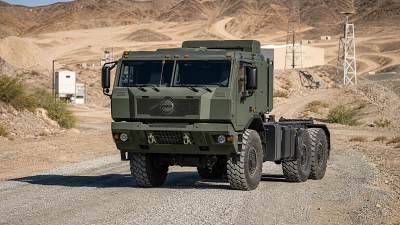
A military truck is a rugged transport vehicle designed for tactical mobility, logistics support, engineering tasks, and off-road cargo movement.
Compared with ordinary commercial trucks, a military truck usually requires stronger driveline protection, higher ground clearance, and better all-terrain durability.
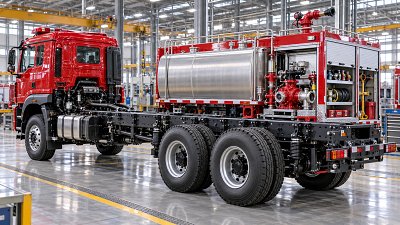
Common configurations include 4x4, 6x6, 8x8, and special chassis formats for fuel, cargo, recovery, shelter, or equipment transport.
Selection scope should cover gross vehicle weight, payload rating, axle load, tire system, braking capacity, and maintainability.
A military truck also needs compatibility with trailers, containers, field equipment, communications modules, and spare parts systems.
The most suitable platform is rarely the most powerful one. It is the vehicle that balances terrain demand and payload risk.
Current Industry Focus in Heavy Land Transport
Global logistics, infrastructure work, emergency response, and defense-related support are increasing demand for reliable heavy transport platforms.
Within this trend, military truck evaluation is becoming more data-driven, supplier-specific, and lifecycle-oriented.
Digital sourcing platforms now help compare complete trucks, chassis, trailers, construction machinery, and spare parts across regions.
For a military truck project, transparent technical data reduces mismatch between claimed specification and actual field suitability.
Terrain Risks That Affect Mobility
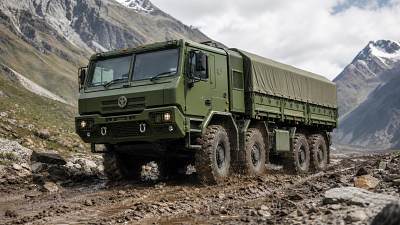
Terrain is the first stress test for any military truck because mobility failure can stop the entire transport chain.
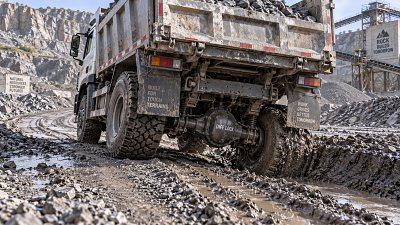
Soft ground requires tire pressure control, high torque delivery, locking differentials, and careful axle load distribution.
Rocky routes demand underbody protection, suspension travel, strong steering components, and durable wheel-end assemblies.
Desert environments challenge the cooling system, air filtration, tire temperature, and drivetrain lubrication.
Mountain roads expose braking limits, engine torque gaps, clutch stress, and rollover risk under uneven loading.
- Mud: prioritize traction aids, tire footprint, and recovery points.
- Sand: assess engine cooling, air intake height, and tire pressure systems.
- Snow: review cold-start systems, braking control, and cab heating.
- Rock: inspect approach angle, departure angle, and underbody shielding.
- Urban debris: check turning radius, visibility, tire durability, and bumper strength.
A military truck specification should never be judged on road performance alone. Field mobility depends on combined system behavior.
Payload Risks and Structural Limits
Payload risk appears when cargo weight, cargo height, or cargo movement exceeds what the chassis can safely manage.
A military truck may carry ammunition boxes, water tanks, fuel modules, shelters, engineering tools, or recovery equipment.
Each load type changes the center of gravity, axle pressure, braking distance, and tire stress.
Static payload rating is not enough. Dynamic load behavior during slopes, potholes, and sudden braking is more important.
A military truck should operate below its maximum rating when routes are severe, temperatures are extreme, or missions are long.
Payload margin protects tires, brakes, suspension bushings, frame rails, and drivetrain components from early failure.
Application Value of Correct Matching
Correct terrain and payload matching improves mission reliability, fleet uptime, operating safety, and total cost control.
A well-matched military truck needs fewer recovery actions and reduces the risk of stranded cargo in remote areas.
It also reduces fuel waste because the engine, transmission, and axle ratios work within efficient operating ranges.
Maintenance planning becomes easier when vehicle use aligns with design limits and spare parts are available through stable channels.
For international sourcing, standardized specifications make comparison easier between complete trucks, chassis, trailers, and support equipment.
- Higher mobility in difficult road networks.
- Lower tire, brake, and suspension wear.
- Better fuel efficiency under realistic loads.
- Improved fleet standardization and parts planning.
- Reduced lifecycle cost across long service periods.
The value of a military truck is therefore measured by dependable performance, not only by purchase price.
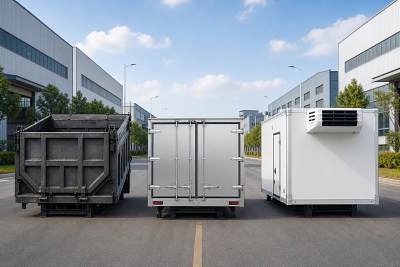
Typical Military Truck Categories
Different tasks require different vehicle structures. A single military truck model cannot cover every terrain and payload profile.
Category selection should start from route conditions, cargo type, support distance, and expected recovery capability.
A military truck used for fuel delivery should not be assessed like a flatbed cargo vehicle.
Technical Checks Before Specification Approval
Before confirming a military truck specification, technical review should connect vehicle data with route and load assumptions.
- Define terrain mix by percentage, including paved roads, gravel, mud, sand, slopes, and water crossings.
- List cargo types, maximum weights, loading height, securing method, and expected mission duration.
- Check gross vehicle weight, axle load, frame rating, and suspension reserve.
- Review engine torque curve, transmission ratios, transfer case design, and differential locks.
- Confirm braking system performance under loaded downhill conditions.
- Assess tires, central tire inflation, spare wheel strategy, and bead retention.
- Verify cooling, air filtration, electrical sealing, and corrosion protection.
- Compare maintenance intervals, tool requirements, and spare parts supply stability.
A military truck with strong paper specifications can still underperform if service support is weak or parts lead time is long.
Documentation should include dimensional drawings, payload charts, gradeability data, braking figures, and maintenance manuals.
Supplier and Lifecycle Considerations
Supplier evaluation is part of technical risk control because heavy vehicles depend on long-term parts and service continuity.
A military truck platform should have traceable manufacturing quality, clear warranty terms, and available component information.
Global sourcing also requires attention to emissions compliance, export documentation, training support, and regional service capability.
The Global Heavy Truck Industry Platform supports product discovery across truck chassis, complete trucks, trailers, construction machinery, and spare parts.
Such digital resources help compare suppliers, review product categories, and identify military truck options aligned with operational requirements.
- Check whether specifications are complete and measurable.
- Request evidence of similar terrain applications.
- Review parts catalogs and service manuals early.
- Compare warranty coverage with expected operating intensity.
- Confirm compatibility with trailers and mission modules.
Lifecycle cost should include fuel, tires, brakes, filters, repairs, recovery events, downtime, and resale potential.
Practical Notes for Reducing Risk
Risk reduction starts with realistic assumptions. Overly optimistic route and payload data can lead to costly vehicle mismatch.
A military truck should be tested with representative cargo, normal drivers, expected tire pressure, and actual route conditions.
Field trials should include acceleration, braking, climbing, turning, recovery access, and repeated loading cycles.
Avoid selecting maximum payload as the normal operating load. Reserve capacity protects durability and safety.
When comparing models, use the same measurement basis for payload, curb weight, fuel load, crew, and mounted equipment.
Also review transportability. A military truck may need rail, sea, air, or trailer movement between operating regions.
Standardization across fleets can reduce training complexity and improve parts availability during long deployments.
Action Path for Informed Selection
A structured selection process turns a complex military truck decision into a measurable technical comparison.
Start with terrain mapping, payload definition, mission frequency, climate exposure, and service support requirements.
Then shortlist military truck models by configuration, gross weight, drivetrain design, supplier reliability, and parts availability.
Request detailed specifications, compare application records, and use controlled field evaluation before final approval.
For broader sourcing, explore digital heavy truck marketplaces that connect international products, suppliers, and industry information.
The right military truck is the one that carries the required load, crosses the expected terrain, and remains serviceable over time.
By balancing mobility, payload margin, supplier support, and lifecycle cost, selection becomes safer, clearer, and more resilient.
Trending News
- CATL Unveils Tianxing II Electric-to-Electric Range-Extended Heavy Truck Solution
- How much torque does a truck engine need for heavy-duty hauling?
- How to assess a crane truck distributor's spare parts support
- Volvo Group Forms Volvo Mining to Integrate Equipment and Autonomous Solutions
- How to verify spare parts availability with a crane truck supplier
Tag
Recommended News
 Truck TechnologyHow to locate a truck exhaust system leak before replacing partsLocate a truck exhaust system leak before replacing parts. Learn how to spot soot trails, confirm leaks safely, and identify root causes to avoid costly guesswork and repeat repairs.
 Truck TechnologyDoes a cab chassis truck for fire department have enough frame capacity?Cab chassis truck for fire department: assess frame strength, axle loads, tank weight, stability and compliance for a safer, reliable fire apparatus build.
 Truck TechnologyWhen does a truck off road setup need locking differentials?Truck off road setups need locking differentials when uneven, low-grip terrain causes wheelspin. Learn how to choose the right axle locks for safer, reliable mobility.
 Truck TechnologyEPA Remote-Diagnostics Rules Take Effect for Diesel EnginesEPA Remote-Diagnostics Rules take effect for diesel engines sold in the U.S. Learn how OTA updates, real-time NOx reporting, and fault-code retention may impact compliance, OEM projects, and imports.
 Truck TechnologyCab Chassis Truck for Military Use: Key Specs That Affect Mission ReadinessCab chassis truck for military use: explore the key specs that drive mission readiness, off-road mobility, integration flexibility, and lifecycle support for smarter fleet decisions.
 Truck TechnologyBULLDOZER with GPS Tracking: What Improves on Remote Job SitesBULLDOZER with GPS tracking improves remote job sites with better visibility, reduced idle time, stronger fleet coordination, and smarter earthmoving decisions across harsh terrain.
 Truck TechnologyTruck Body Materials Compared: Steel, Aluminum, or Composite?Truck body material comparison made practical: explore steel, aluminum, and composite options for payload, durability, corrosion resistance, and lifecycle cost.
 Truck TechnologyBest Cab Chassis Truck Setups for Municipal Engineering TasksCab chassis truck for municipal engineering: compare the best setups for sanitation, tanker, utility, and dump tasks to improve uptime, safety, and long-term fleet value.
 Truck TechnologyTruck Electrical System Faults: Common Causes and Fast ChecksTruck electrical system faults can cause no-starts, dim lights, and costly downtime. Learn common causes, fast checks, and practical steps to diagnose issues quickly.
 Truck TechnologyASEAN-ICV Opens Mutual Access for Connected Heavy VehiclesASEAN-ICV opens mutual access for connected heavy vehicles, cutting duplicate V2X testing across Thailand, Vietnam, Indonesia, and Malaysia. See what it means for exports, compliance, and fleet delivery.
![]() Truck TechnologyTruck Concrete Mixer Basics: Capacity, Drum Type, and Jobsite FitTruck concrete mixer basics explained: compare capacity, drum type, and jobsite fit to improve pour efficiency, cut delays, and choose the right mixer truck with confidence.
Truck TechnologyTruck Concrete Mixer Basics: Capacity, Drum Type, and Jobsite FitTruck concrete mixer basics explained: compare capacity, drum type, and jobsite fit to improve pour efficiency, cut delays, and choose the right mixer truck with confidence. Truck TechnologyBrazil Requires Dual-Mode Tracking on Imported Heavy TrucksBrazil requires dual-mode tracking on imported heavy trucks. Learn how BeiDou+GPS, SISFROTA, and ABNT NBR 16501:2025 rules affect licensing, compliance, and market access.
 Truck TechnologyWater Truck OEM Options: Tank Size, Pump Output, and Road ConditionsWater truck OEM selection starts with the right match of tank size, pump output, and road conditions. Learn how to compare specs, improve uptime, and choose a fleet-ready solution.
 Truck TechnologyChile Requires Remote Diagnostics on Imported Heavy TrucksChile Requires Remote Diagnostics on Imported Heavy Trucks: learn how NCh3871:2026, OTA, ISO 22161, and VHMP rules will impact truck imports, registration, and fleet planning.
 Truck TechnologyHow to Compare Logging Truck OEM Specs for Drivetrain and Load StabilityLogging truck OEM specs compared the right way: learn how to evaluate drivetrain torque, axle ratios, suspension, and load stability for safer forestry hauling.
 Truck TechnologyIndia Drafts BS-VI Phase II Remote OBD Upload RuleIndia Drafts BS-VI Phase II Remote OBD Upload Rule: learn how India’s new real-time OBD upload proposal could impact truck exporters, T-Box upgrades, certification timelines, and market access.
 Truck TechnologyMilitary Truck Payload vs Mobility: What Matters in Harsh TerrainMilitary truck performance in harsh terrain depends on more than payload. Discover how mobility, traction, axle load, and suspension affect real-world mission success.
 Truck TechnologyLogging Truck OEM Options: Key Specs for Harsh Forestry RoutesLogging truck OEM options for forestry routes: compare axle layouts, frame strength, traction, braking, and service support to choose a durable, high-uptime truck.
 Truck TechnologyVietnam to Require VCA Checks for Imported Heavy TrucksVietnam to Require VCA Checks for Imported Heavy Trucks from August 1, 2026. Learn how VCA testing, CAN, HVIL, and OBD-II rules could impact truck exports, certification, and delivery planning.
 Truck TechnologyMexico Enforces CAN FD Rule for Imported TrucksMexico Enforces CAN FD Rule for Imported Trucks: learn how NOM-042-SEMARNAT-2026 impacts OBD-II+, ANCE verification, ECU strategy, and Mexico-bound truck compliance.
 Truck TechnologyBrazil ANP Rule Requires H₂ Leak Sensors on Imported Gas TractorsBrazil ANP rule requires H₂ leak sensors on imported gas tractors from Oct 1, 2026. Learn the compliance impact, IEC 60079-29-1 standard, and what exporters must do now.
 Truck TechnologyTruck Brake System Basics: Components, Failure Risks, and Safety ChecksTruck brake system basics explained: key components, common failure risks, and practical safety checks to improve fleet uptime, compliance, and road safety.
 Truck TechnologySupply Chain Expo Opens With Focus on Heavy Truck Core SystemsHeavy truck core systems take center stage at the Supply Chain Expo, spotlighting battery systems, electric drive axles, and by-wire technologies shaping export opportunities.
 Truck TechnologyTruck Control Unit Failures: Common Symptoms and Fix StrategiesTruck control unit failures often start with small warning signs. Learn key symptoms, root causes, and smart repair strategies to cut downtime and avoid costly misdiagnosis.
 Truck TechnologyEU V2X Rule Sets 2027 Deadline for New Heavy Truck ApprovalEU V2X Rule Sets 2027 Deadline for New Heavy Truck Approval: learn how ETSI EN 302 637-2 and UN R155 reshape EU truck compliance, certification, sourcing, and export planning.