Water Sprinkler Truck Operating Costs in 2026
For finance approvers evaluating fleet investments in 2026, understanding the true operating cost of a water sprinkler truck is essential before approving procurement, leasing, or replacement budgets. Beyond the purchase price, fuel consumption, maintenance cycles, driver costs, water pump efficiency, insurance, depreciation, and utilization rates all affect long-term ROI. This guide breaks down the major cost factors and helps decision-makers compare suppliers, estimate lifecycle expenses, and identify cost-saving opportunities for municipal, construction, mining, and road maintenance applications.
Why the Operating Cost of a Water Sprinkler Truck Matters in 2026
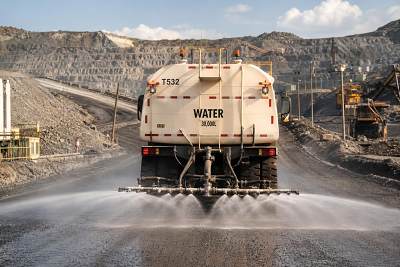
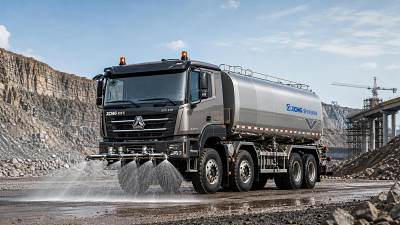
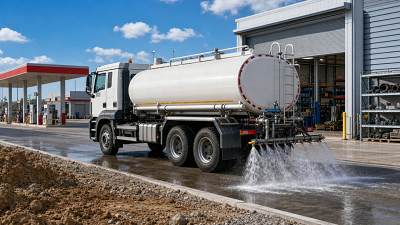
A water sprinkler truck is not only a vehicle purchase. It is a mobile work unit combining chassis, tank, pump, piping, spray nozzles, control systems, and daily operating labor.
For finance teams, the biggest risk is approving a low purchase price while underestimating fuel use, downtime, parts availability, and application mismatch over five to eight years.
- Municipal fleets need predictable daily availability for street washing, dust control, landscaping, and emergency support.
- Construction contractors often prioritize payload, rugged chassis design, and fast refilling between jobsite cycles.
- Mining and quarry operators focus on high-capacity tanks, durable pumps, and lower downtime in dusty conditions.
- Road maintenance teams require flexible spraying patterns, corrosion-resistant piping, and safe operation near traffic.
In 2026, finance approvers should treat every water sprinkler truck quotation as a lifecycle cost proposal, not a standalone product offer.
What Cost Items Should Be Included Before Approval?
The following cost structure helps compare a water sprinkler truck from different suppliers without relying only on the lowest upfront quotation.
A well-priced water sprinkler truck may still become expensive if it lacks suitable pump capacity, after-sales parts access, or chassis strength for the operating environment.
A Practical Formula for Lifecycle Thinking
Finance teams can use a simple total cost of ownership model: acquisition cost plus fuel, maintenance, labor, insurance, financing, downtime, and disposal cost.
For a water sprinkler truck, downtime should be priced carefully because missed watering, dust suppression, or road cleaning tasks may create contract penalties.
How Application Scenarios Change the Cost Structure
The same water sprinkler truck specification can perform differently across municipal, construction, mining, and highway applications. Utilization pattern drives the operating cost curve.
Before approving a water sprinkler truck, match the tank size and chassis class to actual routes, refill points, road grades, and legal weight limits.
Why Utilization Rate Can Decide ROI
A high-capacity water sprinkler truck can reduce refill frequency, but it may cost more in fuel, tires, insurance, and route restrictions.
A smaller unit can lower acquisition cost, yet it may require extra trips, more labor hours, and lower service coverage per shift.
Technical Parameters Finance Teams Should Not Ignore
Technical parameters affect cost directly. A water sprinkler truck with unsuitable pump flow or tank volume can create hidden operational expense.
When comparing suppliers, ask for specification sheets, component lists, maintenance intervals, and spare parts availability for the specific water sprinkler truck configuration.
Buying, Leasing, or Replacing: Which Option Controls Cost Better?
Finance approvers often compare outright purchase, leasing, and fleet replacement. The right choice depends on cash flow, project duration, and residual value risk.
- Purchase suits long-term municipal or mining use where utilization is stable and maintenance capability is available.
- Leasing may fit short construction contracts where demand is temporary and capital budget is limited.
- Replacement can reduce downtime when an older water sprinkler truck has rising fuel, brake, tire, or pump repair costs.
- Refurbishment may be reasonable when the chassis is sound but the tank, pump, or spray system needs renewal.
Key Decision Signals
If repair cost keeps increasing while availability decreases, replacement may be more economical than extending the life of an aging water sprinkler truck.
If the project has uncertain duration, leasing can reduce long-term asset exposure, although monthly cost may be higher than ownership.
Supplier Comparison Checklist for Finance Approval
A water sprinkler truck supplier should be evaluated on more than quotation value. Finance teams need evidence that the unit can operate economically.
- Confirm whether the quoted chassis, tank, pump, and control system match the intended operating region and legal weight limits.
- Request fuel consumption assumptions under realistic duty cycles, not only standard road driving conditions.
- Check maintenance interval recommendations for pump seals, filters, tires, brakes, transmission, and anti-corrosion inspection.
- Review spare parts lead time, export documentation, warranty scope, and technical support channels.
- Compare payment terms, delivery schedule, customization scope, and inspection arrangements before signing the purchase order.
On an international B2B marketplace, transparent supplier comparison reduces procurement uncertainty and supports more disciplined capital approval.
How a Digital Industry Platform Helps
The Global Heavy Truck Industry Platform connects buyers with manufacturers, suppliers, distributors, and product resources across the heavy truck supply chain.
Finance approvers can use the platform to compare water sprinkler truck options, review supplier capabilities, explore related chassis and spare parts, and support cross-border sourcing discussions.
Compliance, Documentation, and Risk Control
Compliance costs are often missed in early budgets. A water sprinkler truck may require emission, safety, import, and road-use documentation.
- Emission compliance should be checked against local regulations, especially for urban sanitation and public infrastructure fleets.
- Gross vehicle weight, axle load, lighting, mirrors, reversing alarms, and safety markings should match local road requirements.
- Export buyers should confirm invoices, packing lists, certificates of origin, inspection documents, and customs requirements.
- For public tenders, specification traceability helps reduce approval disputes and supports transparent procurement records.
Common Risk Points
The most common risk is buying a water sprinkler truck with impressive capacity but insufficient legal payload after water, equipment, and crew are included.
Another risk is ignoring water quality. Recycled or mineral-heavy water may accelerate corrosion, clog nozzles, and increase cleaning frequency.
Cost-Saving Actions That Do Not Reduce Performance
Cost control does not mean buying the cheapest water sprinkler truck. It means matching specification, route, duty cycle, and maintenance capability.
- Choose a tank size based on route analysis rather than assuming the largest tank always lowers cost.
- Specify adjustable spray systems to reduce water waste during street washing, landscaping, and dust suppression.
- Plan preventive maintenance around operating hours, pump workload, and local road conditions.
- Train drivers to reduce harsh braking, excessive idle time, pump misuse, and unsafe spraying practices.
- Track utilization, fuel, water volume, repair events, and downtime to support future replacement decisions.
These actions help finance departments defend budgets with measurable operating data rather than relying on general supplier claims.
FAQ for Finance Approvers
How do I estimate annual operating cost for a water sprinkler truck?
Start with expected operating days, average route distance, idle time, refill cycles, fuel price, maintenance schedule, labor cost, and insurance. Then add downtime allowance.
For better accuracy, compare two or three water sprinkler truck configurations under the same duty cycle instead of comparing only purchase prices.
Is a larger tank always more economical?
Not always. A larger tank reduces refilling frequency, but it may require a heavier chassis, higher fuel consumption, stronger brakes, and higher tire costs.
Finance teams should calculate whether fewer trips compensate for the higher ownership cost of the larger water sprinkler truck.
What should be checked before importing a water sprinkler truck?
Confirm emission level, steering configuration, vehicle dimensions, local road compliance, customs documents, spare parts supply, and warranty support before final payment.
It is also useful to request clear photos, product specifications, delivery timeline, and supplier communication records through a professional B2B platform.
When should an older unit be replaced instead of repaired?
Replacement becomes reasonable when repair cost, fuel consumption, downtime, and safety risk exceed the forecast cost of a newer water sprinkler truck.
Finance approvers should review repair history, pump failures, corrosion, tire replacement frequency, and lost working days during the last two operating seasons.
Why Choose Us for Water Sprinkler Truck Sourcing?
The Global Heavy Truck Industry Platform supports buyers who need structured sourcing, supplier comparison, and clearer cost evaluation for water sprinkler truck procurement.
Through access to commercial vehicle categories, truck chassis resources, complete trucks, construction machinery, trailers, semi-trailers, and spare parts, buyers can compare options in one industry-focused environment.
- Consult us to confirm tank volume, chassis class, pump capacity, spray system layout, and operating scenario fit.
- Request help comparing supplier quotations, delivery schedules, customization scope, and export documentation requirements.
- Discuss certification expectations, local road compliance, emission requirements, and after-sales parts planning before approval.
- Use our industry resources to evaluate water sprinkler truck alternatives for municipal, construction, mining, and road maintenance projects.
If you are preparing a 2026 fleet budget, contact the platform team with your operating route, payload target, application, delivery location, and preferred procurement timeline.
A clearer specification request helps suppliers provide more comparable quotations and helps finance approvers make confident, data-driven water sprinkler truck investment decisions.
Trending News
- CATL Unveils Tianxing II Electric-to-Electric Range-Extended Heavy Truck Solution
- How much torque does a truck engine need for heavy-duty hauling?
- How to assess a crane truck distributor's spare parts support
- Volvo Group Forms Volvo Mining to Integrate Equipment and Autonomous Solutions
- How to verify spare parts availability with a crane truck supplier
Tag
Recommended News
 Transportation CostsWhat drives logging truck cost beyond the base purchase price?Logging truck cost goes far beyond the base price. Explore chassis, cranes, trailers, fuel, compliance, and support factors to make a smarter timber-hauling investment.
 Transportation CostsWhat Drives Water Truck Cost for Construction and Mining Fleets?Water truck cost depends on tank size, chassis, spray system, and lifecycle support. Learn how construction and mining fleets compare quotes and avoid costly spec mistakes.
 Transportation CostsTruck Bulk Transport: Cost, Capacity, and Loading RisksTruck bulk transport explained: compare cost, capacity, and loading risks to choose safer, more efficient equipment and reduce lifecycle expense.
 Transportation CostsContainer Trailer Cost Factors That Affect Total Landed PriceContainer trailer cost goes far beyond the factory quote. Discover the key factors shaping total landed price, from specs and freight to taxes, compliance, and after-sales support.
 Transportation CostsBulldozer Price in 2026: What Changes the Total Cost Beyond the QuoteBulldozer price in 2026 means more than the quoted number. Learn how freight, duties, fuel, maintenance, downtime, and resale shape total ownership cost.
 Transportation CostsWater Truck Cost in 2026: What Drives Price and Lifetime ExpenseWater truck cost in 2026 depends on tank size, chassis, compliance, fuel, and maintenance. Learn what drives price and lifetime ownership expense before you buy.
 Transportation CostsLogging Truck Price in 2026: What Changes Total Ownership Cost?Logging truck price in 2026 is only the starting point. Learn how fuel, maintenance, payload, financing, and resale value shape total ownership cost.
 Transportation Costs2026 Truck Leasing Cost Trends: What to Budget for This YearTruck leasing in 2026 means more than a monthly rate. Learn the key cost trends, hidden budget risks, and smart planning tips to control fleet expenses this year.
 Transportation CostsDump Truck Wholesale Pricing: What Changes Total Fleet CostDump truck wholesale pricing is only the start. Learn how fuel, downtime, parts support, and truck specs shape total fleet cost and smarter sourcing decisions.
 Transportation CostsIndustrial Transportation Cost Drivers in 2026: Fuel, Utilization, and DowntimeIndustrial transportation costs in 2026 are driven by fuel volatility, fleet utilization, and downtime. Learn how to compare suppliers, cut hidden costs, and protect transport margins.
 Transportation CostsContainer Trailer Cost Factors That Affect Total Purchase ValueContainer trailer cost goes beyond the quote. Discover how steel, axles, compliance, shipping, and maintenance shape total purchase value and help you choose smarter.
 Transportation CostsTruck Tipper Price Breakdown: What Drives Total Cost in 2026Truck tipper price in 2026 depends on more than the quote. Discover what drives total cost, hidden fees, specs, compliance, and supplier value before you buy.
 Transportation CostsHeavy Equipment Transport: Key Cost Factors and Route Planning TipsHeavy equipment transport costs depend on size, permits, routing, and timing. Learn practical route planning tips to cut delays, control budgets, and move equipment smarter.
 Transportation CostsCrane Truck Cost Breakdown: Purchase, Setup, and Operating ExpensesCrane truck cost explained from purchase and setup to fuel, maintenance, and downtime. Compare suppliers smarter and plan total ownership costs with confidence.
 Transportation CostsTruck Cement Sourcing: How to Compare Supply Risk and Delivered CostTruck cement sourcing made smarter: learn how to compare supply risk, logistics reliability, and delivered cost to avoid delays, cut hidden expenses, and protect project margins.
 Transportation CostsHeavy Duty Trucks for Sale in Australia: What Impacts Total CostHeavy duty trucks for sale in Australia: discover what really impacts total cost, from fuel and maintenance to compliance, finance, and resale value for smarter buying.
 Transportation CostsHow to Request an Accurate Construction Machinery QuotationConstruction machinery quotation tips for getting accurate, approval-ready pricing. Learn what details to prepare, compare supplier offers, and avoid hidden cost risks.
 Transportation CostsTianjin Port TIR Rates Rise 8% on June 17Tianjin Port TIR rates rise 8% as diesel costs and new BeiDou+GPS tracking rules reshape Central Asia road freight. See what exporters and shippers must adjust now.
 Transportation CostsBulk Cement Trailer Capacity vs Operating Cost ExplainedBulk cement trailer capacity directly affects fuel use, trip frequency, maintenance, and ROI. Learn how to compare sizes, cut operating costs, and choose the best trailer for your routes.
 Transportation CostsWater Truck Cost Breakdown: Purchase, Fuel, and MaintenanceWater truck cost explained from purchase price to fuel, maintenance, downtime, and resale. Compare suppliers smarter and estimate true ownership cost before you buy.
 Transportation CostsLight Commercial Vehicle for Food Delivery: Cost vs RangeLight commercial vehicle for food delivery buyers should weigh cost vs range, downtime, and service support to cut total delivery costs and choose the right fleet fit.
 Transportation CostsConstruction Machinery Cost Breakdown: Purchase, Fuel, and MaintenanceConstruction machinery cost explained through purchase price, fuel use, and maintenance impact. Learn how to compare lifecycle expenses and choose equipment with better long-term value.
 Transportation CostsTIR Digital Clearance Goes Live on China-Kazakhstan-Russia RouteTIR Digital Clearance goes live on the China-Kazakhstan-Russia route, cutting average clearance from 72 to 25 hours. See how e-CMR integration can improve road freight visibility, planning, and delivery control.
![]() Transportation CostsTruck Leasing vs Buying: Which Lowers Fleet Costs in 2026?Truck leasing vs buying in 2026: discover which option lowers fleet costs, protects cash flow, and improves flexibility for smarter fleet budgeting.
Transportation CostsTruck Leasing vs Buying: Which Lowers Fleet Costs in 2026?Truck leasing vs buying in 2026: discover which option lowers fleet costs, protects cash flow, and improves flexibility for smarter fleet budgeting. Transportation CostsTruck Leasing vs Buying: Cost Risks to Check FirstTruck leasing vs buying: uncover hidden cost risks in mileage, maintenance, depreciation, downtime, and contracts before choosing the best fleet strategy.