How to Request an Accurate Construction Machinery Quotation
How can a construction machinery quotation become accurate enough for approval?
A construction machinery quotation is not only a price sheet. It is a cost summary, a risk signal, and a timing reference.
When equipment is sourced across borders, small gaps in freight, specification, or warranty terms can distort the final budget.
That is why an accurate construction machinery quotation matters before any approval moves forward.
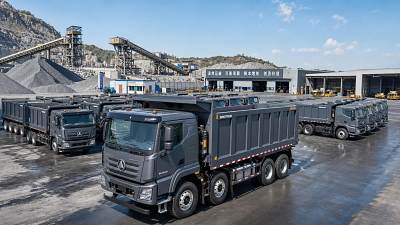
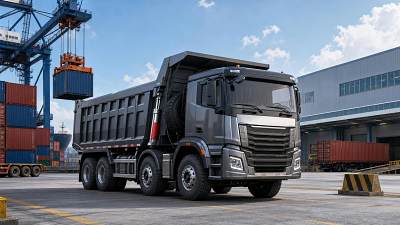
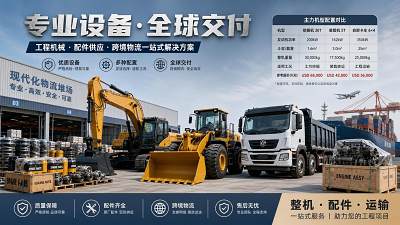
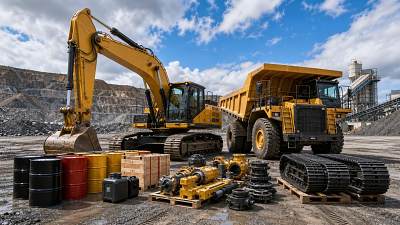
In road transport equipment and heavy machinery markets, quotations often cover excavators, loaders, dump trucks, concrete mixers, and related spare parts.
These machines support logistics corridors, mining routes, municipal works, and infrastructure development, where downtime is expensive.
A reliable quotation should clarify machine configuration, commercial terms, delivery scope, and after-sales support in one place.
In practice, the most common mistake is requesting price too early, before technical and commercial details are aligned.
Platforms focused on heavy trucks and equipment help reduce that problem by making supplier comparison and specification review more transparent.
A global B2B marketplace with brand directories, product listings, and industry insights can make the quotation request more structured from the start.
What details should be prepared before asking for a construction machinery quotation?
The best quotation usually begins with a better brief. If the request is vague, the reply will also be vague.
Suppliers need enough information to price the right machine, not a generic alternative.
- Machine type and intended application, such as earthmoving, aggregate transport, or municipal works.
- Capacity requirements, including bucket size, payload, engine power, or lifting range.
- Preferred brand, acceptable alternatives, and any required certification or emission standard.
- Quantity, target delivery window, destination port, and expected Incoterm.
- Required spare parts package, warranty expectation, and service support availability.
This level of detail turns a simple price request into a useful construction machinery quotation request.
It also makes supplier replies easier to compare on equal terms.
Where a digital heavy equipment platform adds value is speed. Buyers can compare several suppliers without losing specification consistency.
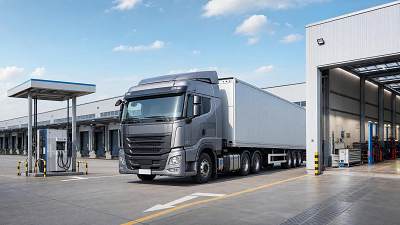
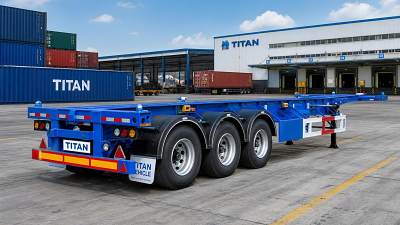
That matters when evaluating both construction machinery and transport-related equipment within one sourcing cycle.
A practical request checklist
Why do two construction machinery quotations for the same machine look different?
This is one of the most searched questions for a reason. The machine may look identical, but the quotation scope rarely is.
One supplier may quote the base unit only. Another may include attachments, pre-delivery inspection, export packing, and documents.
Differences also come from engine standard, tire brand, hydraulic options, and cabin features.
For transport-linked machinery, the shipping route and inland delivery can also change the final number significantly.
A low construction machinery quotation is not automatically the better one. It may simply leave out visible and invisible costs.
A stronger comparison method is to normalize offers line by line and ask suppliers to confirm exclusions in writing.
This is where curated B2B platforms help again. When listings, categories, and supplier profiles are structured, gaps become easier to identify.
What should be compared beyond unit price?
- Configuration parity, especially engine, hydraulics, and attachments.
- Shipping and export terms, including container, RoRo, or break bulk options.
- Parts availability near the operating region.
- Supplier documentation quality and response speed.
- Warranty claim process and technical support language.
When is a quotation accurate enough to support a budget decision?
Accuracy is less about absolute certainty and more about whether key cost drivers are visible and traceable.
A usable construction machinery quotation should show enough detail to estimate total landed cost and early operating cost.
That means looking past the machine price into taxes, freight, commissioning, consumables, and service exposure.
If the equipment will support road construction, mining haul routes, or urban engineering, downtime risk should also be priced mentally.
In many cases, a slightly higher quotation is easier to defend if it reduces startup delays and spare parts uncertainty.
A practical judgment is whether the quotation answers three questions clearly: what is included, when it arrives, and who supports it after delivery.
If any of those answers are missing, the price may still be usable for discussion, but not for confident approval.
A simple review table for approval readiness
Where do quotation risks usually hide?
Most quotation risks do not hide in the headline price. They sit in assumptions.
A construction machinery quotation may look complete while still omitting essential transport, inspection, or compliance details.
One recurring issue is mismatch between the quoted machine and the operating environment.
For example, a machine selected for a hot, dusty mining site may need different filtration and cooling support.
Another risk is short quotation validity during volatile freight or steel pricing cycles.
It is also worth checking whether the supplier has real export experience, not just a competitive catalog price.
- Ask for excluded items, not only included items.
- Confirm whether training, commissioning, or manuals are part of the offer.
- Review whether spare parts lead time matches project continuity needs.
- Check if the supplier profile, product range, and market presence support long-term cooperation.
In actual sourcing work, platforms that combine supplier visibility with market information offer a more reliable starting point than isolated email inquiries.
What is the smartest next step after receiving several quotations?
Do not rush to the cheapest option. Build a short comparison sheet and test each offer against the same decision points.
A useful construction machinery quotation should support both immediate budget control and long-term operating logic.
That is especially true when construction machinery and heavy transport equipment are sourced within the same global supply network.
A professional industry platform can support this step by helping users compare supplier credibility, product breadth, and market context side by side.
The next move is usually simple.
- Refine the requirement list and resend it to shortlisted suppliers.
- Request confirmation of exclusions, delivery lead time, and warranty response scope.
- Estimate landed cost and first-year operating cost together, not separately.
- Use supplier directories, product categories, and market insights to validate the quotation context.
A strong decision rarely comes from price alone. It comes from a quotation that is clear, comparable, and realistic.
If the goal is to reduce budget surprises, start by making every construction machinery quotation request more precise than the last one.
Trending News
- How to compare concrete mixer truck suppliers by total landed cost
- How axle load limits affect low bed trailer exports to Southeast Asia
- How to locate a truck exhaust system leak before replacing parts
- When does heavy equipment transport require a lowboy trailer?
- When does a light commercial vehicle for urban delivery save fleet costs?
Tag
Recommended News
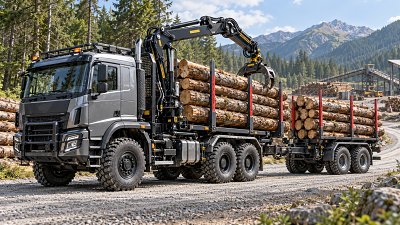
 Transportation CostsWhat drives logging truck cost beyond the base purchase price?Logging truck cost goes far beyond the base price. Explore chassis, cranes, trailers, fuel, compliance, and support factors to make a smarter timber-hauling investment.
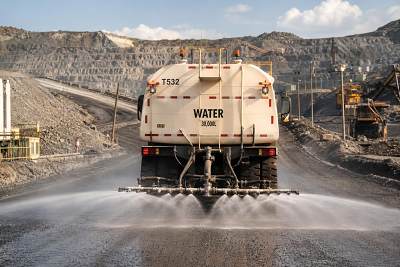
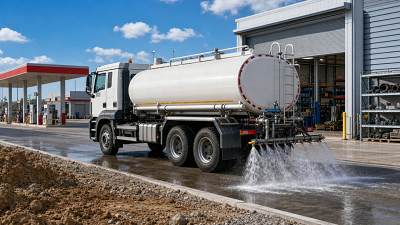
 Transportation CostsWhat Drives Water Truck Cost for Construction and Mining Fleets?Water truck cost depends on tank size, chassis, spray system, and lifecycle support. Learn how construction and mining fleets compare quotes and avoid costly spec mistakes.
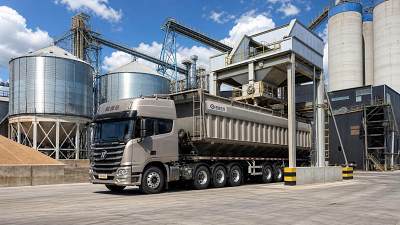
 Transportation CostsTruck Bulk Transport: Cost, Capacity, and Loading RisksTruck bulk transport explained: compare cost, capacity, and loading risks to choose safer, more efficient equipment and reduce lifecycle expense.
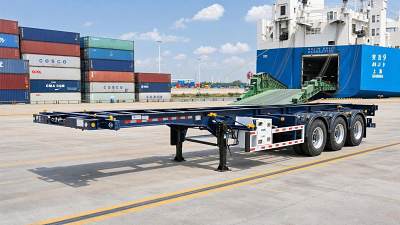
 Transportation CostsContainer Trailer Cost Factors That Affect Total Landed PriceContainer trailer cost goes far beyond the factory quote. Discover the key factors shaping total landed price, from specs and freight to taxes, compliance, and after-sales support.
 Transportation CostsBulldozer Price in 2026: What Changes the Total Cost Beyond the QuoteBulldozer price in 2026 means more than the quoted number. Learn how freight, duties, fuel, maintenance, downtime, and resale shape total ownership cost.
 Transportation CostsWater Truck Cost in 2026: What Drives Price and Lifetime ExpenseWater truck cost in 2026 depends on tank size, chassis, compliance, fuel, and maintenance. Learn what drives price and lifetime ownership expense before you buy.
 Transportation CostsLogging Truck Price in 2026: What Changes Total Ownership Cost?Logging truck price in 2026 is only the starting point. Learn how fuel, maintenance, payload, financing, and resale value shape total ownership cost.
 Transportation Costs2026 Truck Leasing Cost Trends: What to Budget for This YearTruck leasing in 2026 means more than a monthly rate. Learn the key cost trends, hidden budget risks, and smart planning tips to control fleet expenses this year.
 Transportation CostsDump Truck Wholesale Pricing: What Changes Total Fleet CostDump truck wholesale pricing is only the start. Learn how fuel, downtime, parts support, and truck specs shape total fleet cost and smarter sourcing decisions.
 Transportation CostsIndustrial Transportation Cost Drivers in 2026: Fuel, Utilization, and DowntimeIndustrial transportation costs in 2026 are driven by fuel volatility, fleet utilization, and downtime. Learn how to compare suppliers, cut hidden costs, and protect transport margins.
 Transportation CostsContainer Trailer Cost Factors That Affect Total Purchase ValueContainer trailer cost goes beyond the quote. Discover how steel, axles, compliance, shipping, and maintenance shape total purchase value and help you choose smarter.
 Transportation CostsTruck Tipper Price Breakdown: What Drives Total Cost in 2026Truck tipper price in 2026 depends on more than the quote. Discover what drives total cost, hidden fees, specs, compliance, and supplier value before you buy.
 Transportation CostsHeavy Equipment Transport: Key Cost Factors and Route Planning TipsHeavy equipment transport costs depend on size, permits, routing, and timing. Learn practical route planning tips to cut delays, control budgets, and move equipment smarter.
 Transportation CostsCrane Truck Cost Breakdown: Purchase, Setup, and Operating ExpensesCrane truck cost explained from purchase and setup to fuel, maintenance, and downtime. Compare suppliers smarter and plan total ownership costs with confidence.
 Transportation CostsTruck Cement Sourcing: How to Compare Supply Risk and Delivered CostTruck cement sourcing made smarter: learn how to compare supply risk, logistics reliability, and delivered cost to avoid delays, cut hidden expenses, and protect project margins.
 Transportation CostsHeavy Duty Trucks for Sale in Australia: What Impacts Total CostHeavy duty trucks for sale in Australia: discover what really impacts total cost, from fuel and maintenance to compliance, finance, and resale value for smarter buying.
 Transportation CostsHow to Request an Accurate Construction Machinery QuotationConstruction machinery quotation tips for getting accurate, approval-ready pricing. Learn what details to prepare, compare supplier offers, and avoid hidden cost risks.
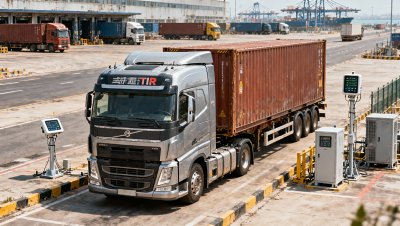
 Transportation CostsTianjin Port TIR Rates Rise 8% on June 17Tianjin Port TIR rates rise 8% as diesel costs and new BeiDou+GPS tracking rules reshape Central Asia road freight. See what exporters and shippers must adjust now.
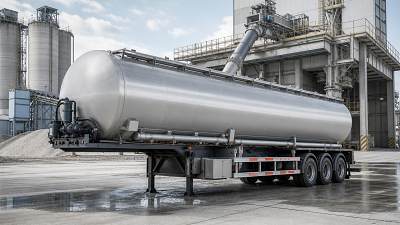
 Transportation CostsBulk Cement Trailer Capacity vs Operating Cost ExplainedBulk cement trailer capacity directly affects fuel use, trip frequency, maintenance, and ROI. Learn how to compare sizes, cut operating costs, and choose the best trailer for your routes.
 Transportation CostsWater Truck Cost Breakdown: Purchase, Fuel, and MaintenanceWater truck cost explained from purchase price to fuel, maintenance, downtime, and resale. Compare suppliers smarter and estimate true ownership cost before you buy.
 Transportation CostsLight Commercial Vehicle for Food Delivery: Cost vs RangeLight commercial vehicle for food delivery buyers should weigh cost vs range, downtime, and service support to cut total delivery costs and choose the right fleet fit.
 Transportation CostsConstruction Machinery Cost Breakdown: Purchase, Fuel, and MaintenanceConstruction machinery cost explained through purchase price, fuel use, and maintenance impact. Learn how to compare lifecycle expenses and choose equipment with better long-term value.
 Transportation CostsTIR Digital Clearance Goes Live on China-Kazakhstan-Russia RouteTIR Digital Clearance goes live on the China-Kazakhstan-Russia route, cutting average clearance from 72 to 25 hours. See how e-CMR integration can improve road freight visibility, planning, and delivery control.
![]() Transportation CostsTruck Leasing vs Buying: Which Lowers Fleet Costs in 2026?Truck leasing vs buying in 2026: discover which option lowers fleet costs, protects cash flow, and improves flexibility for smarter fleet budgeting.
Transportation CostsTruck Leasing vs Buying: Which Lowers Fleet Costs in 2026?Truck leasing vs buying in 2026: discover which option lowers fleet costs, protects cash flow, and improves flexibility for smarter fleet budgeting. Transportation CostsTruck Leasing vs Buying: Cost Risks to Check FirstTruck leasing vs buying: uncover hidden cost risks in mileage, maintenance, depreciation, downtime, and contracts before choosing the best fleet strategy.