Bulk Cement Trailer Capacity vs Operating Cost Explained
Bulk Cement Trailer Capacity vs Operating Cost Explained
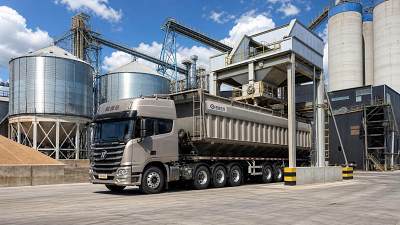
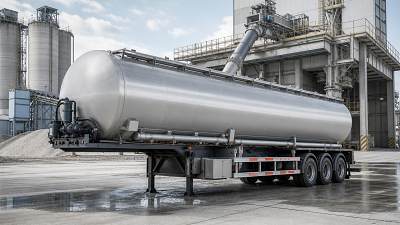
Choosing the right bulk cement trailer is not only about volume. It directly shapes fuel burn, loading speed, maintenance frequency, and total return on investment.
That is why capacity decisions matter far beyond transport planning. A bulk cement trailer influences route economics, driver productivity, unloading time, and asset utilization across the full operating cycle.
In practice, the cheapest trailer on paper is not always the lowest-cost asset. A larger unit may cut trips, while a smaller one may fit roads, payload limits, and customer delivery patterns better.
This guide explains how bulk cement trailer capacity connects with operating cost, where savings usually appear, and what to check before approving a purchase.
Why bulk cement trailer capacity changes total cost
Capacity affects more than carrying volume. It changes the number of trips, axle load distribution, fuel consumption, tire wear, unloading performance, and even scheduling flexibility.
A high-capacity bulk cement trailer can reduce cost per ton when routes are stable and roads allow full loading. Fewer trips often mean lower driver hours and lower dispatch pressure.
However, bigger is not always better. If local payload limits prevent full loading, excess trailer volume becomes unused capital. That weakens utilization and stretches payback.
The main decision is simple. Match the bulk cement trailer to actual transport conditions, not just maximum advertised capacity.
The cost relationship in one sentence
When capacity aligns with legal payload, route distance, discharge requirements, and order size, a bulk cement trailer usually delivers the lowest cost per delivered ton.
The main operating costs to compare
A sound buying decision starts with the right cost structure. Looking only at purchase price can hide the real economics of a bulk cement trailer.
- Fuel cost per trip and per ton delivered
- Driver wages linked to trip count and waiting time
- Tire wear from load, road condition, and axle setup
- Maintenance for the tank body, air compressor, valves, and pipelines
- Depreciation, financing, and residual value
- Downtime cost caused by poor reliability or slow unloading
For many fleets, fuel and utilization are the biggest drivers. Yet maintenance and downtime often decide whether a bulk cement trailer performs well over several years.
A practical comparison approach
Compare trailers using cost per delivered ton, not cost per unit. That method reflects real transport output and makes capacity decisions easier to defend internally.
How larger capacity can reduce cost
A larger bulk cement trailer often improves transport efficiency on long routes and high-volume contracts. The savings usually come from better tonnage per trip.
If one trailer carries more cement legally, fewer trips are needed for the same monthly volume. That lowers fuel use per ton and reduces labor intensity.
It can also free tractors and drivers for other work. In busy seasons, that scheduling advantage may be as valuable as direct fuel savings.
- Lower trips for the same delivery volume
- Lower loading and dispatch frequency
- Better asset productivity on fixed routes
- Potentially lower cost per ton over time
From a budgeting angle, this works best when the trailer regularly runs close to planned capacity. Underused volume quickly erodes the expected advantage.
When bigger capacity raises operating cost
The downside appears when operating conditions do not support a larger bulk cement trailer. This is common in mixed routes, regional roads, and fragmented delivery schedules.
A larger trailer may weigh more, cost more, and consume more fuel when lightly loaded. It may also face turning limitations at plants, warehouses, or construction sites.
More importantly, legal payload limits can block full use of the tank volume. In that case, the buyer pays for capacity that cannot generate revenue.
- Higher upfront cost and financing pressure
- Possible fuel penalties on short routes
- Reduced flexibility in urban or narrow-road operations
- Lower return if average load factor stays weak
This is why operating data matters. Capacity should follow actual shipment patterns, not supplier brochures alone.
Key factors that shape the best bulk cement trailer size
There is no universal best capacity. The right bulk cement trailer depends on a few operating variables that directly influence cost performance.
Route distance
Longer routes usually favor larger capacity. Each additional ton spreads fixed trip costs more efficiently across total delivered volume.
Road and bridge limits
Axle restrictions and road conditions can change the decision completely. A bulk cement trailer with high rated volume may still be limited by local regulations.
Customer order pattern
If customers receive small, frequent orders, oversized trailers may create inefficiency. If orders are large and repetitive, bigger capacity often performs better.
Discharge efficiency
Bulk cement trailer design matters here. Air system quality, tank angle, pipeline layout, and discharge speed all affect unloading cost and site turnaround.
Maintenance support
A technically suitable trailer loses value if parts are hard to source. Local service support should be part of every cost review.
Simple cost comparison table for purchasing decisions
A quick comparison framework helps turn technical discussion into financial logic. The table below can support internal evaluation of bulk cement trailer options.
Questions worth asking suppliers before approval
Good supplier questions often reveal hidden costs early. That makes bulk cement trailer selection less risky and more measurable.
- What is the trailer tare weight under standard configuration?
- What discharge speed can be achieved in normal operating conditions?
- Which components need regular replacement, and at what interval?
- Is local after-sales support available for valves, compressors, and seals?
- How does this bulk cement trailer perform under local payload regulations?
- What resale value is typical after three to five years?
These questions move the conversation from specification sheets to real operating cost. That is usually where the best purchasing decisions are made.
How to make the final bulk cement trailer decision
A practical decision model starts with monthly tonnage, average route length, legal payload, and expected load factor. Then compare at least two capacity options on cost per delivered ton.
Next, add less visible items such as unloading speed, maintenance support, tire life, and downtime risk. These factors often shift the result more than expected.
If operations are stable and high-volume, a larger bulk cement trailer may offer better long-term economics. If delivery patterns vary, a more flexible size may protect utilization better.
The strongest purchase case is not the highest-capacity trailer. It is the bulk cement trailer that fits real routes, real customers, and real cost targets.
For teams comparing global suppliers, the Global Heavy Truck Industry Platform can simplify that process. It helps buyers review heavy transport equipment, compare supplier capabilities, and identify suitable partners for cost-focused procurement.
In the end, better bulk cement trailer purchasing comes from matching capacity with operating reality. When that match is right, cost control, reliability, and long-term value usually follow.
Trending News
- When does heavy equipment transport require a lowboy trailer?
- When does a light commercial vehicle for urban delivery save fleet costs?
- How to choose an off road truck for steep and unstable job sites
- How to match crane truck lifting capacity to your jobsite loads
- What drives logging truck cost beyond the base purchase price?
Tag
Recommended News
 Transportation CostsWhat drives logging truck cost beyond the base purchase price?Logging truck cost goes far beyond the base price. Explore chassis, cranes, trailers, fuel, compliance, and support factors to make a smarter timber-hauling investment.
 Transportation CostsWhat Drives Water Truck Cost for Construction and Mining Fleets?Water truck cost depends on tank size, chassis, spray system, and lifecycle support. Learn how construction and mining fleets compare quotes and avoid costly spec mistakes.
 Transportation CostsTruck Bulk Transport: Cost, Capacity, and Loading RisksTruck bulk transport explained: compare cost, capacity, and loading risks to choose safer, more efficient equipment and reduce lifecycle expense.
 Transportation CostsContainer Trailer Cost Factors That Affect Total Landed PriceContainer trailer cost goes far beyond the factory quote. Discover the key factors shaping total landed price, from specs and freight to taxes, compliance, and after-sales support.
 Transportation CostsBulldozer Price in 2026: What Changes the Total Cost Beyond the QuoteBulldozer price in 2026 means more than the quoted number. Learn how freight, duties, fuel, maintenance, downtime, and resale shape total ownership cost.
 Transportation CostsWater Truck Cost in 2026: What Drives Price and Lifetime ExpenseWater truck cost in 2026 depends on tank size, chassis, compliance, fuel, and maintenance. Learn what drives price and lifetime ownership expense before you buy.
 Transportation CostsLogging Truck Price in 2026: What Changes Total Ownership Cost?Logging truck price in 2026 is only the starting point. Learn how fuel, maintenance, payload, financing, and resale value shape total ownership cost.
 Transportation Costs2026 Truck Leasing Cost Trends: What to Budget for This YearTruck leasing in 2026 means more than a monthly rate. Learn the key cost trends, hidden budget risks, and smart planning tips to control fleet expenses this year.
 Transportation CostsDump Truck Wholesale Pricing: What Changes Total Fleet CostDump truck wholesale pricing is only the start. Learn how fuel, downtime, parts support, and truck specs shape total fleet cost and smarter sourcing decisions.
 Transportation CostsIndustrial Transportation Cost Drivers in 2026: Fuel, Utilization, and DowntimeIndustrial transportation costs in 2026 are driven by fuel volatility, fleet utilization, and downtime. Learn how to compare suppliers, cut hidden costs, and protect transport margins.
 Transportation CostsContainer Trailer Cost Factors That Affect Total Purchase ValueContainer trailer cost goes beyond the quote. Discover how steel, axles, compliance, shipping, and maintenance shape total purchase value and help you choose smarter.
 Transportation CostsTruck Tipper Price Breakdown: What Drives Total Cost in 2026Truck tipper price in 2026 depends on more than the quote. Discover what drives total cost, hidden fees, specs, compliance, and supplier value before you buy.
 Transportation CostsHeavy Equipment Transport: Key Cost Factors and Route Planning TipsHeavy equipment transport costs depend on size, permits, routing, and timing. Learn practical route planning tips to cut delays, control budgets, and move equipment smarter.
 Transportation CostsCrane Truck Cost Breakdown: Purchase, Setup, and Operating ExpensesCrane truck cost explained from purchase and setup to fuel, maintenance, and downtime. Compare suppliers smarter and plan total ownership costs with confidence.
 Transportation CostsTruck Cement Sourcing: How to Compare Supply Risk and Delivered CostTruck cement sourcing made smarter: learn how to compare supply risk, logistics reliability, and delivered cost to avoid delays, cut hidden expenses, and protect project margins.
 Transportation CostsHeavy Duty Trucks for Sale in Australia: What Impacts Total CostHeavy duty trucks for sale in Australia: discover what really impacts total cost, from fuel and maintenance to compliance, finance, and resale value for smarter buying.
 Transportation CostsHow to Request an Accurate Construction Machinery QuotationConstruction machinery quotation tips for getting accurate, approval-ready pricing. Learn what details to prepare, compare supplier offers, and avoid hidden cost risks.
 Transportation CostsTianjin Port TIR Rates Rise 8% on June 17Tianjin Port TIR rates rise 8% as diesel costs and new BeiDou+GPS tracking rules reshape Central Asia road freight. See what exporters and shippers must adjust now.
 Transportation CostsBulk Cement Trailer Capacity vs Operating Cost ExplainedBulk cement trailer capacity directly affects fuel use, trip frequency, maintenance, and ROI. Learn how to compare sizes, cut operating costs, and choose the best trailer for your routes.
 Transportation CostsWater Truck Cost Breakdown: Purchase, Fuel, and MaintenanceWater truck cost explained from purchase price to fuel, maintenance, downtime, and resale. Compare suppliers smarter and estimate true ownership cost before you buy.
 Transportation CostsLight Commercial Vehicle for Food Delivery: Cost vs RangeLight commercial vehicle for food delivery buyers should weigh cost vs range, downtime, and service support to cut total delivery costs and choose the right fleet fit.
 Transportation CostsConstruction Machinery Cost Breakdown: Purchase, Fuel, and MaintenanceConstruction machinery cost explained through purchase price, fuel use, and maintenance impact. Learn how to compare lifecycle expenses and choose equipment with better long-term value.
 Transportation CostsTIR Digital Clearance Goes Live on China-Kazakhstan-Russia RouteTIR Digital Clearance goes live on the China-Kazakhstan-Russia route, cutting average clearance from 72 to 25 hours. See how e-CMR integration can improve road freight visibility, planning, and delivery control.
![]() Transportation CostsTruck Leasing vs Buying: Which Lowers Fleet Costs in 2026?Truck leasing vs buying in 2026: discover which option lowers fleet costs, protects cash flow, and improves flexibility for smarter fleet budgeting.
Transportation CostsTruck Leasing vs Buying: Which Lowers Fleet Costs in 2026?Truck leasing vs buying in 2026: discover which option lowers fleet costs, protects cash flow, and improves flexibility for smarter fleet budgeting. Transportation CostsTruck Leasing vs Buying: Cost Risks to Check FirstTruck leasing vs buying: uncover hidden cost risks in mileage, maintenance, depreciation, downtime, and contracts before choosing the best fleet strategy.