IAA 2026: China Truck Tech Draws EU, US Fleet Interest
The timing of the underlying commercial activity was not specified in the source input, but the latest registration data released by the IAA Transportation 2026 organizer on July 2 points to a clear shift in market attention: the expanded presence of Chinese exhibitors is now closely tied to buyer interest in intelligent heavy-duty truck solutions. For logistics groups, truck technology suppliers, low-carbon powertrain providers, and cross-border commercial teams, this matters because the conversation is no longer limited to product display volume; it is increasingly centered on whether automated driving functions and integrated operating solutions can move into fleet procurement pipelines.
What the latest registration figures confirm
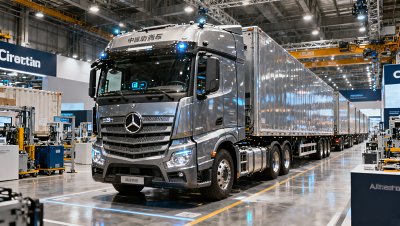
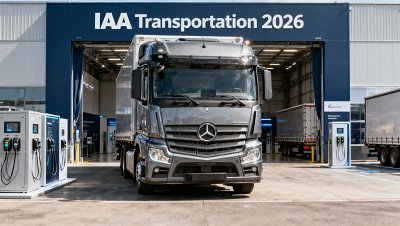
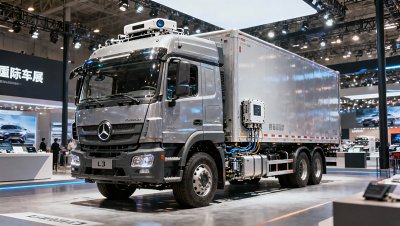
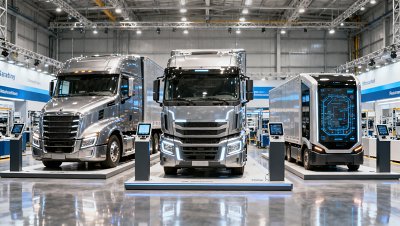
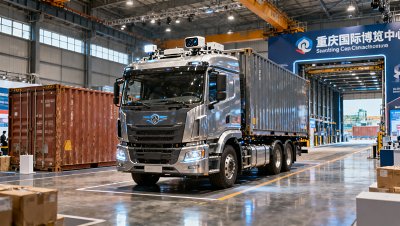
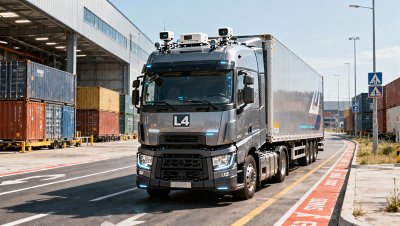
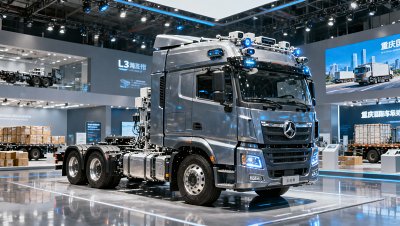
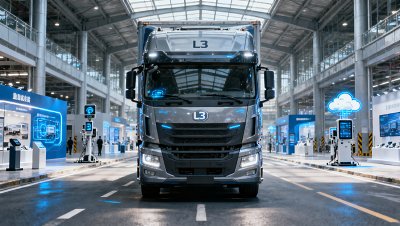
According to the information provided, 187 Chinese companies have registered for IAA Transportation 2026, representing a year-on-year increase of 37%. Among these exhibitors, 72% are showcasing L3 intelligent heavy-duty truck solutions. The organizer also stated that 124 letters of procurement intent have been collected during the event from major European and American logistics groups, including DHL Supply Chain and DB Schenker.
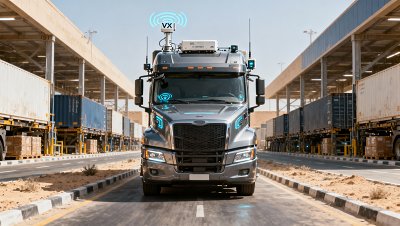
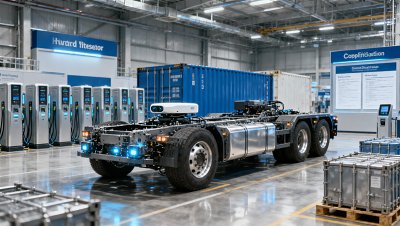
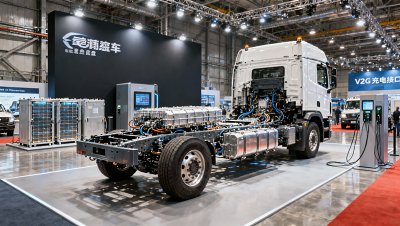
The stated areas of interest are concentrated in three solution directions: autonomous platooning, V2X-enabled remote takeover, and integrated low-carbon powertrain solutions. The average value per procurement intent is reported at more than EUR 8.2 million. These are the confirmed facts available from the input and they define the current scope of the development.
Where the market impact is likely to be felt first
Exhibitors and truck technology manufacturers face a more solution-based buying discussion
From an industry perspective, the increase in Chinese participation and the high share of L3 heavy-duty truck offerings suggest that vehicle and system suppliers may be assessed less on standalone hardware and more on bundled operating capabilities. The business impact is likely to show up in how companies position product portfolios, structure demonstrations, and prepare commercial follow-up with fleet buyers. What deserves closer attention is whether suppliers can present a credible link between automation functions, remote operations capability, and powertrain integration in one purchasing conversation.
Fleet buyers may shift evaluation toward deployment readiness
For logistics groups and fleet procurement teams, the reported intent focus indicates that buyer interest is clustering around use cases that affect route efficiency, supervision models, and emissions-related vehicle strategy. The likely impact is not simply on vehicle sourcing, but on technical evaluation, operational testing criteria, and supplier comparison. Observably, buyers will need to watch how different exhibitors frame platooning, V2X remote takeover, and low-carbon integration as a deployable package rather than as isolated features.
Supply chain and delivery service partners may see new pressure points
Service providers involved in integration, delivery coordination, and after-sales support may also be affected if procurement discussions advance beyond initial interest. Analysis shows that once procurement intent forms around integrated solutions, attention usually shifts to execution details such as technical coordination, documentation consistency, and delivery sequencing. In this case, the most relevant business nodes to monitor are cross-functional handoff between vehicle makers, system suppliers, and fleet-side implementation teams.
What companies should monitor next
Watch the next round of official wording closely
Companies should pay attention to how organizers and participating firms describe these procurement intents in subsequent official updates. The current information confirms interest and stated solution focus, but market participants still need to distinguish between exhibition-stage momentum and later-stage commercial commitment. That distinction matters for sales forecasting, internal planning, and external communication.
Prepare around the three solution areas already named
The most concrete commercial signals in the input are autonomous platooning, V2X remote takeover, and integrated low-carbon powertrains. For relevant suppliers, these are the areas that warrant immediate alignment across product, commercial, and technical teams. The practical issue is not broad strategy language, but whether specifications, proposal materials, and customer-facing explanations are consistent with these three buyer priorities.
Review procurement and delivery readiness before demand hardens
If buyer interest continues, companies may need to tighten internal preparation around supplier qualifications, technical documentation, delivery lead time assumptions, and customer communication. Analysis shows that intent-driven demand can create friction when commercial teams move faster than engineering or supply coordination. Firms exposed to European and American fleet opportunities should therefore review whether their materials and response processes can support more detailed follow-up.
Separate market signal from confirmed order conversion
Another priority is to avoid overstating the commercial outcome. The reported 124 procurement intent letters and the average value above EUR 8.2 million indicate meaningful buyer attention, but they are not the same as disclosed final contracts in the information provided. For management teams and practitioners, the immediate task is to track conversion indicators without treating early-stage demand expression as a completed sales result.
Why this looks more like a directional signal than a finished outcome
Observably, this development says two things at once. First, Chinese participation at IAA Transportation 2026 is expanding in a measurable way. Second, the strongest buyer attention highlighted in the input is concentrated in intelligent heavy-duty truck applications that combine automation and low-carbon integration. That is a notable market signal.
At the same time, it is more appropriate to understand this as an industry direction that still requires verification through later disclosures. The available facts show registration growth, exhibitor technology focus, and procurement intent activity. They do not yet establish how many of those intent letters convert into signed projects, how deployment schedules may develop, or how procurement criteria may evolve after technical review.
How this update should be read for now
On balance, this news is best read as a commercially relevant signal rather than a final market conclusion. The combination of a larger Chinese exhibitor base, a dominant L3 heavy-duty truck display profile, and stronger procurement intent from major European and American logistics groups indicates that intelligent trucking solutions are moving closer to mainstream fleet purchasing discussions. Still, the current stage is defined by expressed intent and focused interest, not by fully confirmed long-term outcomes.
Source note and follow-up points
This article is based on the user-provided news title, event timing note, and event summary. The specific official source link was not provided in the input, so the underlying information still requires continued verification against materials such as organizer announcements, company statements, industry association releases, authoritative media coverage, and relevant standards-related documents where applicable.
For ongoing tracking, the most useful follow-up points are whether additional official disclosures clarify the timing of the commercial activity, whether the reported procurement intents develop into disclosed contracts or implementation programs, and whether the three highlighted solution areas remain the main basis for buyer engagement in subsequent updates.
Trending News
- When does a light commercial vehicle for urban delivery save fleet costs?
- How to choose an off road truck for steep and unstable job sites
- How to match crane truck lifting capacity to your jobsite loads
- What drives logging truck cost beyond the base purchase price?
- How to match lowbed trailer deck height to your hauling equipment
Tag
Recommended News
 Truck Events & ExhibitionsEU to Require Smart Braking and Carbon LabelsEU will require smart braking and carbon labels for heavy trucks and semi-trailers from 2027 Q3. See what exporters must prepare now for type approval, AEBS, and compliance.
 Truck Events & ExhibitionsMENA Pilot Opens Smart Truck Approval PathMENA Pilot Opens Smart Truck Approval Path: explore how the new GCC+ MENA framework streamlines smart truck certification for V2X, ADAS L2+, and OTA access across Saudi Arabia, the UAE, and Egypt.
 Truck Events & ExhibitionsIAA Transportation 2026 Adds China New Energy Truck PavilionIAA Transportation 2026 adds a China New Energy Truck Pavilion, spotlighting certified EV truck makers and suppliers. Discover who qualifies, why EU compliance matters, and what buyers should watch.
 Truck Events & ExhibitionsIAA 2026 Preview: China EV Truck Entries Jump 42%IAA 2026 Preview reveals China EV truck entries jumping 42%, highlighting battery-swapping, hydrogen, and multi-energy chassis trends shaping compliance, sourcing, and market access.
 Truck Events & ExhibitionsIAA 2026: China Truck Tech Draws EU, US Fleet InterestIAA 2026 highlights rising EU and US fleet interest in China truck tech, from L3 intelligent heavy-duty trucks to low-carbon powertrains. See what this means for fleet procurement.
 Truck Events & ExhibitionsIAA 2026 Registration Signals New Compliance FocusIAA 2026 Registration highlights a new compliance focus in heavy truck markets, from certified supplier visibility to zero-emission and autonomous systems. Explore what it means for exporters and buyers.
 Truck Events & ExhibitionsIAA Transportation 2026 Extends Deadline to July 10IAA Transportation 2026 extends its deadline to July 10, giving exhibitors extra time while adding a new tech matchmaking zone for new energy trucks, buyers, and suppliers.
 Truck Events & ExhibitionsIAA 2026 China Group Deadline Extended to July 15IAA 2026 China Group Deadline Extended to July 15: discover why only 11 booths remain and how UN ECE R100.03 and ISO 26262 readiness could shape exhibitor access.
 Truck Events & ExhibitionsIAA 2026 Opens Registration as China NEV Commercial Vehicle Zone Grows 50%IAA 2026 opens registration as the China NEV commercial vehicle zone expands 50%. Explore buyer matchmaking, EV truck trends, and what global buyers and exhibitors should prepare now.
 Truck Events & ExhibitionsShanghai Show Highlights Export-Ready EV Truck SystemsShanghai Show Highlights Export-Ready EV Truck Systems as buyers shift toward intelligent e-axles, hydrogen chassis, and V2X diagnostics. See what this means for export compliance, sourcing, and delivery planning.
 Truck Events & ExhibitionsIAA 2026 Extends Registration, Adds China NEV ZoneIAA 2026 extends registration to June 30 and launches a China NEV Zone, spotlighting electric trucks, hydrogen vehicles, smart chassis, and V2X fleet tech for European buyers.
 Truck Events & ExhibitionsIAA Transport Extends China Signup, Adds NEV ZoneIAA Transport extends China signup to June 30 and launches a new NEV Zone. Explore how China NEV commercial vehicle suppliers can connect with European fleets, leasing firms, and Tier 1 partners.
 Truck Events & ExhibitionsALTS 2026 Opens in Shanghai With Multimodal FocusALTS 2026 opens in Shanghai with a multimodal focus, spotlighting TIR-compliant vehicles, cold chain trailers, and hazardous goods transport equipment. Explore the latest cross-border logistics trends.
 Truck Events & ExhibitionsBeijing Supply Chain Expo to Spotlight Smart Auto ChainBeijing Supply Chain Expo puts the smart auto chain in focus, highlighting NEV heavy-truck systems, automotive chips, domain controllers, and cross-border logistics opportunities.
 Truck Events & ExhibitionsThailand Industry Expo Highlights China’s E-TrucksThailand Industry Expo highlights China’s e-trucks with battery-swapping, hydrogen models, and smart dispatch systems—see why Southeast Asia buyers are placing trial orders.
 Truck Events & ExhibitionsChongqing Auto Show Puts L3 Truck Controllers in Export FocusChongqing Auto Show spotlights L3 truck controllers for export, with strong interest in domain controllers, drive-by-wire modules, and VLA kits across Europe and the Middle East.
 Truck Events & ExhibitionsLangfang Expo Signals New Export Matching for Smart TransportLangfang Expo Signals New Export Matching for Smart Transport, highlighting export-ready road transport equipment, B2B buyer matching, and compliance-focused opportunities for global procurement teams.
 Truck Events & ExhibitionsChongqing Auto AI Expo Puts Autonomous Trucks at CenterAutonomous trucks take the spotlight at the Chongqing Auto AI Expo as export-focused smart heavy truck solutions attract buyers from 32 countries. Explore market signals, cross-border deployment trends, and global logistics opportunities.
 Truck Events & ExhibitionsChongqing FATE 2026 Highlights AI Truck ComplianceChongqing FATE 2026 highlights AI truck compliance, showing how autonomous heavy truck makers, exporters, and buyers can prepare for EU, Middle East, and Latin America market entry.
 Truck Events & ExhibitionsChongqing Auto AI Expo Puts Focus on Autonomous TrucksAutonomous trucks take center stage at the Chongqing Auto AI Expo. Explore L3 commercialization, overseas distribution, compliance risks, and what it means for buyers and suppliers.
 Truck Events & ExhibitionsChongqing Auto AI Expo Opens With Focus on Autonomous TrucksChongqing Auto AI Expo spotlights autonomous trucks with L3 long-haul logistics solutions, vehicle-road-cloud systems, and compliance insights—see what it means for buyers and operators.
 Truck Events & ExhibitionsWIFFA Expo 2026 Booth Deadline Signals Compliance FocusWIFFA Expo 2026 booth deadline highlights a growing compliance focus in new-energy truck markets, with EU and Southeast Asia matchmaking shaping sourcing, certification, and trade-readiness decisions.
 Truck Events & ExhibitionsSmart New-Energy Chassis Draw Buying Interest at Turkey ExpoSmart new-energy chassis drew strong buying interest at Turkey Expo, with 210+ intention orders highlighting demand for V2X, steer-by-wire, and battery-swap heavy truck platforms.
 Truck Events & ExhibitionsChinese Firms Showcase Smart Equipment at Türkiye FairChinese firms showcase smart equipment at Türkiye Fair, highlighting modular electric truck chassis, CE certification progress, and localized service—key signals shaping cross-border procurement.
 Truck Events & ExhibitionsWBX Shanghai Ends With Focus on Wind Cargo VehiclesWBX Shanghai highlights rising demand for wind cargo vehicles, modular mining chassis, and special semi-trailers. See what this means for 2026–2027 sourcing, logistics planning, and export opportunities.