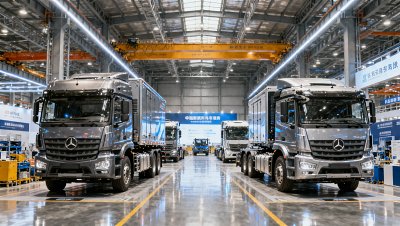
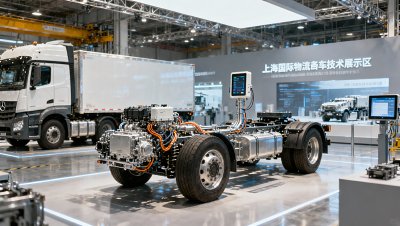
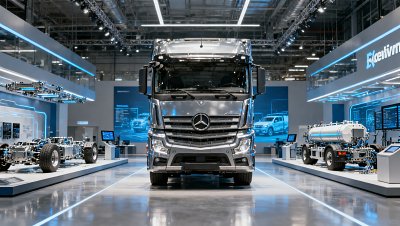
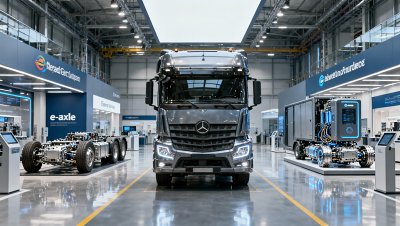
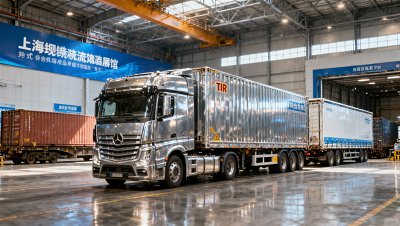
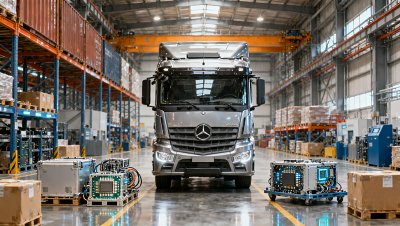
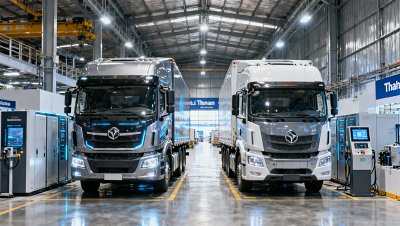
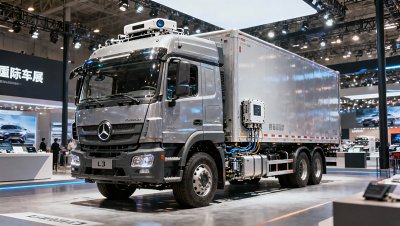
Guangzhou Logistics Expo Highlights AI and Low-Altitude Delivery
Opened on June 3, 2026, the LET Guangzhou exhibition has drawn industry attention not only because of new logistics equipment on display, but also because it signals a practical shift in procurement criteria toward interface compatibility, coordinated control, and deliverable compliance in smart transport systems. With solutions presented around AI warehouse scheduling, low-altitude drone coordination, and intelligent towing control systems, the event matters to equipment suppliers, system integrators, fleet operators, procurement teams, and after-sales service providers that now need to pay closer attention to standard alignment, retrofit readiness, and cross-system delivery capability.
What the exhibition confirmed this week
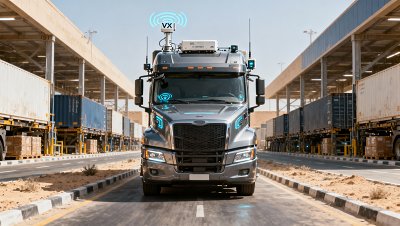
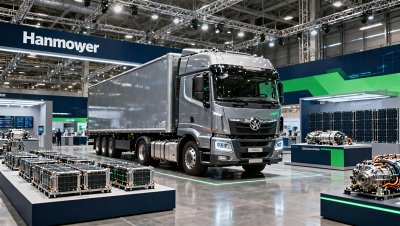
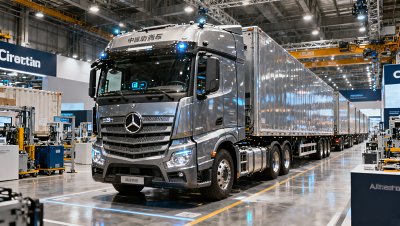
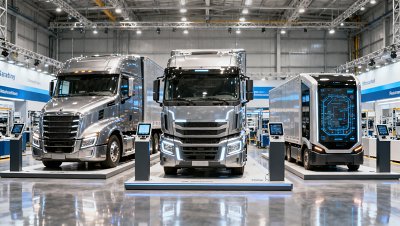
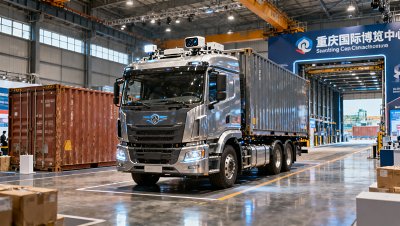
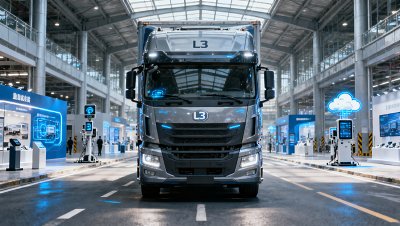
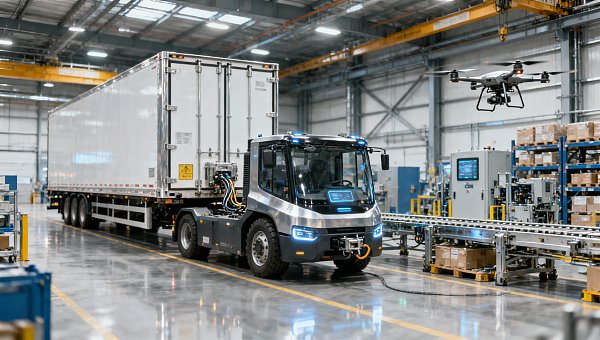
According to the provided event information, the LET Guangzhou exhibition is being held from June 3 to June 5. Its focus includes AI-based warehouse scheduling, coordinated low-altitude logistics drones, and intelligent control systems for towing vehicles.
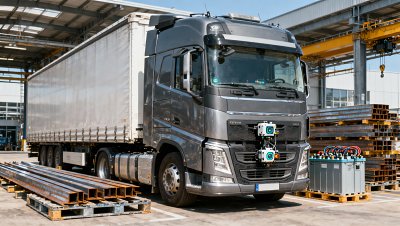
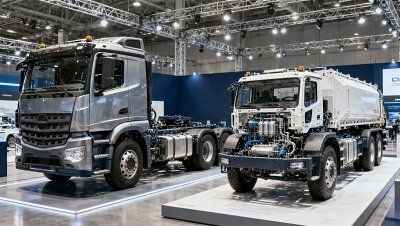
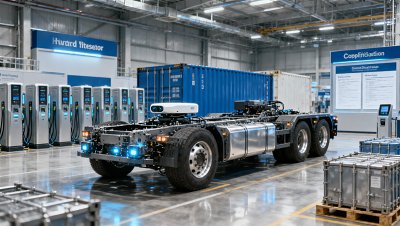
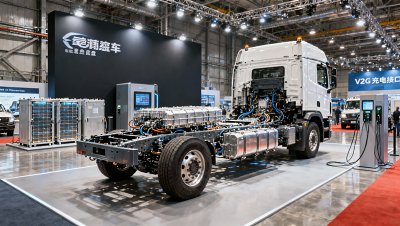
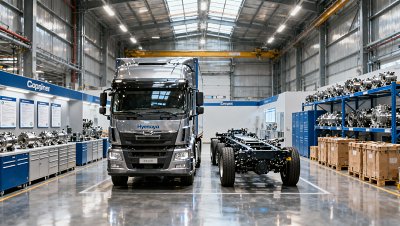
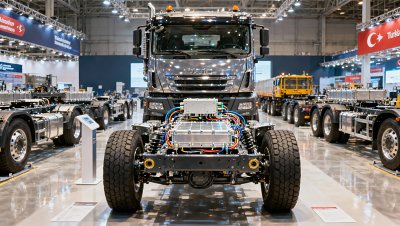
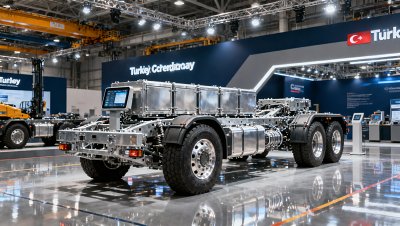
The event has attracted more than 200 logistics integrators and fleet operators from around the world. The provided summary also states that multiple solutions on display have already been adapted to heavy-truck chassis retrofit requirements and smart trailer interface standards.
The same information indicates that overseas system integrators and large fleet customers can use the exhibition to assess the latest delivery capability of Chinese suppliers in coordinated control for intelligent transport equipment.
Why interface standards are becoming a purchasing filter
For equipment manufacturers and retrofit suppliers
From an industry perspective, suppliers connected to heavy-truck modification and trailer-side equipment may be affected because procurement is no longer centered only on standalone hardware performance. What deserves closer attention is whether a product can align with chassis retrofit conditions and smart trailer interfaces already referenced in the market. The practical impact is likely to appear in technical documentation, interface descriptions, bid specifications, and delivery acceptance requirements.
For system integrators building multi-device solutions
System integrators may face greater pressure at the system-coordination stage. Where AI scheduling, drone collaboration, towing control, and trailer interfaces need to work together, compatibility becomes part of commercial qualification rather than a secondary engineering issue. This can affect supplier selection, technical bid alignment, testing arrangements, and project handover terms. Companies in this position should pay attention to whether solution providers can present complete integration documents, test records, and interface consistency materials.
For fleet operators and procurement teams
For fleet buyers, the exhibition suggests that purchasing decisions may increasingly be tied to verifiable deployment readiness. Analysis shows that buyers evaluating Chinese suppliers in intelligent transport equipment will likely compare not just unit price or feature lists, but also retrofit adaptability, interface standard matching, and the supplier's ability to support coordinated operation after delivery. This affects procurement planning, acceptance criteria, maintenance preparation, and service-level commitments.
For service, inspection, and support functions
After-sales providers, technical support teams, and any compliance-related service participants may also be indirectly affected. As more solutions emphasize coordinated control across devices and platforms, fault tracing, maintenance records, interface verification, and technical responsibility boundaries can become more important in delivery and post-delivery execution. Even where no new formal rule has been cited in the event summary, the market signal points to stricter practical expectations around traceability and service response.
What companies should review now
Check whether interface claims are supported by documents
Companies presenting smart transport or retrofit-ready solutions should review whether their claims on chassis adaptation and trailer interface compatibility are backed by clear technical files. If buyers begin using compatibility as a screening condition, incomplete documentation may become a procurement barrier even before product testing starts.
Revisit bid materials and delivery checklists
Where projects involve AI scheduling, drone coordination, or intelligent towing control, enterprises should pay attention to whether tender files and customer specifications are starting to request more detailed interface descriptions, control logic explanations, or acceptance conditions. The event summary does not confirm a unified execution rule, so this should be treated as a monitoring point rather than an established requirement across all projects.
Prepare for closer scrutiny from overseas buyers
The provided information specifically notes that overseas integrators and large fleet customers may use the exhibition to assess Chinese suppliers' delivery capability. Companies seeking export or cross-border project opportunities should therefore be ready for more detailed reviews of technical consistency, delivery scope, support capability, and quality traceability. This is especially relevant where multiple subsystems must operate together rather than as isolated products.
Watch for changes in compliance interpretation during follow-up deals
Observably, the exhibition serves as a market checkpoint, but not every displayed solution should be understood as having the same compliance status in every project environment. Businesses should continue tracking customer-side qualification language, contract annexes, testing expectations, and any later clarification affecting retrofit, interfaces, or coordinated control requirements.
How this should be read at this stage
Analysis shows that this development is more appropriately understood as an execution signal from the market than as proof of a newly issued formal regulation. The key change reflected here is that standard compatibility and system coordination are moving closer to the center of procurement review. In other words, market participants are not only discussing advanced functions; they are also testing whether suppliers can convert those functions into compliant, integrable, and deliverable solutions.
What deserves closer attention is the combination of international buyer presence and the mention of adaptation to heavy-truck retrofit and smart trailer interface standards. That combination suggests that technical standard alignment is becoming part of supplier credibility in real purchasing conversations. Still, the available information does not establish a new mandatory rule, so the market should avoid overstating the legal effect of the event itself.
A practical signal, not a final rulebook
At this point, the exhibition is best read as evidence that intelligent logistics equipment procurement is paying greater attention to coordinated control, retrofit compatibility, and interface standard readiness. For suppliers, integrators, and fleet buyers, the immediate relevance lies in documentation quality, system integration capability, and delivery preparedness rather than in headline technology claims alone.
It is more appropriate to understand this event as a concrete market indicator with compliance and trade implications, while recognizing that the detailed execution path will still depend on later tender language, project-specific requirements, buyer verification, and follow-up industry feedback.
Basis of this article and what still needs verification
This article is based on the user-provided news title, event date, and event summary. No additional policy number, regulator statement, company disclosure, market data, or external source link was provided in the input.
For events of this kind, relevant source types typically include official event announcements, regulatory releases, trade or customs authority information, industry association updates, standards organization documents, and reporting by authoritative industry media. However, a specific official source link was not provided in the input, so later verification remains necessary.
Further observation should focus on whether follow-up procurement documents, certification interpretations, interface-related technical requirements, buyer qualification criteria, and enterprise delivery practices begin to reflect the same priorities highlighted at the exhibition.
Trending News
- Commercial Vehicle Leaders Hold Firm in Q1–Q3 2026 Automotive Influence Index
- How to choose a refrigerated truck for multi-stop urban deliveries
- Tata Motors Returns to Q2 Profit on Strong Commercial Vehicle Demand
- How to load an excavator onto a lowbed trailer without tipping
- China’s New Energy Heavy Truck Sales Share Exceeds 50% in September 2026
Tag
Recommended News
 Truck Events & ExhibitionsEU to Require Smart Braking and Carbon LabelsEU will require smart braking and carbon labels for heavy trucks and semi-trailers from 2027 Q3. See what exporters must prepare now for type approval, AEBS, and compliance.
 Truck Events & ExhibitionsMENA Pilot Opens Smart Truck Approval PathMENA Pilot Opens Smart Truck Approval Path: explore how the new GCC+ MENA framework streamlines smart truck certification for V2X, ADAS L2+, and OTA access across Saudi Arabia, the UAE, and Egypt.
 Truck Events & ExhibitionsIAA Transportation 2026 Adds China New Energy Truck PavilionIAA Transportation 2026 adds a China New Energy Truck Pavilion, spotlighting certified EV truck makers and suppliers. Discover who qualifies, why EU compliance matters, and what buyers should watch.
 Truck Events & ExhibitionsIAA 2026 Preview: China EV Truck Entries Jump 42%IAA 2026 Preview reveals China EV truck entries jumping 42%, highlighting battery-swapping, hydrogen, and multi-energy chassis trends shaping compliance, sourcing, and market access.
 Truck Events & ExhibitionsIAA 2026: China Truck Tech Draws EU, US Fleet InterestIAA 2026 highlights rising EU and US fleet interest in China truck tech, from L3 intelligent heavy-duty trucks to low-carbon powertrains. See what this means for fleet procurement.
 Truck Events & ExhibitionsIAA 2026 Registration Signals New Compliance FocusIAA 2026 Registration highlights a new compliance focus in heavy truck markets, from certified supplier visibility to zero-emission and autonomous systems. Explore what it means for exporters and buyers.
 Truck Events & ExhibitionsIAA Transportation 2026 Extends Deadline to July 10IAA Transportation 2026 extends its deadline to July 10, giving exhibitors extra time while adding a new tech matchmaking zone for new energy trucks, buyers, and suppliers.
 Truck Events & ExhibitionsIAA 2026 China Group Deadline Extended to July 15IAA 2026 China Group Deadline Extended to July 15: discover why only 11 booths remain and how UN ECE R100.03 and ISO 26262 readiness could shape exhibitor access.
 Truck Events & ExhibitionsIAA 2026 Opens Registration as China NEV Commercial Vehicle Zone Grows 50%IAA 2026 opens registration as the China NEV commercial vehicle zone expands 50%. Explore buyer matchmaking, EV truck trends, and what global buyers and exhibitors should prepare now.
 Truck Events & ExhibitionsShanghai Show Highlights Export-Ready EV Truck SystemsShanghai Show Highlights Export-Ready EV Truck Systems as buyers shift toward intelligent e-axles, hydrogen chassis, and V2X diagnostics. See what this means for export compliance, sourcing, and delivery planning.
 Truck Events & ExhibitionsIAA 2026 Extends Registration, Adds China NEV ZoneIAA 2026 extends registration to June 30 and launches a China NEV Zone, spotlighting electric trucks, hydrogen vehicles, smart chassis, and V2X fleet tech for European buyers.
 Truck Events & ExhibitionsIAA Transport Extends China Signup, Adds NEV ZoneIAA Transport extends China signup to June 30 and launches a new NEV Zone. Explore how China NEV commercial vehicle suppliers can connect with European fleets, leasing firms, and Tier 1 partners.
 Truck Events & ExhibitionsALTS 2026 Opens in Shanghai With Multimodal FocusALTS 2026 opens in Shanghai with a multimodal focus, spotlighting TIR-compliant vehicles, cold chain trailers, and hazardous goods transport equipment. Explore the latest cross-border logistics trends.
 Truck Events & ExhibitionsBeijing Supply Chain Expo to Spotlight Smart Auto ChainBeijing Supply Chain Expo puts the smart auto chain in focus, highlighting NEV heavy-truck systems, automotive chips, domain controllers, and cross-border logistics opportunities.
 Truck Events & ExhibitionsThailand Industry Expo Highlights China’s E-TrucksThailand Industry Expo highlights China’s e-trucks with battery-swapping, hydrogen models, and smart dispatch systems—see why Southeast Asia buyers are placing trial orders.
 Truck Events & ExhibitionsChongqing Auto Show Puts L3 Truck Controllers in Export FocusChongqing Auto Show spotlights L3 truck controllers for export, with strong interest in domain controllers, drive-by-wire modules, and VLA kits across Europe and the Middle East.
 Truck Events & ExhibitionsLangfang Expo Signals New Export Matching for Smart TransportLangfang Expo Signals New Export Matching for Smart Transport, highlighting export-ready road transport equipment, B2B buyer matching, and compliance-focused opportunities for global procurement teams.
 Truck Events & ExhibitionsChongqing Auto AI Expo Puts Autonomous Trucks at CenterAutonomous trucks take the spotlight at the Chongqing Auto AI Expo as export-focused smart heavy truck solutions attract buyers from 32 countries. Explore market signals, cross-border deployment trends, and global logistics opportunities.
 Truck Events & ExhibitionsChongqing FATE 2026 Highlights AI Truck ComplianceChongqing FATE 2026 highlights AI truck compliance, showing how autonomous heavy truck makers, exporters, and buyers can prepare for EU, Middle East, and Latin America market entry.
 Truck Events & ExhibitionsChongqing Auto AI Expo Puts Focus on Autonomous TrucksAutonomous trucks take center stage at the Chongqing Auto AI Expo. Explore L3 commercialization, overseas distribution, compliance risks, and what it means for buyers and suppliers.
 Truck Events & ExhibitionsChongqing Auto AI Expo Opens With Focus on Autonomous TrucksChongqing Auto AI Expo spotlights autonomous trucks with L3 long-haul logistics solutions, vehicle-road-cloud systems, and compliance insights—see what it means for buyers and operators.
 Truck Events & ExhibitionsWIFFA Expo 2026 Booth Deadline Signals Compliance FocusWIFFA Expo 2026 booth deadline highlights a growing compliance focus in new-energy truck markets, with EU and Southeast Asia matchmaking shaping sourcing, certification, and trade-readiness decisions.
 Truck Events & ExhibitionsSmart New-Energy Chassis Draw Buying Interest at Turkey ExpoSmart new-energy chassis drew strong buying interest at Turkey Expo, with 210+ intention orders highlighting demand for V2X, steer-by-wire, and battery-swap heavy truck platforms.
 Truck Events & ExhibitionsChinese Firms Showcase Smart Equipment at Türkiye FairChinese firms showcase smart equipment at Türkiye Fair, highlighting modular electric truck chassis, CE certification progress, and localized service—key signals shaping cross-border procurement.
 Truck Events & ExhibitionsWBX Shanghai Ends With Focus on Wind Cargo VehiclesWBX Shanghai highlights rising demand for wind cargo vehicles, modular mining chassis, and special semi-trailers. See what this means for 2026–2027 sourcing, logistics planning, and export opportunities.