ALTS 2026 Opens in Shanghai With Multimodal Focus
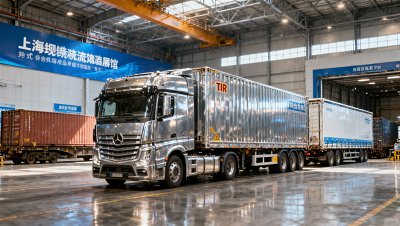
ALTS 2026 opened on June 24 in Shanghai, bringing together logistics and transport equipment companies across sea, land, air, and rail links through June 26. For shippers, carriers, equipment makers, and supply chain service providers, the event is worth watching not only because of its international exhibitor base, but also because its new joint zone for multimodal transport equipment and TIR-compliant vehicles highlights where operational attention is currently concentrating in cross-border, hazardous goods, and cold chain logistics.
What has been confirmed at the show
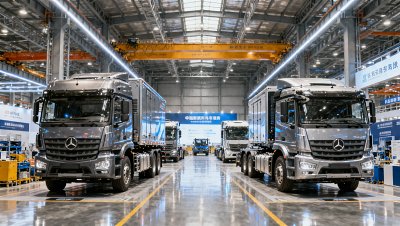
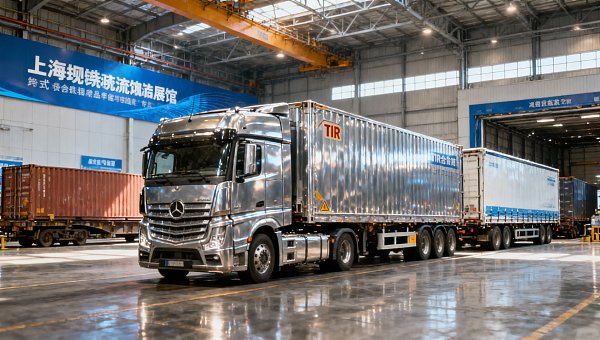
The 2026 Asian Logistics Biennale Transport Show (ALTS) is being held at the Shanghai New International Expo Centre from June 24 to June 26, using halls W1 through W5. According to the event information provided, more than 850 logistics and transport equipment companies from 52 countries are participating, including CIMC, DB Cargo, RTSB, FESCO, and G7, alongside multiple manufacturers of new energy heavy trucks and intelligent trailers.
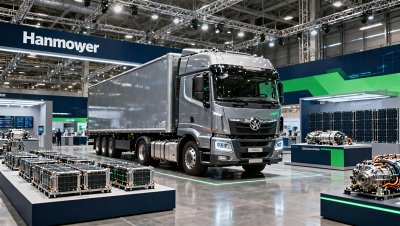
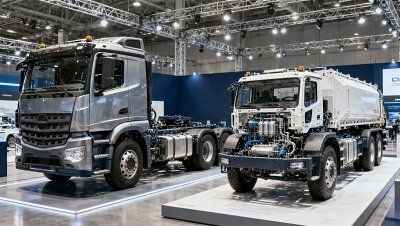
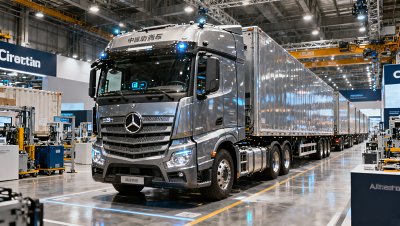
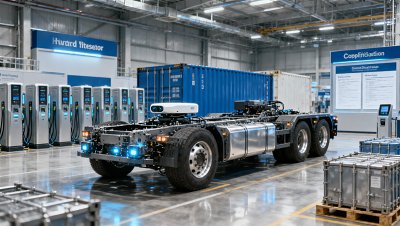
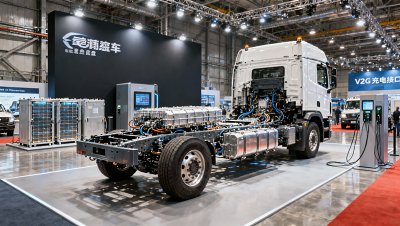
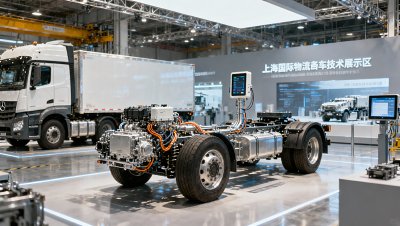
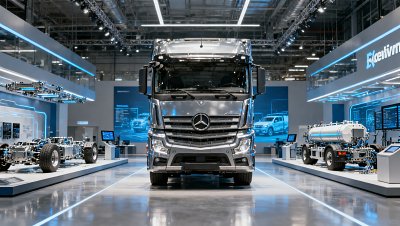
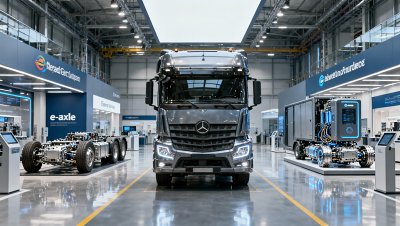
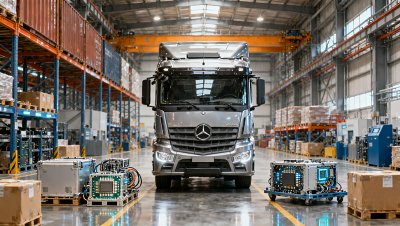
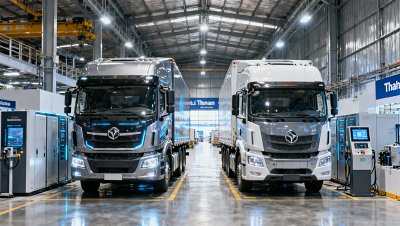
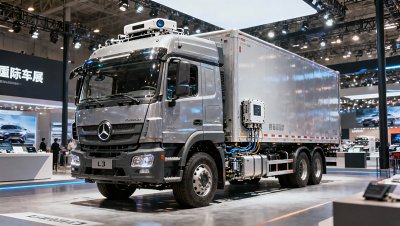
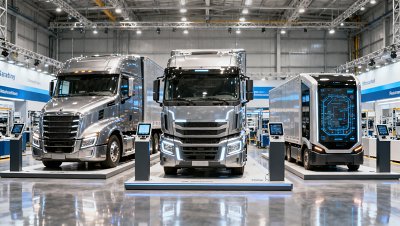
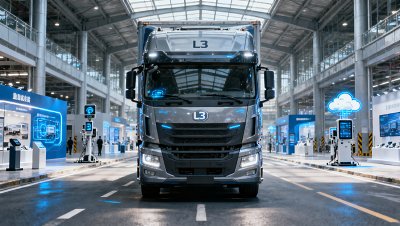
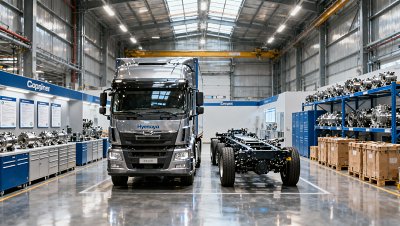
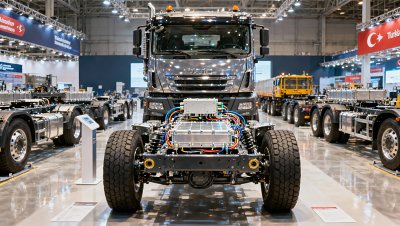
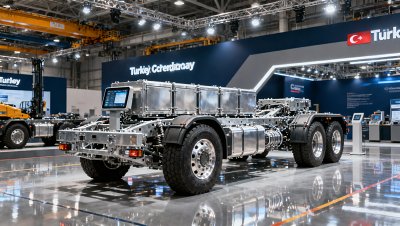
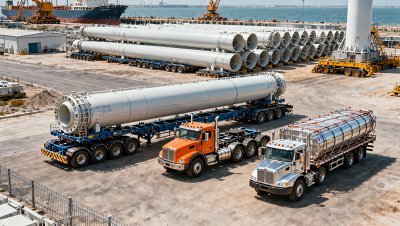
A first-time joint exhibition area for multimodal transport equipment and TIR-compliant vehicles has also been introduced. The highlighted exhibits in that zone include intelligent hazardous chemicals tractors adapted for TIR certificates, battery-swap heavy truck chassis, and cross-border cold chain semi-trailer systems.
Why different parts of the supply chain may be paying attention
Cross-border transport operators are likely to focus on compliance-linked equipment
From an industry perspective, operators involved in international road and multimodal flows may pay close attention to the TIR-compliant vehicle displays because equipment compatibility and compliance documentation can directly affect route design, cargo eligibility, and cross-border operating readiness. What deserves closer attention is whether future procurement and fleet planning begin to place greater weight on vehicle configurations aligned with certificate-based transport requirements.
Hazardous goods and cold chain businesses may look at equipment fit rather than scale alone
For companies handling hazardous chemicals or temperature-sensitive cargo, the signal is less about headline exhibition size and more about the type of equipment being highlighted. Analysis shows that intelligent hazardous chemicals tractors and cross-border cold chain semi-trailer systems point to practical concerns such as safety matching, cross-border operability, and specialized trailer selection in actual service chains.
Equipment manufacturers and service platforms may watch integration demand
Manufacturers of heavy trucks, trailers, and related supply chain platforms may read the show’s structure as a sign that buyers are comparing equipment not in isolation, but in relation to multimodal use cases. Observably, the presence of both transport operators and technology-linked companies suggests that discussions around vehicles, trailers, and fleet or transport management tools are increasingly being framed around combined operating scenarios.
Operational issues companies may want to track next
Watch how official event language develops after the opening
Companies following ALTS 2026 should pay attention to whether subsequent official statements continue to emphasize multimodal transport equipment and TIR-compliant vehicles, because repeated emphasis often matters more in practice than a single exhibition theme on opening day.
Separate displayed technology from immediate deployment conditions
Analysis shows that showcased equipment and actual commercial rollout are not the same thing. Procurement teams and fleet operators may need to distinguish between exhibition-stage product direction and the operational conditions required for real deployment, especially where hazardous cargo, cross-border refrigeration, or certificate-linked vehicle use is involved.
Review supplier qualification and documentation readiness
For businesses considering related equipment categories, a practical near-term focus is supplier qualification, technical documentation, and compliance materials. This is particularly relevant where vehicles are described as adapted for TIR certificates or positioned for specialized cross-border use, since equipment claims and document readiness are separate checkpoints.
Align customer communication with realistic delivery and service expectations
Supply chain service providers and cargo owners may also need to keep communication disciplined when discussing new equipment options with customers. What deserves closer attention is whether equipment shown at the event translates into confirmed delivery cycles, service coverage, and usable operating arrangements, rather than being treated as immediately available capacity.
How this development is best understood for now
As an editorial observation, this news is better understood as a directional industry signal than as proof of completed market change. The opening of a large-scale show with broad exhibitor participation confirms active engagement across logistics and transport equipment segments, while the debut of a joint zone centered on multimodal and TIR-related equipment suggests that cross-border compatibility, specialized vehicle use, and scenario-based fleet design are gaining visibility. That said, the information provided does not by itself establish adoption outcomes, transaction volume, or lasting market shifts.
What the opening day signal adds
The immediate significance of ALTS 2026 lies in the concentration of attention around full-chain transport capacity and equipment coordination across sea, land, air, and rail. In practical terms, it is more appropriate to understand this as an industry watchpoint: a development that may influence sourcing discussions, equipment evaluation, and compliance-focused planning, but that still requires follow-up observation before firmer conclusions are drawn.
Basis of this article and what still needs verification
This article is based on the user-provided news title, event date, and event summary concerning the opening of ALTS 2026 in Shanghai. For this type of industry update, relevant source categories typically include official event announcements, company announcements, industry association information, authoritative media coverage, and standards-related documents. A specific official source link was not provided in the input, so further verification remains necessary. Follow-up attention should focus on subsequent official event statements, exhibitor disclosures, and any clearer indications of how the highlighted equipment categories move from exhibition visibility into operational use.
Trending News
- CATL Unveils Tianxing II Electric-to-Electric Range-Extended Heavy Truck Solution
- How much torque does a truck engine need for heavy-duty hauling?
- How to assess a crane truck distributor's spare parts support
- Volvo Group Forms Volvo Mining to Integrate Equipment and Autonomous Solutions
- How to verify spare parts availability with a crane truck supplier
Tag
Recommended News
 Truck Events & ExhibitionsEU to Require Smart Braking and Carbon LabelsEU will require smart braking and carbon labels for heavy trucks and semi-trailers from 2027 Q3. See what exporters must prepare now for type approval, AEBS, and compliance.
 Truck Events & ExhibitionsMENA Pilot Opens Smart Truck Approval PathMENA Pilot Opens Smart Truck Approval Path: explore how the new GCC+ MENA framework streamlines smart truck certification for V2X, ADAS L2+, and OTA access across Saudi Arabia, the UAE, and Egypt.
 Truck Events & ExhibitionsIAA Transportation 2026 Adds China New Energy Truck PavilionIAA Transportation 2026 adds a China New Energy Truck Pavilion, spotlighting certified EV truck makers and suppliers. Discover who qualifies, why EU compliance matters, and what buyers should watch.
 Truck Events & ExhibitionsIAA 2026 Preview: China EV Truck Entries Jump 42%IAA 2026 Preview reveals China EV truck entries jumping 42%, highlighting battery-swapping, hydrogen, and multi-energy chassis trends shaping compliance, sourcing, and market access.
 Truck Events & ExhibitionsIAA 2026: China Truck Tech Draws EU, US Fleet InterestIAA 2026 highlights rising EU and US fleet interest in China truck tech, from L3 intelligent heavy-duty trucks to low-carbon powertrains. See what this means for fleet procurement.
 Truck Events & ExhibitionsIAA 2026 Registration Signals New Compliance FocusIAA 2026 Registration highlights a new compliance focus in heavy truck markets, from certified supplier visibility to zero-emission and autonomous systems. Explore what it means for exporters and buyers.
 Truck Events & ExhibitionsIAA Transportation 2026 Extends Deadline to July 10IAA Transportation 2026 extends its deadline to July 10, giving exhibitors extra time while adding a new tech matchmaking zone for new energy trucks, buyers, and suppliers.
 Truck Events & ExhibitionsIAA 2026 China Group Deadline Extended to July 15IAA 2026 China Group Deadline Extended to July 15: discover why only 11 booths remain and how UN ECE R100.03 and ISO 26262 readiness could shape exhibitor access.
 Truck Events & ExhibitionsIAA 2026 Opens Registration as China NEV Commercial Vehicle Zone Grows 50%IAA 2026 opens registration as the China NEV commercial vehicle zone expands 50%. Explore buyer matchmaking, EV truck trends, and what global buyers and exhibitors should prepare now.
 Truck Events & ExhibitionsShanghai Show Highlights Export-Ready EV Truck SystemsShanghai Show Highlights Export-Ready EV Truck Systems as buyers shift toward intelligent e-axles, hydrogen chassis, and V2X diagnostics. See what this means for export compliance, sourcing, and delivery planning.
 Truck Events & ExhibitionsIAA 2026 Extends Registration, Adds China NEV ZoneIAA 2026 extends registration to June 30 and launches a China NEV Zone, spotlighting electric trucks, hydrogen vehicles, smart chassis, and V2X fleet tech for European buyers.
 Truck Events & ExhibitionsIAA Transport Extends China Signup, Adds NEV ZoneIAA Transport extends China signup to June 30 and launches a new NEV Zone. Explore how China NEV commercial vehicle suppliers can connect with European fleets, leasing firms, and Tier 1 partners.
 Truck Events & ExhibitionsALTS 2026 Opens in Shanghai With Multimodal FocusALTS 2026 opens in Shanghai with a multimodal focus, spotlighting TIR-compliant vehicles, cold chain trailers, and hazardous goods transport equipment. Explore the latest cross-border logistics trends.
 Truck Events & ExhibitionsBeijing Supply Chain Expo to Spotlight Smart Auto ChainBeijing Supply Chain Expo puts the smart auto chain in focus, highlighting NEV heavy-truck systems, automotive chips, domain controllers, and cross-border logistics opportunities.
 Truck Events & ExhibitionsThailand Industry Expo Highlights China’s E-TrucksThailand Industry Expo highlights China’s e-trucks with battery-swapping, hydrogen models, and smart dispatch systems—see why Southeast Asia buyers are placing trial orders.
 Truck Events & ExhibitionsChongqing Auto Show Puts L3 Truck Controllers in Export FocusChongqing Auto Show spotlights L3 truck controllers for export, with strong interest in domain controllers, drive-by-wire modules, and VLA kits across Europe and the Middle East.
 Truck Events & ExhibitionsLangfang Expo Signals New Export Matching for Smart TransportLangfang Expo Signals New Export Matching for Smart Transport, highlighting export-ready road transport equipment, B2B buyer matching, and compliance-focused opportunities for global procurement teams.
 Truck Events & ExhibitionsChongqing Auto AI Expo Puts Autonomous Trucks at CenterAutonomous trucks take the spotlight at the Chongqing Auto AI Expo as export-focused smart heavy truck solutions attract buyers from 32 countries. Explore market signals, cross-border deployment trends, and global logistics opportunities.
 Truck Events & ExhibitionsChongqing FATE 2026 Highlights AI Truck ComplianceChongqing FATE 2026 highlights AI truck compliance, showing how autonomous heavy truck makers, exporters, and buyers can prepare for EU, Middle East, and Latin America market entry.
 Truck Events & ExhibitionsChongqing Auto AI Expo Puts Focus on Autonomous TrucksAutonomous trucks take center stage at the Chongqing Auto AI Expo. Explore L3 commercialization, overseas distribution, compliance risks, and what it means for buyers and suppliers.
 Truck Events & ExhibitionsChongqing Auto AI Expo Opens With Focus on Autonomous TrucksChongqing Auto AI Expo spotlights autonomous trucks with L3 long-haul logistics solutions, vehicle-road-cloud systems, and compliance insights—see what it means for buyers and operators.
 Truck Events & ExhibitionsWIFFA Expo 2026 Booth Deadline Signals Compliance FocusWIFFA Expo 2026 booth deadline highlights a growing compliance focus in new-energy truck markets, with EU and Southeast Asia matchmaking shaping sourcing, certification, and trade-readiness decisions.
 Truck Events & ExhibitionsSmart New-Energy Chassis Draw Buying Interest at Turkey ExpoSmart new-energy chassis drew strong buying interest at Turkey Expo, with 210+ intention orders highlighting demand for V2X, steer-by-wire, and battery-swap heavy truck platforms.
 Truck Events & ExhibitionsChinese Firms Showcase Smart Equipment at Türkiye FairChinese firms showcase smart equipment at Türkiye Fair, highlighting modular electric truck chassis, CE certification progress, and localized service—key signals shaping cross-border procurement.
 Truck Events & ExhibitionsWBX Shanghai Ends With Focus on Wind Cargo VehiclesWBX Shanghai highlights rising demand for wind cargo vehicles, modular mining chassis, and special semi-trailers. See what this means for 2026–2027 sourcing, logistics planning, and export opportunities.