Chinese Firms Showcase Smart Equipment at Türkiye Fair
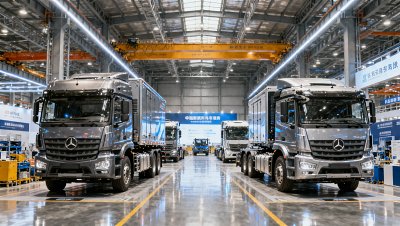
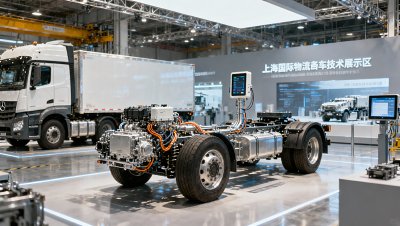
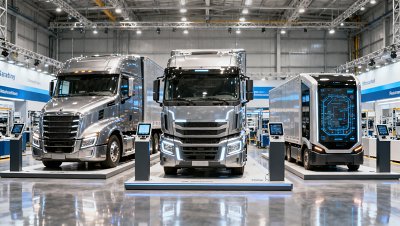
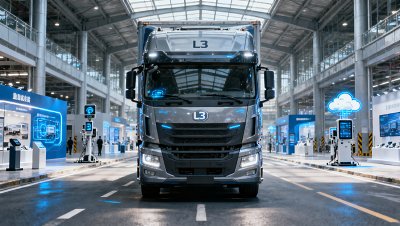
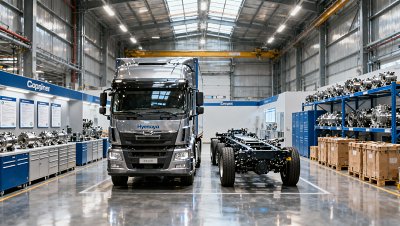
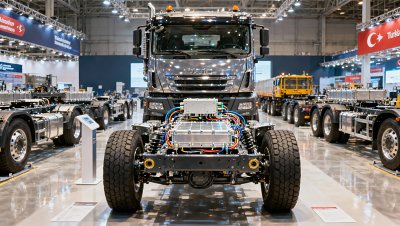
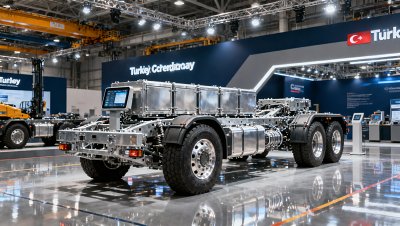
On June 3, 2026, the 18th International Construction Machinery Exhibition in Istanbul highlighted more than product demand: it also brought certification readiness, technical fit, and after-sales compliance to the center of cross-border procurement decisions. Chinese vehicle and parts suppliers presented modular electric heavy-truck chassis, AI-based in-vehicle dispatch terminals, and battery-swap-compatible frames, while buyers from Türkiye, Egypt, and the UAE focused closely on chassis adaptability, CE certification progress, and localized maintenance support. For exporters, buyers, certification-related service providers, and delivery teams, this is worth attention because the transaction discussion is clearly extending beyond price and hardware into market-entry requirements and execution capacity.
What the Istanbul exhibition confirmed
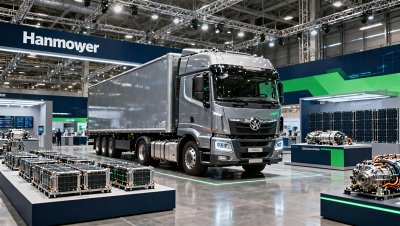
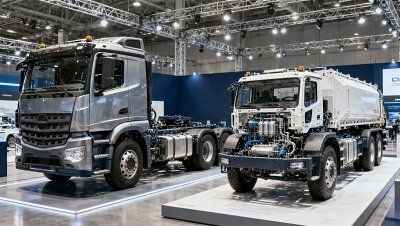
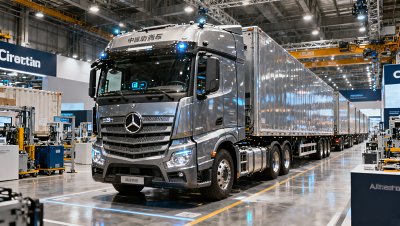
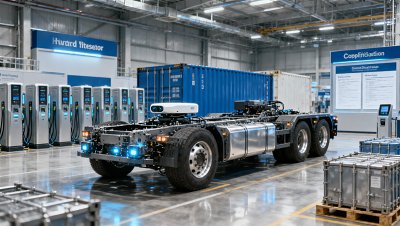
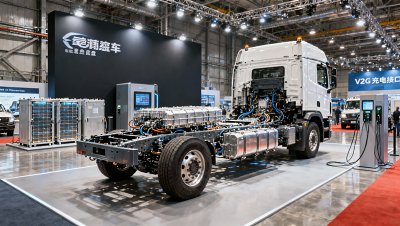
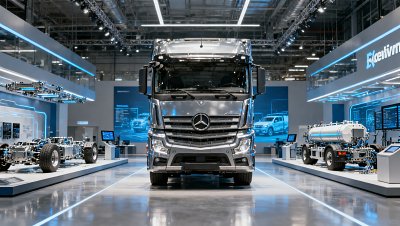
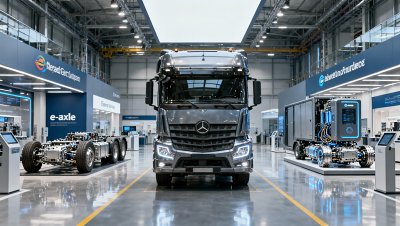
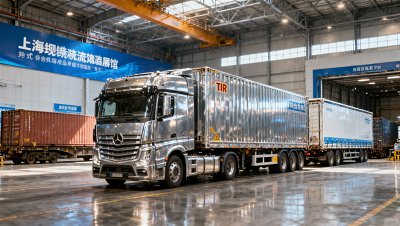
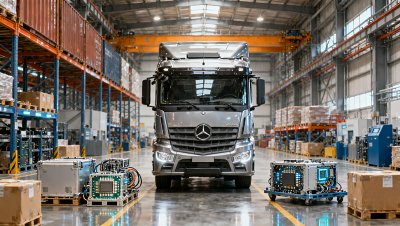
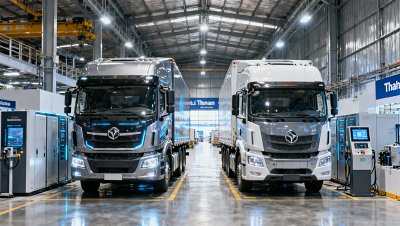
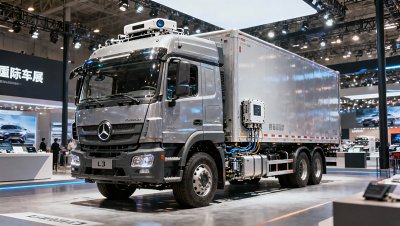
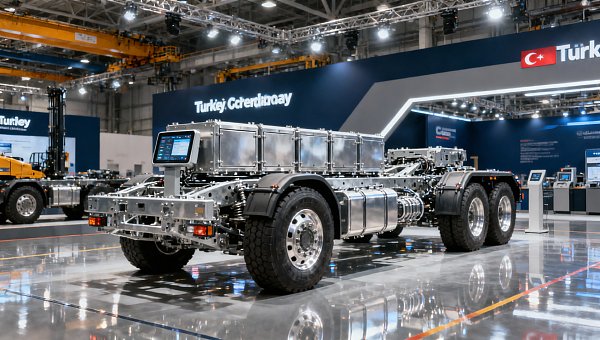
According to the provided event information, the exhibition ran from June 3 to June 6 in Istanbul. More than ten Chinese automakers and parts companies jointly displayed modular electric heavy-truck chassis, AI dispatch vehicle terminals, and battery-swap-compatible frames. During the exhibition, intended orders exceeding US$230 million were reached. Buyers from Türkiye, Egypt, and the UAE paid particular attention to chassis adaptability, the progress of CE certification, and localized maintenance and support plans.
Why procurement signals are shifting toward compliance and execution
Export-facing suppliers are being assessed on more than product specifications
Analysis shows that for exporters of new-energy commercial vehicle platforms and related components, buyer attention is not limited to equipment presentation. Chassis adaptability points to technical matching with local operating needs, while CE certification progress indicates that procurement discussions may increasingly depend on the timing and completeness of conformity-related work. In practice, this can affect quotation credibility, bid preparation, delivery sequencing, and customer acceptance planning.
Buyers are likely to place more weight on certifiable delivery pathways
From an industry perspective, procurement teams in overseas markets may treat certification status and support capability as part of supplier screening rather than as issues to resolve after signing. That means purchase decisions may be influenced by whether suppliers can present clear technical documents, demonstrate how product configuration aligns with use scenarios, and explain how localized maintenance support would be arranged. The immediate impact is likely to be felt in supplier selection, technical review, and contract negotiation.
Certification and service partners may face earlier involvement in projects
Observably, when CE certification progress and local service support become visible buying concerns, testing, certification, documentation, and after-sales support partners may need to engage earlier in the sales cycle. This does not confirm any new formal rule by itself, but it does suggest that market access and delivery assurance are being evaluated together rather than separately.
What companies should track in the next stage
Certification status should be presented with precision
Analysis shows that companies promoting electric heavy-truck chassis and intelligent onboard systems should pay close attention to how certification progress is described in commercial communication. Where execution details are not yet confirmed, firms should avoid presenting certification-related work as complete outcomes and instead keep technical files, test records, and compliance documentation aligned with actual status.
Technical-fit evidence may matter as much as the product itself
What deserves closer attention is the buyer focus on chassis adaptability. Companies may need to prepare more detailed specification alignment materials for procurement discussions, especially where modular platforms or battery-swap-compatible structures are involved. This is less about broad marketing language and more about whether the offered configuration can be matched clearly to purchasing requirements and delivery expectations.
Localized service plans are becoming part of commercial due diligence
From an industry perspective, localized maintenance support is no longer just a post-sale topic. Exporters, distributors, and service partners should closely monitor whether buyers begin to request more explicit service coverage descriptions, response arrangements, spare-parts planning, or quality-traceability documentation during negotiations or tender preparation. The provided information does not confirm a unified execution standard, so this remains an area to watch rather than a settled requirement set.
Order momentum does not remove trade-execution risks
Analysis shows that intended orders are a commercial signal, but they do not by themselves confirm final delivery conditions. Companies should continue tracking whether certification timing, technical clarification, and support commitments affect procurement schedules, supplier qualification checks, or handover expectations in subsequent stages.
How this signal should be read at this stage
Observably, this development is better understood as an execution signal from the market than as proof of a newly published formal rule. The notable point is that buyers are already emphasizing certification progress, adaptability, and local support in parallel. For the industry, that suggests compliance readiness and service capability are moving closer to the front end of export competition. At the same time, the available facts do not establish a new regulatory text, a unified purchasing rule, or a final market standard, so further observation is still necessary.
What the event means for near-term market practice
The event indicates that overseas interest in Chinese smart equipment is being evaluated through a more practical lens: can the product fit local use, can compliance progress be demonstrated, and can support be delivered locally. A neutral reading is that this is not simply a trade-show sales story, but a reminder that certification, technical documentation, and service execution may increasingly shape procurement outcomes. It is more appropriate to understand this as a market-facing compliance and delivery signal that deserves continued tracking.
Basis of this article and what still needs verification
This article is generated based on the user-provided news title, event date, and event summary. For developments of this type, relevant source categories typically include official event announcements, regulatory releases, customs or trade authority information, industry association updates, standards documentation, certification materials, tender documents, and reporting by authoritative media. No specific official source link was provided in the input, so the underlying official references still need to be continuously verified. What also requires follow-up observation includes any later clarification on certification interpretation, procurement document changes, market feedback, and how participating companies translate exhibition interest into compliant delivery and after-sales execution.
Trending News
- XCMG Unveils Cabless L4 Autonomous Electric Yard Truck Concept
- How order size affects wholesale pricing for cement mixer trucks
- Commercial Vehicle Leaders Hold Firm in Q1–Q3 2026 Automotive Influence Index
- How to choose a refrigerated truck for multi-stop urban deliveries
- Tata Motors Returns to Q2 Profit on Strong Commercial Vehicle Demand
Tag
Recommended News
 Truck Events & ExhibitionsEU to Require Smart Braking and Carbon LabelsEU will require smart braking and carbon labels for heavy trucks and semi-trailers from 2027 Q3. See what exporters must prepare now for type approval, AEBS, and compliance.
 Truck Events & ExhibitionsMENA Pilot Opens Smart Truck Approval PathMENA Pilot Opens Smart Truck Approval Path: explore how the new GCC+ MENA framework streamlines smart truck certification for V2X, ADAS L2+, and OTA access across Saudi Arabia, the UAE, and Egypt.
 Truck Events & ExhibitionsIAA Transportation 2026 Adds China New Energy Truck PavilionIAA Transportation 2026 adds a China New Energy Truck Pavilion, spotlighting certified EV truck makers and suppliers. Discover who qualifies, why EU compliance matters, and what buyers should watch.
 Truck Events & ExhibitionsIAA 2026 Preview: China EV Truck Entries Jump 42%IAA 2026 Preview reveals China EV truck entries jumping 42%, highlighting battery-swapping, hydrogen, and multi-energy chassis trends shaping compliance, sourcing, and market access.
 Truck Events & ExhibitionsIAA 2026: China Truck Tech Draws EU, US Fleet InterestIAA 2026 highlights rising EU and US fleet interest in China truck tech, from L3 intelligent heavy-duty trucks to low-carbon powertrains. See what this means for fleet procurement.
 Truck Events & ExhibitionsIAA 2026 Registration Signals New Compliance FocusIAA 2026 Registration highlights a new compliance focus in heavy truck markets, from certified supplier visibility to zero-emission and autonomous systems. Explore what it means for exporters and buyers.
 Truck Events & ExhibitionsIAA Transportation 2026 Extends Deadline to July 10IAA Transportation 2026 extends its deadline to July 10, giving exhibitors extra time while adding a new tech matchmaking zone for new energy trucks, buyers, and suppliers.
 Truck Events & ExhibitionsIAA 2026 China Group Deadline Extended to July 15IAA 2026 China Group Deadline Extended to July 15: discover why only 11 booths remain and how UN ECE R100.03 and ISO 26262 readiness could shape exhibitor access.
 Truck Events & ExhibitionsIAA 2026 Opens Registration as China NEV Commercial Vehicle Zone Grows 50%IAA 2026 opens registration as the China NEV commercial vehicle zone expands 50%. Explore buyer matchmaking, EV truck trends, and what global buyers and exhibitors should prepare now.
 Truck Events & ExhibitionsShanghai Show Highlights Export-Ready EV Truck SystemsShanghai Show Highlights Export-Ready EV Truck Systems as buyers shift toward intelligent e-axles, hydrogen chassis, and V2X diagnostics. See what this means for export compliance, sourcing, and delivery planning.
 Truck Events & ExhibitionsIAA 2026 Extends Registration, Adds China NEV ZoneIAA 2026 extends registration to June 30 and launches a China NEV Zone, spotlighting electric trucks, hydrogen vehicles, smart chassis, and V2X fleet tech for European buyers.
 Truck Events & ExhibitionsIAA Transport Extends China Signup, Adds NEV ZoneIAA Transport extends China signup to June 30 and launches a new NEV Zone. Explore how China NEV commercial vehicle suppliers can connect with European fleets, leasing firms, and Tier 1 partners.
 Truck Events & ExhibitionsALTS 2026 Opens in Shanghai With Multimodal FocusALTS 2026 opens in Shanghai with a multimodal focus, spotlighting TIR-compliant vehicles, cold chain trailers, and hazardous goods transport equipment. Explore the latest cross-border logistics trends.
 Truck Events & ExhibitionsBeijing Supply Chain Expo to Spotlight Smart Auto ChainBeijing Supply Chain Expo puts the smart auto chain in focus, highlighting NEV heavy-truck systems, automotive chips, domain controllers, and cross-border logistics opportunities.
 Truck Events & ExhibitionsThailand Industry Expo Highlights China’s E-TrucksThailand Industry Expo highlights China’s e-trucks with battery-swapping, hydrogen models, and smart dispatch systems—see why Southeast Asia buyers are placing trial orders.
 Truck Events & ExhibitionsChongqing Auto Show Puts L3 Truck Controllers in Export FocusChongqing Auto Show spotlights L3 truck controllers for export, with strong interest in domain controllers, drive-by-wire modules, and VLA kits across Europe and the Middle East.
 Truck Events & ExhibitionsLangfang Expo Signals New Export Matching for Smart TransportLangfang Expo Signals New Export Matching for Smart Transport, highlighting export-ready road transport equipment, B2B buyer matching, and compliance-focused opportunities for global procurement teams.
 Truck Events & ExhibitionsChongqing Auto AI Expo Puts Autonomous Trucks at CenterAutonomous trucks take the spotlight at the Chongqing Auto AI Expo as export-focused smart heavy truck solutions attract buyers from 32 countries. Explore market signals, cross-border deployment trends, and global logistics opportunities.
 Truck Events & ExhibitionsChongqing FATE 2026 Highlights AI Truck ComplianceChongqing FATE 2026 highlights AI truck compliance, showing how autonomous heavy truck makers, exporters, and buyers can prepare for EU, Middle East, and Latin America market entry.
 Truck Events & ExhibitionsChongqing Auto AI Expo Puts Focus on Autonomous TrucksAutonomous trucks take center stage at the Chongqing Auto AI Expo. Explore L3 commercialization, overseas distribution, compliance risks, and what it means for buyers and suppliers.
 Truck Events & ExhibitionsChongqing Auto AI Expo Opens With Focus on Autonomous TrucksChongqing Auto AI Expo spotlights autonomous trucks with L3 long-haul logistics solutions, vehicle-road-cloud systems, and compliance insights—see what it means for buyers and operators.
 Truck Events & ExhibitionsWIFFA Expo 2026 Booth Deadline Signals Compliance FocusWIFFA Expo 2026 booth deadline highlights a growing compliance focus in new-energy truck markets, with EU and Southeast Asia matchmaking shaping sourcing, certification, and trade-readiness decisions.
 Truck Events & ExhibitionsSmart New-Energy Chassis Draw Buying Interest at Turkey ExpoSmart new-energy chassis drew strong buying interest at Turkey Expo, with 210+ intention orders highlighting demand for V2X, steer-by-wire, and battery-swap heavy truck platforms.
 Truck Events & ExhibitionsChinese Firms Showcase Smart Equipment at Türkiye FairChinese firms showcase smart equipment at Türkiye Fair, highlighting modular electric truck chassis, CE certification progress, and localized service—key signals shaping cross-border procurement.
 Truck Events & ExhibitionsWBX Shanghai Ends With Focus on Wind Cargo VehiclesWBX Shanghai highlights rising demand for wind cargo vehicles, modular mining chassis, and special semi-trailers. See what this means for 2026–2027 sourcing, logistics planning, and export opportunities.