China CV Exports Rise as E-Truck Demand Expands
The timing of the event is not specified in the source input, but the latest Ministry of Commerce figures point to a notable shift in export execution for China’s commercial vehicle sector. Beyond the headline growth, the more relevant industry signal is that infrastructure tenders, mining upgrades, and port electrification policies in parts of Latin America and Southeast Asia are translating into batch procurement, especially for electric heavy trucks. That has implications not only for exporters, but also for procurement teams, certification and testing support providers, delivery planners, and after-sales service networks that must align with local market requirements and longer-term operating commitments.
What the reported export data confirms
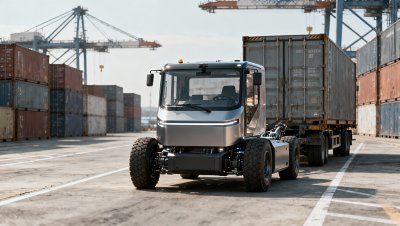
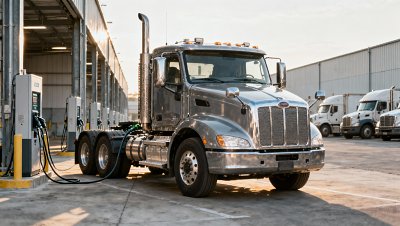
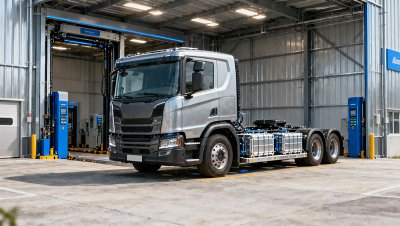
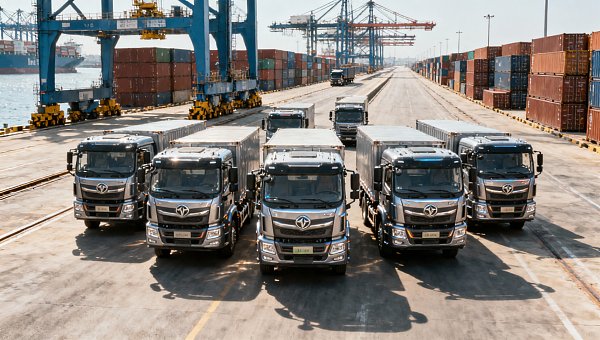
According to the information provided, China exported 327,900 commercial vehicles in the first four months of 2026, up 50.28% year on year. Within that total, electric heavy truck exports increased by 127%.
The main incremental demand came from Chile, Mexico, Vietnam, and Indonesia. The summary also states that local infrastructure tender activity, mining upgrades, and port electrification policies were the direct drivers behind batch purchasing in those markets.
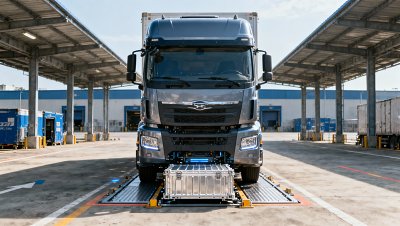
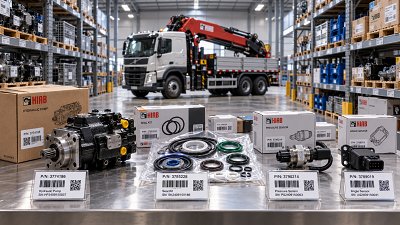
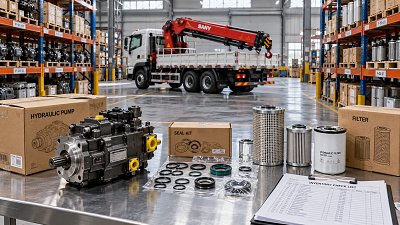
It is also confirmed that multiple Chinese vehicle manufacturers have already established local after-sales parts centers and battery service networks to support the stability of long-term cooperation.
Why procurement and delivery requirements may tighten
Export execution is becoming more project-linked
From an industry perspective, batch purchases tied to infrastructure, mining, and port programs usually place greater weight on technical alignment, document readiness, and delivery reliability. For export companies, the practical impact may appear in bid response preparation, technical file matching, delivery scheduling, and post-delivery service commitments.
Electric heavy trucks bring more compliance checkpoints
Analysis shows that when electric heavy trucks become a faster-growing export category, compliance work is likely to extend beyond the vehicle itself and into battery servicing, maintenance capability, and operating support. Certification-related firms, testing service providers, and technical documentation teams may therefore face higher demand for localized evidence, operating data support, and clearer traceability in service arrangements.
Local service capacity becomes part of trade competitiveness
Observably, the establishment of local parts centers and battery service networks suggests that market access and customer confidence are increasingly linked to service assurance rather than shipment alone. For supply chain service providers and after-sales operators, the pressure point may shift toward spare parts availability, warranty handling, service response processes, and continuity of support after vehicle delivery.
What companies should watch in the next phase
Check tender and technical documentation closely
What deserves closer attention is whether procurement driven by infrastructure, mining, or port programs carries more detailed technical bid conditions, service requirements, or documentation thresholds. Companies involved in exports and supply support should track how tender documents define technical specifications, support capability, and delivery obligations.
Prepare for closer review of service and battery support
Analysis shows that the presence of local battery service networks may become a practical expectation in some transactions rather than an optional commercial add-on. Exporters and service partners should therefore pay attention to how service scope, maintenance arrangements, and quality traceability are described in contract files and operating documents.
Monitor market-specific compliance interpretation
The provided information does not include detailed enforcement rules, certification pathways, or official implementation notices. For that reason, companies should treat current developments as a signal to monitor local compliance interpretation, product acceptance requirements, and any market-specific review standards that may affect customs clearance, procurement qualification, or project delivery.
Align supply planning with batch order characteristics
Where purchases are linked to public works, mining upgrades, or port electrification programs, delivery timing and supplier qualification can become more sensitive. Manufacturers, exporters, and supply chain coordinators should pay attention to lead times, document completeness, spare-parts readiness, and the ability to support stable operation after handover.
How this signal should be read for now
In analytical terms, this update is more than a simple export growth story. It suggests that policy-driven purchasing scenarios in overseas markets are creating a more structured demand environment for Chinese commercial vehicles, especially electric heavy trucks. At the same time, it is more appropriate to understand this as an execution signal rather than proof that all related rules have fully stabilized.
Observably, the combination of batch procurement and local service deployment points to a trade model in which compliance readiness, after-sales capability, and delivery discipline matter more. However, the input does not provide detailed regulatory texts, certification notices, or uniform procurement standards, so further market-by-market observation remains necessary.
A practical reading for the sector
The current information supports a cautious conclusion: demand growth is being reinforced by policy-linked procurement scenarios, and that changes how exporters and support providers need to prepare for market entry and delivery. For industry participants, the key issue is not only sales volume, but whether documentation, service infrastructure, and execution capacity can match the requirements implied by those orders.
It is more appropriate to understand this development as a clear market signal with compliance and delivery implications, while continuing to watch for more specific rule interpretation, tender wording changes, and feedback from actual project execution.
Basis of this article and what still needs verification
This article is generated from the user-provided news title, event timing, and event summary. The specific official source link was not provided in the input, so the underlying release and any related official wording still need continued verification.
For this type of development, relevant source categories usually include official notices, trade or customs authority releases, industry association updates, standard-setting documents, tender materials, and reporting by authoritative media. What still requires observation includes detailed policy interpretation, certification enforcement approaches, changes in tender documentation, market feedback, and how companies implement service and delivery commitments in practice.
Trending News
- XCMG Unveils Cabless L4 Autonomous Electric Yard Truck Concept
- How order size affects wholesale pricing for cement mixer trucks
- Commercial Vehicle Leaders Hold Firm in Q1–Q3 2026 Automotive Influence Index
- How to choose a refrigerated truck for multi-stop urban deliveries
- Tata Motors Returns to Q2 Profit on Strong Commercial Vehicle Demand
Tag
Recommended News
 Autonomous TrucksXCMG Unveils Cabless L4 Autonomous Electric Yard Truck ConceptExplore XCMG’s SDA411 cabless L4 autonomous electric yard truck concept for ports and industrial parks, plus key safety, integration and procurement questions buyers should ask.
 Buying GuideHow order size affects wholesale pricing for cement mixer trucksExplore truck cement wholesale pricing by order size. Compare volume discounts, landed costs, and delivery terms to secure better value and avoid costly overbuying.
 Market AnalysisCommercial Vehicle Leaders Hold Firm in Q1–Q3 2026 Automotive Influence IndexExplore commercial vehicle leaders in the Q1–Q3 2026 Automotive Influence Index. See how Dongfeng, Great Wall, Foton and SAIC Maxus rank—and what fleet buyers should watch next.
 Buying GuideHow to choose a refrigerated truck for multi-stop urban deliveriesKeep your truck refrigerated through every urban delivery stop. Learn how to compare cooling capacity, payload and door layouts to protect cargo and choose the right vehicle.
 Company NewsTata Motors Returns to Q2 Profit on Strong Commercial Vehicle DemandTata Motors returns to Q2 profit as strong commercial vehicle demand and heavy truck sales support recovery. Explore how pricing and costs could shape the outlook for fleet buyers.
 Logistics & FreightHow to load an excavator onto a lowbed trailer without tippingLoading an excavator onto a lowbed trailer? Discover essential ramp checks, alignment tips, and controlled loading practices to reduce tipping risks and protect your equipment.
 New Energy TrucksChina’s New Energy Heavy Truck Sales Share Exceeds 50% in September 2026China’s new energy heavy truck sales share reached 50.28% in September 2026. Explore what this milestone means for fleet operators, operating costs and service support.
 Technology & InnovationCATL Unveils Heavy-Truck Battery Range Extension, Signs Deals for 13,000 VehiclesExplore CATL’s heavy-truck battery range-extension solution and deals covering 13,000 vehicles. Discover what fleet buyers should check on compatibility, delivery and battery swapping.
 New Energy TrucksCATL Unveils Tianxing II Electric-to-Electric Range-Extended Heavy Truck SolutionCATL Tianxing II Electric-to-Electric Range-Extended Heavy Truck Solution signals a new era for battery swapping, fleet procurement, and logistics coordination. Explore key industry impacts and practical considerations.
 Buying GuideHow much torque does a truck engine need for heavy-duty hauling?How much truck engine torque do you need? Explore the 1,250–2,050 lb-ft range and learn how load, gearing, and gradients shape the right choice for heavy-duty hauling.
 Buying GuideHow to assess a crane truck distributor's spare parts supportAssess a crane truck distributor's spare parts support with practical checks for stock, delivery, and technical expertise. Discover how to reduce downtime and buy with confidence.
 Company NewsVolvo Group Forms Volvo Mining to Integrate Equipment and Autonomous SolutionsVolvo Mining will unite Volvo Group trucks, construction equipment and autonomous solutions from January 2027. Explore what this could mean for mining procurement and operational support.
 Buying GuideHow to verify spare parts availability with a crane truck supplierChoosing a crane truck supplier? Learn how to verify spare parts stock, compatibility, delivery times, and support commitments to reduce downtime and buy with confidence.
 Buying GuideHow to verify a truck trailer OEM's claimed payload capacityVerify a truck trailer OEM's payload claim with tare records, load calculations, and structural evidence. Learn key checks to avoid costly mistakes and buy with confidence.
 Buying GuideHow does operating weight affect the price of a new excavator?See how operating weight affects excavator price, transport costs, and productivity. Compare configurations and uncover the best value for your next equipment purchase.
 Buying GuideHow to compare concrete mixer truck suppliers by total landed costCompare truck cement mixer supplier quotes by total landed cost, including freight, duties, and delivery. Uncover hidden charges and choose the best-value truck for your fleet.
 Policy & RegulationsHow axle load limits affect low bed trailer exports to Southeast AsiaPlanning low bed trailer export to Southeast Asia? Learn how axle load limits affect legal payload, axle layouts, and route compliance to avoid costly mistakes before ordering.
 Truck TechnologyHow to locate a truck exhaust system leak before replacing partsLocate a truck exhaust system leak before replacing parts. Learn how to spot soot trails, confirm leaks safely, and identify root causes to avoid costly guesswork and repeat repairs.
 Buying GuideWhen does heavy equipment transport require a lowboy trailer?Does your heavy equipment need a lowboy trailer? Discover how loaded height, weight distribution, loading access, and route limits determine the right choice for safe transport.
 Fleet ManagementWhen does a light commercial vehicle for urban delivery save fleet costs?Light commercial vehicle for urban delivery: learn when route density, payload utilization, access, and driver productivity can reduce fleet cost per successful stop.
 Buying GuideHow to choose an off road truck for steep and unstable job sitesChoose the right off road truck for steep, unstable job sites. Compare traction, braking, stability, clearance, payload, and route-test essentials.
 Buying GuideHow to match crane truck lifting capacity to your jobsite loadsCrane truck capacity planning made clear: calculate gross load, radius, rigging, outriggers, and ground conditions to select safer, job-ready lifting equipment.
 Transportation CostsWhat drives logging truck cost beyond the base purchase price?Logging truck cost goes far beyond the base price. Explore chassis, cranes, trailers, fuel, compliance, and support factors to make a smarter timber-hauling investment.
 Buying GuideHow to match lowbed trailer deck height to your hauling equipmentLowbed trailer deck height guide: match equipment clearance, ramp geometry, axle loads, tractor fit, and route limits for safer, more efficient hauling.
 Truck ExportWhat documents are needed to export a low bed trailer to Southeast Asia?Low bed trailer export to Southeast Asia: discover essential shipping, customs, origin, and technical documents to avoid delays and ensure smooth import clearance.