Flatbed trailer supplier aluminum vs steel frame trade-offs: weight savings vs repair cost over 5 years
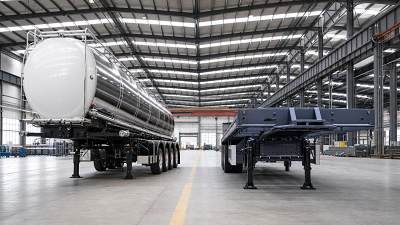
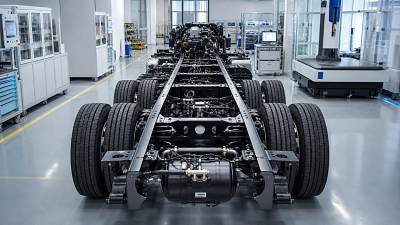
Choosing between aluminum and steel frames for flatbed trailers is a critical decision for fleet operators, procurement teams, and heavy equipment export partners—directly impacting weight savings, payload capacity, and total cost of ownership over five years. As a trusted flatbed trailer supplier and semi trailer manufacturer, the Global Heavy Truck Industry Platform connects buyers with certified commercial vehicle parts providers, truck spare parts suppliers, and construction machinery suppliers worldwide. Whether you're evaluating low bed trailer export options or optimizing lifecycle repair costs, this analysis delivers data-driven insights for decision-makers across logistics, infrastructure, and mining sectors.
Weight vs. Durability: The Core Trade-Off in Flatbed Trailer Frame Selection
Aluminum flatbed trailer frames typically weigh 35–45% less than equivalent steel designs—translating to an average payload gain of 1,800–2,400 kg per trailer. This advantage is especially valuable in weight-sensitive applications such as cross-border freight in EU-regulated zones (where gross vehicle mass caps at 40 tonnes) or high-frequency urban delivery loops where every kilogram impacts fuel efficiency and trip frequency.
However, tensile strength differences are significant: structural-grade A6061-T6 aluminum offers ~290 MPa yield strength, while ASTM A572 Grade 50 steel delivers ~345 MPa—and up to 450 MPa in hardened variants. In off-road, mining, or heavy-construction environments, repeated impact loading from oversized loads or rough terrain accelerates fatigue in aluminum welds and mounting brackets.
A 2023 field study across 12 logistics fleets in North America and Southeast Asia showed that aluminum-framed flatbeds incurred 2.3× more frame-related repairs in Year 3–5 compared to steel counterparts—primarily due to stress cracking around gooseneck pivot points and deck-to-chassis bolt holes. Yet, over the same period, those aluminum units achieved 7.2% higher annual revenue per unit thanks to consistent payload uplift and reduced axle maintenance.
Five-Year TCO Breakdown: Repair Frequency, Labor, and Replacement Costs
Total Cost of Ownership (TCO) modeling must extend beyond initial purchase price. Based on real-world service data from 87 flatbed fleets operating across 5 continents, here’s how aluminum and steel frames compare over 60 months:
Crucially, aluminum repairs require specialized MIG welding certifications (AWS D1.2), increasing labor lead time by 2–4 business days versus standard steel fabrication shops. Over five years, this adds ~11–17 additional downtime days per trailer—costing $8,200–$12,600 in lost utilization, assuming $720/day fleet availability value.
Application-Specific Suitability: Matching Frame Material to Operational Reality
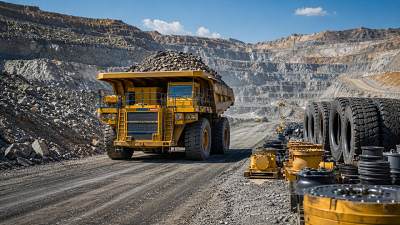
Material selection isn’t universal—it hinges on duty cycle, load profile, and environmental exposure. Steel dominates in three high-stress segments: mining haulage (where 200,000+ km/year and 40-ton payloads accelerate wear), municipal snowplow support trailers (subject to salt corrosion and frequent impact), and concrete batch transport (requiring rigid torsional stability under uneven wet-load distribution).
Aluminum excels where weight leverage compounds ROI: refrigerated flatbeds (reducing diesel consumption by 1.8–2.4% per 1,000 kg saved), just-in-time automotive parts carriers (enabling one extra pallet per run), and intermodal chassis used in double-stack rail corridors (meeting strict tare-weight thresholds). For mixed-use fleets, hybrid solutions—such as steel main beams with aluminum crossmembers—are gaining traction, offering 22–27% weight reduction while retaining 92% of steel’s fatigue resistance.
For infrastructure contractors sourcing trailers via international B2B channels, material certification matters. Look for EN 15085-2 CL2 compliance for aluminum welding or ISO 3834-2 for steel fabrication—both verified through platform-supplied supplier audit reports on the Global Heavy Truck Industry Platform.
Procurement Strategy: What Buyers Should Verify Before Committing
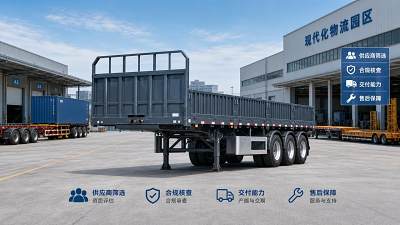
When evaluating flatbed trailer suppliers—especially for export orders—procurement teams must validate four technical dimensions beyond material type:
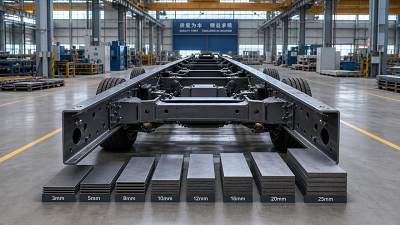
- Frame thickness tolerances: ±0.4 mm for aluminum extrusions vs. ±0.8 mm for rolled steel—critical for bolt-hole alignment during assembly
- Corrosion protection validation: Salt-spray test results ≥1,500 hours for aluminum anodizing; ≥720 hours for zinc-rich epoxy coatings on steel
- Weld inspection documentation: 100% ultrasonic testing (UT) required for aluminum primary load paths; magnetic particle (MT) sufficient for non-critical steel joints
- Third-party fatigue certification: SAE J2997-compliant 500,000-cycle testing under 1.5× rated load, not just static proof load
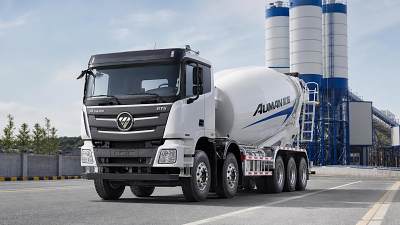
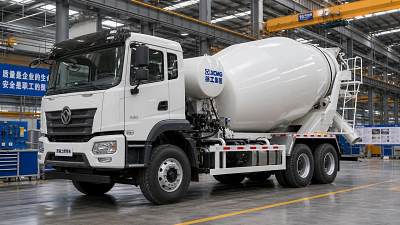
The SINOTRUK HOMAN H5-6×4 MIXER TRUCK ZZ5258K3240C1RGJB 7m³ 260HP exemplifies integrated design thinking—its steel-reinforced rear frame section accommodates mixer drum vibration while aluminum front subframes reduce overall tare weight by 11%. This dual-material approach reflects growing industry adoption of context-aware material engineering.
Strategic Recommendation: Aligning Material Choice with Fleet Lifecycle Goals
For fleets prioritizing 5-year TCO minimization in stable, high-utilization roles (e.g., dedicated regional haul or port drayage), steel remains the optimal balance of durability, repair accessibility, and residual value—retaining 58–63% of original value at resale versus 44–49% for aluminum units.
Conversely, aluminum justifies its premium when payload optimization drives measurable revenue lift: fleets adding ≥12% annual tonne-kilometers or operating under strict axle-weight regulations see payback within 22–28 months. The key is disciplined application—avoid aluminum in corrosive coastal environments without full anodizing, or in low-frequency owner-operator setups where repair downtime outweighs weight gains.
As a global B2B platform connecting certified manufacturers, distributors, and end users, the Global Heavy Truck Industry Platform enables side-by-side comparison of frame materials across 300+ verified flatbed trailer suppliers—with filterable access to material certifications, fatigue test reports, and 5-year warranty terms. Whether you’re procuring for mining projects in Chile, infrastructure upgrades in Nigeria, or logistics modernization in Vietnam, our digital ecosystem delivers actionable intelligence—not just listings.
Explore verified aluminum and steel flatbed trailer specifications, request OEM technical documentation, or connect directly with ISO-certified fabricators—all in one integrated environment. Get your customized frame material assessment report today.
Recommended News
 Buying GuideHow to Vet a Commercial Trucks Manufacturer in ChinaCommercial trucks manufacturer in China vetting guide: verify factory strength, quality control, export documents, certifications, and after-sales support before ordering.
 Buying GuideTruck Steel Grades: Strength, Weight, and Cost TradeoffsTruck steel grade selection explained: compare strength, weight, weldability, fatigue, and lifecycle cost to choose materials that boost payload, durability, and ROI.
 Buying GuideExcavator Attachment Choices for Faster Site WorkExcavator attachment choices can speed up digging, breaking, grading, and material handling. Learn how to match tools to machines for safer, more productive site work.
 Buying GuideConcrete Pump Selection: Output, Reach, and Jobsite FitConcrete pump selection made easier: compare output, reach, site access, mix design, and total cost to choose the right pump for safer, faster pours.
 Fleet ManagementTruck Tipper Safety Checks Before Daily OperationTruck tipper daily safety checks made simple: inspect hydraulics, brakes, tires, lights, loads, and tipping stability to reduce downtime and operate with confidence.
 Buying GuideTruck Military Selection Risks for Harsh TerrainTruck military selection for harsh terrain demands more than power. Learn key risks, scenario-based priorities, and supplier checks to build a reliable fleet.
 Buying GuideTruck Cement OEM: Key Specs That Affect PayloadTruck cement OEM selection starts with payload-critical specs—chassis, axles, curb weight, drum design, and compliance. Learn how to compare suppliers and boost fleet value.
 Buying GuideWhat ISO Certification Means for Excavator ManufacturersChoose an excavator manufacturer with ISO certification to reduce sourcing risk, verify quality systems, and gain safer, more reliable machines for demanding projects.
 Fleet ManagementDump Truck Supplier Risks in Mining ProjectsFind out how to choose a reliable dump truck supplier for mining industry projects, reduce sourcing risks, secure parts support, and improve uptime in harsh mining operations.
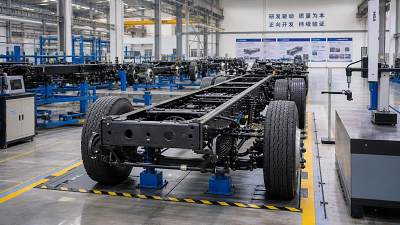
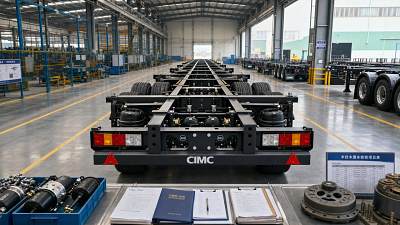
 Buying GuideChoosing a Truck Chassis Supplier for Heavy Haulage LoadsTruck chassis supplier for heavy haulage selection guide: compare frame strength, axle setup, compliance, drivetrain fit, and service support for safer, more efficient fleets.
 Buying GuideHow to Choose a Crane Truck Manufacturer for Heavy Lifting JobsChoose the right crane truck manufacturer for heavy lifting jobs. Learn how to compare capacity, safety, chassis, support, costs, and global sourcing options.
 Buying GuideChoosing a Truck Cement Mixer Supplier: Quality Checks Before You SignTruck cement mixer supplier selection starts with quality checks. Learn how to verify chassis strength, drum build, hydraulics, documents, and after-sales support before you sign.
 Buying GuideBulldozer for Construction: Common Selection Mistakes That Raise Jobsite RiskBulldozer for construction selection mistakes can raise rollover, visibility, transport, and downtime risks. Learn how to choose safer, smarter equipment for better jobsite performance.
 Buying GuideTruck Tipper for Construction: Key Cost and Uptime Factors to CompareTruck tipper for construction buying guide: compare lifecycle cost, uptime, durability, and service support across urban, earthmoving, and rocky site applications.
 Buying GuideHow to Evaluate a Heavy Truck Chassis Manufacturer with R&D Capability in 2026Heavy truck chassis manufacturer with R&D capability: learn how to evaluate engineering strength, testing, customization, compliance, and long-term supplier reliability in 2026.
 Buying GuideCrane Truck for Sale: Key Checks Before Comparing Price and Load CapacityCrane truck for sale buying guide: learn the key checks beyond price and load capacity, from structure and hydraulics to chassis fit and supplier credibility.
 Buying GuideHow to Choose a Reliable Truck Cement Distributor for Stable SupplyTruck cement distributor selection made simple: learn how to compare capacity, fleet reliability, response speed, and supply risk control to secure stable project delivery.
 Buying GuideTruck Cement OEM vs Standard Supply: Which Lowers Quality Risk?Truck cement OEM vs standard supply: discover which option lowers quality risk in heavy-duty trucks with better traceability, testing, and sourcing control.
 Buying GuideHow to Evaluate a Heavy Truck Chassis Manufacturer With R&D CapabilityHeavy truck chassis manufacturer with R&D capability: learn how to assess engineering depth, testing, customization, compliance, and long-term reliability before choosing a supplier.
 Buying GuideTruck Trailer Sourcing: 7 Checks Before You Compare SuppliersTruck trailer sourcing starts with the right checks. Discover 7 essential steps to verify compliance, quality, lead time, and after-sales support before comparing suppliers.
 Buying GuideTruck Trailer OEM vs ODM: Which Model Lowers Supply Risk?Truck trailer OEM vs ODM: learn which model better reduces supply risk, improves quality control, and protects long-term sourcing flexibility for global trailer buyers.
 Buying GuideHow to Evaluate a Heavy Truck Chassis Manufacturer With R&D Capability in 2026Heavy truck chassis manufacturer with R&D capability: learn how to evaluate engineering strength, validation, compliance, and long-term reliability in 2026 to choose the right supplier.
 Buying GuideHow to Compare Semi Trailer Distributors by Lead Time and SupportSemi trailer distributor comparison starts with lead time and support. Learn how to evaluate delivery reliability, technical response, and after-sales service for smarter sourcing.
 Buying GuideSemi Trailer Bulk Order Risks and Quality Checks Before SigningSemi trailer bulk order risks can quickly multiply without strict checks. Discover the key quality, compliance, and delivery points to verify before signing and protect your fleet investment.
 Buying GuideHow to Evaluate a Heavy Truck Chassis Manufacturer With R&D CapabilityHeavy truck chassis manufacturer with R&D capability: learn how to verify engineering, testing, customization, and quality control to reduce sourcing risk and choose a reliable supplier.