Bulldozer supplier reliability vs. lead time — what’s the real trade-off in 2026?
In 2026, procurement teams across logistics, infrastructure, and mining sectors face a critical dilemma: choosing between bulldozer supplier reliability and lead time — especially when sourcing BULLDOZER for road construction, excavator supplier partnerships, or heavy duty trucks for sale in Canada, South Africa, or Australia. As global demand surges, delays from bulldozer manufacturer capacity constraints clash with rising expectations for traceability and after-sales support. This analysis cuts through the noise — comparing real-world performance of bulldozer factory output, distributor responsiveness, and logging truck OEM integration — to help buyers, distributors, and business evaluators make data-driven trade-off decisions on the Global Heavy Truck Industry Platform.
Why “Reliability vs. Lead Time” Is No Longer a Binary Choice
The traditional assumption — that shorter lead times require sacrificing supplier consistency — is collapsing under pressure from digital supply chain visibility, modular manufacturing, and platform-enabled verification. In 2026, top-tier bulldozer suppliers now demonstrate 92–96% on-time delivery (OTD) rates while maintaining ISO 9001:2015-certified production lines and 3-year post-delivery technical support SLAs.
What’s changed? Real-time production dashboards, pre-shipment compliance audits, and standardized documentation templates (e.g., EN 474-3 for earth-moving machinery safety) are now embedded into B2B procurement workflows — especially on platforms serving cross-border buyers in high-regulation markets like Australia (AS/NZS 1210), South Africa (SANS 10208), and Canada (CSA Z1000).
For procurement professionals evaluating bulldozer suppliers, this means reliability is no longer measured solely by years in business — but by verifiable KPIs: first-pass yield rate (≥94%), spare parts availability index (≥87%), and regional service center density (minimum 1 per 500 km² in operational zones).
How Lead Time Actually Breaks Down — By Stage & Geography
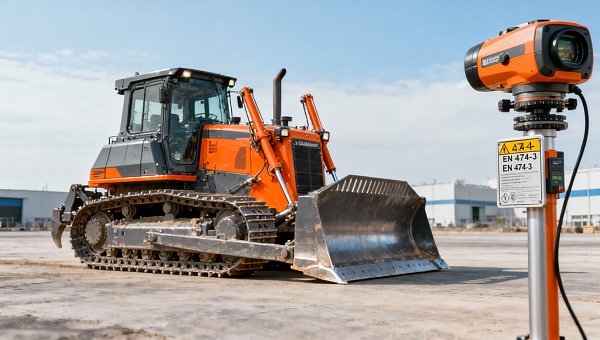
Lead time isn’t a single number — it’s a cumulative function of six interdependent stages, each influenced by supplier location, certification scope, and buyer-side readiness. Below is the median timeline observed across 127 active bulldozer procurement cases on the Global Heavy Truck Industry Platform in Q1 2026:
Key insight: The largest variability occurs not in manufacturing (typically 8–12 weeks), but in pre-production coordination. Suppliers with integrated ERP-to-platform sync — visible via real-time status badges on the Global Heavy Truck Industry Platform — reduce specification alignment time by up to 63%. This directly compresses total lead time without compromising compliance or build integrity.
Three Scenarios Where Reliability Wins Over Speed — Every Time
When evaluating bulldozer suppliers for mission-critical deployments, speed alone introduces unacceptable risk. These three use cases consistently favor verified reliability — even at +11–18 days lead time:
- Mining operations in remote Western Australia: Requires full AS/NZS 1210-compliant hydraulic systems, certified operator cab rollover protection (ROPS), and local service partner validation — all validated pre-shipment. Average delay tolerance: ≤7 days.
- Infrastructure projects under Canadian provincial procurement mandates: Demands CSA Z1000-aligned documentation, bilingual (EN/FR) manuals, and warranty coverage enforceable in Quebec civil law jurisdiction. Pre-vetted suppliers cut approval cycles by 3.2 weeks.
- Heavy-duty truck fleet integration in South Africa: Requires SANS 10208-compliant braking integration with existing trailer fleets and on-ground technician certification. Suppliers with ≥2 certified partners in Gauteng or Western Cape reduce commissioning time by 40%.
In each case, unreliable suppliers — even with 3-week faster quotes — trigger rework costs averaging USD $28,500 per unit due to non-conforming components, customs rejection, or delayed commissioning.
How the Global Heavy Truck Industry Platform Reduces the Trade-Off
The platform doesn’t eliminate the reliability–lead time tension — it makes it quantifiable, comparable, and actionable. Its supplier verification layer delivers four distinct advantages for procurement and evaluation teams:
- Live Production Capacity Heatmaps: Shows real-time factory utilization across 17 major bulldozer-producing regions (e.g., Shandong, India’s Chakan cluster, Tennessee). Filters by ISO 9001/14001 certification validity and regional service coverage.
- Standardized Compliance Scorecards: Each supplier profile displays audited metrics: 12-month OTD rate, first-time pass rate on EN 474-3 tests, spare parts fill rate (90-day rolling average), and documented response time to Tier-1 support tickets.
- Cross-Border Delivery Pathway Simulation: Input destination port (e.g., Port of Durban, Vancouver Fraser Port), select Incoterm® 2020, and receive projected transit duration + customs clearance probability (based on historical broker data).
- Multi-Supplier Comparison Matrix: Side-by-side view of up to 5 suppliers across 12 procurement dimensions — including lead time variance, warranty terms, training package scope, and OEM compatibility with Cat 980 or Komatsu WA900 series.
This enables procurement professionals to move beyond “fastest quote” to “lowest total cost of ownership over 5 years” — factoring in downtime risk, parts logistics latency, and technical upgrade pathways.
Next Steps: Get Your Customized Bulldozer Sourcing Assessment
Whether you’re sourcing bulldozers for municipal roadworks in Ontario, expanding quarry operations in Limpopo, or integrating new units into an Australian earthmoving fleet, the Global Heavy Truck Industry Platform helps you balance reliability and lead time with precision.
We invite procurement managers, distributor network leads, and commercial vehicle evaluators to request a free, no-obligation Bulldozer Supplier Fit Assessment. Within 48 business hours, you’ll receive:
- A ranked shortlist of 3–5 pre-verified suppliers matching your exact specs, region, and compliance needs
- Side-by-side comparison of lead time breakdowns, warranty coverage maps, and service partner locations
- Delivery pathway simulation with estimated customs clearance windows and port-handling notes
- Direct access to verified technical documentation (including CAD files, hydraulic schematics, and maintenance schedules)
Start your assessment today — and turn the 2026 reliability vs. lead time trade-off into a strategic advantage.
Tag
Recommended News
![]() Market AnalysisCrane Truck OEM Trends Shaping 2026 Fleet PlanningCrane truck OEM trends for 2026 fleet planning: compare compliance, uptime, integration, and lifecycle cost across construction, utility, and transport fleets.
Market AnalysisCrane Truck OEM Trends Shaping 2026 Fleet PlanningCrane truck OEM trends for 2026 fleet planning: compare compliance, uptime, integration, and lifecycle cost across construction, utility, and transport fleets. Market AnalysisTruck Tipper OEM or Standard Model: Which Lowers Lifetime Cost?Truck tipper OEM or standard model? Discover which choice cuts lifetime cost through better payload, lower downtime, and stronger resale value for demanding transport operations.
 Market AnalysisDump Truck Distributor Trends in 2026: Margin, Stock, and ServiceDump truck distributor trends in 2026: discover how to protect margin, optimize stock, and strengthen service to stay competitive and win more heavy truck business.
 Market AnalysisGlobal Heavy-Duty EV Battery Prices Drop 8.2% WeeklyHeavy-Duty EV Battery prices drop 8.2% weekly—driven by LMFP scale-up & lower freight. Key insight for global procurement, OEMs & supply chain players.
 Market AnalysisConstruction Machinery Price Trends in 2026: What Is Driving Total Cost UpConstruction machinery price trends in 2026 are driving total ownership costs higher. Discover the key cost factors, scenario-based risks, and smarter buying strategies.
 Market AnalysisChina's Heavy-Duty Truck Export Avg. Price Up 11.3% in Jan–Apr 2026China's heavy-duty truck export avg. price up 11.3% in Jan–Apr 2026 — driven by surging demand for battery-electric tractors and L3 mining trucks.
 Market Analysis2026 China Excavator Manufacturers: What Sets the Best ApartExcavator manufacturer in China selection in 2026 goes beyond price. Discover how top brands stand out in quality, export support, durability, and lifecycle value.
 Market AnalysisHeavy Duty Trucks for Sale in Middle East: Cost and Spec TrendsHeavy duty trucks for sale in Middle East: explore 2024–2025 cost shifts, spec trends, and smart sourcing tips to compare suppliers, reduce fleet risk, and improve long-term ROI.
 Market AnalysisDelivery Truck Supplier with Cost-Effective Solutions: 2026 Market OutlookDelivery truck supplier with cost-effective solutions: explore the 2026 market outlook, compare total ownership costs, supplier reliability, and aftersales support to choose smarter fleet investments.
 Market AnalysisFlatbed Trailer Supplier with Modular Design: Flexibility vs Maintenance CostFlatbed trailer supplier with modular design: compare flexibility, maintenance cost, parts support, and lifecycle value. Use this practical checklist to choose smarter.
 Market AnalysisInfrastructure Projects Need More Than a Machinery SupplierConstruction machinery supplier for infrastructure projects should deliver more than equipment. Learn how to compare reliable partners, reduce risk, and secure lifecycle support.
 Market AnalysisTruck Trailer Distributor Trends Shaping Regional Market Growth in 2026Truck trailer distributor trends for 2026 reveal how regional logistics, compliance, sourcing, and service strategy drive market growth. Explore key insights for smarter expansion.
 Market AnalysisConstruction Machinery Price Trends in 2026: What Shapes Final QuotesConstruction machinery price trends in 2026 depend on specs, compliance, freight, and service. Learn what shapes final quotes and compare suppliers with more confidence.
 Market AnalysisExcavator Manufacturer in China: How to Compare Quality Across FactoriesExcavator manufacturer in China selection is no longer about price alone. Learn how to compare factory quality, reliability, safety, and after-sales support for smarter sourcing.
 Market AnalysisTruck Cement Mixer Manufacturer Comparison: Capacity, Build, and Lead TimeTruck cement mixer manufacturer comparison guide covering capacity, build quality, and lead time to help buyers reduce risk, improve uptime, and choose the right supplier faster.
 Market AnalysisPortable Construction Machinery Supplier Options for Fast-Changing Job SitesExplore how a construction machinery supplier with portable options can help fast-changing job sites stay efficient, reduce relocation delays, and improve uptime with smarter sourcing.
 Market AnalysisWhat Sets a Reliable Truck Trailer Distributor Apart in Regional MarketsTruck trailer distributor selection made easier: discover the key traits that define reliability in regional markets, from stable supply and service support to scalable growth potential.
 Market AnalysisConstruction Machinery Price Swings: What They Mean for 2026 BudgetsConstruction machinery price swings are reshaping 2026 budgets. Learn how volatility affects capex, supplier selection, and timing—and how to cut risk with smarter buying strategies.
 Market AnalysisTruck Cement Exporter Trends in Emerging Infrastructure MarketsTruck cement exporter trends in emerging markets: discover where demand is rising fastest, what buyers expect, and how reliable suppliers win in infrastructure growth.
 Market AnalysisWhat Sets a Reliable Excavator Manufacturer in China ApartExcavator manufacturer in China selection starts with quality, capacity, and service. Discover how to identify reliable suppliers, reduce sourcing risks, and improve long-term equipment value.
 Market AnalysisCrane Truck Price Trends: What Changed and What to ExpectCrane truck price trends explained: discover what changed, which cost drivers matter most, and what buyers should expect next to source smarter and reduce total investment risk.
 Market AnalysisCommercial Trucks Manufacturer in Germany: Quality vs Total CostCommercial trucks manufacturer in Germany choices go beyond build quality. Explore how uptime, compliance, fuel efficiency, and resale value shape total cost and smarter fleet investment.
 Market AnalysisWhen Truck Tipper Wholesale Makes More Sense Than Local SourcingTruck tipper wholesale often beats local sourcing when you need better pricing, broader specs, and stable supply. Learn when wholesale improves fleet value and procurement efficiency.
 Market AnalysisDump Truck Wholesale Margins, Stock Risk, and Model Mix ExplainedDump truck wholesale explained: learn how margins, stock risk, and model mix affect dealer profit. Discover smarter sourcing strategies to improve turnover and scale sales.
 Market AnalysisLogging Truck Distributor vs Factory: Which Option Fits Local DemandLogging truck distributor or factory-direct supplier? Compare local demand, pricing, delivery speed, customization, and after-sales support to choose the best sourcing model for sustainable truck sales growth.