2026 China Excavator Manufacturers: What Sets the Best Apart
Choosing the right excavator manufacturer in China has become a strategic decision in 2026. Buyers are no longer comparing price alone. They are judging production strength, export consistency, machine durability, parts access, and lifecycle support. The strongest Chinese brands stand out by combining manufacturing scale with engineering discipline, global certifications, and service networks that reduce operating risk across construction, mining, municipal works, and infrastructure projects.
This matters even more across the road transport equipment and heavy machinery ecosystem. Excavators often work alongside dump trucks, semi-trailers, mixers, and site logistics fleets. A reliable excavator manufacturer in China therefore supports not only equipment uptime, but also project scheduling, transport efficiency, and total fleet productivity.
Why a Checklist Matters When Comparing Chinese Excavator Brands
The market is broad, and product claims can look similar on paper. Many suppliers offer comparable tonnage ranges, engine brands, and attachments. Real differences appear in welding quality, hydraulic tuning, structural testing, export experience, and service execution after delivery.
A checklist creates a clearer sourcing method. It helps separate a trading offer from a true factory, a low initial quote from a lower lifecycle cost, and a short-term shipment from a dependable long-term partnership.
Core Checklist: What Sets the Best Apart
- Verify factory identity through business licenses, production videos, workshop records, and third-party audits to confirm the supplier is a real excavator manufacturer in China, not only a reseller.
- Check product range carefully. Strong brands usually cover mini, medium, and large excavators, plus attachments, indicating mature engineering resources and better support for mixed project requirements.
- Review hydraulic system integration, not just component brands. The best performance comes from tuning pump, valve, and actuator response for stable digging force and smooth cycle times.
- Inspect structural durability standards. Ask about boom and arm steel grades, finite element analysis, fatigue testing, and reinforcement around high-stress joints and undercarriage zones.
- Confirm engine compliance and emissions options. A capable excavator manufacturer in China should offer region-specific configurations for fuel quality, emissions rules, climate, and altitude conditions.
- Evaluate export experience by destination markets, customs documentation quality, and shipment volume. Export-tested suppliers usually manage packaging, labeling, manuals, and spare parts planning more effectively.
- Ask for uptime data, not broad promises. Reliable factories can discuss failure rates, maintenance intervals, warranty trends, and common replacement parts with practical transparency.
- Measure spare parts readiness. The best partners stock filters, seals, hoses, travel motors, and wear items, then provide clear lead times and cross-border delivery support.
- Check after-sales structure, including remote diagnostics, service manuals, technician training, and multilingual response capability. Good support protects asset value long after the initial shipment.
- Compare total cost of ownership. A lower purchase price means little if fuel burn, attachment mismatch, transport inefficiency, and repeated downtime raise operating cost later.
How Leading Manufacturers Build Competitive Advantage in 2026
Advanced production systems
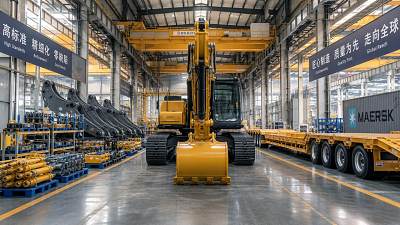
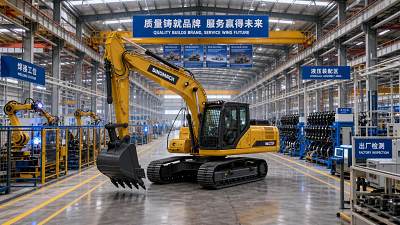
A top excavator manufacturer in China usually invests in robotic welding, CNC machining, digital assembly tracking, and standardized quality gates. These systems improve consistency between units and reduce variation across export batches.
Production maturity also affects paint adhesion, hose routing, cabin fit, noise control, and final inspection accuracy. These details may look minor, but they influence operator comfort and long-term reliability.
Global-oriented product design
Leading Chinese excavator brands no longer build only for domestic conditions. They adapt cooling systems, undercarriage specifications, bucket configurations, and cabin features for tropical, desert, cold-region, and mining environments.
This export-oriented design approach is important for buyers seeking dependable machinery across multiple countries. It also signals stronger engineering feedback loops from international field use.
Integrated supply chain control
The best companies control more of the supply chain. They manage sourcing for steel structures, key hydraulic parts, electronics, and cabins through qualified vendor systems and inspection protocols.
That level of control helps stabilize lead time and quality. It also reduces the risk of inconsistent components during periods of rising global demand for construction machinery.
Application-Based Notes for Different Buying Scenarios
Infrastructure and road construction
For road, bridge, and utility work, machine versatility matters. A suitable excavator manufacturer in China should support quick couplers, trenching buckets, breakers, and fuel-efficient operating modes.
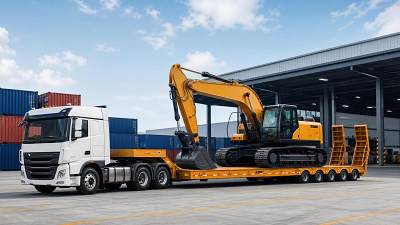
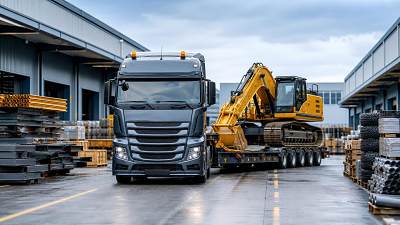
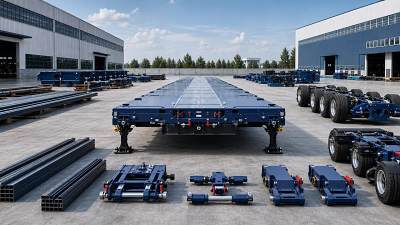
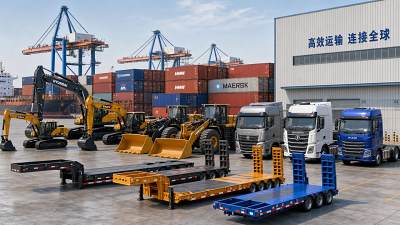
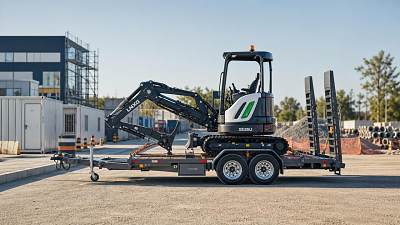
Transport dimensions also matter in this segment. Excavators often move between sites using low-bed trailers, so machine weight, boom locking design, and loading convenience should be reviewed early.
Mining and quarry operations
Mining applications demand reinforced structures, high breakout force, heavy-duty undercarriages, and durable cooling systems. Here, a low-cost machine with weak structural margins becomes expensive very quickly.
Ask whether the excavator manufacturer in China has field references in quarry or overburden work. Real site performance is more valuable than generic specification sheets.
Urban and municipal projects
Compact radius machines, low noise, operator visibility, and attachment flexibility are critical for urban applications. Mini and mid-size excavators should be easy to transport and simple to service in dense areas.
In this scenario, after-sales support and parts availability often outweigh raw digging power. Delays in city projects usually carry high contractual and scheduling penalties.
Commonly Overlooked Risks
Unclear warranty scope
Warranty language can vary sharply between suppliers. Check which parts are covered, what labor support applies, how claims are approved, and whether freight for replacements is included.
Weak documentation quality
Poor manuals, inconsistent parts codes, and incomplete service diagrams create avoidable downtime. A professional excavator manufacturer in China should provide accurate technical files in usable English.
Mismatch between machine and transport plan
Excavators do not operate in isolation. Review shipping method, inland delivery, trailer compatibility, and unloading conditions. A good machine can still create cost problems if logistics are poorly planned.
Overreliance on brochure specifications
Paper data rarely reveals control smoothness, fuel efficiency under load, or real attachment performance. Video testing, inspection reports, and customer references provide a more accurate picture.
Practical Steps to Execute a Better Evaluation
- Shortlist three to five suppliers, then compare factory capability, export markets, warranty terms, and parts support using the same evaluation sheet.
- Request machine videos under load, detailed photos of welds and undercarriage areas, and copies of certifications before discussing final price.
- Match the excavator model to jobsite conditions, transport method, attachment use, operator skill level, and fuel quality in the destination market.
- Clarify packaging, lead time, spare parts package, and technical documentation within the quotation to prevent hidden downstream cost.
- Use a platform with verified industry resources to compare brands, track market developments, and identify globally active heavy equipment suppliers.
Conclusion: Select for Reliability, Not Just Price
In 2026, the best excavator manufacturer in China is defined by more than affordable production. The leading names combine engineering quality, export readiness, field durability, and responsive support. Those strengths protect uptime and improve long-term project economics.
A disciplined checklist makes comparison faster and more objective. Start with factory verification, then move through performance, service, logistics, and ownership cost. For businesses navigating global construction machinery and commercial vehicle sourcing, this approach leads to more confident decisions and stronger international supply partnerships.
Trending News
- When does heavy equipment transport require a lowboy trailer?
- When does a light commercial vehicle for urban delivery save fleet costs?
- How to choose an off road truck for steep and unstable job sites
- How to match crane truck lifting capacity to your jobsite loads
- What drives logging truck cost beyond the base purchase price?
Tag
Recommended News
 Market Analysis2026 Construction Machinery Price Trends: What Is Driving Total Equipment Costs?Construction machinery price trends in 2026 are shaped by steel, freight, technology, and compliance. See what really drives total equipment costs and make smarter buying decisions.
 Market AnalysisTruck Parts Price Trends in 2026: What Is Driving Costs?Truck parts price trends in 2026 are reshaping fleet budgets. Discover what drives rising costs, where risks hide, and how smarter sourcing can protect uptime and margins.
 Market AnalysisTruck Parts Price Trends in 2026: What Drives CostsTruck parts price trends in 2026 reveal what drives rising costs across road transport equipment. Explore key cost factors, sourcing risks, and smarter buying strategies.
![]() Market AnalysisDump Truck Manufacturer Trends in 2026: Materials, Emissions, and UptimeDump truck manufacturer trends for 2026: discover how materials, emissions strategy, and uptime planning are reshaping fleet value, supplier selection, and long-term operating performance.
 Market AnalysisConstruction Machinery Price Trends: What to Expect From 2026 Supply CostsConstruction machinery price trends for 2026 may be shaped by steel, freight, labor, and compliance costs. See where prices may rise and how buyers can plan smarter sourcing.
 Market AnalysisBulldozer Producer Comparison: What Matters Beyond Engine Power in 2026Bulldozer producer comparison in 2026 goes beyond engine power. Discover how uptime, parts access, service coverage, and lifecycle value shape the smartest buying decisions.
 Market AnalysisInfrastructure Excavator Demand in 2026: What Manufacturers Need to WatchExcavator manufacturer for infrastructure development trends in 2026: learn what to watch in demand shifts, uptime, emissions, parts, and supplier readiness to stay competitive.
 Market AnalysisExcavator Manufacturer Trends in Infrastructure Development 2026Excavator manufacturer for infrastructure development trends in 2026: compare uptime, telematics, parts support, and sourcing resilience to choose smarter, lower-risk equipment.
 Market AnalysisMining Truck Trends in 2026: Payload, Safety, and Total Cost OutlookMining truck trends in 2026: explore payload strategy, smarter safety systems, and total cost insights to choose the right fleet and improve long-term mining performance.
![]() Market AnalysisCrane Truck OEM Trends Shaping 2026 Fleet PlanningCrane truck OEM trends for 2026 fleet planning: compare compliance, uptime, integration, and lifecycle cost across construction, utility, and transport fleets.
 Market AnalysisTruck Tipper OEM or Standard Model: Which Lowers Lifetime Cost?Truck tipper OEM or standard model? Discover which choice cuts lifetime cost through better payload, lower downtime, and stronger resale value for demanding transport operations.
 Market AnalysisDump Truck Distributor Trends in 2026: Margin, Stock, and ServiceDump truck distributor trends in 2026: discover how to protect margin, optimize stock, and strengthen service to stay competitive and win more heavy truck business.
 Market AnalysisGlobal Heavy-Duty EV Battery Prices Drop 8.2% WeeklyHeavy-Duty EV Battery prices drop 8.2% weekly—driven by LMFP scale-up & lower freight. Key insight for global procurement, OEMs & supply chain players.
 Market AnalysisConstruction Machinery Price Trends in 2026: What Is Driving Total Cost UpConstruction machinery price trends in 2026 are driving total ownership costs higher. Discover the key cost factors, scenario-based risks, and smarter buying strategies.
 Market AnalysisChina's Heavy-Duty Truck Export Avg. Price Up 11.3% in Jan–Apr 2026China's heavy-duty truck export avg. price up 11.3% in Jan–Apr 2026 — driven by surging demand for battery-electric tractors and L3 mining trucks.
 Market Analysis2026 China Excavator Manufacturers: What Sets the Best ApartExcavator manufacturer in China selection in 2026 goes beyond price. Discover how top brands stand out in quality, export support, durability, and lifecycle value.
 Market AnalysisHeavy Duty Trucks for Sale in Middle East: Cost and Spec TrendsHeavy duty trucks for sale in Middle East: explore 2024–2025 cost shifts, spec trends, and smart sourcing tips to compare suppliers, reduce fleet risk, and improve long-term ROI.
 Market AnalysisDelivery Truck Supplier with Cost-Effective Solutions: 2026 Market OutlookDelivery truck supplier with cost-effective solutions: explore the 2026 market outlook, compare total ownership costs, supplier reliability, and aftersales support to choose smarter fleet investments.
 Market AnalysisFlatbed Trailer Supplier with Modular Design: Flexibility vs Maintenance CostFlatbed trailer supplier with modular design: compare flexibility, maintenance cost, parts support, and lifecycle value. Use this practical checklist to choose smarter.
 Market AnalysisInfrastructure Projects Need More Than a Machinery SupplierConstruction machinery supplier for infrastructure projects should deliver more than equipment. Learn how to compare reliable partners, reduce risk, and secure lifecycle support.
 Market AnalysisTruck Trailer Distributor Trends Shaping Regional Market Growth in 2026Truck trailer distributor trends for 2026 reveal how regional logistics, compliance, sourcing, and service strategy drive market growth. Explore key insights for smarter expansion.
 Market AnalysisConstruction Machinery Price Trends in 2026: What Shapes Final QuotesConstruction machinery price trends in 2026 depend on specs, compliance, freight, and service. Learn what shapes final quotes and compare suppliers with more confidence.
 Market AnalysisExcavator Manufacturer in China: How to Compare Quality Across FactoriesExcavator manufacturer in China selection is no longer about price alone. Learn how to compare factory quality, reliability, safety, and after-sales support for smarter sourcing.
 Market AnalysisTruck Cement Mixer Manufacturer Comparison: Capacity, Build, and Lead TimeTruck cement mixer manufacturer comparison guide covering capacity, build quality, and lead time to help buyers reduce risk, improve uptime, and choose the right supplier faster.
 Market AnalysisPortable Construction Machinery Supplier Options for Fast-Changing Job SitesExplore how a construction machinery supplier with portable options can help fast-changing job sites stay efficient, reduce relocation delays, and improve uptime with smarter sourcing.