Yangtze's First Spatial-Intelligent Cruise 'Changjiang Xing · Lanyue' Arrives
On April 22, 2026, the Yangtze River’s first spatial-computing–enabled intelligent cruise ship, ‘Changjiang Xing · Lanyue’, entered service at Chongqing Chaotianmen Terminal. Its deployment is triggering new export inquiries for inland-port intelligent tractor units and shore-based charging systems — particularly in Southeast Asia and Africa — and prompting Chinese manufacturers to pursue certification against ISO 8712:2026, the newly adopted inland vessel charging interface standard. Direct trade firms, EV infrastructure suppliers, and port system integrators should monitor certification timelines, regional procurement signals, and interface compliance requirements closely.
Event Overview
On April 22, 2026, the intelligent cruise ship ‘Changjiang Xing · Lanyue’ commenced operations at Chongqing’s Chaotianmen Terminal. It is reported as the world’s first inland cruise vessel equipped with a spatial computing navigation system. The vessel operates alongside an integrated shore-based intelligent dispatch platform and a dual-gun 240 kW DC charging system. Chinese manufacturers have initiated product certification aligned with ISO 8712:2026, the 2026 edition of the international standard for inland waterway vessel charging interfaces.
Which Subsectors Are Affected
Direct Export Trading Firms
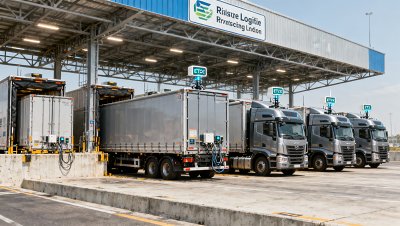
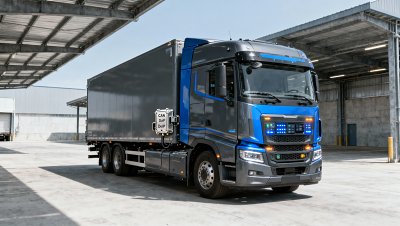
These firms are seeing increased inbound inquiries — especially from port authorities and terminal operators in Southeast Asia and Africa — for intelligent tractor units and shore-side charging cabinets designed for ship-to-shore coordination. The demand stems directly from interest in replicating the integrated operational model demonstrated by ‘Changjiang Xing · Lanyue’.
EV Charging Infrastructure Manufacturers
Manufacturers producing DC charging equipment for maritime or inland-port applications now face intensified pressure to align hardware — particularly connector design, communication protocols, and thermal management — with ISO 8712:2026. Certification readiness is becoming a prerequisite for participation in upcoming tenders.
Port System Integrators & Smart Terminal Solution Providers
Integrators delivering dispatch platforms, fleet management software, or digital twin-enabled terminal control systems are encountering renewed technical specification requests tied to spatial navigation interoperability and real-time charge scheduling — features highlighted in the ‘Changjiang Xing · Lanyue’ deployment.
Supply Chain & Compliance Service Providers
Third-party testing labs, certification consultants, and logistics partners supporting export documentation are observing higher demand for ISO 8712:2026–related verification services — including interface conformance testing, electromagnetic compatibility (EMC) validation under marine-grade conditions, and bilingual technical file preparation.
What Relevant Enterprises or Practitioners Should Focus On Now
Track official adoption status of ISO 8712:2026 in target markets
While ISO 8712:2026 has been published, national adoptions — especially in ASEAN member states and African riverine economies — remain pending. Monitor national standards bodies (e.g., SIRIM in Malaysia, SON in Nigeria) for formal adoption notices, as regulatory enforcement will follow.
Verify compatibility of existing 240 kW dual-gun chargers with ISO 8712:2026 physical and data layers
Many current-generation DC chargers meet IEC 62196 or GB/T 20234 but lack the mechanical keying, contact sequencing, or CAN FD–based communication required by ISO 8712:2026. Conduct gap analysis before committing to production ramp-up.
Distinguish between early-stage procurement signals and firm tender issuance
The current surge in inquiries reflects exploratory engagement, not binding orders. Prioritize dialogue with ports that have already launched feasibility studies for intelligent vessel support infrastructure — such as those in Ho Chi Minh City (Vietnam) and Dakar (Senegal) — over broad-based marketing outreach.
Prepare documentation packages for accelerated certification review
Compile test reports, schematic diagrams, and interface specification sheets aligned with ISO/IEC 17065 requirements. Engage accredited bodies early — lead times for full ISO 8712:2026 certification currently exceed 12 weeks due to limited lab capacity.
Editorial Perspective / Industry Observation
From an industry perspective, this event is best understood not as an immediate commercial inflection point, but as a coordinated signal of infrastructure standardization momentum along non-oceanic waterways. Analysis来看, the timing — coinciding with the release of ISO 8712:2026 — suggests intentional alignment between domestic demonstration projects and global technical harmonization efforts. Observation来看, the geographic pattern of inquiry (Southeast Asia, Africa) indicates growing receptivity to modular, scalable smart-port subsystems — rather than full turnkey solutions. Current more appropriate interpretation is that ‘Changjiang Xing · Lanyue’ serves as a reference architecture, not a replicable blueprint: its success hinges on tightly coupled navigation, dispatch, and power systems — a level of integration still rare outside pilot deployments.
This development marks a shift toward interoperability-driven export competitiveness in inland electrified mobility. It does not yet reflect widespread policy mandates or volume procurement, but it does highlight where technical preparedness — especially around interface standards — will increasingly determine market access.
Conclusion
The arrival of ‘Changjiang Xing · Lanyue’ is a milestone in inland intelligent vessel deployment — but its primary industry significance lies in accelerating demand for standardized, interoperable shore-side support systems. For stakeholders, the event is better interpreted as an early-stage alignment signal across technology, regulation, and cross-border procurement behavior — not as evidence of imminent large-scale rollout. Pragmatic response requires prioritizing compliance readiness, selective market engagement, and disciplined distinction between inquiry volume and actionable opportunity.
Information Source: Official announcement by Yangtze Cruise Group (April 22, 2026); ISO public database entry for ISO 8712:2026 (published March 2026); China Chamber of Commerce for Import and Export of Machinery and Electronic Products (CCCME) export inquiry summary, Q2 2026 (preliminary data). Note: Adoption status of ISO 8712:2026 in non-Chinese jurisdictions remains under observation.
Trending News
- Construction Machinery Cost Control: 7 Hidden Expenses in Project Planning
- Logging Truck Price Guide: Spec Choices That Change Total Ownership Cost
- Crane Truck Cost Breakdown: Chassis, Crane Unit, and Compliance Fees
- How to Vet a Logging Truck Distributor Before Entering a New Market
- Logging Truck Supplier Selection: Load Capacity, Terrain Fit, and Downtime
Tag
Recommended News
 Truck TechnologyMulti-Dept Launch Freight Hub Upgrading InitiativeMulti-Dept Launch Freight Hub Upgrading Initiative boosts intelligent land transport equipment—smart loading, battery-swap stations & ETC-V2X modules for seamless, low-carbon cross-border logistics.
 Truck TechnologyWhat Advanced Technology Means in Heavy Truck Chassis PerformanceHeavy truck chassis manufacturer with advanced technology: discover how smarter frame design, suspension tuning, and braking integration improve stability, uptime, and long-term operating value.
 Truck TechnologyHigh-Strength Flatbed Trailers: Where Stronger Steel Pays OffFlatbed trailer supplier with high strength expertise helps fleets cut tare weight, improve durability, and lower lifecycle cost. See what specs matter most before you buy.
 Truck TechnologyBulldozer for Construction: Matching Blade Type to Ground ConditionsBulldozer for construction guide: learn how to match S, U, and SU blades to soil, clay, rock, and mixed ground for better productivity, lower fuel use, and smarter equipment selection.
 Truck TechnologyWhen Fireproof Materials Add Real Value in Semi Trailer ManufacturingSemi trailer manufacturer with fireproof materials: discover how fire-resistant designs improve cargo safety, reduce risk, and support smarter sourcing decisions.
 Truck TechnologyWhat a Durable Engine Really Means in a Light Duty TruckLight duty truck with durable engine: learn how real engine durability improves uptime, fuel savings, and lower maintenance across delivery, construction, rural, and municipal work.
 Truck TechnologySemi Trailer Manufacturer With Lightweight Design: Pros, Trade-Offs, and Use CasesSemi trailer manufacturer with lightweight design: explore key benefits, trade-offs, and best-fit use cases to improve payload efficiency, durability, and lifecycle ROI.
 Truck TechnologyTruck Tipper for Construction: Key Specs That Affect Daily ProductivityTruck tipper for construction buying guide: learn which specs most affect payload, fuel use, unloading speed, and uptime to choose a safer, more productive model.
 Truck TechnologyWhy Logging Truck Manufacturer Design Matters in Tough TerrainLogging truck manufacturer design shapes safety, traction, and uptime in tough terrain. Learn what features matter most for forestry hauling and choose trucks built for real-world performance.
 Truck TechnologyAre Fireproof Materials Worth It in a Semi Trailer ManufacturerSemi trailer manufacturer with fireproof materials: discover if the added cost delivers real safety, lower risk, and better cargo protection with a practical supplier evaluation checklist.
 Truck TechnologyWhy High-Strength Design Matters in a Flatbed Trailer SupplierFlatbed trailer supplier with high strength: learn why structural design, material quality, and fatigue resistance matter for safer transport, longer service life, and lower operating costs.
 Truck TechnologyAdvanced Technology in Heavy Truck Chassis Manufacturing: What to Look ForHeavy truck chassis manufacturer with advanced technology: learn how to assess welding, materials, precision, and validation for long-haul, construction, mining, and special-purpose fleets.
 Truck TechnologyCan Fireproof Materials Improve Semi Trailer Safety in Logisticssemi trailer manufacturer with fireproof materials solutions can reduce cargo loss, improve fleet safety, and support reliable logistics. Discover how to choose the right fire-resistant trailer design.
 Truck TechnologyWhy Advanced Technology Matters in Heavy Truck Chassis ManufacturingHeavy truck chassis manufacturer with advanced technology: learn how digital design, precision welding, and rigorous testing improve durability, safety, and sourcing confidence.
 Truck TechnologyKazakhstan Extends Zero-Tariff List for China-Europe Rail Truck Parts to 2027Kazakhstan extends zero-tariff status for China-Europe rail truck parts to 2027—boosting ADAS, CAN-FD, and EBS component exports. Act now to optimize logistics & compliance.
 Truck TechnologyKazakhstan Extends Zero-Tariff for China’s Truck Parts to 2027Kazakhstan extends zero-tariff for China’s truck parts to 2027—now covering 12 intelligent vehicle control components. Boost exports, cut costs, and accelerate rail freight along the China-Europe corridor.
 Truck TechnologyWhy Lightweight Semi Trailer Design Matters More in Long-Haul OperationsSemi trailer manufacturer with lightweight design expertise helps long-haul fleets boost payload, cut fuel costs, and improve ROI with durable, compliant trailer solutions.
 Truck TechnologyTruck Trailer OEM Selection: Key Specs That Affect Service LifeTruck trailer OEM selection starts with the specs that define service life. Compare steel, axles, welding, suspension, and corrosion protection to reduce risk and choose smarter.
 Truck TechnologyTruck Tipper OEM Options Compared by Body Design and Payload NeedsTruck tipper OEM options compared by body design and payload needs. Discover the best-fit tipper for construction, mining, and transport with expert selection insights.
 Truck TechnologySASO Releases New Cybersecurity Standard for Commercial Trucks in Saudi ArabiaSASO IEC 62443-3-3:2026 mandates OTA firmware auditing for connected commercial trucks in Saudi Arabia — critical for exporters, cybersecurity providers & telematics integrators. Act now to meet Q3 2026 compliance.
 Truck TechnologyTC521 Advances Smart Heavy-Duty Truck Remote Diagnostics StandardTC521 advances smart heavy-duty truck remote diagnostics standard—aligning with ISO 27145 & EU GDPR. Critical for OEMs, telematics providers, and exporters targeting EU, ME & AU markets.
 Truck TechnologyFireproof Semi Trailers: Where the Materials Matter Most in Daily TransportSemi trailer manufacturer with fireproof materials: discover how safer flooring, wall panels, cable protection, and heat shielding reduce risk, protect cargo, and improve daily transport reliability.
 Truck TechnologyHow High-Strength Flatbed Trailers Reduce Repair Risk in Heavy Cargo TransportFlatbed trailer supplier with high strength solutions help reduce repair risk in heavy cargo transport through better durability, safer load support, and lower downtime.
 Truck TechnologyKey Build Features to Compare in a Logging Truck ManufacturerLogging truck manufacturer comparison guide: explore chassis strength, payload, drivetrain, hydraulics, durability, and service support to choose a truck built for harsh forestry work.
 Truck TechnologyChina Advances Smart Heavy-Duty Truck Remote Diagnostics Standard for EU ComplianceSmart heavy-duty truck remote diagnostics standard advances for EU compliance—key for exporters, OEMs & Tier 1 suppliers. Act now to align with Uptime Consortium 2.0.