Why Truck Hydraulic Failures Often Start With Small Leaks
In heavy-duty transport, many truck hydraulic failures begin with tiny leaks that are easy to overlook but costly to ignore. From a worn truck gasket to pressure loss in a truck pump or truck piston system, small defects can quickly affect safety, uptime, and export value. For buyers, distributors, and every semi trailer manufacturer, understanding these early warning signs is essential when evaluating truck wing, truck tanker, truck spreader, and truck aluminum equipment.
In the road transport equipment sector, hydraulic reliability is not only a maintenance topic. It is also a procurement, risk control, and lifecycle cost issue. A leak of just a few drops per minute can develop into seal failure, unstable lifting, reduced steering response, or cargo-handling delays within 1 to 4 weeks, depending on pressure levels, operating temperature, and duty cycle.
For sourcing teams and commercial evaluators, small leaks often reveal much bigger questions: Are the hose materials suitable for continuous vibration? Is the truck pump correctly matched to working pressure? Has the supplier specified seal replacement intervals, contamination limits, and export packaging standards? These questions matter across dump trucks, tanker systems, wing vans, spreaders, and trailer-mounted hydraulic assemblies.
This article explains why minor hydraulic leaks are often the first sign of broader system weakness, how they affect truck performance and asset value, and what buyers should verify before ordering components or complete equipment through a global B2B supply chain.
How Small Hydraulic Leaks Turn Into Major Truck Failures
Hydraulic systems in heavy trucks operate under high pressure, often in the range of 120 to 350 bar depending on application. Under these conditions, even a minor leak at a fitting, hose crimp, truck gasket, valve body, or cylinder rod seal can disrupt pressure stability. The result is not always immediate breakdown. More often, the first signs are slower lifting, uneven motion, higher oil temperature, or visible oil film around joints.
A truck pump that runs with insufficient fluid volume may begin to cavitate. Cavitation creates micro-bubbles that collapse under pressure, damaging internal surfaces and accelerating wear. At the same time, a leaking truck piston seal can allow internal bypass, meaning the cylinder moves but cannot hold load consistently. In real fleet operations, this can shorten service intervals from 12 months to as little as 3 to 6 months.
For export-oriented equipment, small leaks also affect commercial value. Buyers inspecting a truck wing system, truck tanker unloading assembly, or trailer-mounted spreader will often treat visible oil marks as a sign of poor assembly control. That can influence acceptance decisions, warranty negotiations, and distributor confidence, especially where equipment must pass pre-delivery inspections within 7 to 15 days after arrival.
The progression from leak to failure usually follows a predictable pattern: pressure loss, contamination entry, component overheating, unstable actuation, and then downtime. Understanding this chain helps procurement teams compare suppliers more effectively and avoid decisions based only on unit price.
Typical Failure Chain in Heavy Truck Hydraulics
The following comparison shows how a small leak can evolve into a wider hydraulic problem across common transport equipment applications.
The key point is that leaks rarely stay isolated. In a hydraulic circuit, one weak sealing point often increases load on pumps, hoses, valves, and cylinders at the same time. For fleet buyers, this means a minor defect can multiply into a larger maintenance budget over a 6 to 18 month operating window.
Common Components Most Affected
- Truck pump inlet and outlet connections exposed to continuous pressure pulsation.
- Truck gasket interfaces on manifolds and covers where heat cycles reduce compression force.
- Truck piston rod seals exposed to dust, side loading, or insufficient lubrication.
- Flexible hoses near chassis articulation points, where bending radius is repeatedly exceeded.
Where Buyers and Inspectors Should Look First
For information researchers and procurement teams, leak detection should begin before failure analysis becomes necessary. During supplier evaluation, it is useful to inspect 6 core areas: hoses, fittings, cylinder seals, pump housing, valve blocks, and reservoir breathers. These points account for a large share of field leakage events in heavy-duty hydraulic assemblies because they combine pressure, vibration, heat, and assembly tolerance.
Inspection should also reflect equipment type. A truck wing body uses hydraulic motion cycles differently from a truck tanker unloading system. A truck spreader may face repeated extension-retraction loads, while truck aluminum structures can transfer vibration differently than steel assemblies. The same leak source may therefore create different operational symptoms depending on the body design and load pattern.
A practical pre-purchase review should include both static and dynamic checks. Static checks identify visible seepage, cracked hose covers, or seal hardening. Dynamic checks observe pressure holding, extension speed, and return behavior over 3 to 5 cycles. If a cylinder drifts more than expected or the pump becomes noisy after warm-up, further technical review is justified.
Distributors and agents should also verify whether the supplier provides spare seal kits, hose specifications, torque guidance, and recommended oil grades. Without these details, even a high-quality truck hydraulic assembly becomes harder to support in overseas markets.
Practical Inspection Checklist for Procurement and Acceptance
The table below can be used during factory audit, pre-shipment inspection, or distributor acceptance checks for complete trucks and hydraulic spare parts.
This checklist helps buyers move from visual judgment to structured risk assessment. In B2B procurement, the supplier that can explain sealing design, service intervals, and replacement part availability often creates lower total cost than a lower-price offer with limited technical support.
Four Signs a “Small Leak” Should Not Be Ignored
- Oil appears again within 24 to 72 hours after cleaning the same area.
- Hydraulic motion slows by around 10% or becomes uneven between cycles.
- Reservoir level drops noticeably between weekly inspections.
- Dust sticks to wet surfaces near seals, fittings, or pump covers.
Supplier Selection: What Determines Leak Resistance and Service Life
Not all hydraulic failures begin in operation; many start in design and production. For heavy truck platforms, the durability of a truck hydraulic system depends on material compatibility, sealing geometry, machining quality, hose specification, and assembly discipline. A buyer comparing two suppliers should therefore review not only performance claims, but also process control at the interface level where leaks usually start.
For example, a truck gasket may perform adequately at moderate temperature but harden too quickly in applications where oil temperatures regularly reach 70°C to 90°C. A hose that passes pressure testing may still fail early if the reinforcement structure is not suitable for vibration-heavy road conditions. Likewise, a truck pump with the right displacement can still underperform if suction-side sealing allows air ingress.
Commercial evaluators should ask whether the supplier provides compatibility guidance for oil type, ambient temperature, duty cycle, and installation orientation. These details are especially important for export projects involving mining trucks, infrastructure fleets, municipal vehicles, and semi trailer manufacturer applications where uptime targets are stricter and service access may be limited.
Another important factor is after-sales readiness. Leak-resistant design is only part of the equation. Spare part traceability, seal kit supply, response time for technical questions, and packing protection for international shipping can determine whether a small issue remains manageable or becomes costly downtime at destination.
Key Evaluation Factors for B2B Buyers
- Check whether sealing materials match the expected temperature range, often from -20°C to 80°C in cross-border operations.
- Confirm pressure rating margins rather than selecting components that only meet nominal working pressure.
- Review spare parts lead time; 7 to 10 days is very different from 30 to 45 days in fleet service planning.
- Verify whether the supplier can support complete system documentation, not only individual parts.
- Assess packaging and corrosion protection for cylinders, pumps, and valve blocks during ocean transport.
A Useful Procurement Mindset
When comparing offers on a B2B platform, buyers should calculate expected ownership cost over 12 to 24 months, not only the ex-factory price. One leaking hose assembly may seem minor, but if it causes 8 hours of truck downtime, emergency oil replacement, cargo delay, and technician dispatch, the actual loss can exceed the apparent price difference between suppliers.
For distributors and agents, supplier consistency is equally important. If the same truck wing or truck tanker hydraulic package performs differently between shipments, the market impact can be larger than the technical fault itself. Stable sourcing protects brand reputation, service planning, and repeat business.
Maintenance Planning and Leak Prevention in Real Fleet Operations
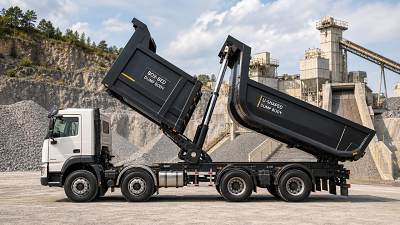
Leak prevention is most effective when it combines routine inspection, correct fluid management, and timely replacement of wear parts. In many fleets, a 10-minute weekly visual check can detect the majority of early seepage points before they evolve into cylinder failure or pump damage. This is especially important for dump bodies, tankers, and trailer systems working in dusty, high-vibration, or high-cycle conditions.
Maintenance teams should monitor three basic indicators: oil level, oil cleanliness, and motion consistency. If oil darkens quickly, foams, or shows metal particles, the leak may already be linked to internal wear. If the truck piston or lifting cylinder hesitates under load, internal bypass should be considered even when external leakage looks minor.
Seal replacement intervals vary by duty cycle, but many operators review high-stress sealing points every 500 to 1,000 operating hours or every 6 months in harsh service. Hose assemblies in exposed routing positions may require more frequent checks. These are not fixed universal rules, but practical ranges used in field maintenance planning for heavy equipment and transport vehicles.
For international buyers, maintenance planning should be built into the procurement package. Ordering spare seals, hose sets, and filter elements with the initial shipment can reduce service delays. It also gives distributors a better support position when selling truck aluminum bodies, tanker equipment, or spreader systems into new regional markets.
Recommended Preventive Maintenance Schedule
The schedule below provides a practical reference for many heavy truck hydraulic applications. Actual intervals should still match duty intensity, climate, and manufacturer guidance.
The commercial advantage of this approach is clear: preventive action costs less than corrective breakdown repair. It also improves equipment presentation and resale appeal, which matters to distributors handling used trucks, trailers, or export-returned units.
Common Maintenance Mistakes
- Replacing oil without addressing the original leak source.
- Using generic seals that do not match fluid chemistry or temperature.
- Overtightening fittings, which can damage sealing faces and create future leaks.
- Ignoring suction-side air leaks because no external oil drip is visible.
FAQ for Buyers, Distributors, and Equipment Evaluators
How can I tell whether a small hydraulic leak is cosmetic or critical?
A truly minor issue should remain stable after cleaning and monitoring. If oil reappears within 24 to 72 hours, if the reservoir level drops between inspections, or if performance changes during 3 to 5 operating cycles, the leak should be treated as operationally important. Cosmetic residue from assembly is very different from active seepage under pressure.
Which truck applications are most sensitive to early hydraulic leakage?
High-cycle and load-sensitive applications are most vulnerable. These include dump lifting systems, tanker loading or unloading circuits, wing opening mechanisms, spreader actuation units, and trailer-mounted auxiliary hydraulics. In these applications, even a 5% to 10% pressure loss can affect timing, load stability, or operating safety.
What should procurement teams request from suppliers before placing an order?
Ask for working pressure range, seal material information, hose specification, spare parts list, maintenance recommendations, and pre-shipment test details. Also confirm lead time for replacement seals and hose assemblies. For export projects, response support within 24 to 48 hours for technical questions is often more valuable than a marginal unit price saving.
Is it better to buy complete hydraulic assemblies or source parts separately?
That depends on your business model. Complete assemblies simplify matching and accountability, which suits many distributors and fleet buyers. Separate sourcing can reduce upfront cost, but it increases interface risk across truck pump, hose, gasket, and cylinder components. For new market entry or mixed-brand fleets, complete packages often reduce troubleshooting time during the first 6 to 12 months.
How does a global B2B platform help reduce hydraulic sourcing risk?
A specialized global truck industry platform helps buyers compare suppliers, product categories, and technical resources in one place. That is useful when evaluating complete trucks, trailer systems, spare parts, and hydraulic accessories across multiple countries. Better visibility into supplier range and documentation support can shorten sourcing cycles and improve commercial confidence.
Small hydraulic leaks are rarely small in their long-term effect. In heavy truck operations, they often signal pressure instability, contamination risk, seal degradation, and weak service planning. For buyers, distributors, and commercial evaluators, the right response is not only technical inspection, but also stronger supplier screening, clearer documentation review, and better spare parts planning.
The Global Heavy Truck Industry Platform supports this process by connecting sourcing teams with manufacturers, suppliers, distributors, and industry resources across the commercial vehicle and heavy equipment supply chain. If you are evaluating truck hydraulic components, complete vehicles, trailers, or aftermarket parts, now is the right time to compare options more carefully and reduce avoidable risk before purchase.
Contact us today to get tailored sourcing support, review product details, or explore more heavy truck and hydraulic solutions for your market.
Trending News
- Construction Machinery Cost Control: 7 Hidden Expenses in Project Planning
- Logging Truck Price Guide: Spec Choices That Change Total Ownership Cost
- Crane Truck Cost Breakdown: Chassis, Crane Unit, and Compliance Fees
- How to Vet a Logging Truck Distributor Before Entering a New Market
- Logging Truck Supplier Selection: Load Capacity, Terrain Fit, and Downtime
Tag
Recommended News
 Truck TechnologyMulti-Dept Launch Freight Hub Upgrading InitiativeMulti-Dept Launch Freight Hub Upgrading Initiative boosts intelligent land transport equipment—smart loading, battery-swap stations & ETC-V2X modules for seamless, low-carbon cross-border logistics.
 Truck TechnologyWhat Advanced Technology Means in Heavy Truck Chassis PerformanceHeavy truck chassis manufacturer with advanced technology: discover how smarter frame design, suspension tuning, and braking integration improve stability, uptime, and long-term operating value.
 Truck TechnologyHigh-Strength Flatbed Trailers: Where Stronger Steel Pays OffFlatbed trailer supplier with high strength expertise helps fleets cut tare weight, improve durability, and lower lifecycle cost. See what specs matter most before you buy.
 Truck TechnologyBulldozer for Construction: Matching Blade Type to Ground ConditionsBulldozer for construction guide: learn how to match S, U, and SU blades to soil, clay, rock, and mixed ground for better productivity, lower fuel use, and smarter equipment selection.
 Truck TechnologyWhen Fireproof Materials Add Real Value in Semi Trailer ManufacturingSemi trailer manufacturer with fireproof materials: discover how fire-resistant designs improve cargo safety, reduce risk, and support smarter sourcing decisions.
 Truck TechnologyWhat a Durable Engine Really Means in a Light Duty TruckLight duty truck with durable engine: learn how real engine durability improves uptime, fuel savings, and lower maintenance across delivery, construction, rural, and municipal work.
 Truck TechnologySemi Trailer Manufacturer With Lightweight Design: Pros, Trade-Offs, and Use CasesSemi trailer manufacturer with lightweight design: explore key benefits, trade-offs, and best-fit use cases to improve payload efficiency, durability, and lifecycle ROI.
 Truck TechnologyTruck Tipper for Construction: Key Specs That Affect Daily ProductivityTruck tipper for construction buying guide: learn which specs most affect payload, fuel use, unloading speed, and uptime to choose a safer, more productive model.
 Truck TechnologyWhy Logging Truck Manufacturer Design Matters in Tough TerrainLogging truck manufacturer design shapes safety, traction, and uptime in tough terrain. Learn what features matter most for forestry hauling and choose trucks built for real-world performance.
 Truck TechnologyAre Fireproof Materials Worth It in a Semi Trailer ManufacturerSemi trailer manufacturer with fireproof materials: discover if the added cost delivers real safety, lower risk, and better cargo protection with a practical supplier evaluation checklist.
 Truck TechnologyWhy High-Strength Design Matters in a Flatbed Trailer SupplierFlatbed trailer supplier with high strength: learn why structural design, material quality, and fatigue resistance matter for safer transport, longer service life, and lower operating costs.
 Truck TechnologyAdvanced Technology in Heavy Truck Chassis Manufacturing: What to Look ForHeavy truck chassis manufacturer with advanced technology: learn how to assess welding, materials, precision, and validation for long-haul, construction, mining, and special-purpose fleets.
 Truck TechnologyCan Fireproof Materials Improve Semi Trailer Safety in Logisticssemi trailer manufacturer with fireproof materials solutions can reduce cargo loss, improve fleet safety, and support reliable logistics. Discover how to choose the right fire-resistant trailer design.
 Truck TechnologyWhy Advanced Technology Matters in Heavy Truck Chassis ManufacturingHeavy truck chassis manufacturer with advanced technology: learn how digital design, precision welding, and rigorous testing improve durability, safety, and sourcing confidence.
 Truck TechnologyKazakhstan Extends Zero-Tariff List for China-Europe Rail Truck Parts to 2027Kazakhstan extends zero-tariff status for China-Europe rail truck parts to 2027—boosting ADAS, CAN-FD, and EBS component exports. Act now to optimize logistics & compliance.
 Truck TechnologyKazakhstan Extends Zero-Tariff for China’s Truck Parts to 2027Kazakhstan extends zero-tariff for China’s truck parts to 2027—now covering 12 intelligent vehicle control components. Boost exports, cut costs, and accelerate rail freight along the China-Europe corridor.
 Truck TechnologyWhy Lightweight Semi Trailer Design Matters More in Long-Haul OperationsSemi trailer manufacturer with lightweight design expertise helps long-haul fleets boost payload, cut fuel costs, and improve ROI with durable, compliant trailer solutions.
 Truck TechnologyTruck Trailer OEM Selection: Key Specs That Affect Service LifeTruck trailer OEM selection starts with the specs that define service life. Compare steel, axles, welding, suspension, and corrosion protection to reduce risk and choose smarter.
 Truck TechnologyTruck Tipper OEM Options Compared by Body Design and Payload NeedsTruck tipper OEM options compared by body design and payload needs. Discover the best-fit tipper for construction, mining, and transport with expert selection insights.
 Truck TechnologySASO Releases New Cybersecurity Standard for Commercial Trucks in Saudi ArabiaSASO IEC 62443-3-3:2026 mandates OTA firmware auditing for connected commercial trucks in Saudi Arabia — critical for exporters, cybersecurity providers & telematics integrators. Act now to meet Q3 2026 compliance.
 Truck TechnologyTC521 Advances Smart Heavy-Duty Truck Remote Diagnostics StandardTC521 advances smart heavy-duty truck remote diagnostics standard—aligning with ISO 27145 & EU GDPR. Critical for OEMs, telematics providers, and exporters targeting EU, ME & AU markets.
 Truck TechnologyFireproof Semi Trailers: Where the Materials Matter Most in Daily TransportSemi trailer manufacturer with fireproof materials: discover how safer flooring, wall panels, cable protection, and heat shielding reduce risk, protect cargo, and improve daily transport reliability.
 Truck TechnologyHow High-Strength Flatbed Trailers Reduce Repair Risk in Heavy Cargo TransportFlatbed trailer supplier with high strength solutions help reduce repair risk in heavy cargo transport through better durability, safer load support, and lower downtime.
 Truck TechnologyKey Build Features to Compare in a Logging Truck ManufacturerLogging truck manufacturer comparison guide: explore chassis strength, payload, drivetrain, hydraulics, durability, and service support to choose a truck built for harsh forestry work.
 Truck TechnologyChina Advances Smart Heavy-Duty Truck Remote Diagnostics Standard for EU ComplianceSmart heavy-duty truck remote diagnostics standard advances for EU compliance—key for exporters, OEMs & Tier 1 suppliers. Act now to align with Uptime Consortium 2.0.