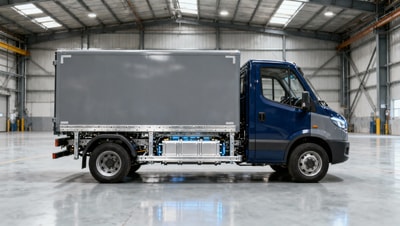
Jining, Shandong Builds 132 E-Heavy-Duty Truck Charging Stations
As of April 30, 2026, Jining City in Shandong Province has completed construction of 132 dedicated electric heavy-duty truck charging stations — a development with implications for global EV infrastructure standardization, cross-border energy system integration, and logistics electrification supply chain players.
Event Overview
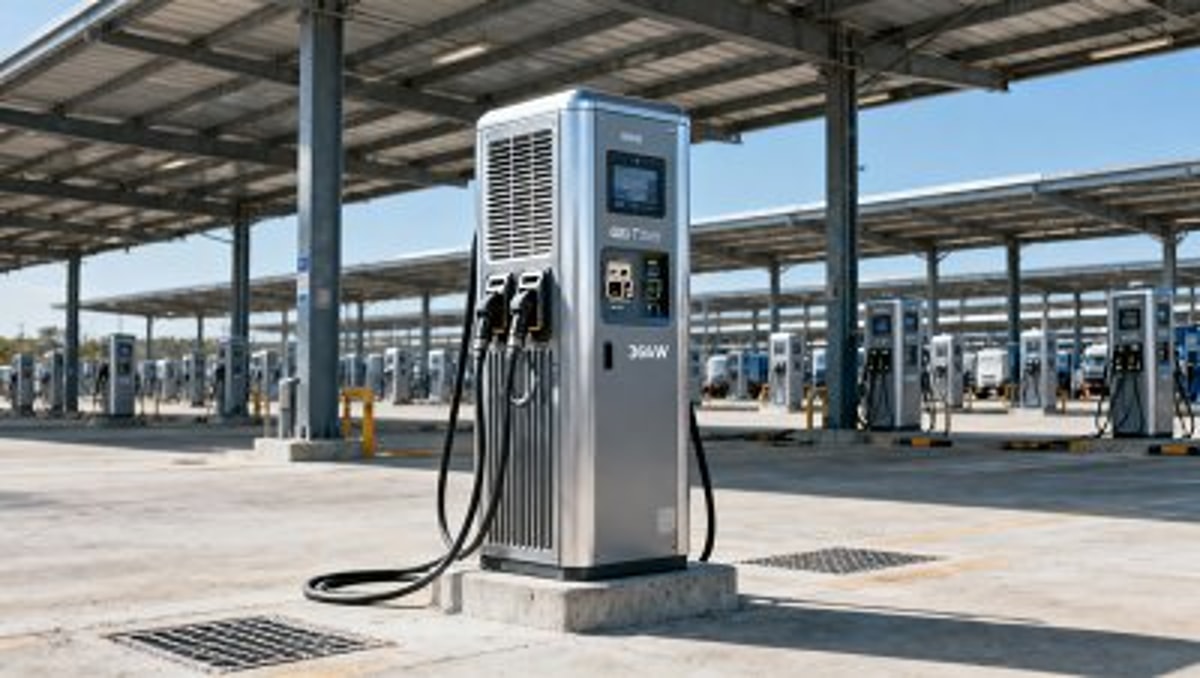
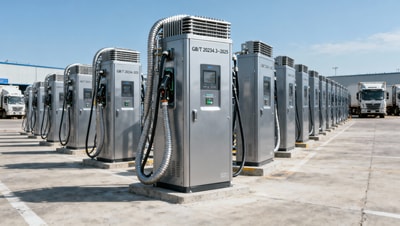
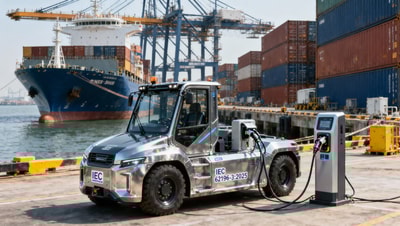
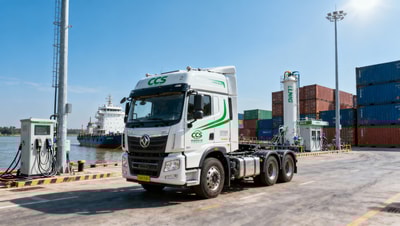
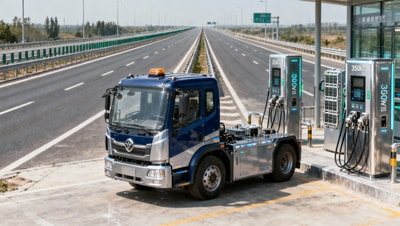
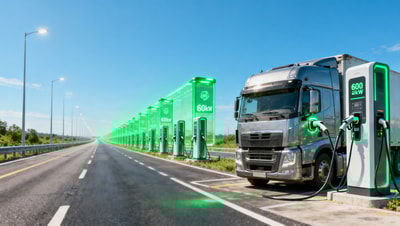
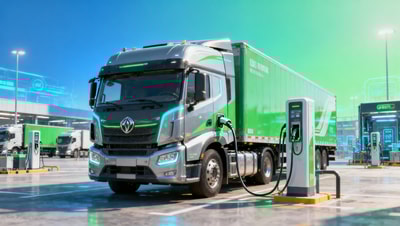
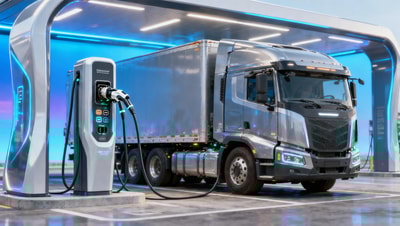
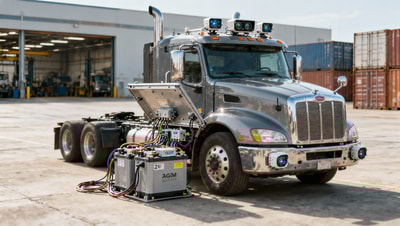
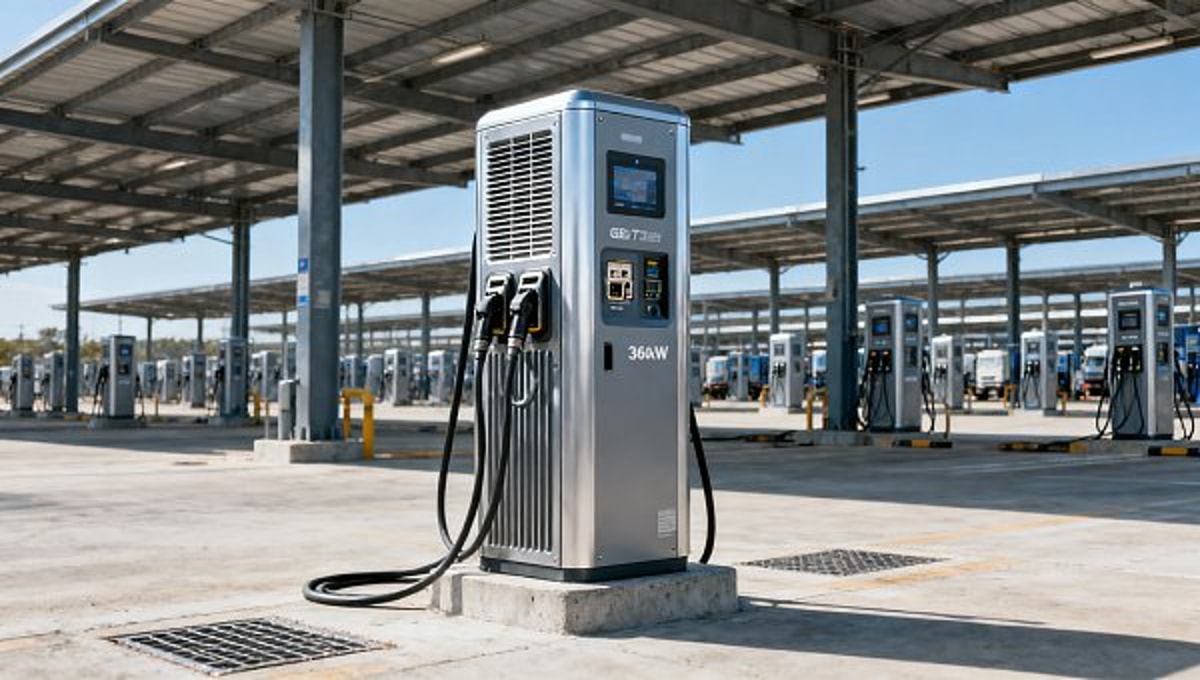
By the end of April 2026, Jining, Shandong had built 132 dedicated electric heavy-duty truck charging stations. All stations deploy 360 kW liquid-cooled ultra-fast chargers and AI-powered battery health monitoring systems, and are integrated into Shandong’s provincial heavy-duty truck energy management platform. This implementation model has been formally listed by the transport ministries of Kazakhstan, Chile, and South Africa as a reference solution for their ‘green freight corridor’ pilot programs. Overseas procurement entities are actively requesting documentation on China’s fast-charging protocol stack, grid-coordinated dispatch logic, and station operation & maintenance SOPs.
Industries Affected
Direct Exporters of EV Charging Infrastructure
Manufacturers and system integrators exporting chargers, cooling modules, or power distribution units to emerging markets may face increased technical inquiries and interoperability requirements. The overseas interest centers specifically on protocol stacks and grid coordination logic — not just hardware — indicating rising demand for software-defined, standards-compliant solutions.
Supply Chain Service Providers (e.g., Technical Documentation Localization, Certification Support)
Providers supporting international market entry — especially those assisting with IEC/GB standard alignment, bilingual SOP development, or regulatory filing for energy infrastructure — are seeing early-stage demand signals. Requests for ‘field-proven’ operational documents (not theoretical specs) suggest clients prioritize real-world deployment readiness over conceptual compliance.
Domestic Grid Integration & Energy Management Software Developers
Firms developing load-balancing algorithms, dynamic pricing interfaces, or fleet-energy scheduling modules may find their architectures referenced in foreign policy documents. The fact that provincial-level energy management platform integration is highlighted implies scalability and interoperability — not just local functionality — are becoming export-relevant attributes.
Logistics & Heavy-Duty Transport Operators (Especially Cross-Border Freight)
Operators planning or operating green freight corridors in regions adopting this reference model (e.g., Central Asia, Southern Africa) should anticipate tighter coupling between vehicle telematics, charger availability data, and grid-side dispatch signals. Battery health monitoring integration suggests future tender requirements may include real-time battery diagnostics as part of service-level agreements.
What Relevant Enterprises or Practitioners Should Focus On
Monitor official adoption pathways in target countries
Track whether Kazakhstan, Chile, or South Africa move from ‘reference model’ status to formal regulatory citation or public procurement specifications — a shift that would trigger concrete technical compliance timelines.
Assess compatibility of existing protocol stacks with documented Chinese field implementations
Compare your charger communication protocols (e.g., GB/T 27930, CHAdeMO, ISO 15118 variants) against the architecture implied by ‘fast-charging protocol stack’ requests — particularly around authentication handshaking, thermal derating triggers, and battery state reporting intervals.
Distinguish between policy signaling and near-term procurement activity
While foreign ministries cite the Jining model, no confirmed orders or tenders have been announced. Prioritize engagement with national transport authorities’ technical working groups rather than assuming imminent commercial opportunities.
Prepare modular documentation packages for core subsystems
Segment SOPs, dispatch logic flowcharts, and AI monitoring validation reports by functional layer (e.g., ‘charger-grid interface’, ‘battery telemetry pipeline’, ‘remote diagnostics dashboard’) — matching how overseas requesters are framing their needs.
Editorial Observation / Industry Perspective
Observably, this is not yet an export milestone but a standards-adjacent signal: the Jining deployment is being treated as a field-validated template for systemic integration — not just hardware rollout. Analysis shows its influence lies less in immediate sales volume and more in shaping technical expectations for what constitutes ‘operational readiness’ in heavy-duty EV infrastructure abroad. From an industry perspective, it reflects a quiet pivot — from benchmarking individual components (e.g., charger power rating) toward evaluating full-stack interoperability across vehicles, chargers, grids, and fleet management platforms. Continued attention is warranted because such reference-model status often precedes formal standardization proposals or bilateral technical cooperation frameworks.
Conclusion
This development signifies growing international recognition of China’s integrated approach to heavy-duty EV infrastructure — but it remains a reference framework, not an adopted standard or active procurement driver. It is more accurately understood as an early indicator of shifting technical expectations in emerging green freight markets, rather than evidence of current commercial traction. Stakeholders should treat it as a calibration point for interoperability design and documentation practices — not as a market entry trigger.
Information Source
Main source: Official announcement issued by Shandong Provincial Department of Transportation, April 30, 2026. Note: Adoption status in Kazakhstan, Chile, and South Africa is based on publicly cited references by respective transport ministries; actual implementation timelines and scope remain under observation.
Trending News
- 2026 Independent Site Strategy White Paper: AI Search Reshapes Heavy-Duty B2B Content
- Ningbo Beilun Transport Bureau Accelerates 329国道 Renovation for Port Logistics
- May 2026 Huaihe Waterway Maintenance Dimensions Released
- Nanning IRP Launches EV Freight Charging Station for W. Land-Sea Corridor
- Hebei Unveils '15th Five-Year' Transport Plan: Hydrogen Heavy-Duty Truck Corridor and Export Test Channels
Tag
Recommended News
 New Energy TrucksHebei Unveils '15th Five-Year' Transport Plan: Hydrogen Heavy-Duty Truck Corridor and Export Test ChannelsHydrogen heavy-duty truck manufacturers & international fleet operators: Hebei launches Beijing–Tianjin–Shijiazhuang corridor and Tangshan/Caofeidian export test channels — accelerate global validation and market entry.
 New Energy TrucksJining, Shandong Builds 132 E-Heavy-Duty Truck Charging StationsJining, Shandong builds 132 e-heavy-duty truck charging stations — ultra-fast 360kW liquid-cooled chargers with AI battery monitoring. A global reference for green freight corridors.
 New Energy TrucksNanning IRP Launches EV Freight Charging Station for W. Sea-Air CorridorNanning IRP's new EV freight charging station boosts W. Sea-Air Corridor logistics — 300 V2G terminals, ASEAN-standard support, and cold-chain readiness. Discover how it reshapes cross-border EV freight viability.
 New Energy TrucksHebei's 15th Five-Year Transport Plan Launches Hydrogen Heavy-Duty Truck CorridorHydrogen heavy-duty truck corridor launched in Hebei—key opportunity for manufacturers, logistics operators & clean energy developers targeting Mongolia/Russia markets.
 New Energy TrucksJining, Shandong Builds 132 E-Heavy-Duty Truck Charging StationsJining, Shandong’s 132 e-heavy-duty truck charging stations set a new benchmark for GB/T 20234.3–2025 compliance—key for global exporters, OEMs & infrastructure integrators.
 New Energy TrucksHebei's 15th Five-Year Plan Launches Beijing-Tianjin-Hebei H2 Truck CorridorHebei's 15th Five-Year Plan launches the Beijing-Tianjin-Hebei H2 truck corridor — a strategic gateway for hydrogen heavy-duty vehicle exporters, OEMs, and green transport partners to validate GB/T 34592-compliant trucks in real port logistics environments.
 New Energy TrucksJining, Shandong Builds 132 EV Heavy-Duty Truck Charging StationsEV heavy-duty truck charging stations in Jining, Shandong: 132 sites deployed + local standard launched — a scalable model driving global EPC-plus-operations exports.
 New Energy TrucksNanning Rail Port Builds EV Charging Hub for Western Land-Sea CorridorNanning Rail Port's new EV charging hub accelerates green freight along the Western Land-Sea Corridor — vital for cross-border logistics, EV exporters & ESG-compliant shippers.
 New Energy TrucksChina's First 10,000-Ton Pure-Electric Smart Container Ship Enters ServiceChina's first 10,000-ton pure-electric smart container ship launches—driving urgent 800V/V2G and IEC 62196-3:2025 compliance for port terminal tractors and logistics equipment suppliers.
 New Energy TrucksChina's First 10,000-Ton Pure Electric Smart Container Ship Enters ServiceElectric port tractor & battery-swap systems gain global momentum as China’s first 10,000-ton pure electric smart container ship enters service—key for zero-carbon terminals and overseas green port projects.
 New Energy TrucksGuangxi Xijiang Waterway Enforces Zero Discharge for Vessel PollutantsGuangxi Xijiang Waterway enforces zero discharge for vessel pollutants—impacting LNG-powered transport, electric short-haul trucks & green port infrastructure. Key for陆路运输设备 stakeholders.
 New Energy TrucksLeshan 110kV Luomu Substation Upgrade CompletedLeshan 110kV Luomu Substation upgrade delivers intelligent load regulation & millisecond fault isolation — critical for EV heavy-duty truck battery-swap networks on the Sichuan–Chongqing corridor.
 New Energy TrucksPanjin Port Launches LNG Tank Container TerminalPanjin Port's new LNG tank container terminal — Northeast China’s first — boosts cold-climate transport, cross-border LNG trade & modular logistics for importers, carriers & EPC firms.
 New Energy TrucksGansu Hydrogen Heavy-Duty Truck Project Enters Equipment Tender PhaseGansu hydrogen heavy-duty truck project opens equipment tender—45 MPa dispensers, 120 kW fuel cell chassis & ISO 14687-2 compliance. Key opportunity for global suppliers.
 New Energy TrucksShandong’s EV Heavy-Duty Charging Corridor: 9,200 km, Export EdgeShandong’s EV heavy-duty charging corridor (9,200 km) boosts export edge for electric tractor-trailers with 350 kW ultra-fast & cross-brand swap.
 New Energy TrucksShandong Builds 9,200km Green Charging Corridor for Electric TrucksShandong's 9,200km green charging corridor for electric trucks features 600kW stations supporting GB/T, CCS & ChaoJi standards. A game-changer for EV exports to EU/Australia markets. Learn how this impacts manufacturers & logistics.
 New Energy TrucksBYD Electric Light Trucks Gain 37% Market Share in Singapore, Boosting China's NEV ExportBYD electric light trucks dominate Singapore with 37% market share, showcasing China's NEV export strength. Learn how UL-certified EVs are transforming urban logistics in Southeast Asia's $2.1B market.
 New Energy TrucksHormuz Strait Blockade Spurs Global Logistics Costs, Accelerates Shift to Chinese New Energy TrucksHormuz Strait blockade spikes global logistics costs, driving demand for Chinese new energy trucks. Discover how diesel price surges and 300-500% war risk premiums accelerate the shift to cost-effective electric/gas alternatives.
 New Energy TrucksLight commercial vehicle regenerative braking integration: What OEMs aren’t advertisingLight commercial vehicle regenerative braking integration challenges—refrigerated truck, wing van & truck mounted crane compatibility revealed. Get real-world data on truck axle, suspension, transmission & spare parts impact.
 New Energy TrucksShandong Launches High-Power Charging Stations for Electric TrucksShandong launches high-power charging stations for electric trucks, adopting GB/T 20234.3-2023 standard with CHAdeMO & CCS2 support. Boost export compatibility & reduce costs for global markets.
 New Energy TrucksTruck brake system fade on long downhill grades: Is air disc the only fix in 2026?Truck brake system solutions for crane, concrete pump, water tanker & wing van fleets: Compare air disc vs. thermal drum vs. hydraulic control for 2026 UNECE R13-H compliance.
 New Energy TrucksTruck brake system compatibility with EV powertrains — retrofit limits revealedTruck brake system compatibility is critical for EV retrofits—discover limits for truck crane, wing van, water tanker, concrete pump & more. Avoid costly failures.
 New Energy TrucksHeavy duty truck battery drain patterns shift dramatically with ADAS adoptionHeavy duty truck battery drain surges with ADAS—impacting dump truck, semi trailer, concrete pump truck & more. Discover power solutions for log truck, mixer truck, fuel tank truck & all vocational fleets.
 New Energy TrucksShanghai Boosts L4 Autonomous Driving, Targets 6M Passengers by 2027Shanghai targets 6M L4 autonomous vehicle passengers by 2027, accelerating smart city solutions for ports, airports & logistics. Discover how this impacts AV manufacturers & smart infrastructure providers.
 New Energy TrucksLight Commercial Vehicles for Logistics: How Battery-Integrated Chassis Designs Affect Payload Capacity in Last-Mile EVsLeading heavy truck chassis manufacturer with R&D capability & ISO certification delivers light commercial vehicle for logistics—optimized battery-integrated chassis, eco-friendly parts, and cab chassis trucks for municipal engineering & construction.