Excavator Bucket Sizes Explained Simply
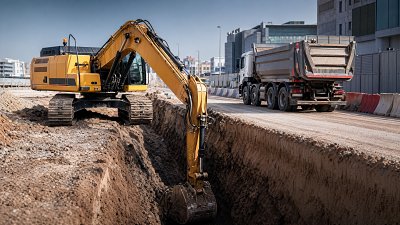
Choosing the right excavator bucket can directly affect digging efficiency, fuel use, and project costs. Whether you are comparing an excavator for sale, planning an excavator rental, or sourcing excavator parts for construction work, understanding bucket sizes is essential. This guide explains excavator bucket options in simple terms to help buyers, dealers, and project evaluators make smarter equipment decisions.
Why Excavator Bucket Size Matters More Than Many Buyers Expect
Excavator bucket size is not just a specification on a brochure. It directly influences how much material the machine can move per cycle, how stable the excavator remains during operation, how much fuel it consumes, and how fast a job can be completed. For buyers and sourcing teams, the main question is usually not “What bucket sizes exist?” but “Which bucket size is right for the machine and the job?”
In simple terms, a larger bucket can move more material, but bigger is not always better. If the bucket is too large for the excavator’s weight, hydraulic power, or arm configuration, the machine may become less efficient, slower, or harder to control. It can also increase wear on excavator parts and reduce performance in dense soil, rock, or confined job sites.
For procurement teams, dealers, and business evaluators, the practical goal is to match bucket size with material type, job conditions, and excavator class. That is where real value lies.
What Excavator Bucket Size Actually Means
When people talk about excavator bucket sizes, they usually mean one or more of the following:
- Bucket capacity – the volume of material the bucket can hold, often measured in cubic meters or cubic yards
- Bucket width – the overall width of the bucket, often measured in millimeters or inches
- Bucket weight – the bucket’s own weight, which affects lifting and digging performance
- Pin size and linkage compatibility – whether the bucket fits the excavator correctly
Among these, bucket capacity is usually the main reference point when comparing productivity. However, width and compatibility are equally important in real purchasing decisions. A bucket with the right capacity but the wrong width or mounting system can create costly problems on site.
Standard Excavator Bucket Size Ranges by Machine Class
Excavator bucket sizes vary depending on the operating weight of the excavator. While actual specifications differ by manufacturer, the following ranges provide a simple reference:
- Mini excavators (1 to 6 tons): small buckets for trenching, landscaping, and light utility work
- Mid-size excavators (7 to 20 tons): commonly used for general construction, roadwork, and municipal engineering
- Large excavators (20 tons and above): larger buckets for heavy earthmoving, quarry work, mining support, and major infrastructure projects
As machine size increases, bucket capacity generally increases as well. But the same excavator may use multiple bucket sizes for different tasks. For example, a contractor may use a narrow trenching bucket for pipeline work and a wider general-purpose bucket for bulk digging.
This is why buyers evaluating an excavator for sale should not only ask for the default bucket. They should also ask what optional bucket sizes are available and how easily buckets can be changed in the field.
How to Choose the Right Bucket Size for the Job
The best bucket size depends on job requirements, not just machine size. A practical selection process should consider the following factors:
- Material type: loose sand, clay, gravel, topsoil, demolition debris, and rock all behave differently
- Digging depth and trench width: utility and pipeline work often require narrower buckets
- Cycle time expectations: larger buckets may improve output in easy materials
- Site space: compact areas may require smaller or narrower bucket designs
- Machine limits: the excavator’s lifting capacity and hydraulic performance must support the bucket
If the work involves dense or sticky material, a smaller bucket may actually outperform a larger one because it fills more consistently and reduces machine strain. In contrast, for light bulk material in open areas, a larger bucket can improve loading efficiency.
For business buyers, this means the “largest available bucket” is rarely the safest purchasing logic. The smarter choice is the bucket that delivers the best balance of productivity, control, and component life.
Common Bucket Types and When Each One Makes Sense
Bucket size is only part of the decision. Bucket type also matters. Different designs are made for different materials and working conditions.
- General-purpose bucket: suitable for ordinary digging in soil, sand, and mixed materials
- Heavy-duty bucket: built for more abrasive conditions and tougher materials
- Rock bucket: stronger structure and wear protection for rocky ground and hard materials
- Trenching bucket: narrow width for cable, pipe, and drainage trenches
- Cleaning or ditching bucket: wider design for grading, slope finishing, and channel cleaning
For sourcing teams, this distinction is important because two buckets may have similar capacity but very different durability, weight, and intended use. A lower-cost bucket can become more expensive over time if it wears out quickly in harsh applications.
How Bucket Size Affects Productivity, Fuel Use, and Operating Cost
From a commercial perspective, excavator bucket size should be evaluated through total operating efficiency. The right bucket can improve output per hour, while the wrong one can increase costs in several ways:
- More passes needed to move the same volume of material
- Higher fuel consumption from overloaded digging cycles
- Faster wear on pins, bushings, teeth, and hydraulic components
- Reduced machine stability and slower cycle times
- Greater operator fatigue and lower control precision
For project estimators and procurement decision-makers, bucket selection affects both direct and indirect costs. A slightly higher purchase price for a well-matched bucket can often reduce repair frequency, downtime, and project delays.
Important Questions to Ask Suppliers Before Buying
When comparing excavator buckets from different manufacturers or suppliers, buyers should ask more than just price and size. Useful evaluation questions include:
- What excavator models is this bucket compatible with?
- What is the rated heaped and struck capacity?
- What material grade is used in the bucket body and wear areas?
- What is the bucket weight?
- What tooth system does it use?
- Is it designed for general-duty, heavy-duty, or rock-duty work?
- Are custom widths or reinforced options available?
- What is the expected lead time for supply and replacement excavator parts?
These questions help buyers compare real value instead of relying only on a catalog photo or a simple capacity figure. This is especially important in international B2B sourcing, where machine standards, coupler systems, and work conditions may differ across markets.
Bucket Sizing Mistakes That Often Lead to Poor Equipment Decisions
Several common mistakes appear in excavator bucket purchasing and evaluation:
- Choosing the widest bucket without checking soil density
- Ignoring bucket weight when matching with the excavator
- Assuming one bucket is enough for all applications
- Comparing only price, not service life or wear protection
- Overlooking fitment details such as pin diameter, pin center, and ear width
These mistakes can lead to reduced digging force, poor site performance, and avoidable maintenance issues. For distributors and equipment dealers, helping customers avoid these errors can also improve trust and repeat business.
A Simple Rule for Buyers: Match the Bucket to the Material and Machine
If you need a simple takeaway, use this rule: match the bucket to both the excavator and the material. Start with the machine’s recommended bucket range, then narrow the choice based on job type, soil condition, and productivity target.
For soft, loose materials, a larger bucket may be suitable. For compacted soil, rock, or demanding trench work, a smaller or more specialized bucket is often the better choice. If the excavator will handle multiple tasks, it may be more cost-effective to purchase more than one bucket rather than forcing one configuration to do everything.
This approach gives buyers a clearer basis for comparing an excavator rental, selecting excavator parts, or evaluating an excavator for sale in a competitive market.
Conclusion
Excavator bucket sizes affect much more than digging volume. They influence machine efficiency, fuel consumption, wear rate, job speed, and overall project cost. For buyers, sourcing teams, dealers, and business evaluators, the key is not to find the biggest bucket, but the most suitable one.
When assessing bucket options, focus on machine compatibility, application type, material conditions, and long-term operating value. A well-matched bucket supports better productivity and lower risk, while the wrong choice can reduce performance and increase costs. Understanding these basics makes it easier to evaluate suppliers, compare equipment options, and make better purchasing decisions in the construction machinery market.
Trending News
- Are Energy-Saving Excavators Worth It for Long-Term Operations?
- Dump Truck Supplier With Quick Delivery: What to Verify First
- Choosing Commercial Vehicle Parts for Cold Storage Reliability
- How ISO Certification Reduces Supplier Risk in Heavy Truck Chassis
- Cab Chassis Truck for Fire Department: Key Fitment Points
Tag
Recommended News
 FAQDelivery Truck for School Transportation: Safety Points Before OrderingDelivery truck supplier for school transportation: review key safety points before ordering, from braking and visibility to compliance and passenger protection.
 FAQDump Truck Sourcing Mistakes That Delay Construction ProjectsDump truck sourcing mistakes can delay construction projects, raise hidden costs, and disrupt site schedules. Learn the key risks to avoid and source smarter for faster, more reliable project delivery.
 FAQIs a Bulldozer for Construction the Right Fit for Your Site ConditionsBulldozer for construction: learn how terrain, soil, slope, and job size determine the right machine fit. Compare site conditions, avoid costly mismatches, and choose with confidence.
 FAQDump Truck OEM Quality Control Points Before Factory AcceptanceDump truck OEM quality control points before factory acceptance: learn the key checks for welding, hydraulics, brakes, and safety to reduce risk, avoid failures, and choose reliable suppliers.
 FAQTruck Trailer Bulk Order: How to Avoid Spec Drift Across BatchesTruck trailer bulk order quality can fail when specs drift across batches. Learn how to lock standards, align suppliers, and protect safety, compliance, and delivery consistency.
 FAQWhat a Dump Truck Distributor Should Offer After Vehicle DeliveryDump truck distributor support matters after delivery. Learn what to expect in spare parts, warranty, training, and technical service to reduce downtime and protect your investment.
 FAQHow to Vet a Truck Cement Distributor for Stable After-Sales SupportTruck cement distributor selection starts with after-sales strength. Learn how to vet parts support, technical response, and warranty handling to reduce downtime and choose a reliable partner.
 FAQHeavy Truck Chassis Manufacturer With R&D Capability: Questions Worth Asking FirstHeavy truck chassis manufacturer with R&D capability: discover the key procurement questions to assess customization, compliance, durability, and long-term supply before you buy.
 FAQHow to Read a Water Truck Quotation Without Missing Hidden CostsWater truck quotation guide: learn how to spot hidden costs in specs, logistics, compliance, and after-sales terms so you can compare offers accurately and buy with confidence.
 FAQHow to Read a Water Truck Quotation Before You SignWater truck quotation review guide: learn how to check specs, pricing, delivery terms, and warranty details before signing to reduce risk and secure better value.
 FAQSemi Trailer Bulk Order Terms That Can Hurt You After DeliverySemi trailer bulk order risks often appear after delivery. Learn which warranty, inspection, spare parts, and payment terms can raise costs, delay operations, and weaken your claims.
 FAQSemi Trailer OEM or ODM? A Practical Guide for Custom OrdersSemi trailer OEM or ODM? Learn how to compare cost, lead time, compliance, and customization to choose the right semi trailer OEM strategy for smarter custom orders.
 FAQSemi Trailer Bulk Order Checklist Before You Confirm Production SlotsSemi trailer bulk order buyers: use this pre-production checklist to lock specs, lead times, compliance, and payment terms before confirming factory slots with confidence.
 FAQTruck Cement Supplier FAQ: Delivery, Capacity, and After-SalesTruck cement supplier FAQ covering delivery lead times, transport capacity, fleet options, and after-sales support to help buyers compare suppliers and source with confidence.
 FAQDump Truck Supplier with Quick Delivery: How to Avoid Delays After SigningDump truck supplier with quick delivery: learn how to verify production, parts, logistics, and documents before signing to avoid costly delays and choose a reliable partner faster.
 FAQTruck Trailer Bulk Order: 7 Details That Prevent Spec DisputesTruck trailer bulk order success starts with clear specs. Discover 7 critical details that reduce disputes, protect compliance, and improve trailer purchasing decisions.
 FAQTruck Tipper Sourcing Mistakes That Lead to Delays and ReworkTruck tipper sourcing mistakes can trigger delays, fitment issues, and costly rework. Learn how to avoid spec gaps, compare suppliers smarter, and choose the right tipper for every job.
 FAQAre Fireproof Semi Trailers Necessary for Sensitive FreightSemi trailer manufacturer with fireproof materials: learn when fireproof semi trailers are essential for sensitive freight, how to reduce risk, and what buyers should verify before sourcing.
 FAQQuick Delivery Dump Truck Supply: When Speed Becomes a RiskChoosing a dump truck supplier with quick delivery? Learn how to balance speed, quality, compliance, and after-sales support to avoid costly downtime and project risk.
 FAQEXCAVATOR for Demolition: Common Attachment Mistakes to AvoidEXCAVATOR for demolition attachment mistakes can drive wear, downtime, and repair costs. Learn how to match tools correctly, protect hydraulics, and improve fleet uptime.
 FAQExcavator for Construction: Is Size or Reach the Bigger Limit?Excavator for construction: learn whether size or reach limits your job first. Compare excavator for sale and excavator rental options to improve productivity, access, and total cost.
 FAQWhat repeated fuse failures say about a truck electrical systemTruck electrical system fuse failures often reveal faults in the truck control unit, truck fuel system, or truck cooling system. Learn how to assess risk, uptime, and parts quality before buying.
 FAQTruck cooling system pressure loss: fix radiator or thermostat?Truck cooling system pressure loss: fix radiator or thermostat? Learn how truck pump, truck electrical system, truck fuel system, and truck exhaust system checks help buyers cut downtime.
 FAQWhat causes early failure in a truck pump system?Truck pump failures often start with issues in the truck fuel system, truck cooling system, or truck electrical system. Learn key causes, buyer checks, and sourcing tips for bulk cement tanker and water sprinkler truck fleets.
 FAQHydraulic Pump Noise Under Load May Point to CavitationHydraulic pump noise under load may signal cavitation. Learn how it affects wheel loader, truck tipper, truck trailer, truck concrete and off road truck systems before costly downtime.