Excavator Manufacturer Trends in Infrastructure Development 2026
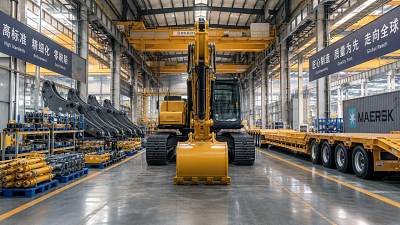
Infrastructure spending is moving into a more execution-focused phase ahead of 2026, and equipment selection is becoming more strategic than ever. For projects tied to roads, bridges, municipal systems, mining corridors, and logistics parks, the choice of an excavator manufacturer for infrastructure development now affects uptime, project speed, lifecycle cost, and even procurement resilience across the broader land transport equipment chain.
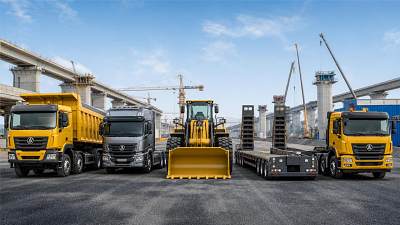
That shift matters because excavators no longer operate as isolated machines. They sit inside connected fleets that include heavy trucks, trailers, spare parts networks, and digital service systems. In practice, the strongest manufacturers are those that support not only machine performance, but also supply continuity, dealer responsiveness, parts traceability, and integration with cross-border sourcing channels.
Why excavator manufacturer trends matter in 2026
The headline trend is simple: infrastructure owners want faster delivery with lower operational risk. That changes how an excavator manufacturer for infrastructure development is evaluated.
Price still matters, but it is no longer enough. Availability, production capacity, emissions compliance, telematics, hydraulic efficiency, and aftermarket coverage now shape real project value.
Another change comes from geographic diversification. Buyers are comparing established global brands with emerging regional suppliers, especially where infrastructure pipelines are expanding faster than traditional supply channels can respond.
For land transport equipment markets, this matters because construction progress influences truck utilization, aggregate hauling, municipal logistics, and industrial transport demand. Excavator decisions often ripple across the full equipment ecosystem.
What defines a strong excavator manufacturer for infrastructure development
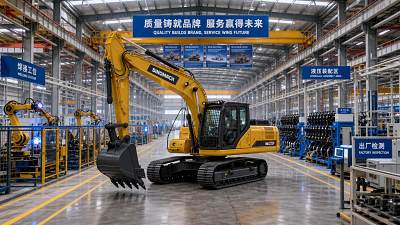
A capable supplier is not defined by product brochures alone. The stronger benchmark is whether the manufacturer can support large, time-sensitive infrastructure programs under real field conditions.
Core capabilities that now carry more weight
- Stable production planning for medium and large excavator classes.
- Reliable parts supply for hydraulic, undercarriage, and engine systems.
- Support for fleet monitoring, predictive maintenance, and remote diagnostics.
- Compliance with local safety, emissions, and documentation requirements.
- Experience serving contractors involved in transport corridors and public works.
In other words, an excavator manufacturer for infrastructure development must be judged as a long-term operating partner. That is especially true when equipment will be deployed in remote, harsh, or politically complex markets.
The link between excavators and the wider transport equipment chain
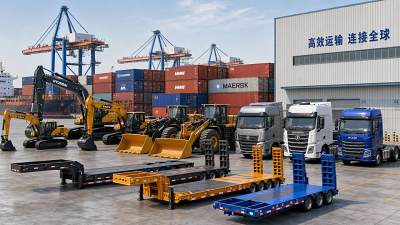
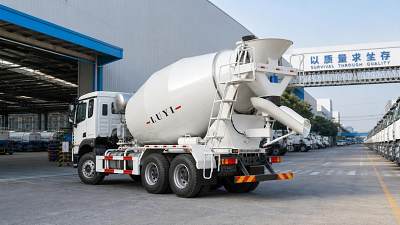
Excavators shape productivity on site, but infrastructure projects depend on much more than digging performance. Truck chassis, dump trucks, tractor units, trailers, and spare parts networks determine how efficiently material moves after excavation begins.
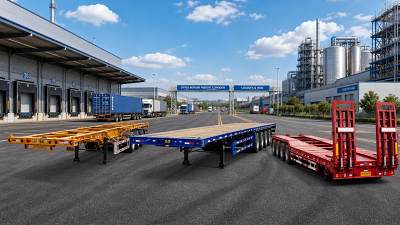
This is where integrated B2B industry platforms are becoming more relevant. A digital marketplace focused on commercial vehicles and heavy equipment helps buyers compare machinery suppliers alongside transport equipment partners, reducing fragmented sourcing.
The advantage is practical rather than promotional. When a platform brings together construction machinery, complete trucks, semi-trailers, chassis systems, and component suppliers, procurement teams gain better visibility across the project equipment stack.
That visibility helps when evaluating an excavator manufacturer for infrastructure development, because delivery reliability often depends on adjacent systems such as attachments, haulage compatibility, service coverage, and local spare parts access.
Key trends shaping manufacturer selection
Electrification remains selective
Battery-electric excavators are gaining attention, especially in urban and municipal projects. Still, diesel and hybrid platforms will remain dominant in heavy infrastructure through 2026 because range, charging access, and duty cycles remain limiting factors.
Smart fleet functions are moving into mainstream sourcing
Telematics is no longer optional on higher-value projects. Buyers increasingly expect fault alerts, fuel tracking, idle management, utilization reports, and maintenance scheduling as standard capabilities.
Supply chain resilience is becoming a formal selection criterion
Recent disruptions changed procurement logic. A strong excavator manufacturer for infrastructure development now needs diversified sourcing, transparent lead times, and regional service support that can absorb shocks.
Application-specific product design matters more
Road building, quarry work, drainage projects, and urban utility installation do not require the same machine balance. Manufacturers with clear specialization often deliver stronger operating economics than those pushing a one-size-fits-all range.
Where the greatest business value appears
The value of the right supplier usually appears in five areas: schedule protection, maintenance control, operator efficiency, fuel discipline, and resale strength.
These factors often matter more than the initial quote. A lower purchase price can become expensive if idle time, freight delays, or spare parts shortages disrupt utilization.
Typical infrastructure scenarios and manufacturer fit
Different project environments call for different supplier strengths. The right excavator manufacturer for infrastructure development depends heavily on operating context.
- Highway and bridge projects favor manufacturers with strong large-tonnage ranges and dependable field service.
- Urban municipal work often prioritizes compact swing designs, lower noise, and tighter emissions performance.
- Mining and quarry applications require durability, reinforced structures, and proven attachment ecosystems.
- Logistics park and industrial site development benefits from suppliers that coordinate well with truck and trailer equipment planning.
- Cross-border projects need strong export documentation, multilingual support, and predictable spare parts channels.
This is why many buyers now use sector-focused B2B platforms for early screening. Access to brand directories, product catalogs, industry insights, and supplier comparisons shortens the path from market scan to shortlist.
How to evaluate suppliers without relying on brand reputation alone
Brand recognition can be useful, but it should not replace due diligence. In practical sourcing, the better question is whether a manufacturer can serve a specific project profile at the required scale.
Useful evaluation signals
- Reference cases in similar road, utility, or industrial infrastructure programs.
- Documented lead times for machines, attachments, and critical spare parts.
- Regional distributor depth and technical training capability.
- Digital transparency in quoting, documentation, and service history.
- Ability to support mixed fleets connected with haulage trucks and trailers.
A structured sourcing process also reduces hidden risks. Comparing manufacturers through a platform that covers heavy trucks, construction machinery, and components can reveal whether a supplier is truly embedded in global industrial trade networks.
What the next step should look like
The 2026 market will reward careful alignment between machine capability and project reality. That means defining application requirements before comparing brands, then checking whether each excavator manufacturer for infrastructure development can support the full operating cycle.
A useful next move is to map equipment needs against project duration, hauling workflows, service geography, and compliance demands. From there, supplier comparison becomes more objective and less dependent on broad claims.
Where procurement spans excavators, trucks, trailers, and spare parts, using a specialized global industry platform can improve visibility and reduce sourcing friction. The goal is not simply to buy a machine, but to build a dependable infrastructure equipment chain that can perform under real commercial conditions.
Trending News
- How to choose a refrigerated truck for multi-stop urban deliveries
- Tata Motors Returns to Q2 Profit on Strong Commercial Vehicle Demand
- How to load an excavator onto a lowbed trailer without tipping
- China’s New Energy Heavy Truck Sales Share Exceeds 50% in September 2026
- CATL Unveils Heavy-Truck Battery Range Extension, Signs Deals for 13,000 Vehicles
Tag
Recommended News
 Market Analysis2026 Construction Machinery Price Trends: What Is Driving Total Equipment Costs?Construction machinery price trends in 2026 are shaped by steel, freight, technology, and compliance. See what really drives total equipment costs and make smarter buying decisions.
 Market AnalysisTruck Parts Price Trends in 2026: What Is Driving Costs?Truck parts price trends in 2026 are reshaping fleet budgets. Discover what drives rising costs, where risks hide, and how smarter sourcing can protect uptime and margins.
 Market AnalysisTruck Parts Price Trends in 2026: What Drives CostsTruck parts price trends in 2026 reveal what drives rising costs across road transport equipment. Explore key cost factors, sourcing risks, and smarter buying strategies.
![]() Market AnalysisDump Truck Manufacturer Trends in 2026: Materials, Emissions, and UptimeDump truck manufacturer trends for 2026: discover how materials, emissions strategy, and uptime planning are reshaping fleet value, supplier selection, and long-term operating performance.
Market AnalysisDump Truck Manufacturer Trends in 2026: Materials, Emissions, and UptimeDump truck manufacturer trends for 2026: discover how materials, emissions strategy, and uptime planning are reshaping fleet value, supplier selection, and long-term operating performance. Market AnalysisConstruction Machinery Price Trends: What to Expect From 2026 Supply CostsConstruction machinery price trends for 2026 may be shaped by steel, freight, labor, and compliance costs. See where prices may rise and how buyers can plan smarter sourcing.
 Market AnalysisBulldozer Producer Comparison: What Matters Beyond Engine Power in 2026Bulldozer producer comparison in 2026 goes beyond engine power. Discover how uptime, parts access, service coverage, and lifecycle value shape the smartest buying decisions.
 Market AnalysisInfrastructure Excavator Demand in 2026: What Manufacturers Need to WatchExcavator manufacturer for infrastructure development trends in 2026: learn what to watch in demand shifts, uptime, emissions, parts, and supplier readiness to stay competitive.
 Market AnalysisExcavator Manufacturer Trends in Infrastructure Development 2026Excavator manufacturer for infrastructure development trends in 2026: compare uptime, telematics, parts support, and sourcing resilience to choose smarter, lower-risk equipment.
 Market AnalysisMining Truck Trends in 2026: Payload, Safety, and Total Cost OutlookMining truck trends in 2026: explore payload strategy, smarter safety systems, and total cost insights to choose the right fleet and improve long-term mining performance.
![]() Market AnalysisCrane Truck OEM Trends Shaping 2026 Fleet PlanningCrane truck OEM trends for 2026 fleet planning: compare compliance, uptime, integration, and lifecycle cost across construction, utility, and transport fleets.
Market AnalysisCrane Truck OEM Trends Shaping 2026 Fleet PlanningCrane truck OEM trends for 2026 fleet planning: compare compliance, uptime, integration, and lifecycle cost across construction, utility, and transport fleets. Market AnalysisTruck Tipper OEM or Standard Model: Which Lowers Lifetime Cost?Truck tipper OEM or standard model? Discover which choice cuts lifetime cost through better payload, lower downtime, and stronger resale value for demanding transport operations.
 Market AnalysisDump Truck Distributor Trends in 2026: Margin, Stock, and ServiceDump truck distributor trends in 2026: discover how to protect margin, optimize stock, and strengthen service to stay competitive and win more heavy truck business.
 Market AnalysisGlobal Heavy-Duty EV Battery Prices Drop 8.2% WeeklyHeavy-Duty EV Battery prices drop 8.2% weekly—driven by LMFP scale-up & lower freight. Key insight for global procurement, OEMs & supply chain players.
 Market AnalysisConstruction Machinery Price Trends in 2026: What Is Driving Total Cost UpConstruction machinery price trends in 2026 are driving total ownership costs higher. Discover the key cost factors, scenario-based risks, and smarter buying strategies.
 Market AnalysisChina's Heavy-Duty Truck Export Avg. Price Up 11.3% in Jan–Apr 2026China's heavy-duty truck export avg. price up 11.3% in Jan–Apr 2026 — driven by surging demand for battery-electric tractors and L3 mining trucks.
 Market Analysis2026 China Excavator Manufacturers: What Sets the Best ApartExcavator manufacturer in China selection in 2026 goes beyond price. Discover how top brands stand out in quality, export support, durability, and lifecycle value.
 Market AnalysisHeavy Duty Trucks for Sale in Middle East: Cost and Spec TrendsHeavy duty trucks for sale in Middle East: explore 2024–2025 cost shifts, spec trends, and smart sourcing tips to compare suppliers, reduce fleet risk, and improve long-term ROI.
 Market AnalysisDelivery Truck Supplier with Cost-Effective Solutions: 2026 Market OutlookDelivery truck supplier with cost-effective solutions: explore the 2026 market outlook, compare total ownership costs, supplier reliability, and aftersales support to choose smarter fleet investments.
 Market AnalysisFlatbed Trailer Supplier with Modular Design: Flexibility vs Maintenance CostFlatbed trailer supplier with modular design: compare flexibility, maintenance cost, parts support, and lifecycle value. Use this practical checklist to choose smarter.
 Market AnalysisInfrastructure Projects Need More Than a Machinery SupplierConstruction machinery supplier for infrastructure projects should deliver more than equipment. Learn how to compare reliable partners, reduce risk, and secure lifecycle support.
 Market AnalysisTruck Trailer Distributor Trends Shaping Regional Market Growth in 2026Truck trailer distributor trends for 2026 reveal how regional logistics, compliance, sourcing, and service strategy drive market growth. Explore key insights for smarter expansion.
 Market AnalysisConstruction Machinery Price Trends in 2026: What Shapes Final QuotesConstruction machinery price trends in 2026 depend on specs, compliance, freight, and service. Learn what shapes final quotes and compare suppliers with more confidence.
 Market AnalysisExcavator Manufacturer in China: How to Compare Quality Across FactoriesExcavator manufacturer in China selection is no longer about price alone. Learn how to compare factory quality, reliability, safety, and after-sales support for smarter sourcing.
 Market AnalysisTruck Cement Mixer Manufacturer Comparison: Capacity, Build, and Lead TimeTruck cement mixer manufacturer comparison guide covering capacity, build quality, and lead time to help buyers reduce risk, improve uptime, and choose the right supplier faster.
 Market AnalysisPortable Construction Machinery Supplier Options for Fast-Changing Job SitesExplore how a construction machinery supplier with portable options can help fast-changing job sites stay efficient, reduce relocation delays, and improve uptime with smarter sourcing.