Manzhouli Smart Sealing Cuts TIR-Rail Clearance to 3.2 Hours
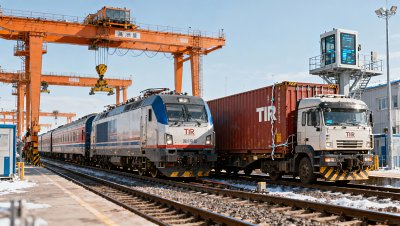
On June 16, 2026, Manzhouli Customs launched a smart electronic sealing system for TIR-rail intermodal transport at the Manzhouli port on the China-Europe Railway Express eastern corridor. The update matters not only because it reduces average clearance time on the pilot Tianjin-Duisburg route from 12.6 hours to 3.2 hours, but also because it changes how customs data verification, seal handling, and status visibility are managed for time-sensitive cross-border cargo. For exporters, freight forwarders, rail-linked logistics providers, and shippers of complete vehicles and new energy heavy-truck chassis, the more immediate issue is whether this shorter and more transparent clearance process can translate into more predictable delivery commitments.
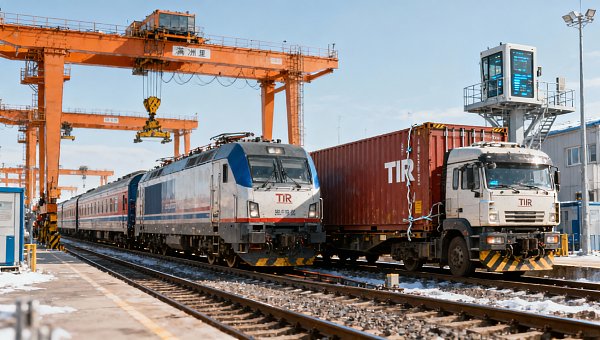
What Has Been Put in Place at Manzhouli
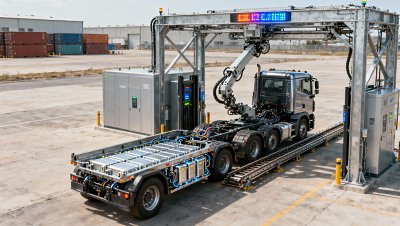
According to the information provided, Manzhouli Customs officially brought the smart electronic sealing system for TIR-rail multimodal transport online on June 16, 2026. The system enables automatic verification between TIR carnet information and China-Europe Railway Express waybill data, supports remote sealing and unsealing, and provides real-time status updates.
The first pilot phase covers the Tianjin-Duisburg route. On that route, the average customs clearance time has been reduced from 12.6 hours to 3.2 hours.
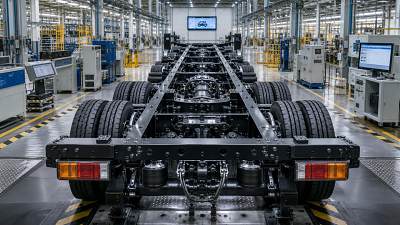
The system has also been connected to the international trade Single Window. This allows overseas freight forwarders to check seal status and estimated release time online. The information provided further indicates that the change improves delivery certainty for time-sensitive cargo moving between China and Europe, including complete vehicles and new energy heavy-truck chassis.
Why Different Supply Chain Roles Are Watching This Move
Exporters handling time-sensitive cargo
From an industry perspective, exporters of goods with tight delivery windows may be among the most directly affected. The reported reduction in clearance time and the added visibility into seal status can matter most at the handoff between road-based TIR movement, railway transport, and customs release. What deserves closer attention is whether exporters can use this added predictability to tighten delivery scheduling and reduce uncertainty in outbound planning on the pilot route.
Overseas forwarders and cross-border coordinators
For overseas freight forwarders, the online access to seal status and estimated release time is likely to affect customer communication and exception handling. The main impact is not simply speed, but the ability to monitor cargo progress at a more operational level. Analysis shows that this could improve coordination around pickup timing, onward transport arrangements, and consignee updates, especially where clients are sensitive to release timing.
Rail-linked logistics and intermodal service providers
Service providers operating across TIR and rail segments may be affected at the document-matching and transfer stages. Because the system verifies TIR and railway waybill data automatically and supports remote sealing functions, the practical focus shifts toward data consistency, process discipline, and milestone tracking. What deserves closer attention is whether providers can align their operating procedures with the new digital workflow without creating new document or handover bottlenecks.
Manufacturers and buyers relying on delivery certainty
For manufacturers, procurement teams, and downstream buyers dealing with complete vehicles or new energy heavy-truck chassis, the reported benefit is delivery certainty rather than a broad logistics cost conclusion. Observably, the business relevance is strongest where production schedules, inventory timing, or customer commitments depend on cargo moving through the Manzhouli gateway with fewer clearance delays.
What Companies Should Watch in Practical Terms
How the pilot route translates into actual operating rules
Analysis shows that companies should distinguish between a confirmed pilot result and broader operational normalization. The confirmed facts relate to the Tianjin-Duisburg route and the stated system functions. Businesses should therefore watch how official wording, operating procedures, or route-specific arrangements evolve after the initial rollout.
Document accuracy across TIR and rail data
Because the system is built around automatic verification between TIR carnet information and railway waybill data, document accuracy becomes a practical control point. For shippers, forwarders, and service partners, this makes data preparation and consistency more important in day-to-day execution, especially where release timing is tied to digital verification rather than manual coordination.
Customer communication for high-sensitivity cargo
For companies shipping complete vehicles, new energy heavy-truck chassis, or other time-sensitive cargo named in the provided information, the immediate focus should be on delivery communication. What deserves closer attention is how to use the visible seal status and estimated release time in customer updates, exception notices, and internal delivery planning without overpromising beyond the pilot conditions already confirmed.
Readiness across overseas and domestic coordination teams
The system's connection to the Single Window and the visibility granted to overseas forwarders suggest that communication practices may need adjustment. Companies should pay attention to whether their domestic customs, rail coordination, and overseas forwarding teams are working from the same status milestones and release expectations.
How This Update May Be Best Understood Right Now
Observably, this development is more than a narrow customs technology update because it combines verification, remote seal handling, and status transparency within a TIR-plus-rail workflow. At the same time, it is more appropriate to understand this as a targeted operational signal rather than a final conclusion about all China-Europe rail or multimodal corridors.
Analysis shows that the strongest immediate meaning lies in process reliability for a specific gateway and pilot route. The shorter clearance window is a confirmed result within the provided scope, but the broader industry significance still depends on whether similar gains prove sustainable in repeated operations and whether the model extends beyond the initial application scenario.
What the Industry Signal Adds Up To
At this stage, the Manzhouli rollout points to a more digitized and visible customs handover process for TIR-rail multimodal cargo on the eastern corridor of the China-Europe Railway Express. Its clearest confirmed significance is the compression of average clearance time on the pilot route and the improved visibility now available to overseas forwarding parties.
From an industry perspective, the update is best read as a meaningful operational development with direct relevance for time-sensitive cargo flows, rather than as a complete reshaping of the broader market. The next phase to watch is not abstract market impact, but how consistently the new process performs in actual business execution.
Basis of This Article and What Still Needs Verification
This article is based on the user-provided news title, event date, and event summary. The analysis above separates confirmed facts from interpretation and does not add unverified data, company names, market figures, or external conclusions.
For this type of industry update, source categories typically worth checking include official customs announcements, company disclosures, industry association information, authoritative media reporting, and relevant standards or procedural documents. A specific official source link was not provided in the input, so further verification remains necessary as follow-up information appears.
What still deserves continued attention includes any later official clarification on operating scope, route coverage, implementation details, and whether the reported clearance gains remain consistent beyond the initial pilot application.
Trending News
- How to compare concrete mixer truck suppliers by total landed cost
- How axle load limits affect low bed trailer exports to Southeast Asia
- How to locate a truck exhaust system leak before replacing parts
- When does heavy equipment transport require a lowboy trailer?
- When does a light commercial vehicle for urban delivery save fleet costs?
Tag
Recommended News
 Technology & InnovationConstruction Machinery OEM: Key Specs That Affect Integration QualityConstruction machinery OEM selection starts with specs. Learn how dimensions, hydraulics, electrical interfaces, and documentation shape integration quality, safety, and uptime.
 Technology & InnovationHow Truck Body Design Affects Payload and Fuel EfficiencyTruck body design directly affects payload, fuel efficiency, and operating cost. Learn how the right truck body boosts performance, reduces waste, and improves fleet value.
 Technology & InnovationHydraulic Pump Selection Mistakes That Lead to DowntimeHydraulic pump selection mistakes can quietly trigger costly downtime in transport equipment. Learn what to verify before buying and choose with more confidence.
 Technology & InnovationManzhouli Smart Sealing Cuts TIR-Rail Clearance to 3.2 HoursManzhouli Smart Sealing cuts TIR-rail clearance to 3.2 hours, boosting visibility and delivery certainty for China-Europe cargo. See what it means for exporters and forwarders.
 Technology & InnovationConstruction Machinery OEM vs ODM: Key Differences That Affect QualityConstruction machinery OEM vs ODM explained: discover how design control, parts consistency, and lifecycle quality affect performance, sourcing risk, and smarter buying decisions.
 Technology & InnovationBULLDOZER with GPS Tracking: Benefits for Jobsite ControlBULLDOZER with GPS tracking improves jobsite control with better grading accuracy, fleet coordination, and uptime. See how it reduces rework and boosts project efficiency.
 Technology & InnovationGlobal Heavy-Duty Autonomous Trucks Near CommercializationHeavy-duty autonomous trucks are nearing commercialization — 200+ L4 vehicles deployed in Saudi & Chilean mines, delivering 120,000+ km fault-free haulage.
 Technology & InnovationWhen to Use an Excavator With Long Reach Boom on SiteEXCAVATOR with long reach boom guide: learn when it adds real value for dredging, demolition, slopes, and drainage jobs to improve safety, access, and site efficiency.
 Technology & InnovationGlobal Heavy-Duty Autonomous Truck Testing Reaches Commercial Inflection PointHeavy-duty autonomous truck testing hits commercial inflection point: 1M km L4 mining ops in Saudi Arabia & Chile — key for OEMs, mining logistics & global off-road transport.
 Technology & InnovationWhat Advanced Technology Means in Heavy Truck Chassis DesignDiscover how a heavy truck chassis manufacturer with advanced technology improves strength, durability, payload efficiency, and integration for demanding transport needs.
 Technology & InnovationChina Adds Tractor-Trailers' Battery-Swap Systems to NEV Bus Subsidy SchemeBattery-swap systems for tractor-trailers now qualify for China’s NEV bus subsidy—up to ¥32,000 per system. Key for logistics, mining & port electrification.
 Technology & InnovationPortable Construction Machinery Supplier: Where Mobility Improves Jobsite OutputConstruction machinery supplier with portable options helps contractors cut mobilization time, improve transport efficiency, and boost jobsite output across road, municipal, and multi-site projects.
 Technology & InnovationChina Adds Heavy-Duty Tractor Battery-Swap Systems to EV Bus Subsidy SchemeHeavy-duty tractor battery-swap systems now qualify for China’s 2026 EV bus subsidy—30% off, up to ¥280,000. Act before Dec 31!
 Technology & InnovationDo Energy-Saving Excavators Lower Fuel Use in Daily Jobsite Operations?Excavator manufacturer with energy-saving features: discover how smarter hydraulics, auto idle, and telematics can cut daily fuel use, improve uptime, and lower jobsite operating costs.
 Technology & InnovationL4 Autonomous Trucks Launch on Tianjin Port–Xiong’an RouteL4 autonomous trucks launch on Tianjin Port–Xiong’an route—first routine platooned operations in China’s strategic logistics corridor. Watch EU & Gulf certification unfold.
 Technology & InnovationAre Energy-Saving Excavators Worth It for Long-Term Operations?Excavator manufacturer with energy-saving features: discover if lower fuel use, reduced downtime, and stronger long-term ROI make these machines the smart choice for demanding operations.
 Technology & InnovationSouth China Pioneer Studio Wins Youth May 4th Award for Smart Truck CertificationSmart truck certification breakthrough: South China Pioneer Studio wins Youth May 4th Award for EU R155/R156 compliance — a game-changer for global陆路运输设备 exports.
 Technology & InnovationL4 Autonomous Container Trucks Begin Trial on Tianjin Port–Xiong'an CorridorL4 autonomous container trucks begin trial on Tianjin Port–Xiong'an Corridor—key milestone for cross-border logistics, heavy-equipment transport & smart intermodal supply chains.
 Technology & InnovationQuick Installation Excavators: Do They Reduce Setup Time on Real Sites?Excavator manufacturer with quick installation: discover whether fast-deploy excavators truly cut real-site setup time, lower labor costs, and improve uptime before you buy.
 Technology & InnovationModular Flatbed Trailers: When Design Flexibility Improves UtilizationFind out how a flatbed trailer supplier with modular design helps fleets boost utilization, adapt to varied loads, cut idle assets, and improve long-term ROI.
 Technology & InnovationPortable Construction Machinery: Where Flexible Equipment Saves TimeConstruction machinery supplier with portable options helps cut relocation time, improve transport efficiency, and keep projects moving faster across changing job sites.
 Technology & InnovationSemi Trailer Manufacturer with Lightweight Design: Is Lower Weight Worth It?Semi trailer manufacturer with lightweight design: discover when lower weight boosts payload, fuel savings, and fleet ROI—and when durability, compliance, and repair costs matter more.
![]() Technology & InnovationWhy Quick Installation Matters When Choosing an Excavator ManufacturerExcavator manufacturer with quick installation: discover how faster setup cuts downtime, simplifies maintenance, improves reliability, and keeps heavy equipment projects on schedule.
Technology & InnovationWhy Quick Installation Matters When Choosing an Excavator ManufacturerExcavator manufacturer with quick installation: discover how faster setup cuts downtime, simplifies maintenance, improves reliability, and keeps heavy equipment projects on schedule. Technology & InnovationHow Modular Design Changes the Value of a Flatbed Trailer SupplierFlatbed trailer supplier with modular design: discover how modular platforms cut lifecycle costs, boost fleet flexibility, and improve ROI for logistics, construction, and industrial buyers.
 Technology & InnovationHow Portable Construction Machinery for Mining Helps Remote Projects Move FasterConstruction machinery for mining helps remote projects move faster with easier transport, quick setup, and flexible deployment. Learn how to cut delays and improve site efficiency.