Truck Trailer Price Trends: Why Some Quotes Rise Faster Than Steel
Truck trailer price shifts rarely follow steel costs alone. From freight volatility and supplier concentration to compliance upgrades and lead-time risk, today’s truck trailer price quotes can rise faster than expected. For buyers comparing a truck trailer for sale, semi trailer for sale, or even related equipment like a dump truck for sale, understanding these pricing drivers is essential before sourcing decisions turn into costly surprises.
In the road transport equipment market, pricing is now shaped by a chain of variables that starts with raw materials but quickly expands into logistics, component availability, regional regulations, financing conditions, and factory scheduling. That is why two apparently similar trailer quotations can show a 10%–25% gap within the same quarter.
For information researchers, procurement teams, commercial evaluators, and distributors, the challenge is no longer finding a truck trailer for sale. The real challenge is identifying which quote is structurally sound, which one hides risk, and which supplier can support stable cross-border delivery. This article examines why truck trailer price trends often move faster than steel and how B2B buyers can respond with better sourcing decisions.
Why Truck Trailer Price Quotes Move Beyond Steel Costs
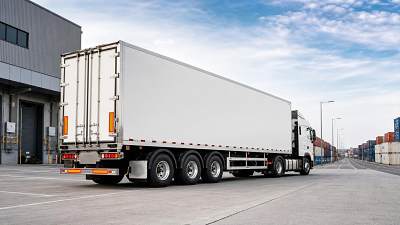
Steel remains a major cost input for a semi trailer for sale, but it is only one layer of the final quote. Depending on trailer type, steel and fabricated structural materials may account for roughly 35%–55% of factory cost. The remaining share can come from axles, suspension systems, tires, landing gear, braking components, electrical harnesses, paint systems, and labor-intensive assembly.
This matters because several of those components are more volatile than steel itself. A sudden shortage of axles, ABS modules, or high-load tires can push trailer prices upward within 2–6 weeks, even when steel prices remain flat. In export-oriented manufacturing, price movement can also reflect exchange rate changes, inland transport cost, and shipping booking pressure.
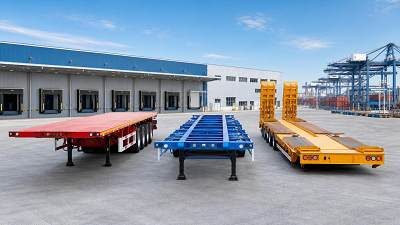
Buyers also need to understand that pricing behavior differs by trailer category. A flatbed, lowbed, tipper, fuel tanker, and skeletal container trailer do not react to the same cost signals in the same way. A dump trailer or heavy-duty lowbed usually carries more specialized structural and hydraulic requirements, which makes its quote more sensitive to engineering and compliance upgrades than a simpler platform trailer.
Another hidden factor is factory capacity allocation. When order books extend from 3 weeks to 10 weeks, suppliers often revise prices because overtime labor, subcontracted fabrication, and expedited procurement increase operating cost. In high-demand periods tied to infrastructure cycles or fleet renewal programs, quotes can rise faster than material indexes suggest.
Core cost drivers behind fast quote increases
The most frequent drivers in road transport equipment sourcing include the following:
- Component concentration: 2–3 critical suppliers dominating axles, brake systems, or hydraulic kits can create sudden cost spikes.
- Freight disruption: port congestion or route adjustments can add 7–21 days and increase landed cost well beyond ex-works pricing.
- Regulatory changes: lighting, reflective markings, braking systems, or axle load compliance can alter bill of materials quickly.
- Customization creep: seemingly minor changes in deck length, side wall height, or suspension type can add 5%–15% to the quote.
The table below shows how common pricing drivers affect trailer quotations beyond steel alone.
The key takeaway is simple: if a buyer tracks only steel, the quote may still move sharply because the real pricing engine includes parts availability, compliance, and logistics. For B2B sourcing teams, a good trailer quote is one that exposes these variables clearly instead of hiding them in a single total price.
How Market Structure and Lead-Time Risk Push Prices Higher
Truck trailer price trends are strongly influenced by market structure. In many manufacturing regions, fabrication capacity is broad, but high-reliability component supply is still concentrated. This means the factory that welds the chassis may be easy to find, while the supplier able to deliver consistent axle sets, brake chambers, and certified electrical systems on time may be much harder to secure.
Lead-time risk becomes expensive when procurement windows are narrow. If a buyer needs 20 units in 30–45 days for a logistics contract launch, the supplier may need to reserve production slots, prioritize parts purchasing, or shift labor across lines. These actions create a premium even before shipping is booked.
Distributors and agents are especially exposed because delayed delivery does not only increase purchase cost. It can also affect dealer turnover, inventory planning, and customer confidence. A low quote with a 12-week uncertain delivery may be commercially weaker than a slightly higher quote with confirmed component schedules and an 8-week production timeline.
This is one reason global B2B platforms are increasingly valuable. When buyers can compare multiple suppliers, review product ranges, and align quotation logic with actual delivery capability, they reduce the risk of choosing a low initial offer that later becomes a high landed-cost mistake.
Lead-time pressure points buyers should verify
Production slot availability
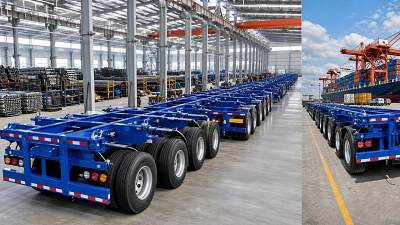
Ask whether the quoted delivery is based on an open production slot or on expected factory availability. The difference can be 2–5 weeks. For standard skeletal or flatbed trailers, the schedule may be more stable. For lowbed, side tipper, or tanker units, slot pressure is often higher because assembly complexity is greater.
Critical component booking
A factory may quote quickly, but if axles, landing legs, or hydraulic cylinders are not reserved, the delivery promise can slip. Buyers should request confirmation of which components are in stock, which are on rolling purchase plans, and which require external scheduling.
Shipping coordination
Export trailer orders often involve 1–3 additional coordination stages after manufacturing: inspection, port transfer, and vessel or RORO booking. In tight freight markets, these stages can add 10–20 days and affect total cost if demurrage, storage, or rebooking occurs.
The comparison below helps commercial buyers evaluate whether a quotation is low-risk or only low at first glance.
For procurement personnel, the most effective defense against sudden price escalation is not aggressive bargaining alone. It is a disciplined review of supply concentration, milestone timing, and quotation transparency before issuing a purchase decision.
What Buyers Should Compare When Reviewing a Truck Trailer for Sale
When reviewing a truck trailer for sale, many buyers still compare headline price first and technical details second. In today’s market, that order should be reversed. Two semi trailer for sale listings may look similar in photos and general dimensions, yet differ significantly in payload design margin, suspension type, axle rating, paint durability, and spare parts compatibility.
This issue becomes even more important for cross-border trade because the total ownership picture includes not only purchase price but also registration suitability, operating wear, maintenance intervals, and parts sourcing after delivery. A quote that is 8% lower up front can become 15% more expensive over 12–24 months if the trailer uses difficult-to-source running gear or lacks regional service support.
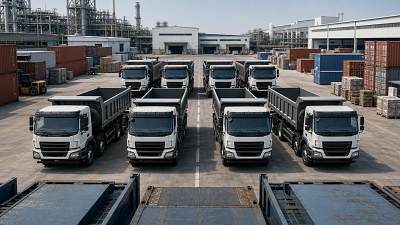
Commercial evaluators should therefore score each quotation across technical, operational, and delivery factors. This method works not only for trailers but also for adjacent equipment categories such as a dump truck for sale, where body structure, hydraulics, and duty cycle directly affect lifecycle cost.
A platform serving the global heavy truck industry is especially useful here because it allows buyers to compare suppliers, product categories, and market insights in one workflow instead of collecting fragmented information from isolated sellers.
Practical comparison checklist
- Confirm payload class, axle layout, and suspension configuration against actual route conditions rather than brochure descriptions.
- Check whether dimensions and braking systems match destination-country road rules and fleet requirements.
- Review wear parts availability for the next 12 months, especially tires, brake shoes, air valves, and seals.
- Compare warranty scope, inspection process, and documentation package, not just factory price.
The following table gives a structured approach for quote comparison.
A structured comparison often reveals that the best-value quote is not the cheapest unit price. It is the one that balances technical fit, predictable lead time, and realistic support cost over the operating cycle.
How to Build a Smarter Procurement Process for Trailer Sourcing
Procurement teams can reduce price shock by moving from reactive quote collection to a staged sourcing process. Instead of asking for a price first, define duty cycle, cargo profile, route condition, expected annual mileage, and target delivery window. A trailer used for container drayage on paved corridors is not specified the same way as a unit serving aggregate, mining support, or municipal engineering routes.
A practical sourcing process typically has 5 steps. First, define technical requirements. Second, shortlist suppliers with matching export and product capability. Third, compare quotations using a standardized matrix. Fourth, validate lead time, quality checkpoints, and documentation. Fifth, align shipping and after-sales support before payment release.
This approach is especially useful for distributors and agents who must protect downstream reputation. If the purchased truck trailer for sale arrives late or differs from promised specification, the distributor absorbs not only cost but also market trust loss. Standardizing evaluation criteria helps prevent those problems at the source.
The Global Heavy Truck Industry Platform supports this process by connecting buyers with manufacturers and suppliers across chassis, complete trucks, trailers, semi-trailers, construction machinery, and spare parts. That broader supply-chain visibility can help buyers compare not just one quote, but the market logic behind several quotes.
Suggested 5-step sourcing workflow
- Prepare a requirement sheet covering load range, axle count, road condition, and target Incoterm.
- Request itemized quotations with validity period, component list, and production lead time.
- Run a technical and commercial scorecard across at least 3 suppliers.
- Confirm inspection method, spare parts scope, and export documentation before deposit.
- Track production milestones every 7–10 days until shipment.
Common procurement mistakes
Three mistakes are especially common. The first is comparing ex-works and landed prices as if they were equivalent. The second is approving a quotation without a clear component breakdown. The third is accepting a short lead time promise without checking whether materials and key parts are already allocated.
In volatile markets, quote validity matters as much as quote value. A 7-day validity window may reflect a real supply environment, while an open-ended offer may simply hide future revision risk. Serious buyers should document escalation triggers such as material movement, component substitution, or freight changes.
FAQ: Price Risk, Delivery Timing, and Supplier Evaluation
How long is a truck trailer quotation usually valid?
In active export markets, quotation validity commonly ranges from 7 to 15 days. For more stable standard trailers, some suppliers may hold pricing for up to 30 days. Short validity does not automatically mean poor service; it often reflects changing component and freight conditions. Buyers should ask what factors can trigger revision during that period.
Why can a semi trailer for sale become more expensive after initial discussion?
The most common causes are specification upgrades, changes in axle or tire brand, longer deck or box dimensions, compliance additions, and freight movement. Even a modest design change, such as upgrading suspension or reinforcing the chassis for harsher roads, can lift the final quote by 5%–12%.
What lead time should buyers expect for export trailer orders?
For standard configurations, a typical production window may be 4–8 weeks. Specialized units such as lowbeds, tankers, or heavy-duty dump configurations may require 6–10 weeks, especially if hydraulic systems or region-specific compliance parts are involved. Export handling can add another 1–3 weeks depending on port conditions.
Is the lowest quote a good choice for distributors or agents?
Not always. For dealer networks, the better choice is often the quote with stable specification, repeatable supply, and predictable spare parts support. A unit that saves 3% at purchase but causes delayed delivery or difficult service claims can weaken resale margin and customer retention over the next 6–12 months.
How can buyers reduce sourcing risk in international road transport equipment trade?
Use a structured supplier comparison process, request technical detail in writing, verify lead-time logic, and source through channels that provide access to multiple qualified manufacturers and market information. Platforms focused on the global heavy truck and equipment supply chain can help buyers compare products, suppliers, and trade conditions more efficiently than one-to-one outreach alone.
Truck trailer price trends are being shaped by far more than steel. Component concentration, freight volatility, compliance demands, factory scheduling, and delivery risk all influence how fast a quote can move. For buyers evaluating a truck trailer for sale, a semi trailer for sale, or related equipment such as a dump truck for sale, better pricing decisions come from deeper quote analysis rather than headline cost comparison.
The most effective sourcing strategy is to compare specification quality, lead-time certainty, and total landed cost together. For procurement teams, commercial evaluators, and distribution partners, that means using reliable market insight and broader supplier visibility before committing budget.
If you want to compare suppliers, review trailer categories, and explore practical sourcing guidance across the heavy truck supply chain, contact us today, request a tailored solution, or learn more about available products and market resources through the Global Heavy Truck Industry Platform.
Recommended News
 Transportation CostsHeavy Duty Trucks for Sale in Australia: What Impacts Total CostHeavy duty trucks for sale in Australia: discover what really impacts total cost, from fuel and maintenance to compliance, finance, and resale value for smarter buying.
 Transportation CostsHow to Request an Accurate Construction Machinery QuotationConstruction machinery quotation tips for getting accurate, approval-ready pricing. Learn what details to prepare, compare supplier offers, and avoid hidden cost risks.
 Transportation CostsTianjin Port TIR Rates Rise 8% on June 17Tianjin Port TIR rates rise 8% as diesel costs and new BeiDou+GPS tracking rules reshape Central Asia road freight. See what exporters and shippers must adjust now.
 Transportation CostsBulk Cement Trailer Capacity vs Operating Cost ExplainedBulk cement trailer capacity directly affects fuel use, trip frequency, maintenance, and ROI. Learn how to compare sizes, cut operating costs, and choose the best trailer for your routes.
 Transportation CostsWater Truck Cost Breakdown: Purchase, Fuel, and MaintenanceWater truck cost explained from purchase price to fuel, maintenance, downtime, and resale. Compare suppliers smarter and estimate true ownership cost before you buy.
 Transportation CostsLight Commercial Vehicle for Food Delivery: Cost vs RangeLight commercial vehicle for food delivery buyers should weigh cost vs range, downtime, and service support to cut total delivery costs and choose the right fleet fit.
 Transportation CostsConstruction Machinery Cost Breakdown: Purchase, Fuel, and MaintenanceConstruction machinery cost explained through purchase price, fuel use, and maintenance impact. Learn how to compare lifecycle expenses and choose equipment with better long-term value.
 Transportation CostsTIR Digital Clearance Goes Live on China-Kazakhstan-Russia RouteTIR Digital Clearance goes live on the China-Kazakhstan-Russia route, cutting average clearance from 72 to 25 hours. See how e-CMR integration can improve road freight visibility, planning, and delivery control.
![]() Transportation CostsTruck Leasing vs Buying: Which Lowers Fleet Costs in 2026?Truck leasing vs buying in 2026: discover which option lowers fleet costs, protects cash flow, and improves flexibility for smarter fleet budgeting.
Transportation CostsTruck Leasing vs Buying: Which Lowers Fleet Costs in 2026?Truck leasing vs buying in 2026: discover which option lowers fleet costs, protects cash flow, and improves flexibility for smarter fleet budgeting. Transportation CostsTruck Leasing vs Buying: Cost Risks to Check FirstTruck leasing vs buying: uncover hidden cost risks in mileage, maintenance, depreciation, downtime, and contracts before choosing the best fleet strategy.
 Transportation CostsWater Sprinkler Truck Operating Costs in 2026Water sprinkler truck operating costs in 2026: compare fuel, maintenance, labor, compliance and lifecycle ROI to choose the right fleet solution with confidence.
 Transportation CostsLight Commercial Vehicle for Food Delivery: Cost ChecklistLight commercial vehicle for food delivery cost checklist: compare TCO, payload, energy, maintenance, compliance, and supplier risks to make smarter fleet purchases.
 Transportation CostsCurtain Side Trailer Cost Factors in Freight Fleetscurtain side trailer cost depends on more than price. Learn key factors in specs, payload, maintenance, compliance, resale value, and suppliers to improve fleet ROI.
 Transportation CostsTruck Cement Bulk Order: Cost Factors and Delivery Risks in 2026Truck cement bulk order in 2026: discover key cost factors, freight risks, fuel impacts, and supplier checks to cut delivered cost and avoid delays before you buy.
 Transportation CostsTruck Trailer Bulk Order Cost Breakdown for 2026 Budget PlanningTruck trailer bulk order budgeting for 2026 starts with total cost, not unit price. Explore specs, logistics, compliance, and lifecycle expenses to plan smarter and cut risk.
 Transportation CostsSemi Trailer Wholesale: Cost Factors That Matter in 2026Semi trailer wholesale in 2026 goes beyond unit price. Discover the real cost factors, compare suppliers smarter, and reduce sourcing risk with this practical guide.
 Transportation CostsDump Truck Wholesale Cost Breakdown for 2026 Fleet PlanningDump truck wholesale cost breakdown for 2026 fleet planning: compare chassis, body, landed cost, compliance, and service factors to build smarter budgets and reduce procurement risk.
 Transportation CostsLogging Truck Price in 2026: What Affects Total Ownership Cost?Logging truck price in 2026 depends on more than the quote. Learn what drives total ownership cost, from fuel and maintenance to compliance, uptime, and long-term ROI.
 Transportation CostsCrane Truck Cost Breakdown: Chassis, Boom, and Compliance FeesCrane truck cost explained: compare chassis, boom, compliance fees, taxes, and shipping in one clear guide to budget smarter and choose the right supplier with confidence.
 Transportation CostsCrane Truck Price in 2026: What Drives Total Ownership CostCrane truck price in 2026 goes beyond the sticker cost. Learn what drives total ownership cost, compare suppliers smarter, and reduce fleet risk with practical buyer insights.
 Transportation CostsConstruction Machinery Cost Breakdown: Purchase, Fuel, and MaintenanceConstruction machinery cost explained: compare purchase, fuel, and maintenance to reduce lifecycle expense, improve fleet budgeting, and choose equipment with better long-term value.
 Transportation CostsSemi Trailer Manufacturer with Lightweight Design: What Cuts Fleet CostsSemi trailer manufacturer with lightweight design choices can cut fleet costs through better payload, fuel savings, and durability. See which trailer strategy fits your routes.
 Transportation CostsLow-Maintenance Truck Spare Parts: Long-Term Cost BreakdownTruck spare parts supplier with low maintenance: discover how durable parts cut downtime, labor, and lifecycle costs for fleets. Compare smarter sourcing strategies now.
 Transportation CostsTruck Cement Bulk Order: Cost Factors That Change Final PricingTruck cement bulk order pricing depends on route, payload, compliance, and supplier terms. Discover the key cost factors to compare quotes, cut hidden expenses, and buy with confidence.
 Transportation CostsCrane Truck Cost Breakdown: Chassis, Crane Unit, and Compliance FeesCrane truck cost explained: compare chassis, crane unit, taxes, and compliance fees to avoid hidden expenses, approve budgets faster, and choose the right truck with confidence.