Truck Cement Bulk Order: Cost Factors and Delivery Risks in 2026
Planning a truck cement bulk order in 2026 requires more than comparing unit prices. Procurement teams must evaluate freight rates, truck capacity, delivery schedules, fuel volatility, supplier reliability, and route risks that can directly affect total landed cost. This guide outlines the key cost factors and delivery challenges buyers should assess before placing large-volume orders in a fast-changing transport and construction market.
For buyers in construction supply, industrial logistics, and fleet-based distribution, a truck cement bulk order is often tied to strict project milestones, storage limits, and regional transport constraints. A difference of 3% to 8% in delivered cost can materially change procurement budgets, especially when monthly order volume exceeds 500 to 2,000 tons.
In 2026, the purchasing environment is expected to remain sensitive to fuel swings, driver availability, road policy changes, and uneven supplier performance. That is why procurement teams need a practical framework that combines price analysis, fleet planning, route assessment, and supplier screening before confirming any high-volume cement transport contract.
Why Truck Cement Bulk Order Costs Are More Complex in 2026
A truck cement bulk order is not priced like a standard packaged material purchase. Total landed cost usually includes ex-works or plant price, loading fees, road freight, waiting time, unloading compatibility, and potential surcharge items linked to distance, weather, or access restrictions.
For procurement teams, the key issue is that the lowest quoted rate per ton may still create the highest delivered cost. If a supplier offers a low base price but uses older bulk cement trucks, smaller payloads, or unstable dispatch windows, buyers may face delays, partial loads, or secondary haulage costs.
Main Cost Components Buyers Should Calculate
In most regional road transport scenarios, the largest cost elements fall into 5 categories: cement source price, trucking rate, fuel adjustment, time-related charges, and handling compatibility at the destination. Each category can shift by week, route, and season.
A practical cost review should cover both fixed and variable items. Fixed items often include agreed contract freight and loading charges. Variable items usually include fuel-linked adjustments, detention, rerouting, seasonal traffic constraints, and emergency dispatch premiums.
The table below shows a useful procurement breakdown for evaluating a truck cement bulk order before issuing a purchase commitment.
The main takeaway is that procurement should compare delivered cost per usable ton, not only quoted tonnage price. When a truck cement bulk order spans multiple weeks, even small changes in payload utilization or waiting time can create a meaningful budget gap.
How Fleet Type and Truck Specification Affect Price
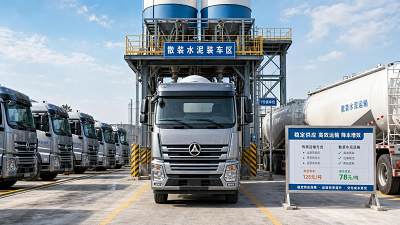
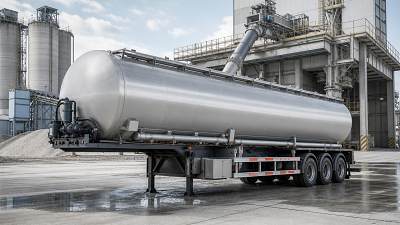
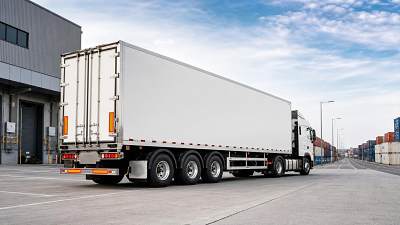
Not all bulk cement trucks perform equally. Tank volume, axle configuration, compressor efficiency, and unloading system condition all influence trip speed and unloading reliability. A modern truck with stable pneumatic discharge may complete more rotations per day than an older unit with slower pressure build-up.
For short-haul routes below 80 km, turnaround time may matter more than top payload. For mid-range routes of 100 to 250 km, balancing payload and road compliance becomes more important. Buyers should also check whether local bridge and road limits reduce legal load capacity.
Four specification checks before confirming a carrier
- Verify legal payload under local axle regulations, not brochure capacity alone.
- Confirm unloading equipment compatibility with silo pressure and discharge connection standards.
- Review average turnaround time per trip, especially if daily site demand exceeds 150 tons.
- Check truck age, maintenance records, and spare unit availability for peak demand periods.
These checks are especially relevant on international B2B sourcing platforms, where buyers may compare multiple fleet operators or equipment suppliers. A transparent digital marketplace helps procurement teams review heavy truck resources, compare supplier capability, and reduce blind spots in cross-border or regional sourcing.
Key Delivery Risks in a Truck Cement Bulk Order
Delivery risk is often underestimated until a project falls behind schedule. In a truck cement bulk order, delay can come from dispatch failure, route disruption, weather, unloading mismatch, paperwork errors, or weak communication between the cement plant, carrier, and receiving site.
The problem becomes more serious when procurement plans just-in-time supply. If a site has only 1 to 2 days of cement buffer stock, even a 12-hour delay may disrupt batching operations, labor scheduling, and concrete pour sequencing.
Most Common Delivery Failure Points
Buyers should map the order journey from loading point to final discharge. Risk often appears at transfer nodes, dispatch windows, and receiving-site bottlenecks rather than during the driving segment alone.
The following matrix can help procurement teams assess where a truck cement bulk order is most vulnerable and what control action should be assigned before contract signing.
This table highlights that delivery risk is manageable when responsibilities are clearly assigned. Procurement should not wait for a disruption to define escalation steps. A preventive checklist reduces both schedule loss and dispute cost.
Fuel Volatility and Its Hidden Delivery Effect
Fuel volatility affects more than transportation price. It also changes carrier behavior. When diesel prices rise sharply over a 2 to 6 week period, some carriers re-prioritize more profitable routes, delay lower-margin jobs, or renegotiate dispatch terms mid-contract.
For a truck cement bulk order, this can create intermittent supply rather than a complete cancellation. Procurement teams should define a fuel adjustment formula in advance, set review intervals, and specify whether surcharges apply per trip, per ton, or per kilometer band.
Three practical protections
- Lock a base freight period of 30 to 60 days for committed volume.
- Cap extraordinary surcharge review to agreed thresholds rather than open-ended claims.
- Keep at least 1 alternative approved carrier for urgent replenishment demand.
How Procurement Teams Should Evaluate Suppliers and Carriers
A strong truck cement bulk order depends on both material source and transport execution. Buyers should therefore assess suppliers on commercial terms, truck resources, operational control, and communication quality. Price remains important, but resilience and visibility often determine final performance.
For international buyers or regional distributors using B2B sourcing platforms, one major advantage is the ability to compare multiple suppliers, heavy truck resources, trailers, spare parts support, and related logistics capabilities in one digital environment. This shortens supplier discovery and improves decision transparency.
A 6-Point Qualification Framework
- Confirm order volume capability, such as daily dispatch support for 100, 300, or 500+ tons.
- Review fleet depth, including owned trucks, contracted trucks, and standby units.
- Check delivery record consistency across at least 2 recent operating cycles if available.
- Verify document accuracy for weight tickets, proof of delivery, and invoice matching.
- Assess technical fit between bulk tanker system and site unloading infrastructure.
- Test communication speed for schedule changes, exceptions, and dispute handling.
These six points are useful whether the procurement team is buying domestically or sourcing through a cross-border commercial vehicle platform. Heavy truck industry platforms can also help buyers identify transport equipment options, compare truck categories, and locate partners with stronger regional logistics knowledge.
Questions to Ask Before Signing
Before issuing a purchase order, buyers should ask how many trucks can be dispatched per day, what the average turnaround time is, how many backup units are available, and what happens if unloading takes longer than planned. These answers reveal operational maturity more clearly than a low initial quote.
It is also important to clarify acceptance tolerance. For example, will quantity disputes be settled by plant weight, site weight, or a joint tolerance band such as ±0.5% to ±1.0%? Clear definitions reduce conflict when delivery volume is split across many trips.
Practical Steps to Reduce Cost and Delivery Risk
The best truck cement bulk order strategy combines planning, supplier control, and site readiness. Procurement savings often come from process discipline rather than aggressive price bargaining alone. A well-prepared site can cut waiting time, avoid rejected discharge, and improve daily delivery flow.
Build a Better Order Structure
Instead of placing one large unstructured order, many buyers benefit from dividing volume into scheduled release windows. For example, a 1,200-ton monthly order may be split into 4 weekly blocks or 12 dispatch days. This gives procurement more control over stock, cash flow, and route performance.
Where possible, align release schedules with actual site consumption and silo capacity. If receiving storage only supports 80 to 120 tons at a time, oversupplying trucks in a short window may create detention fees and unloading congestion rather than efficiency.
Recommended implementation sequence
- Estimate weekly demand and minimum safety stock for 7 to 14 days.
- Confirm truck size, route legality, and unloading interface before the first load.
- Agree service levels for dispatch confirmation, ETA updates, and exception reporting.
- Run a pilot batch of 1 to 3 trucks before full-scale volume release.
- Review cost and delivery variance every week during the contract period.
Use Digital Visibility to Strengthen Purchasing Decisions
Digital sourcing and industry platforms are increasingly valuable in 2026 because procurement teams need more than supplier contact lists. They need access to truck categories, logistics ecosystem insights, spare parts support, industry trends, and reliable comparison tools that improve sourcing speed and reduce trial-and-error decisions.
A specialized global heavy truck industry platform can support buyers by connecting manufacturers, suppliers, distributors, and transport-related service partners across the commercial vehicle supply chain. For procurement teams handling a truck cement bulk order, this broader view helps identify more suitable transport partners and understand fleet capability before negotiation begins.
Common Procurement Mistakes to Avoid
- Comparing only ex-plant cement price without calculating delivered cost per ton.
- Ignoring route restrictions that reduce legal payload or increase trip time.
- Assuming all bulk cement trucks have the same unloading performance.
- Failing to define detention responsibility when site access is limited.
- Using a single carrier with no approved backup during peak construction season.
- Skipping first-load technical checks on hose, pressure, and silo interface.
Avoiding these errors can significantly improve both cost predictability and supply continuity. Even when base freight is competitive, poor execution can add hidden expense through missed pours, emergency replenishment, and administrative dispute handling.
Final Buying Guidance for 2026 Orders
A successful truck cement bulk order in 2026 depends on four decisions: selecting the right supply radius, matching truck capacity to route and site conditions, building flexible delivery schedules, and qualifying carriers beyond price alone. Procurement teams that evaluate these factors early are better positioned to control total landed cost and reduce disruption risk.
For buyers operating in construction, industrial transport, or regional distribution, the most reliable approach is to combine commercial negotiation with technical verification and logistics planning. Access to a professional heavy truck industry platform can make that process faster by helping you compare suppliers, explore transport equipment options, and identify dependable cross-border or regional partners.
If you are planning a high-volume truck cement bulk order, now is the right time to review supplier capability, fleet resources, and route risk in detail. Contact us to get a tailored sourcing plan, compare qualified heavy truck and transport partners, and explore more solutions for efficient bulk delivery in 2026.
Recommended News
 Transportation CostsCrane Truck Cost Breakdown: Purchase, Setup, and Operating ExpensesCrane truck cost explained from purchase and setup to fuel, maintenance, and downtime. Compare suppliers smarter and plan total ownership costs with confidence.
 Transportation CostsTruck Cement Sourcing: How to Compare Supply Risk and Delivered CostTruck cement sourcing made smarter: learn how to compare supply risk, logistics reliability, and delivered cost to avoid delays, cut hidden expenses, and protect project margins.
 Transportation CostsHeavy Duty Trucks for Sale in Australia: What Impacts Total CostHeavy duty trucks for sale in Australia: discover what really impacts total cost, from fuel and maintenance to compliance, finance, and resale value for smarter buying.
 Transportation CostsHow to Request an Accurate Construction Machinery QuotationConstruction machinery quotation tips for getting accurate, approval-ready pricing. Learn what details to prepare, compare supplier offers, and avoid hidden cost risks.
 Transportation CostsTianjin Port TIR Rates Rise 8% on June 17Tianjin Port TIR rates rise 8% as diesel costs and new BeiDou+GPS tracking rules reshape Central Asia road freight. See what exporters and shippers must adjust now.
 Transportation CostsBulk Cement Trailer Capacity vs Operating Cost ExplainedBulk cement trailer capacity directly affects fuel use, trip frequency, maintenance, and ROI. Learn how to compare sizes, cut operating costs, and choose the best trailer for your routes.
 Transportation CostsWater Truck Cost Breakdown: Purchase, Fuel, and MaintenanceWater truck cost explained from purchase price to fuel, maintenance, downtime, and resale. Compare suppliers smarter and estimate true ownership cost before you buy.
 Transportation CostsLight Commercial Vehicle for Food Delivery: Cost vs RangeLight commercial vehicle for food delivery buyers should weigh cost vs range, downtime, and service support to cut total delivery costs and choose the right fleet fit.
 Transportation CostsConstruction Machinery Cost Breakdown: Purchase, Fuel, and MaintenanceConstruction machinery cost explained through purchase price, fuel use, and maintenance impact. Learn how to compare lifecycle expenses and choose equipment with better long-term value.
 Transportation CostsTIR Digital Clearance Goes Live on China-Kazakhstan-Russia RouteTIR Digital Clearance goes live on the China-Kazakhstan-Russia route, cutting average clearance from 72 to 25 hours. See how e-CMR integration can improve road freight visibility, planning, and delivery control.
![]() Transportation CostsTruck Leasing vs Buying: Which Lowers Fleet Costs in 2026?Truck leasing vs buying in 2026: discover which option lowers fleet costs, protects cash flow, and improves flexibility for smarter fleet budgeting.
Transportation CostsTruck Leasing vs Buying: Which Lowers Fleet Costs in 2026?Truck leasing vs buying in 2026: discover which option lowers fleet costs, protects cash flow, and improves flexibility for smarter fleet budgeting. Transportation CostsTruck Leasing vs Buying: Cost Risks to Check FirstTruck leasing vs buying: uncover hidden cost risks in mileage, maintenance, depreciation, downtime, and contracts before choosing the best fleet strategy.
 Transportation CostsWater Sprinkler Truck Operating Costs in 2026Water sprinkler truck operating costs in 2026: compare fuel, maintenance, labor, compliance and lifecycle ROI to choose the right fleet solution with confidence.
 Transportation CostsLight Commercial Vehicle for Food Delivery: Cost ChecklistLight commercial vehicle for food delivery cost checklist: compare TCO, payload, energy, maintenance, compliance, and supplier risks to make smarter fleet purchases.
 Transportation CostsCurtain Side Trailer Cost Factors in Freight Fleetscurtain side trailer cost depends on more than price. Learn key factors in specs, payload, maintenance, compliance, resale value, and suppliers to improve fleet ROI.
 Transportation CostsTruck Cement Bulk Order: Cost Factors and Delivery Risks in 2026Truck cement bulk order in 2026: discover key cost factors, freight risks, fuel impacts, and supplier checks to cut delivered cost and avoid delays before you buy.
 Transportation CostsTruck Trailer Bulk Order Cost Breakdown for 2026 Budget PlanningTruck trailer bulk order budgeting for 2026 starts with total cost, not unit price. Explore specs, logistics, compliance, and lifecycle expenses to plan smarter and cut risk.
 Transportation CostsSemi Trailer Wholesale: Cost Factors That Matter in 2026Semi trailer wholesale in 2026 goes beyond unit price. Discover the real cost factors, compare suppliers smarter, and reduce sourcing risk with this practical guide.
 Transportation CostsDump Truck Wholesale Cost Breakdown for 2026 Fleet PlanningDump truck wholesale cost breakdown for 2026 fleet planning: compare chassis, body, landed cost, compliance, and service factors to build smarter budgets and reduce procurement risk.
 Transportation CostsLogging Truck Price in 2026: What Affects Total Ownership Cost?Logging truck price in 2026 depends on more than the quote. Learn what drives total ownership cost, from fuel and maintenance to compliance, uptime, and long-term ROI.
 Transportation CostsCrane Truck Cost Breakdown: Chassis, Boom, and Compliance FeesCrane truck cost explained: compare chassis, boom, compliance fees, taxes, and shipping in one clear guide to budget smarter and choose the right supplier with confidence.
 Transportation CostsCrane Truck Price in 2026: What Drives Total Ownership CostCrane truck price in 2026 goes beyond the sticker cost. Learn what drives total ownership cost, compare suppliers smarter, and reduce fleet risk with practical buyer insights.
 Transportation CostsConstruction Machinery Cost Breakdown: Purchase, Fuel, and MaintenanceConstruction machinery cost explained: compare purchase, fuel, and maintenance to reduce lifecycle expense, improve fleet budgeting, and choose equipment with better long-term value.
 Transportation CostsSemi Trailer Manufacturer with Lightweight Design: What Cuts Fleet CostsSemi trailer manufacturer with lightweight design choices can cut fleet costs through better payload, fuel savings, and durability. See which trailer strategy fits your routes.
 Transportation CostsLow-Maintenance Truck Spare Parts: Long-Term Cost BreakdownTruck spare parts supplier with low maintenance: discover how durable parts cut downtime, labor, and lifecycle costs for fleets. Compare smarter sourcing strategies now.