Truck Cement Wholesale: How Bulk Pricing Changes by Order Size
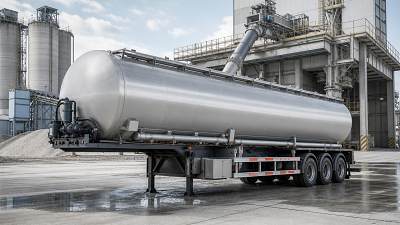
For finance decision-makers evaluating truck cement wholesale, order size can significantly reshape total landed cost, supplier terms, and long-term procurement efficiency. From small trial batches to high-volume contracts, bulk pricing affects not only unit cost but also cash flow, logistics planning, and negotiation leverage. Understanding these pricing shifts helps buyers control budgets, reduce sourcing risk, and secure more competitive heavy transport solutions.
Why order-size differences matter across real procurement scenarios
In truck cement wholesale, pricing is rarely a simple matter of “more units, lower cost.” For companies buying transport equipment or specialized vehicles for cement hauling and related bulk-material operations, the actual price curve changes by use case, project duration, supplier capacity, delivery geography, and financing structure. A finance approver does not only need the lowest unit quotation. The more important question is whether the selected order size fits the business scenario without creating hidden cost pressure later.
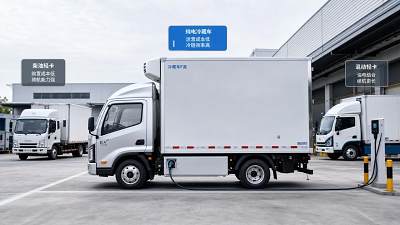
This is especially important in the road transport equipment sector, where procurement may involve complete trucks, chassis-based builds, semi-trailers, spare parts packages, and after-sales commitments. A small order can look expensive per unit but reduce working capital exposure. A large order can unlock aggressive bulk pricing but raise warehouse, deployment, maintenance, and payment risks. That is why truck cement wholesale decisions should be assessed through scenario-based cost logic instead of quote comparison alone.
Typical business scenarios where truck cement wholesale pricing shifts
Different buyers enter truck cement wholesale for different operational reasons. The same supplier may offer very different terms to a first-time importer, a regional distributor, a fleet operator serving infrastructure projects, or a contractor expanding into cross-border haulage. Below is a practical comparison framework for finance teams.
Scenario 1: Small trial orders for first-time buyers
A small initial order is common when an importer, contractor, or local fleet operator is testing a supplier’s quality, compliance, and delivery reliability. In truck cement wholesale, this scenario often includes one to five units, possibly with a spare-parts package and limited customization. Finance teams should expect higher per-unit pricing because tooling allocation, documentation, inland transport, export handling, and low-volume production scheduling cannot be spread across many units.
However, a higher unit price does not automatically mean worse value. For a first transaction, the financial benefit lies in limiting downside risk. Small orders reduce exposure to specification mismatch, after-sales disputes, and underperforming local demand. In this scenario, finance decision-makers should prioritize supplier verification, warranty scope, parts availability, and realistic landed cost over headline discount levels.
A common mistake is to push aggressively for bulk pricing before confirming whether the truck configuration truly fits cement logistics routes, axle requirements, local road conditions, and operator habits. In many cases, a small order creates the data needed for a larger and more efficient second-phase purchase.
Scenario 2: Mid-volume procurement for active infrastructure or municipal projects
When companies scale up transport capacity for road construction, urban development, mining support, or bulk material delivery, truck cement wholesale typically moves into the six-to-twenty-unit range. This is where pricing begins to change more meaningfully. Suppliers can optimize production batches, standardize component sourcing, and improve shipping efficiency, allowing better unit quotes and sometimes better payment milestones.
For finance approvers, the key issue in this scenario is asset utilization. If project timelines are stable and truck deployment is predictable, a mid-volume order often produces a better cost-performance balance than repeated small purchases. Buyers may also gain leverage for bundled value, such as training, technical support, documentation assistance, and a recommended spare-parts list.
Still, lower quoted prices should be tested against total ownership economics. Questions worth asking include: Will all units be delivered at once or in phases? Are local service partners available? Does the supplier offer interchangeable parts across models? Can the contract protect the buyer if the project start date shifts? In truck cement wholesale, the best mid-volume deal is the one that aligns with deployment timing and avoids idle capital.
Scenario 3: Large-volume orders for distributors and regional fleet networks
Distributors, cross-border traders, and regional fleet groups often pursue truck cement wholesale at a much larger scale. In these cases, order size may exceed twenty units and can extend into recurring purchase programs. Bulk pricing becomes more attractive because the supplier sees not only one transaction but also channel potential, future reorder visibility, and brand expansion opportunities.
This scenario usually unlocks deeper factory discounts, more flexible specification packaging, and support for dealer-facing materials. Yet finance teams must remain careful. Larger orders increase exposure to slower-moving inventory, regional demand fluctuations, and foreign exchange changes. A strong unit price can be offset by long storage periods, damaged cash conversion cycles, or service gaps that weaken resale confidence.
In practical terms, the finance function should assess reorder velocity, customer segmentation, and after-sales readiness before approving high-volume truck cement wholesale contracts. It is often smarter to negotiate a framework agreement with staged releases than to accept a one-time shipment that strains liquidity.
Scenario 4: Long-term supply contracts for industrial operators
Cement-related logistics operators, major contractors, and industrial enterprises may buy under long-term supply arrangements rather than one-off orders. Here, truck cement wholesale pricing is shaped by committed annual volume, model standardization, service-level expectations, and lifecycle support. The supplier may offer its strongest pricing because demand is more forecastable, procurement planning is more efficient, and production capacity can be allocated ahead of time.
For finance decision-makers, this scenario goes beyond purchase price. The real value comes from predictable budgeting, reduced emergency sourcing, more consistent maintenance planning, and improved residual value through fleet standardization. Bulk pricing can be substantial, but only if the contract includes clear terms on delivery windows, technical changes, parts supply, and claims handling.
This is where professional B2B sourcing platforms add value. Buyers can compare multiple qualified suppliers, review truck categories across chassis, complete vehicles, trailers, and spare parts, and identify partners capable of supporting international operations over time rather than only winning a price tender.
How pricing usually changes as order size increases
In truck cement wholesale, bulk pricing usually changes in layers instead of a straight line. Finance teams should understand the most common cost movements:
- Unit manufacturing cost falls as production batching improves.
- Packaging, inland logistics, and export documentation are spread across more units.
- Supplier willingness to offer payment flexibility improves when annual volume is visible.
- Bundled spare parts, training, and technical support become easier to negotiate.
- Customization may become cheaper per unit if specifications are standardized.
At the same time, some costs can rise with larger orders. These include financing cost during longer inventory cycles, storage, insurance, local registration timing, and the operational burden of deploying many units simultaneously. Therefore, truck cement wholesale should be evaluated using total landed cost and cash conversion analysis, not only ex-factory quotations.
What finance approvers should compare before accepting a “better” bulk quote
Common misjudgments by scenario
One frequent error is assuming that the largest order always creates the best financial result. In truck cement wholesale, this is only true when demand visibility, service support, and deployment scheduling are all strong. Another mistake is evaluating offers from suppliers who quote similar prices but provide very different component standards, warranty limits, or documentation quality. These differences matter more in export-oriented commercial vehicle procurement than many first-time buyers expect.
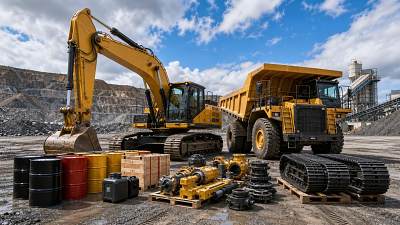
A further risk is ignoring the relationship between vehicle type and project profile. Trucks used for municipal engineering, infrastructure haulage, mining support, or long-distance regional delivery may require different durability, axle loads, body configurations, and parts planning. If the order size grows before these scenario-specific requirements are verified, the business may lock itself into an inefficient fleet structure despite receiving favorable bulk pricing.
Practical sourcing guidance for matching order size to business reality
For finance-led procurement, the most reliable path is to match truck cement wholesale volume to verified operational milestones. Trial orders fit new market entry, supplier qualification, and uncertain demand. Mid-volume orders fit active projects with clear deployment windows. Large orders fit distributors or fleet groups with repeat demand and service infrastructure. Long-term contracts fit industrial users that benefit from planning stability and standardized fleets.
Using a specialized global heavy truck B2B platform can shorten this evaluation process. Buyers can compare supplier capability across complete trucks, chassis, trailers, construction machinery support products, and spare parts resources in one ecosystem. This improves supplier transparency and makes it easier to structure negotiations around total procurement value instead of unit price alone.
FAQ: finance-focused questions about truck cement wholesale
Is a small order always too expensive to justify?
No. In truck cement wholesale, a small order can be the most cost-effective option when supplier quality, local demand, or technical fit is still uncertain. It limits downside risk and creates real operating data.
When does bulk pricing become financially meaningful?
Usually once the order reaches a scale where production batching, logistics consolidation, and service bundling improve. The exact threshold depends on truck type, customization level, and shipping route.
What should be negotiated besides unit price?
Focus on payment terms, phased delivery, spare-parts support, warranty, technical documentation, and supplier responsiveness. These areas often determine the real financial outcome of truck cement wholesale.
Final takeaway for budget approval and supplier selection
Truck cement wholesale works best when order size is matched to the buyer’s actual scenario rather than to a discount target. Finance decision-makers should compare small, medium, and large order options through the lens of cash flow, deployment timing, supplier reliability, lifecycle service, and inventory risk. In many cases, the smartest bulk strategy is not the largest order, but the most controllable one.
If your organization is sourcing road transport equipment for cement logistics, construction support, or broader heavy truck operations, use a trusted industry platform to benchmark suppliers, compare product categories, and validate commercial terms before scaling volume. That approach turns truck cement wholesale from a price negotiation into a stronger procurement decision.
Recommended News
 Transportation CostsTruck Cement Sourcing: How to Compare Supply Risk and Delivered CostTruck cement sourcing made smarter: learn how to compare supply risk, logistics reliability, and delivered cost to avoid delays, cut hidden expenses, and protect project margins.
 Transportation CostsHeavy Duty Trucks for Sale in Australia: What Impacts Total CostHeavy duty trucks for sale in Australia: discover what really impacts total cost, from fuel and maintenance to compliance, finance, and resale value for smarter buying.
 Transportation CostsHow to Request an Accurate Construction Machinery QuotationConstruction machinery quotation tips for getting accurate, approval-ready pricing. Learn what details to prepare, compare supplier offers, and avoid hidden cost risks.
 Transportation CostsTianjin Port TIR Rates Rise 8% on June 17Tianjin Port TIR rates rise 8% as diesel costs and new BeiDou+GPS tracking rules reshape Central Asia road freight. See what exporters and shippers must adjust now.
 Transportation CostsBulk Cement Trailer Capacity vs Operating Cost ExplainedBulk cement trailer capacity directly affects fuel use, trip frequency, maintenance, and ROI. Learn how to compare sizes, cut operating costs, and choose the best trailer for your routes.
 Transportation CostsWater Truck Cost Breakdown: Purchase, Fuel, and MaintenanceWater truck cost explained from purchase price to fuel, maintenance, downtime, and resale. Compare suppliers smarter and estimate true ownership cost before you buy.
 Transportation CostsLight Commercial Vehicle for Food Delivery: Cost vs RangeLight commercial vehicle for food delivery buyers should weigh cost vs range, downtime, and service support to cut total delivery costs and choose the right fleet fit.
 Transportation CostsConstruction Machinery Cost Breakdown: Purchase, Fuel, and MaintenanceConstruction machinery cost explained through purchase price, fuel use, and maintenance impact. Learn how to compare lifecycle expenses and choose equipment with better long-term value.
 Transportation CostsTIR Digital Clearance Goes Live on China-Kazakhstan-Russia RouteTIR Digital Clearance goes live on the China-Kazakhstan-Russia route, cutting average clearance from 72 to 25 hours. See how e-CMR integration can improve road freight visibility, planning, and delivery control.
![]() Transportation CostsTruck Leasing vs Buying: Which Lowers Fleet Costs in 2026?Truck leasing vs buying in 2026: discover which option lowers fleet costs, protects cash flow, and improves flexibility for smarter fleet budgeting.
Transportation CostsTruck Leasing vs Buying: Which Lowers Fleet Costs in 2026?Truck leasing vs buying in 2026: discover which option lowers fleet costs, protects cash flow, and improves flexibility for smarter fleet budgeting. Transportation CostsTruck Leasing vs Buying: Cost Risks to Check FirstTruck leasing vs buying: uncover hidden cost risks in mileage, maintenance, depreciation, downtime, and contracts before choosing the best fleet strategy.
 Transportation CostsWater Sprinkler Truck Operating Costs in 2026Water sprinkler truck operating costs in 2026: compare fuel, maintenance, labor, compliance and lifecycle ROI to choose the right fleet solution with confidence.
 Transportation CostsLight Commercial Vehicle for Food Delivery: Cost ChecklistLight commercial vehicle for food delivery cost checklist: compare TCO, payload, energy, maintenance, compliance, and supplier risks to make smarter fleet purchases.
 Transportation CostsCurtain Side Trailer Cost Factors in Freight Fleetscurtain side trailer cost depends on more than price. Learn key factors in specs, payload, maintenance, compliance, resale value, and suppliers to improve fleet ROI.
 Transportation CostsTruck Cement Bulk Order: Cost Factors and Delivery Risks in 2026Truck cement bulk order in 2026: discover key cost factors, freight risks, fuel impacts, and supplier checks to cut delivered cost and avoid delays before you buy.
 Transportation CostsTruck Trailer Bulk Order Cost Breakdown for 2026 Budget PlanningTruck trailer bulk order budgeting for 2026 starts with total cost, not unit price. Explore specs, logistics, compliance, and lifecycle expenses to plan smarter and cut risk.
 Transportation CostsSemi Trailer Wholesale: Cost Factors That Matter in 2026Semi trailer wholesale in 2026 goes beyond unit price. Discover the real cost factors, compare suppliers smarter, and reduce sourcing risk with this practical guide.
 Transportation CostsDump Truck Wholesale Cost Breakdown for 2026 Fleet PlanningDump truck wholesale cost breakdown for 2026 fleet planning: compare chassis, body, landed cost, compliance, and service factors to build smarter budgets and reduce procurement risk.
 Transportation CostsLogging Truck Price in 2026: What Affects Total Ownership Cost?Logging truck price in 2026 depends on more than the quote. Learn what drives total ownership cost, from fuel and maintenance to compliance, uptime, and long-term ROI.
 Transportation CostsCrane Truck Cost Breakdown: Chassis, Boom, and Compliance FeesCrane truck cost explained: compare chassis, boom, compliance fees, taxes, and shipping in one clear guide to budget smarter and choose the right supplier with confidence.
 Transportation CostsCrane Truck Price in 2026: What Drives Total Ownership CostCrane truck price in 2026 goes beyond the sticker cost. Learn what drives total ownership cost, compare suppliers smarter, and reduce fleet risk with practical buyer insights.
 Transportation CostsConstruction Machinery Cost Breakdown: Purchase, Fuel, and MaintenanceConstruction machinery cost explained: compare purchase, fuel, and maintenance to reduce lifecycle expense, improve fleet budgeting, and choose equipment with better long-term value.
 Transportation CostsSemi Trailer Manufacturer with Lightweight Design: What Cuts Fleet CostsSemi trailer manufacturer with lightweight design choices can cut fleet costs through better payload, fuel savings, and durability. See which trailer strategy fits your routes.
 Transportation CostsLow-Maintenance Truck Spare Parts: Long-Term Cost BreakdownTruck spare parts supplier with low maintenance: discover how durable parts cut downtime, labor, and lifecycle costs for fleets. Compare smarter sourcing strategies now.
 Transportation CostsTruck Cement Bulk Order: Cost Factors That Change Final PricingTruck cement bulk order pricing depends on route, payload, compliance, and supplier terms. Discover the key cost factors to compare quotes, cut hidden expenses, and buy with confidence.